
A step-by-step guide to assembling a DIY pet first aid kit, including what to pack for dogs, cats, and small animals, plus safety tips, common scenarios, and...
If you have ever watched your dog start trembling out of nowhere, you know how fast your brain goes to worst-case scenarios. I have been there too. Back when I was a veterinary technician, “My dog is shaking” was one of the most common and most anxiety-provoking calls we got, because trembling can range from totally harmless to truly urgent.
The good news is that many causes are simple, like being cold, feeling nervous, or getting overstimulated. The important part is learning what’s normal for your dog and recognizing the red flags that mean it is time to call your veterinarian right away.
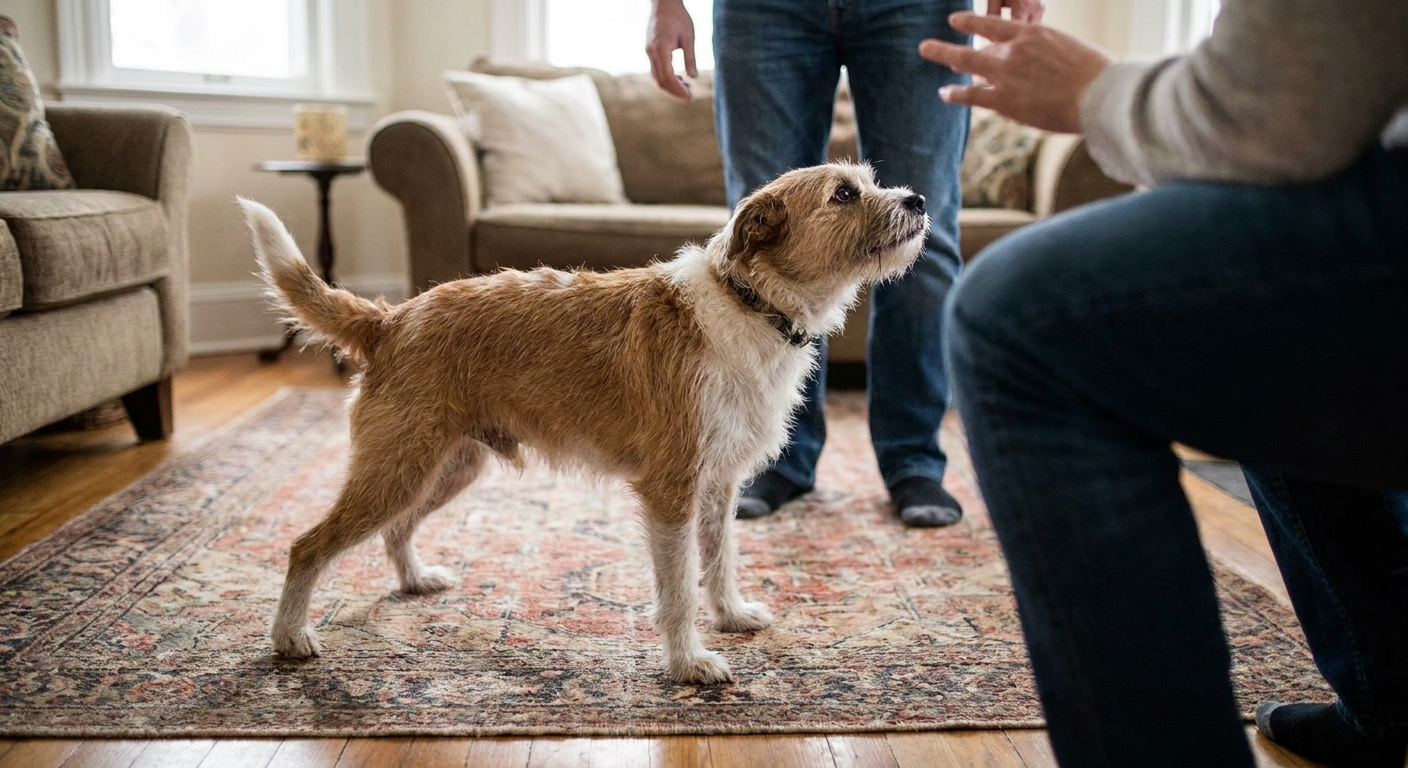
Shaking vs. a seizure
Pet parents often use “shaking” to describe a few different things. A little clarity can help you decide what to do next.
- Trembling or shivering: Small, rapid muscle movements. Your dog is usually aware of you and can often respond to their name.
- Body tremors: More obvious shaking or quivering, sometimes with a tucked tail, panting, or a worried look. Many dogs can still walk and stay aware. This is still not the same thing as a seizure.
- Seizure activity: Often includes collapse, paddling legs, stiffening, loss of awareness, drooling, or loss of bladder or bowel control. Some seizures are subtle, but if your dog seems unaware of you, cannot be redirected, or has repeated episodes, this is urgent.
If you are unsure, take a short video on your phone. In clinic, videos helped us so much, especially when the symptom stopped before the appointment.
Common reasons dogs shake
Trembling is a symptom, not a diagnosis. These are some of the most common causes I saw in practice and still see as a pet parent.
Cold or temperature change
Just like people, dogs can shiver when they are chilly. Small dogs, senior dogs, and short-coated breeds tend to feel it first. If the shaking starts after going outside, after a bath, or in a strongly air-conditioned room, cold is high on the list.
Fear, anxiety, or stress
Trembling is a classic stress sign. Common triggers include thunderstorms, fireworks, car rides, veterinary visits, unfamiliar guests, or hearing a scary noise. You might also notice lip licking, yawning, pinned ears, a tucked tail, or hiding.
Excitement or overstimulation
Some dogs tremble when they are over-the-moon excited, like when you grab the leash or they see a favorite person. This is especially common in young dogs and some toy breeds. If your dog is bright, responsive, and otherwise acting normal, excitement may be the explanation.
Pain or discomfort
Pain can absolutely cause shaking. Dogs do not always yelp or limp when something hurts, so trembling may be one of the only signs. Common pain-related clues include a hunched posture, a tense belly, reluctance to be touched, restlessness, or trouble settling. I also saw plenty of dogs with back or neck pain who mainly showed it through trembling and “not wanting to move quite right.”
Nausea or stomach upset
Nausea can make dogs shake, sometimes along with drooling, lip smacking, gulping, grass eating, or refusing food. Some dogs tremble before they vomit, but not always.
Low blood sugar
Very small dogs and young puppies can develop low blood sugar if they miss meals, play hard without eating, or are sick and not taking in enough calories. In older dogs, low blood sugar can also be tied to more serious illness. Trembling may come with weakness, wobbliness, or acting “spacey.” This can become dangerous quickly.
Toxin exposure
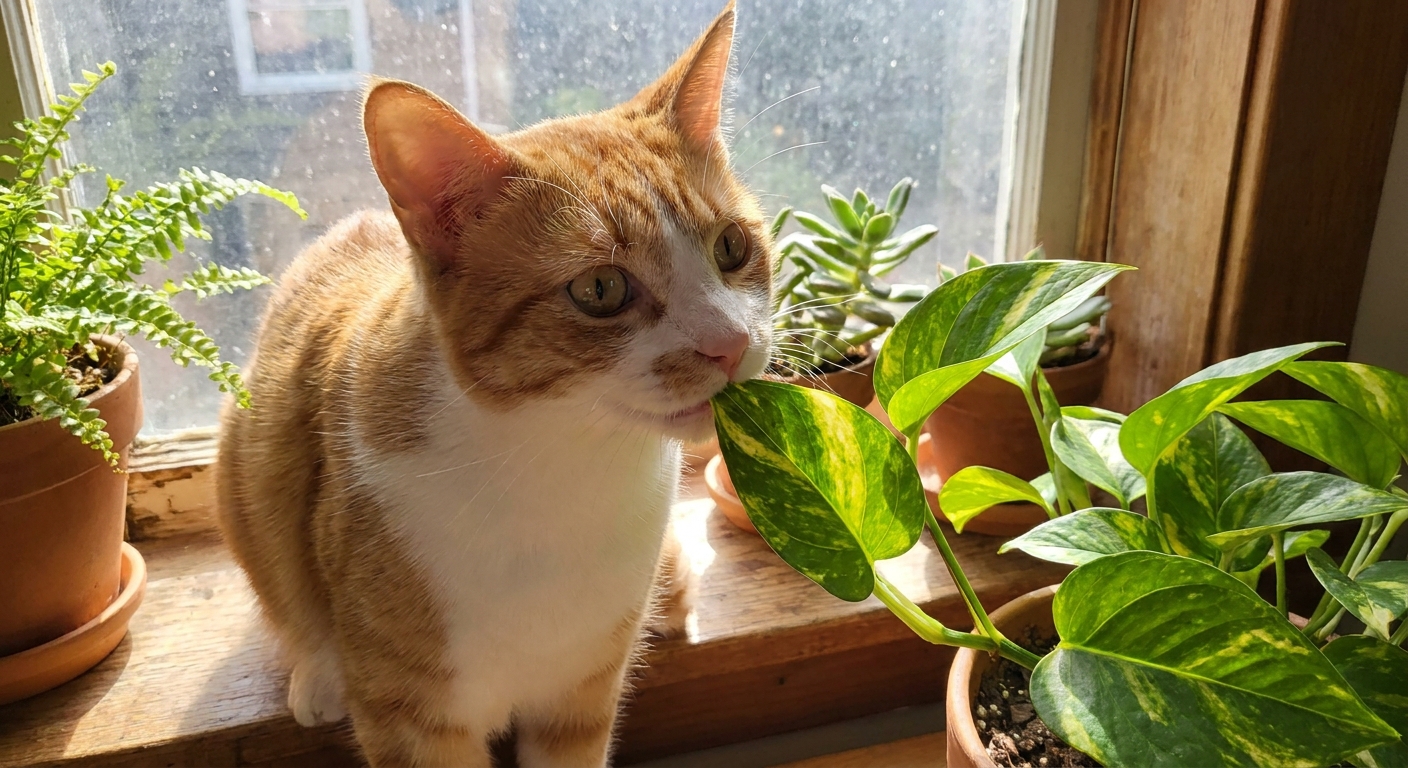
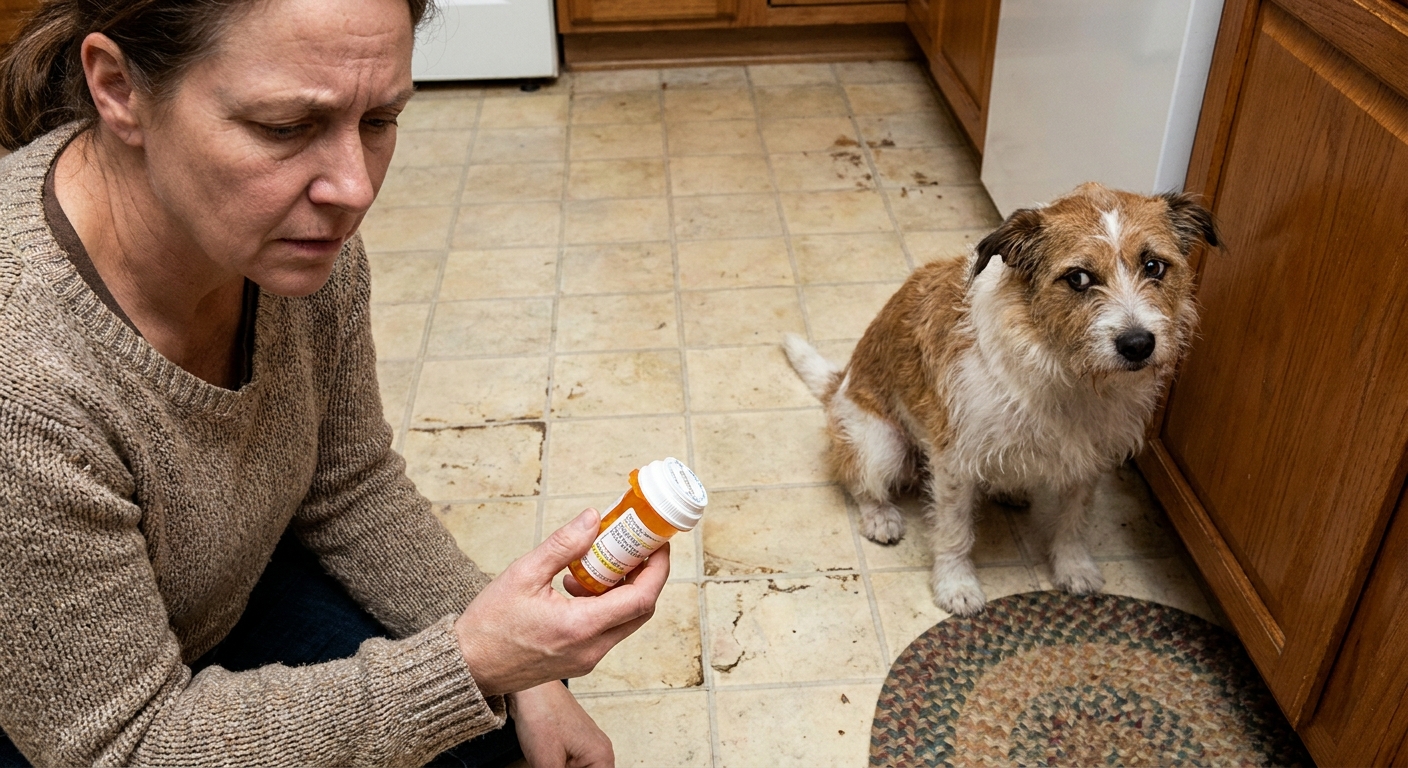
Many toxins can cause tremors, and these cases can escalate fast. Possibilities include certain human medications, illicit substances, nicotine products, xylitol, pyrethrin or pyrethroid insecticides, rodenticides, and even certain poisonous plants or mushrooms.
If there is any chance your dog got into something they should not have, treat it as urgent.
Other causes worth knowing
Not every trembling dog is having an emergency, but there are a few less obvious patterns I like owners to keep on their radar.
Tremor syndromes
Some dogs develop tremors without a clear trigger, including certain idiopathic tremor syndromes. This is not something to ignore, but it is not always an ER situation if your dog is otherwise stable. It still warrants a veterinary exam, especially if it is new or worsening.
Ear or balance problems
Inner ear disease and vestibular issues can make dogs feel dizzy or nauseated, which can look like trembling plus wobbliness, head tilt, or abnormal eye movements. If your dog seems off-balance, call your vet.
Quick at-home check
If your dog is trembling but is still conscious, breathing comfortably, and not collapsing, you can do a quick, calm check at home while you decide your next step. Keep it gentle and safe, and do not force handling if your dog seems painful or fearful.
1) Check the room and recent triggers
- Is it cold, wet, or drafty?
- Did something scary happen (loud sound, visitors, new environment)?
- Did your dog just have intense play or a stressful event?
2) Look at the gums
Lift the lip and glance at the gum color. Do your best in good lighting, and remember some dogs have darker gum pigmentation that can make this harder to judge.
- Normal: Bubblegum pink.
- Concerning: Very pale or white, blue or gray, or very bright or dark red that looks abnormal for your dog.
If the gums look abnormal, especially along with weakness or fast breathing, this is a same-day situation.
3) Think about food and possible exposures
- Did your dog miss a meal, especially if they are tiny or a young puppy?
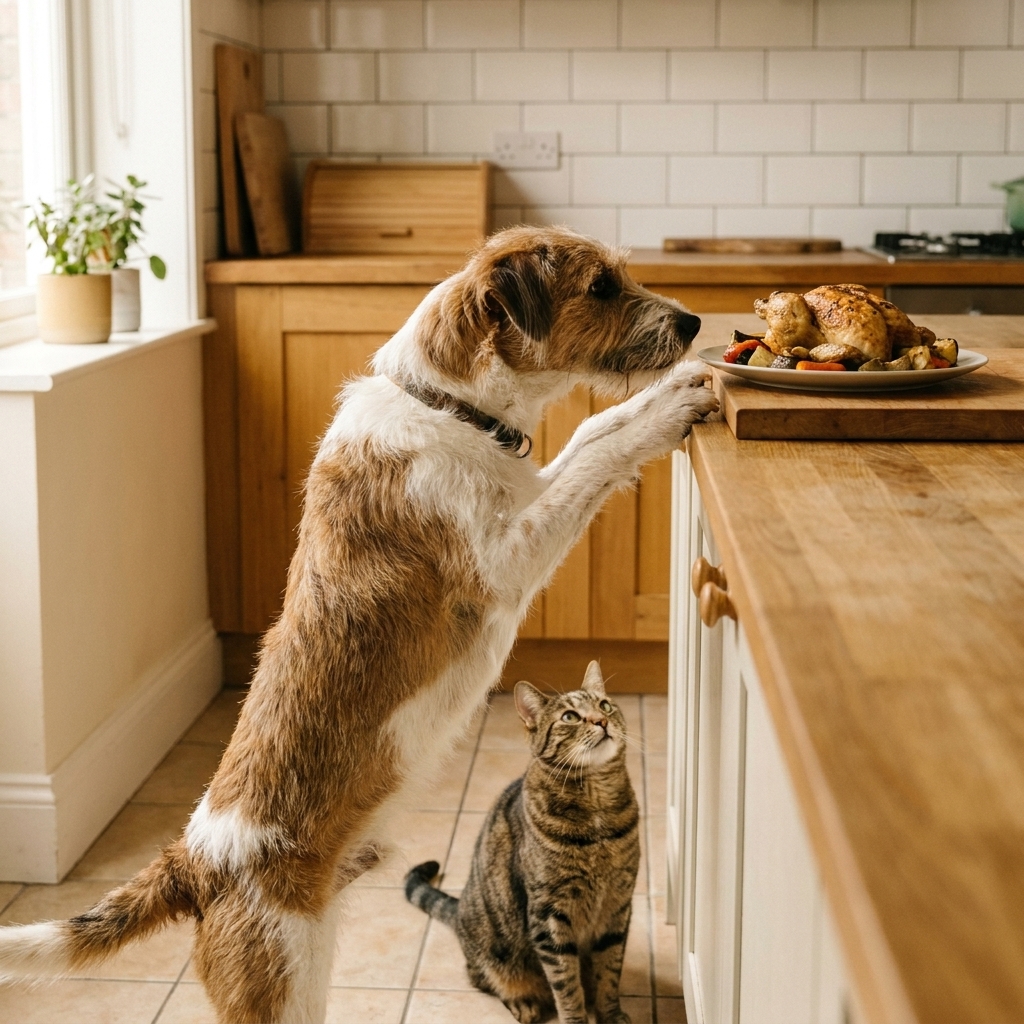
- Did they get into the trash, countertop foods, compost, or a purse?
- Any chance of medications, nicotine products, cannabis edibles, or chemicals within reach?
4) See if your dog can walk normally
Encourage your dog to take a few steps on a non-slip surface.
- Reassuring: Walking normally, alert, responsive.
- Concerning: Weakness, wobbliness, falling over, acting disoriented, or inability to stand.
5) Take a few notes for your vet
These details help your clinic triage quickly:
- When the trembling started
- How long it lasts
- Whether it stops when your dog rests, warms up, or calms down
- Any vomiting, diarrhea, drooling, coughing, or appetite changes
- Any new medications or supplements
When to call the vet today
I like to think of trembling as a “context symptom,” meaning what else is happening around it matters just as much as the shaking itself. If the shaking is paired with other warning signs, it deserves prompt medical attention.
Call your veterinarian right away or seek urgent care today if your dog has shaking plus any of the following:
- Seizure activity, collapse, or loss of consciousness
- Cannot stand, is very weak, or seems disoriented
- Seems “not there” or mentally abnormal, especially if it does not pass quickly, keeps happening, or follows a collapse
- Shaking with vomiting, repeated retching, or signs of severe nausea
- Shaking with trouble breathing, blue or gray gums, or very rapid breathing
- Pale gums or gums that look abnormal in color
- Suspected toxin exposure or getting into human medication
- Abdominal swelling, unproductive retching, or sudden restlessness that does not settle
- High or low body temperature (your vet can guide you if you have a thermometer and know how to use it safely)
- A puppy, senior dog, or dog with chronic illness who is trembling and “off” in any way
If your instincts are telling you something is not right, trust that. You know your dog’s normal better than anyone.

When you can monitor at home
It is often reasonable to monitor briefly at home if your dog is:
- Bright, alert, and responding normally
- Breathing comfortably
- Walking normally
- Not vomiting and not having diarrhea
- Shaking after an obvious trigger like cold, excitement, or a stressful noise
In those cases, try a calm reset: move to a quiet room, reduce stimulation, offer a comfortable resting spot, and warm them up if they feel chilly. Then re-check in 10 to 20 minutes.
If trembling keeps returning, lasts more than an hour, happens repeatedly over a day, or comes with any appetite or behavior change, schedule a veterinary visit. Persistent trembling is your dog’s way of saying something feels off, even if it is subtle.
What your vet may check
If you bring your dog in for trembling, your veterinarian will typically start with a full history and physical exam, then recommend tests based on what they find. Depending on your dog’s age and symptoms, this may include:
- Temperature, heart rate, and respiratory rate
- Blood glucose (especially for small dogs and puppies)
- Basic bloodwork to look for infection, inflammation, electrolyte issues, and organ function
- Urinalysis
- Testing or treatment related to suspected toxin exposure
- An ear exam and neurologic exam if dizziness, head tilt, or balance issues are part of the picture
If you have a video of the shaking, bring it. It can help your vet distinguish between trembling, tremors, and seizure-like episodes.
FAQ
Why is my dog shaking but acting normal?
If your dog is still playful, eating, and walking normally, shaking is often related to cold, excitement, or mild stress. That said, if it is new for your dog, happens frequently, or becomes more intense, it is worth a call to your vet.
Can pain cause shaking even if my dog is not crying?
Yes. Many dogs do not vocalize with pain. Trembling, a tense posture, hiding, or being unusually clingy can all be pain signals.
My small dog is shaking and seems weak. What should I do?
Weakness plus trembling in a small dog can be low blood sugar, toxin exposure, or another urgent medical issue. Call your veterinarian or an emergency clinic immediately for guidance.
Should I feed my dog if I think it is low blood sugar?
If your dog is fully alert and able to swallow, offering a small meal can help, but you should still contact your vet promptly, especially for toy breeds and puppies. Do not try to force food or liquids if your dog is lethargic, disoriented, or cannot swallow safely, and follow your vet’s instructions about what to do next.
The bottom line
Most trembling is your dog’s nervous system responding to something, and that “something” can be as simple as being cold or as serious as toxin exposure or a medical emergency. Use the quick at-home check to gather clues, and do not hesitate to call your veterinarian if the shaking is intense, persistent, paired with vomiting, or comes with weakness or collapse.
When in doubt, I would always rather see a dog for “it might be nothing” than have a family wait on something time-sensitive. You are not overreacting. You are paying attention, and that is one of the best gifts you can give your dog.