
As a former veterinary technician, I can tell you one of the most stressful clinic calls is also one of the most common: “My pet ate something. What do I do?” If you are reading this with your heart racing, take a breath. You are not a bad pet parent. Many of the most dangerous foods are normal, everyday staples we keep on counters, coffee tables, and pantry shelves.
This guide covers 10 common human foods that can be seriously dangerous to dogs and cats, what symptoms can look like, and the exact steps to take if your pet gets into any of them.
If you suspect poisoning: act now
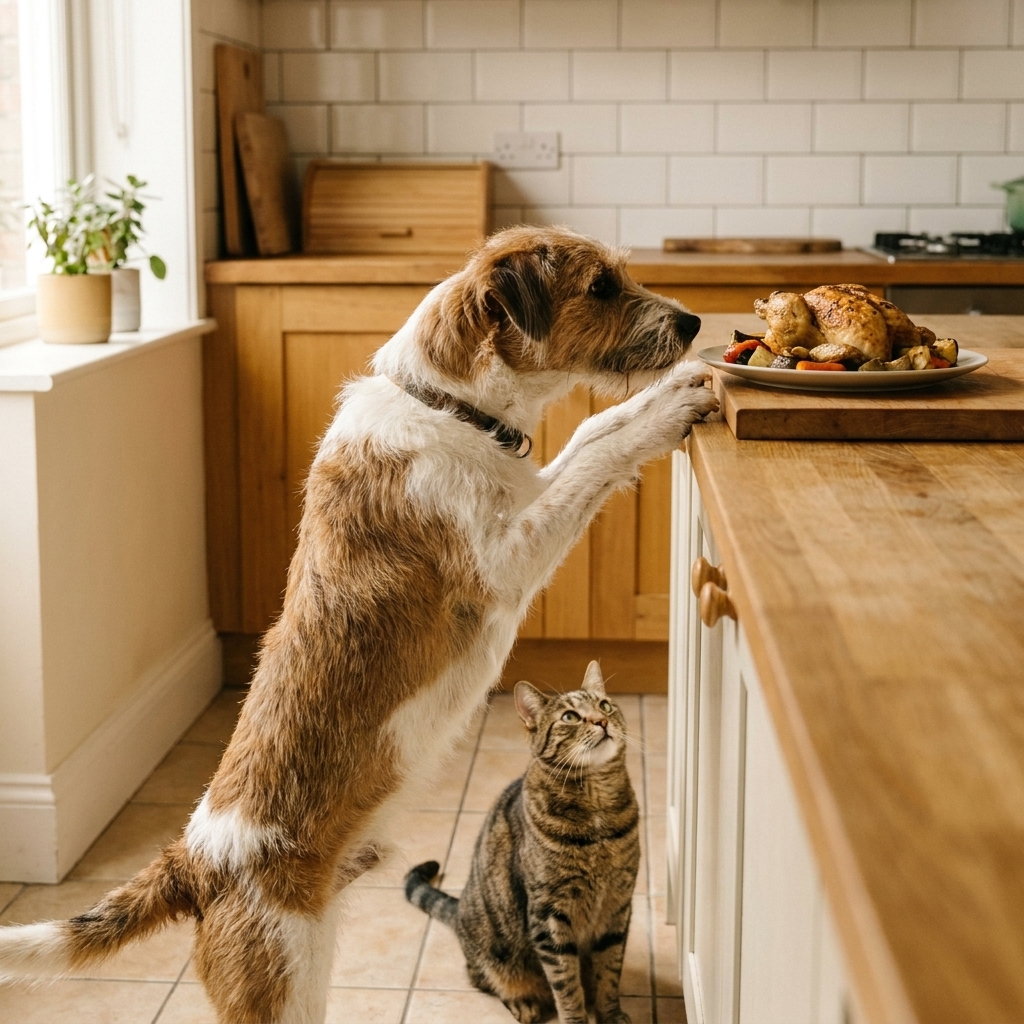
If your dog or cat may have eaten a toxic food, treat it like an emergency. Waiting “to see if symptoms happen” can cost valuable time.
Step-by-step
- Remove access immediately. Take the food away, move your pet to a safe area, and keep other pets away too.
- Check your pet. Look for vomiting, diarrhea, drooling, tremors, weakness, labored breathing, collapse, or unusual behavior.
- Collect details. Save the packaging, take a photo of the ingredient list, and estimate how much was eaten and when. If vomit is present, a photo can help a veterinarian or poison expert identify what came up.
- Call for expert help. Contact your veterinarian or an emergency vet. In the US, you can also contact a pet poison hotline: ASPCA Animal Poison Control (888-426-4435) or Pet Poison Helpline (855-764-7661). Fees may apply, but these services can be lifesaving, especially after hours.
- Do not induce vomiting unless told to. Inducing vomiting can be dangerous for certain toxins and for pets that are brachycephalic, very young, very old, already weak, or showing neurologic signs.
- Do not give home “antidotes.” Milk, bread, oil, activated charcoal you bought online, and “detox” supplements can complicate treatment. Follow veterinary advice only.
Go to an ER now if your pet is having trouble breathing, collapse, seizures, severe lethargy, uncontrolled vomiting, or you suspect ingestion of xylitol, grapes or raisins, lily exposure in a cat, or a large amount of chocolate.
10 common foods that are dangerous
Not every pet will react the same way, and dose matters, but the items below are well known for causing serious illness. When in doubt, assume it is urgent and call.
1) Xylitol (and birch sugar)
Most at risk: Dogs (cats are less likely to be affected).
Why it is dangerous: Xylitol is a sugar substitute found in many sugar-free gums, mints, candies, baked goods, peanut butters, and some oral care products. In dogs, it can trigger a rapid insulin release that causes life-threatening low blood sugar, and it can also lead to acute liver failure. Cats do not appear to have the same typical insulin surge response, but any exposure still warrants veterinary guidance because dose, product ingredients, and individual risk factors vary.
Common sources: Sugar-free gum, “no sugar added” candy, keto baked goods, some peanut butters, toothpaste, mouthwash.
Symptoms: Weakness, wobbliness, vomiting, tremors, seizures, collapse. Signs can start within minutes to a few hours.
What to do: Treat as an emergency. Call a vet or poison hotline immediately and be ready to go in.
2) Grapes and raisins
Most at risk: Dogs.
Why it is dangerous: Grapes and raisins can cause sudden kidney failure in dogs. The exact toxic component is still not fully understood, and sensitivity varies widely. A small amount can be dangerous for some dogs.
Common sources: Trail mix, granola, oatmeal cookies, fruit baskets, school lunches.
Symptoms: Vomiting, diarrhea, lethargy, decreased appetite, abdominal pain, increased thirst or urination early on, then reduced urination as kidney injury progresses.
What to do: Call right away, even if your dog seems fine. Early decontamination and IV fluids can be critical.
3) Chocolate (cocoa, baking chocolate, cacao)
Most at risk: Dogs (cats less commonly, but it can happen).
Why it is dangerous: Chocolate contains methylxanthines (theobromine and caffeine). Dogs are most at risk, and darker chocolate is more dangerous because it contains higher concentrations.
Common sources: Baking chocolate, cocoa powder, dark chocolate bars, brownies, chocolate-covered espresso beans, hot cocoa mix.
Symptoms: Vomiting, diarrhea, restlessness, panting, increased heart rate, tremors, seizures, abnormal heart rhythms.
What to do: Call a vet with the type of chocolate, amount, your pet’s weight, and time of ingestion.
4) Onions, garlic, chives, and leeks (allium family)
Most at risk: Dogs and cats (cats are especially sensitive).
Why it is dangerous: Alliums can damage red blood cells and lead to hemolytic anemia in both dogs and cats. Toxicity can occur from raw, cooked, powdered, or dehydrated forms.
Common sources: Onion powder in chips, soups, sauces, seasoned meats, pizza, baby food, some broths.
Symptoms: Vomiting, diarrhea, weakness, pale gums, fast breathing, lethargy, exercise intolerance. Signs may be delayed for a day or more.
What to do: Call your vet. Bring the ingredient list if the exposure was from a prepared food.
5) Alcohol (ethanol) and unbaked yeast dough
Most at risk: Dogs and cats.
Why it is dangerous: Alcohol depresses the central nervous system and can cause dangerously low blood sugar, low body temperature, and respiratory depression. Unbaked yeast dough can expand in the stomach and also produce ethanol as it ferments.
Common sources: Beer, wine, cocktails, boozy desserts, kombucha, raw bread dough left to rise, spilled drinks at parties.
Symptoms: Disorientation, drooling, vomiting, unsteady walking, slow breathing, hypothermia, collapse.
What to do: Seek emergency care, especially if any neurologic signs are present.
6) Caffeine (coffee, tea, energy drinks)
Most at risk: Dogs and cats (dogs more commonly).
Why it is dangerous: Caffeine is a stimulant that can lead to dangerous heart rhythm changes and neurologic symptoms. Like chocolate, it involves methylxanthines.
Common sources: Coffee grounds, espresso drinks, tea bags, energy drinks, caffeine pills, chocolate-covered coffee beans.
Symptoms: Restlessness, rapid heart rate, tremors, high body temperature, vomiting, seizures.
What to do: Call a vet or poison hotline right away. Coffee grounds and caffeine pills can be especially potent.
7) Macadamia nuts
Most at risk: Dogs.
Why it is dangerous: Macadamia nuts can cause significant illness in dogs. The exact mechanism is unclear, but the reaction can be intense.
Common sources: Cookies, mixed nuts, nut butters, candy, snack bowls.
Symptoms: Weakness (often in the hind legs), tremors, vomiting, pain, fever, lethargy. Signs often show up within about 12 hours.
What to do: Contact your vet for guidance, particularly if weakness or tremors are present.
8) Avocado (pit and high-fat risk)
Most at risk: Dogs and cats.
Why it is risky: In dogs and cats, avocado flesh is more often associated with gastrointestinal upset and, in some pets, pancreatitis risk due to fat content. The bigger practical hazards are the pit and skin, which can cause choking or an intestinal blockage. Persin is a more serious concern in some other species, but pets can still get sick or injured from avocado-related exposures.
Common sources: Guacamole, avocado toast, salad toppings, smoothie bowls.
Symptoms: Vomiting, diarrhea, decreased appetite, abdominal discomfort. Watch for choking, repeated vomiting, lethargy, or constipation if a pit or large piece may have been swallowed.
What to do: Call your vet if your pet ate a significant amount, is showing symptoms, or could have swallowed the pit or skin.
9) Cooked bones and fatty meat trimmings
Most at risk: Dogs (cats can be affected too).
Why it is dangerous: Cooked bones can splinter, causing mouth injuries, choking, or intestinal perforation. Fatty trimmings can trigger pancreatitis, a painful and potentially serious inflammation of the pancreas.
Common sources: BBQ leftovers, holiday ham, turkey carcass, steak fat, bacon grease, trash cans.
Symptoms: Vomiting, diarrhea, abdominal pain (hunched posture, “prayer position”), refusal to eat, lethargy. With bone complications, you may see gagging, drooling, constipation, or straining.
What to do: If choking or gagging, seek emergency care immediately. For suspected pancreatitis or bone ingestion, call your vet and do not give medications unless directed.
10) Lilies (cats especially)
Most at risk: Cats.
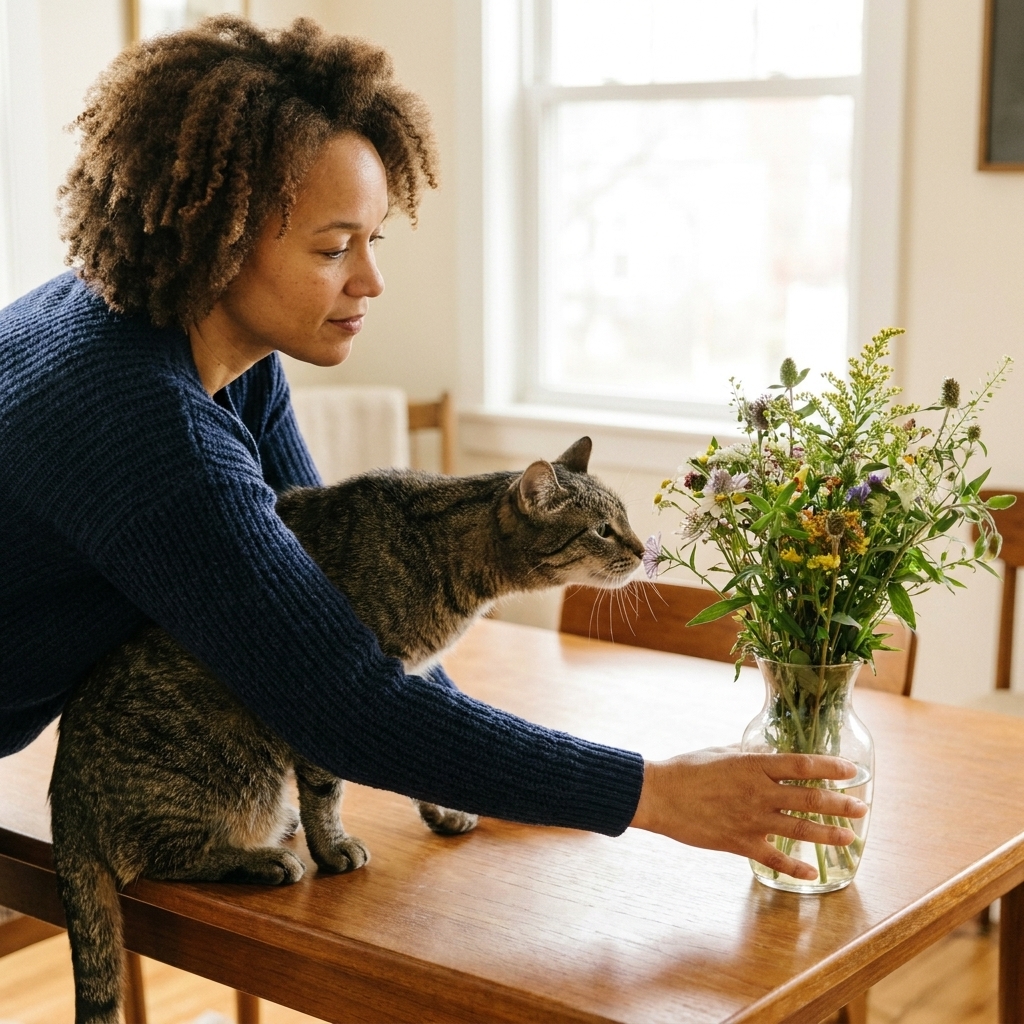
Why it is dangerous: This is not a “food,” but it is a very common household exposure that happens right alongside food on tables and counters. True lilies (Lilium species) and daylilies (Hemerocallis species) can cause rapid, severe kidney failure in cats. Even pollen, a few chewed leaves, or water from the vase can be dangerous. Important nuance: not every plant with “lily” in the name causes the same kidney failure syndrome. Plants like peace lily and calla lily more commonly cause mouth and throat irritation, not the classic kidney failure toxicosis, but they still are not safe to chew.
Common sources: Floral bouquets, Easter lilies, tiger lilies, Asiatic lilies, daylilies brought into the home.
Symptoms in cats: Drooling, vomiting, lethargy, reduced appetite. Kidney injury can follow quickly, even if early signs seem mild.
What to do: If a cat may have been exposed, go to an emergency vet immediately, even if they look normal.
Common toxicity symptoms
Some toxins act fast, while others take hours to days. Call for help if you notice any of the following after a suspicious snack:
- Vomiting or diarrhea (especially repeated episodes)
- Drooling, pawing at the mouth
- Restlessness, pacing, agitation
- Lethargy, weakness, trouble standing
- Tremors, twitching, seizures
- Rapid or labored breathing
- Abdominal pain (tense belly, hunched posture)
- Pale or yellow-tinged gums
- Excessive thirst, changes in urination
- Collapse or unresponsiveness
If your gut says, “This is not my pet’s normal,” trust that instinct and call.
What to have ready when you call
Having the right details can speed up treatment decisions.
- Your pet’s weight, age, and any health conditions
- The exact item eaten (brand and flavor if packaged)
- The amount you think was eaten
- Time of possible ingestion
- Current symptoms
- A photo of the ingredient list and the product itself

Prevention that works
Most poisonings I saw were not about neglect. They were about normal life: guests, grocery bags, kids snacking, a trash can left out after dinner. A few simple tweaks can dramatically lower risk.
- Use a lidded trash can or keep it behind a closed door.
- Store gum, mints, and vitamins in a cabinet, not a purse or backpack on the floor.
- Teach a “leave it” cue and reward it heavily. This is one of the most useful life skills you can give a dog.
- Set clear house rules for guests: no feeding from plates, and keep drinks out of reach.
- Create a safe zone during parties with a baby gate, crate, or quiet room with enrichment.
- Skip true lilies entirely if you live with cats. It is not worth the risk.
Quick FAQ
Should I make my pet throw up at home?
Not unless a veterinarian or poison professional tells you to. Inducing vomiting can cause aspiration pneumonia or worsen exposure depending on what was eaten and your pet’s health.
My pet only had a tiny taste. Do I still need to call?
Sometimes yes. Xylitol, grapes or raisins, and true lily exposure in cats are all situations where “just a little” can still be a big deal. When in doubt, call with your pet’s weight and the estimated amount.
What if I do not know how much my pet ate?
Call anyway. Share the worst-case estimate based on what is missing, plus your pet’s weight and any symptoms.
The bottom line
Our kitchens are full of love, and also full of danger for pets who do not understand what is safe. If your dog or cat gets into any of the items above, the most helpful thing you can do is act quickly, gather details, and contact a professional right away.
You are doing the right thing by learning what to watch for. And if you ever need to make that panicked phone call, remember this: vets and poison hotlines would much rather reassure you early than try to fix a crisis late.