A vet tech–informed guide to choosing a harness or collar based on pulling, breed, size, and breathing issues. Includes fit checks, training tips, and common...
I still remember the way a cough could flip the mood in an exam room when I was a veterinary technician. A dog would stroll in wagging, looking totally fine, and then suddenly let out a honking hack that made everyone’s eyes widen. If your dog is coughing, you are not overreacting by paying attention. Coughing can be something mild and temporary, or it can be your dog’s way of saying, “I need help breathing.”
This guide will walk you through the most common reasons dogs cough, how to tell coughing from reverse sneezing, gagging, or vomiting, and the signs that mean you should call your vet the same day.
If you only read one thing:
- Record a short video of the cough if you can do it safely.
- Switch to a harness (not a collar) until you know what is going on.
- Know the red flags like breathing effort, blue or pale gums, collapse, or coughing up blood or pink foam.
- Separate from other dogs if there is any chance it is contagious.
First, what does your dog’s cough sound like?
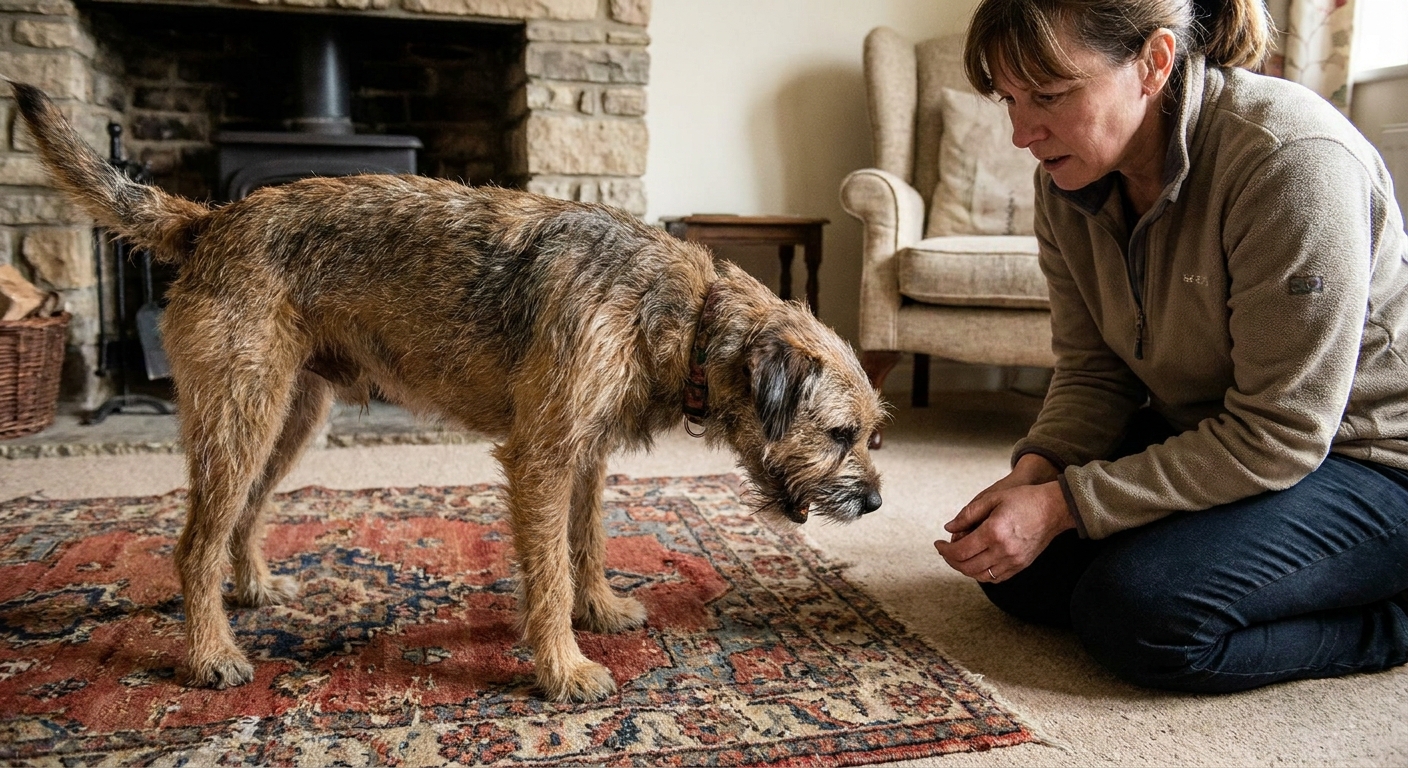
Not all coughs are created equal. The sound, timing, and your dog’s age and breed can give useful clues. A few descriptions pet parents commonly use include:
- Dry, harsh cough: often described as “hacking.”
- Honking cough: classic for small breeds with airway issues like a collapsing trachea.
- Wet, productive cough: may sound “phlegmy,” like mucus or fluid is moving.
- Coughing fits: repeated coughing that ends in retching or gagging.
- Cough at night or when lying down: can point toward heart or airway disease.
- Cough triggered by excitement or pulling on the leash: often airway irritation or tracheal sensitivity.
If you can safely record a short video of an episode, do it. In clinic, a 10-second clip often saved a lot of guesswork.
Common causes of coughing in dogs
Coughing is a symptom, not a diagnosis. These are some of the most frequent reasons I saw dogs cough in practice.
Kennel cough and other infections
“Kennel cough” is a casual term people use for the contagious respiratory illness often called the infectious tracheobronchitis complex. The most well-known culprit is Bordetella bronchiseptica, but viruses and other bacteria can be involved too.
- Typical cough: dry, hacking cough that can end with gagging or retching.
- Other signs: sneezing, runny nose, mild fever, low energy.
- Common story: symptoms start a few days after boarding, grooming, daycare, training class, dog park, or a visit with a coughing dog.
Many cases are mild, but some dogs need medication and monitoring, especially puppies, seniors, and dogs with other health conditions. If you have not reviewed vaccines like Bordetella and canine influenza with your vet lately, a new cough is a good reason to check in. Vaccines do not prevent every cough, but they can reduce risk and severity.
Collapsing trachea
Collapsing trachea happens when the cartilage rings supporting the windpipe weaken, making the airway narrower. It is especially common in small breeds (think Yorkies, Pomeranians, Chihuahuas, and similar mixes), but any dog can be affected.
- Typical cough: loud “goose honk” cough.
- Triggers: excitement, heat, exercise, pressure from a collar, pulling on leash.
- Other signs: noisy breathing, gagging, trouble catching their breath during episodes.
If this sounds like your dog, switch to a well-fitted harness and call your vet. There are management options that can make a huge difference.
Heart disease and fluid buildup
Coughing can sometimes be linked to heart disease, especially in older dogs. A cough may occur because an enlarged heart presses on the airways or because fluid builds up in the lungs (pulmonary edema) or around the lungs (pleural effusion).
One nuance I always like to share: in many dogs with congestive heart failure, an increased resting breathing rate or breathing effort is often a bigger red flag than cough alone.
- Typical cough: may be worse at night, when resting, or after mild activity.
- Other signs: reduced stamina, faster breathing at rest, fainting or collapse, belly distension, pale or bluish gums.
This is one of the big reasons I take “new cough in a senior dog” seriously. The sooner it is evaluated, the more options you may have.
Throat irritation, allergies, or triggers
Dogs can cough when their throat or airways are irritated by things like smoke, strong fragrances, dusty litter or bedding, wildfire haze, dry air, diffusers, or even vigorous barking.
- Typical cough: intermittent, mild, often paired with repeated small coughs or “harrumph” huffs.
- Other signs: watery eyes, sneezing, licking lips, mild hoarseness.
Even if you suspect irritation, it is still worth a vet call if the cough persists more than a day or two, increases in frequency, or your dog seems tired or uncomfortable.
Something lodged in the airway
Dogs explore with their mouths. Sticks, foxtails, grass awns, small toy pieces, and even a chunk of treat can irritate or partially obstruct the airway.
- Typical cough: sudden onset, intense coughing or gagging fits.
- Other signs: pawing at the mouth, drooling, distress, noisy breathing, refusing food, panic.
A true airway obstruction can become an emergency quickly. If your dog is struggling to breathe, treat it as urgent.
Aspiration and aspiration pneumonia
If coughing starts after vomiting, regurgitation, anesthesia, heavy sedation, or a choking episode, your vet may worry about aspiration. That means material got into the airway and irritated the lungs, and in some cases it can lead to aspiration pneumonia.
- Clues: cough that begins within hours to a day after the event, lethargy, feverish behavior, reduced appetite, faster or more effortful breathing.
This is a same-day call in my book, especially for brachycephalic (flat-faced) breeds and older dogs.
Chronic bronchitis or lower airway inflammation
Some dogs develop long-term inflammation in the lower airways. This can cause a persistent cough that lasts weeks to months.
- Typical cough: frequent dry cough, often worse with activity or excitement.
- Other signs: wheezing, exercise intolerance.
Diagnosis typically requires an exam and often chest X-rays. The good news is that many dogs respond well to treatment once the cause is identified.
Flat-faced breed airway issues
In brachycephalic breeds (Bulldogs, Pugs, Boston Terriers, French Bulldogs, and similar mixes), coughing, gagging, and noisy breathing can be tied to brachycephalic obstructive airway syndrome. These dogs often work harder to breathe, especially in heat, during exercise, or when excited.
If your flat-faced dog has coughing plus snoring, stertor (snorty breathing), or exercise intolerance, ask your vet about an airway evaluation. Early help can make a real difference.
Parasites that affect the lungs
In certain areas, parasites can contribute to coughing. Two examples your vet may consider are heartworm and lungworms (risk varies by region, travel history, and wildlife exposure).
If your dog’s cough is persistent and unexplained, your clinic may recommend bringing a fresh stool sample. Stool testing can be helpful in some cases, but it is not a perfect catch-all for every parasite, so your vet may pair it with other tests depending on your dog’s risk factors.
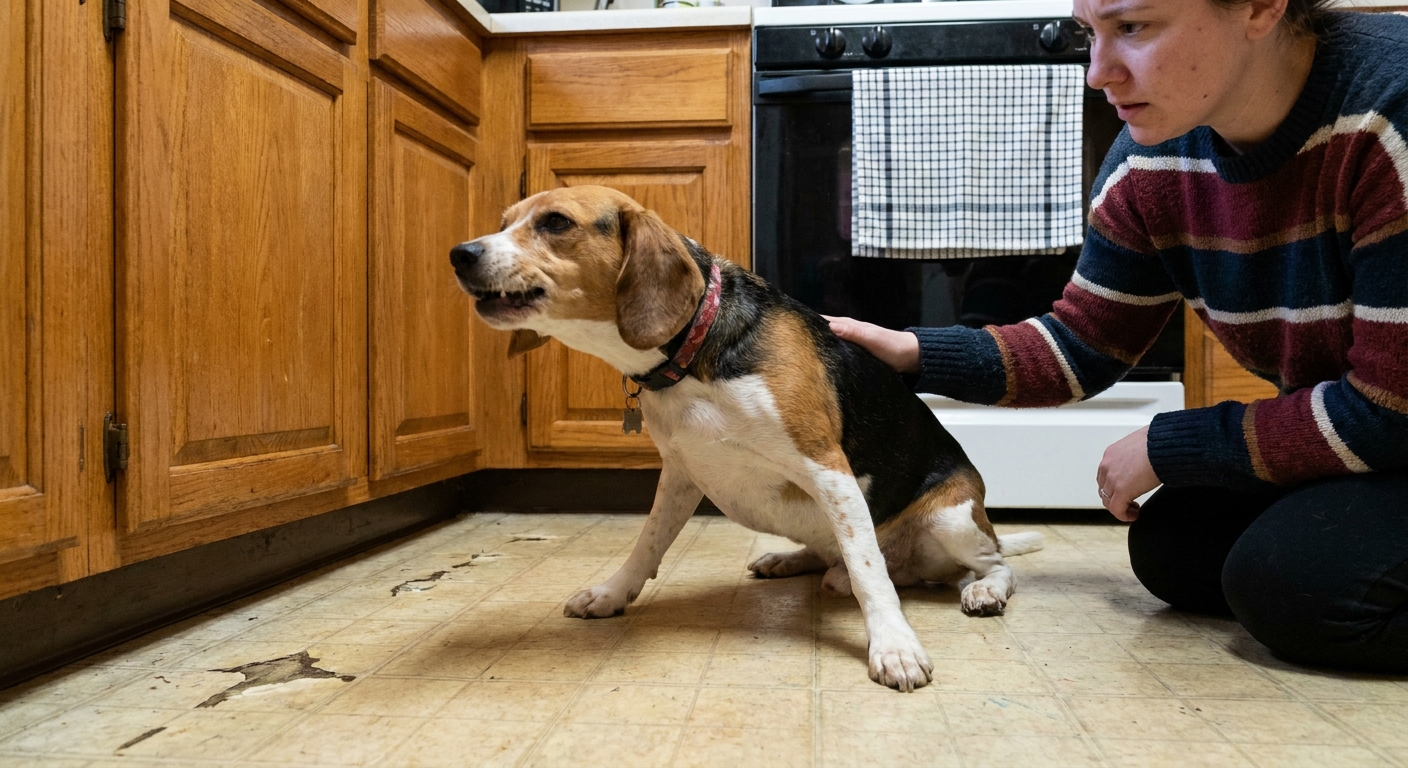
Coughing vs reverse sneezing vs gagging vs vomiting
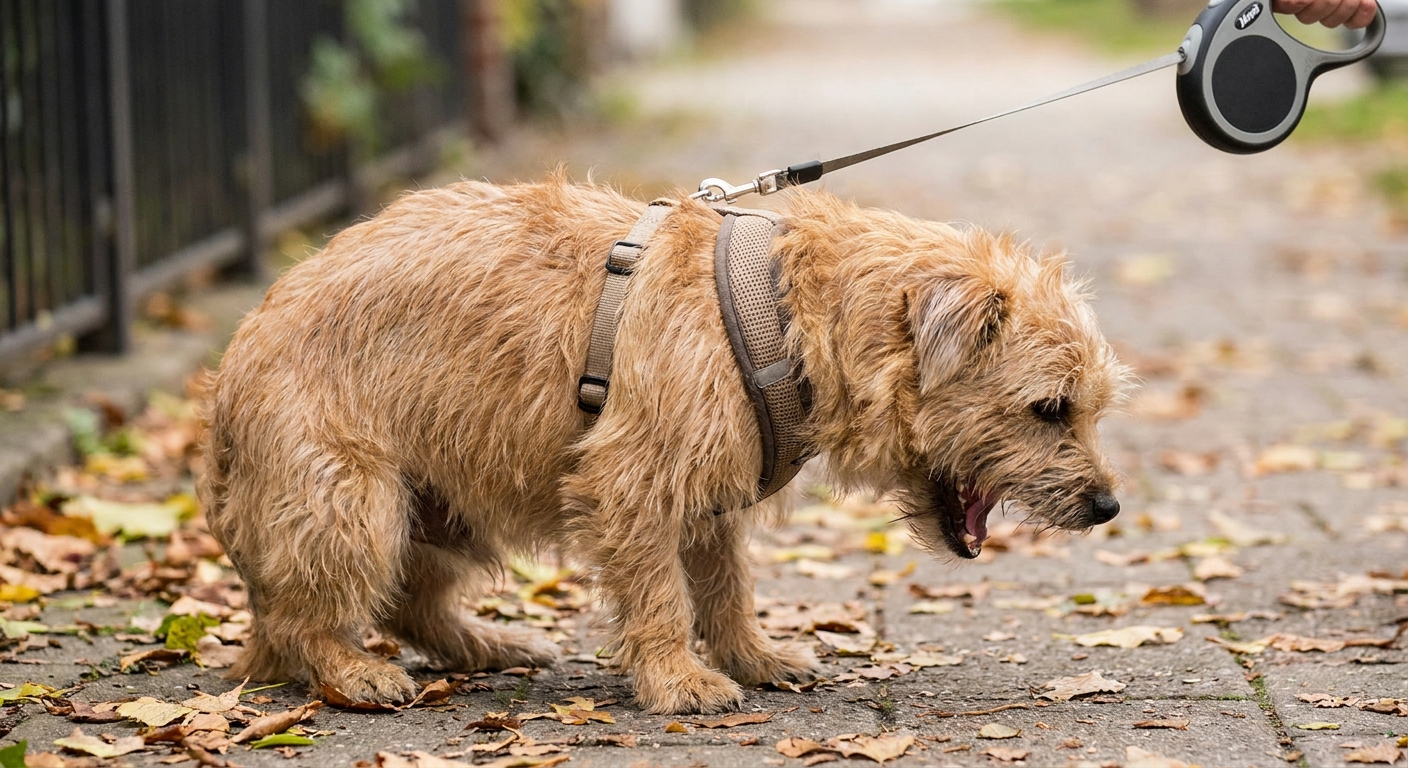
These can look similar in the moment, especially at 2 a.m. when you are half awake and panicking. Here are some practical ways to tell them apart.
What a cough often looks like
- Often happens on the exhale.
- Sounds like “hack hack,” “huh-huh,” or a honk.
- May end with a gag or retch.
- Many dogs extend their neck and brace their front legs.
What reverse sneezing often looks like
Reverse sneezing is a rapid series of loud snorts that can sound scary but is often benign. Dogs typically:
- Make repeated snorting or gasping sounds.
- Seem to struggle briefly on the inhale.
- Hold their neck extended with elbows out.
- Recover quickly and act normal right afterward.
Reverse sneezing can be triggered by excitement, pulling on leash, throat irritation, or post-nasal drip. If episodes are frequent, prolonged, or paired with lethargy or nasal discharge, check in with your vet.
What gagging can look like
Gagging is more of a throat reflex than a true cough. It can happen with kennel cough, nausea, something stuck in the throat, or esophageal problems.
- Looks like retching without producing vomit.
- Often includes swallowing motions or lip licking.
What vomiting can look like
- Usually involves abdominal heaving and nausea signs first.
- Food, foam, bile, or fluid is brought up from the stomach.
What regurgitation can look like
Regurgitation is not vomiting. It is often more passive, with little to no abdominal effort, and the material may come up in a tube-like shape from the esophagus. If coughing and gagging are happening around meals, drinking water, or shortly after eating, mention that to your vet.
If you are unsure, a short video for your vet is incredibly helpful. I cannot count how many times a “coughing” video turned out to be reverse sneezing, or vice versa.
When to call the vet the same day
If your dog is coughing but otherwise bright, eating, and breathing comfortably, you may be able to call during normal hours and schedule a visit. But certain signs should move you into same-day territory.
Call a vet or emergency clinic now if you notice:
- Blue, gray, or very pale gums
- Labored breathing, open-mouth breathing at rest, or pronounced belly effort to breathe
- Resting breathing rate consistently above about 30 to 35 breaths per minute (count when asleep or truly resting, and keep in mind stress can raise it)
- Coughing up blood or pink, frothy fluid
- Collapse, weakness, or fainting
- Sudden coughing with distress, especially after chewing a toy, stick, or treat
- A persistent cough in a puppy or senior dog that continues overnight
- A cough plus refusal to eat, marked lethargy, or feverish behavior
- A coughing dog with known heart disease, tracheal collapse, or respiratory disease
- Coughing that starts after vomiting, regurgitation, or anesthesia
If your dog cannot settle, cannot get comfortable, or looks frightened during breathing, trust your instincts and seek urgent care.
What you can do at home
For a stable dog with mild coughing and no red flags, these steps can help reduce irritation and keep your vet visit more productive.
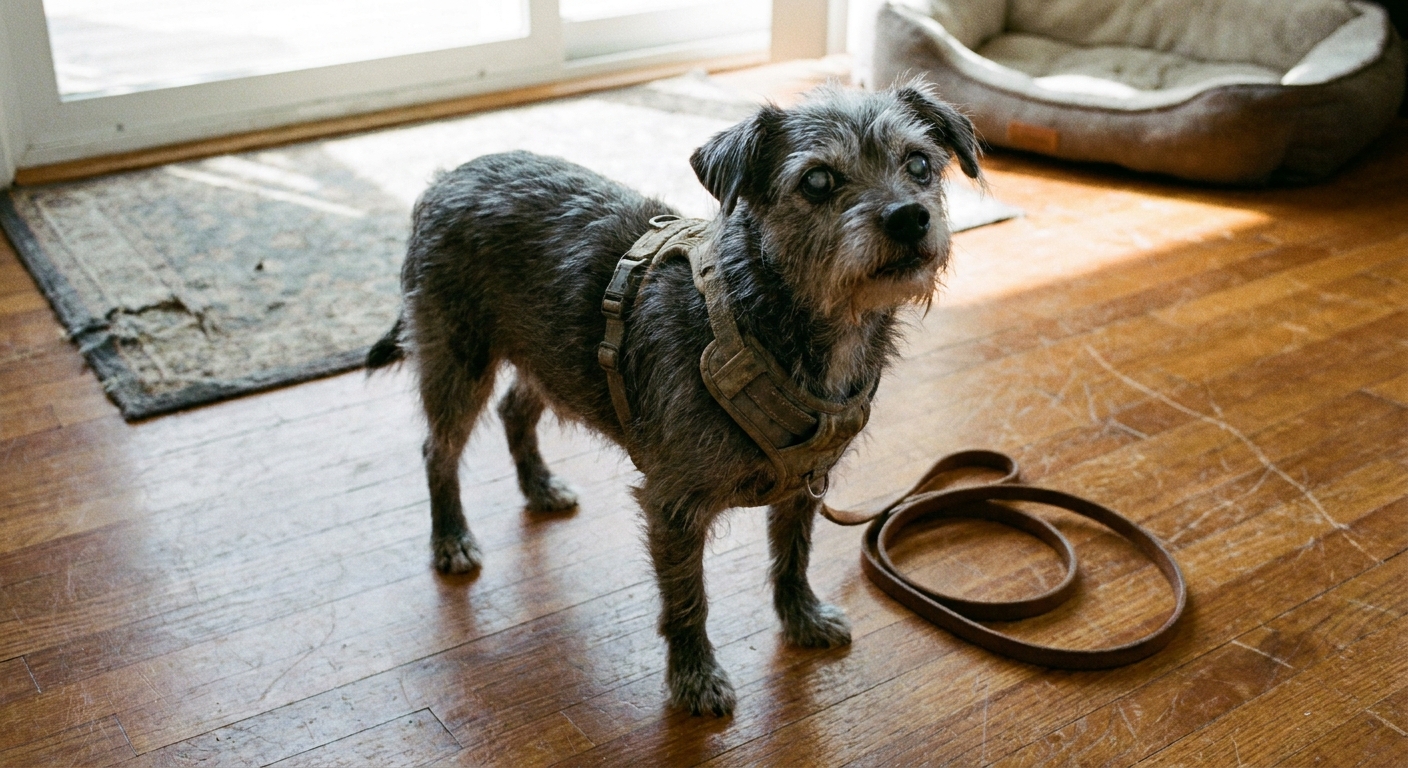
- Switch from collar to harness to reduce pressure on the throat.
- Keep activity calm and avoid intense exercise until evaluated.
- Avoid airway irritants like smoke, aerosols, heavy perfumes, dusty environments, and wildfire haze.
- Use humidity if the air is dry, such as a cool-mist humidifier in the room where your dog sleeps.
- Separate from other dogs if there is any chance the cough is contagious.
- Track patterns like time of day, triggers (exercise, excitement, drinking water), and whether the cough sounds wet or dry.
- Count resting breaths once or twice a day if you are concerned, and write it down.
Avoid giving human cough medicines unless your veterinarian specifically instructs you to. Many ingredients are unsafe for dogs, and even “dog-safe” meds can be risky if we do not know the underlying cause.
What your vet may check
At an appointment, your veterinarian will usually start with an exam and targeted questions, then recommend diagnostics depending on what they hear and see.
- Listening to the heart and lungs and checking gum color and breathing rate
- Temperature and hydration status
- Chest X-rays to look at heart size, lungs, and airway patterns
- Respiratory testing if infection is suspected
- Heartworm testing if appropriate for your region and your dog’s prevention history
- Echocardiogram or cardiology referral if heart disease is suspected
Try to bring details like when the cough started, whether it is getting worse, any recent boarding or grooming, any vomiting or regurgitation, and a list of medications and preventives your dog currently takes.
Quick FAQ
Why is my dog coughing and gagging?
Coughing that ends in gagging or retching is common with kennel cough and other airway irritation. It can also happen with tracheal collapse or when something is stuck. If the cough is frequent, your dog seems tired, or there is any breathing effort, call your vet the same day.
Why is my dog coughing at night?
Nighttime coughing can be seen with airway disease, irritation from dry air, or heart-related issues. If your dog is older, the cough is new, or it is disrupting sleep, schedule an exam soon. If your dog is breathing fast at rest, seems distressed, or has pale or blue gums, seek urgent care.
My dog only coughs when excited or pulling on leash. Is that serious?
It can be. That pattern often points toward a sensitive airway or collapsing trachea, especially in small breeds. Switch to a harness and talk with your vet. Managing it early can help prevent worsening episodes.
Is reverse sneezing dangerous?
Reverse sneezing looks dramatic but is often harmless and short-lived. If episodes are frequent, prolonged, or paired with nasal discharge, lethargy, or a persistent cough, it deserves a vet check to rule out infection, allergies, or airway irritation.
A final reassurance
Most pet parents I met in clinic were not “panicking over nothing.” They were noticing a change in their dog and trying to do the right thing. A cough is worth listening to, especially if it is new, getting worse, or paired with any breathing changes. When in doubt, call your veterinarian and describe exactly what you are seeing. You do not need the perfect terminology. You just need to advocate for your dog.