
A step-by-step guide to assembling a DIY pet first aid kit, including what to pack for dogs, cats, and small animals, plus safety tips, common scenarios, and...
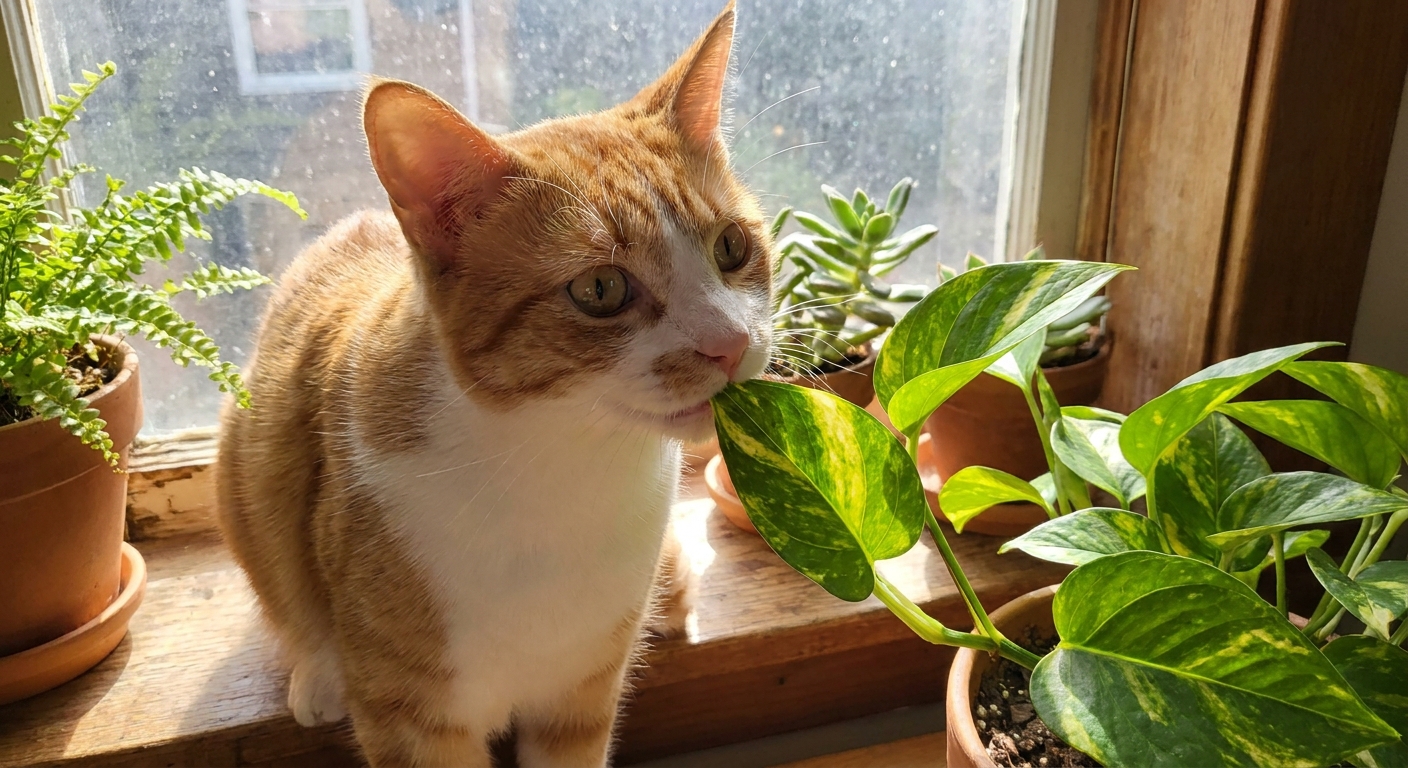
I have lost count of how many times I heard some version of this in the clinic: “She only took one bite,” or “It was just a little pollen,” or “I turned my back for a second.” If you are reading this with a chewed leaf on the floor and a guilty-looking pet nearby, take a breath. This happens to careful, loving pet parents all the time.
The goal is simple: identify the plant, watch for the right symptoms, and get expert help quickly. Some plants cause mild mouth irritation. Others, like true lilies and daylilies for cats, and sago palm for both cats and dogs, can be life-threatening.
First hour: what to do right now
If you suspect your cat or dog chewed a plant, or your cat was exposed to lily pollen, these steps can make a real difference.
1) Remove plant material from the mouth
- Gently take any plant pieces out of your pet’s mouth if you can do so safely.
- Wipe the lips and tongue with a damp cloth to remove residue.
- If your pet will tolerate it, let them lap a little water or allow a small, gentle mouth rinse. Do not force water into the mouth or down the throat.
2) Prevent more exposure
- Move your pet away from the plant and any fallen leaves or petals.
- Pick up debris so no other pets can sample it.
- If the plant is a true lily or daylily and you have a cat, treat it as urgent even if you did not see chewing.
3) Identify the plant
- Write down the plant name if you know it.
- Take clear photos of the whole plant, leaves, and any flowers.
- If it is a bouquet, note any tag info or the florist’s list of flowers.
4) Call for expert guidance
Contact your veterinarian, an emergency vet, or a pet poison hotline right away. Be ready to share your pet’s approximate weight, what part of the plant was involved, how much might be missing, and when it happened. If you are headed to the clinic, bring photos, and if it is safe to do so, bring the plant or a small clipping in a sealed bag for ID.
What not to do
- Do not induce vomiting unless a veterinarian or poison professional tells you to. It can be dangerous with certain toxins and in certain pets.
- Do not give milk, oil, salt, or “home remedies.” They can worsen vomiting or cause other problems.
- Do not wait for symptoms with high-risk plants like true lilies or daylilies (cats) or sago palm (cats and dogs).
Common toxic houseplants and what they do
Toxicity depends on the plant species, the part eaten, and the pet. Cats also tend to be more sensitive to some toxins than dogs. Below are the houseplants I see most often in real life “my pet ate it” moments.
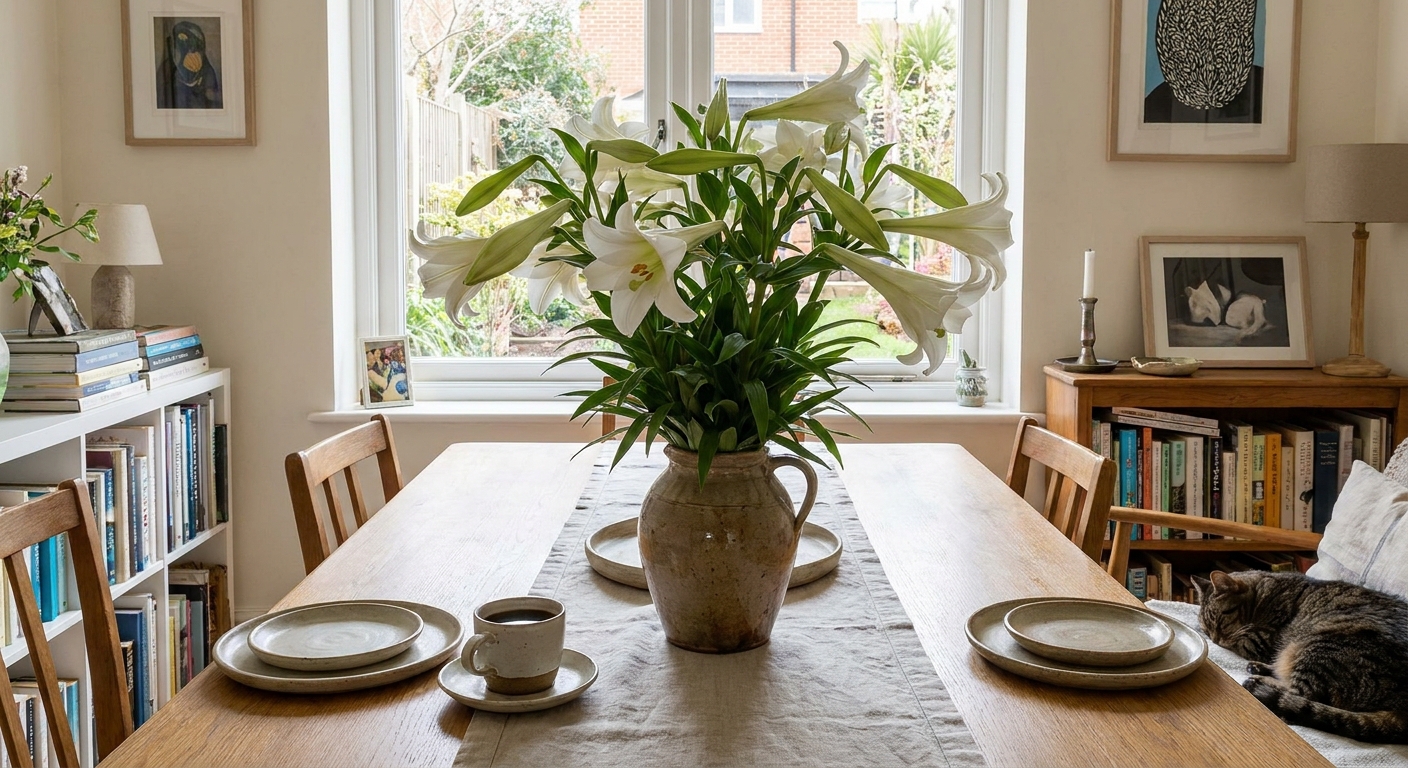
True lilies and daylilies (extremely dangerous for cats)
Who is at risk: Cats. Dogs may get mild stomach upset with many of these plants, but cats are the emergency here.
Why it matters: Many true lilies (Lilium) and daylilies (Hemerocallis) can cause sudden kidney failure in cats. What scares me most is that cats may be exposed without obvious chewing. Pollen on the fur gets licked off during grooming, and even small exposures can be serious.
Examples: Easter lily, tiger lily, stargazer lily, Asiatic lilies (Lilium), and daylilies (Hemerocallis).
Important naming note: Not every plant with “lily” in the name acts the same way. Some “lilies” are dangerous for completely different reasons (for example, lily of the valley is a heart toxin), and some common “lily” houseplants are mainly mouth irritants (such as peace lily or calla lily). If you are not sure what you have, treat it as a potential emergency and get help identifying it.
Signs in cats:
- Vomiting, drooling, reduced appetite
- Hiding, lethargy, seeming “off”
- Dehydration
- Increased thirst and urination early, then decreased urination later as kidneys fail
What to do: Treat any exposure as urgent. Call your vet or an emergency clinic immediately.
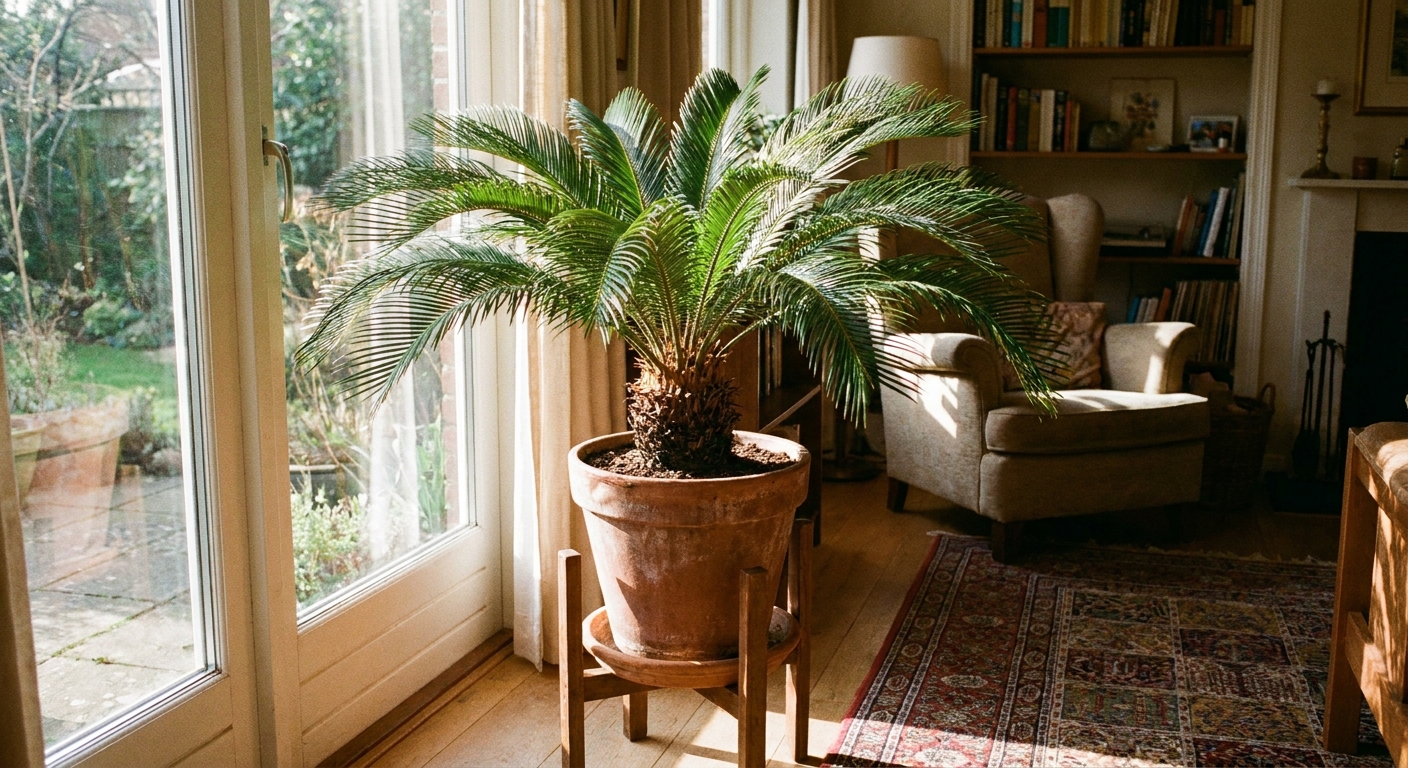
Sago palm (very dangerous for cats and dogs)
Who is at risk: Both cats and dogs.
Why it matters: Sago palm ingestion can cause severe liver injury, and the seeds or nuts are especially toxic.
Signs:
- Vomiting and diarrhea (sometimes with blood)
- Lethargy, weakness
- Yellowing of the eyes or gums (jaundice)
- Bruising or bleeding issues
- Seizures in severe cases
What to do: This is an emergency. Seek veterinary care immediately.
Pothos (devil’s ivy)
Who is at risk: Cats and dogs.
Why it matters: Pothos contains insoluble calcium oxalate crystals that cause intense mouth irritation. The good news is it is usually not life-threatening, but it can look dramatic and be quite painful.
Signs:
- Drooling, pawing at the mouth
- Oral pain, whining, reluctance to eat
- Vomiting
- Mild swelling of lips or tongue in some pets
What to do: Rinse the mouth if your pet allows it and call your vet for guidance, especially if swelling or repeated vomiting occurs.
Philodendron
Who is at risk: Cats and dogs.
Why it matters: Like pothos, many philodendrons contain calcium oxalate crystals that irritate the mouth and GI tract.
Signs:
- Drooling and mouth pain
- Vomiting
- Decreased appetite
What to do: Remove plant matter, wipe the mouth, and check in with your vet if symptoms persist or your pet seems very uncomfortable.
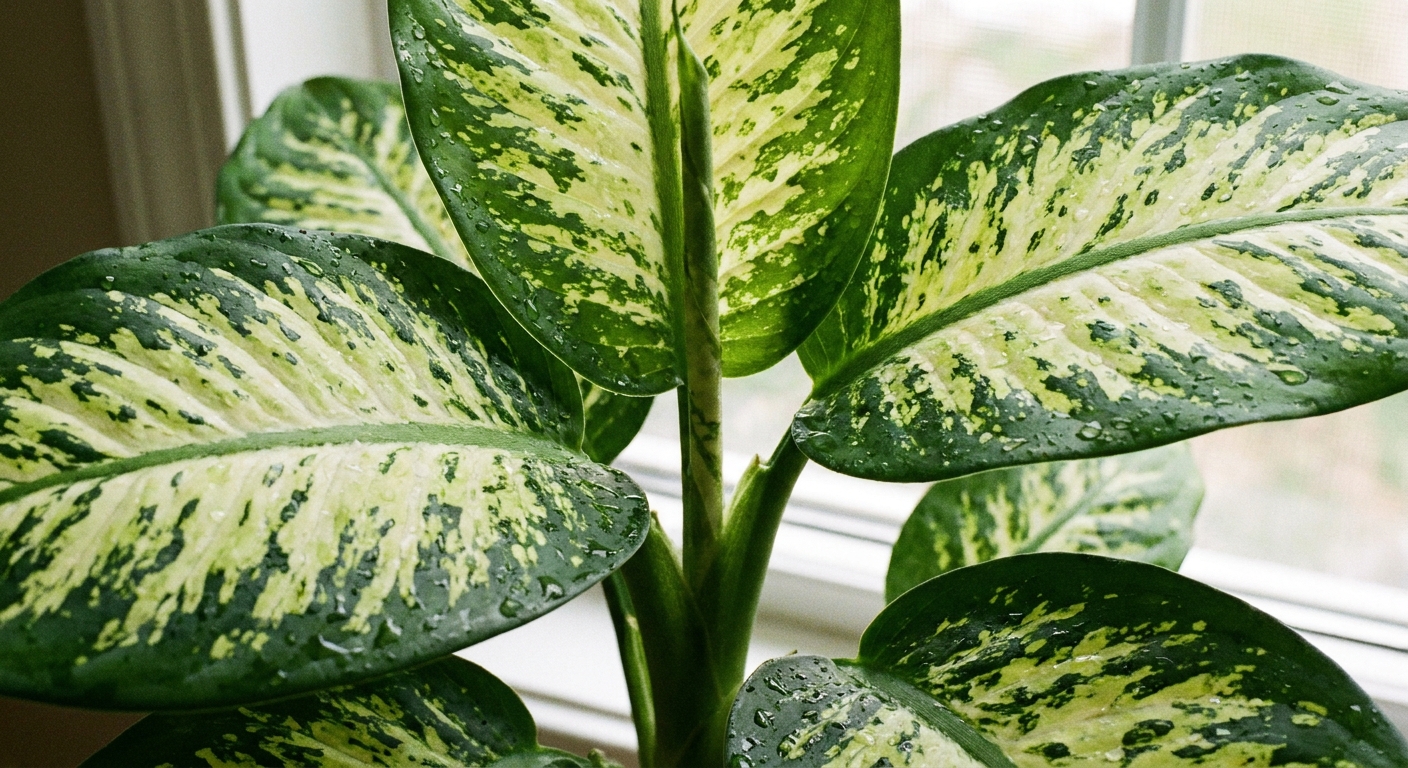
Dieffenbachia (dumb cane)
Who is at risk: Cats and dogs.
Why it matters: Another calcium oxalate plant. The burning sensation can be strong, and some pets develop more noticeable swelling.
Signs:
- Immediate drooling and pawing at the mouth
- Oral swelling, gagging
- Vomiting
- Trouble swallowing
What to do: Call your vet promptly, especially if there is swelling, gagging, or any breathing difficulty.
Tulips (especially the bulbs)
Who is at risk: Cats and dogs.
Why it matters: The highest concentration of irritants is in the bulb. Pets that dig up planted bulbs or chew stored bulbs can get a bigger dose, and those cases tend to hit harder than a quick nibble of a leaf.
Signs:
- Drooling
- Vomiting, diarrhea
- Decreased appetite
- Lethargy in more significant ingestions
What to do: Call your vet for guidance, especially if you suspect bulb ingestion or symptoms are ongoing.

Azaleas and rhododendrons
Who is at risk: Cats and dogs.
Why it matters: These plants can affect the GI tract and the heart and nervous system. Even small ingestions can be serious for some pets.
Signs:
- Drooling, vomiting, diarrhea
- Weakness, wobbliness
- Slow heart rate
- Tremors or seizures in severe cases
What to do: Seek veterinary guidance urgently, and go to emergency care if your pet is weak, collapsing, or trembling.
Symptoms to watch for after plant chewing
Some signs show up quickly, within minutes, and others take hours. If you are unsure whether the plant is toxic, these symptoms are still a good reason to call your veterinarian.
- Mouth irritation: drooling, pawing at the mouth, lip smacking, refusing food
- GI upset: vomiting, diarrhea, gagging
- Behavior changes: hiding, restlessness, unusual quietness
- Neurologic signs: tremors, wobbliness, seizures
- Breathing issues: coughing, noisy breathing, open-mouth breathing (especially in cats, or if it is new or happening at rest)
- Serious red flags: repeated vomiting, blood in vomit or stool, collapse, yellow gums or eyes, not urinating (or straining to urinate)
If you see breathing trouble, collapse, or seizures, skip the phone call step and head to an emergency veterinary hospital while someone else calls on the way.
What your vet may recommend
What happens next depends on the plant, the amount, and how quickly you got help. In the clinic, the most common recommendations include:
- Decontamination: removing plant material from the mouth, and in some cases inducing vomiting or giving activated charcoal when appropriate and directed by a professional
- Symptom control: nausea medications, GI protectants, pain relief for oral irritation
- Fluids: subcutaneous or IV fluids to support hydration and protect organs (especially with high-risk toxins)
- Bloodwork monitoring: particularly for lily exposure in cats and sago palm ingestion in dogs and cats
- Hospitalization: for observation and intensive support when needed
Safer indoor plants (still supervise)
No plant is worth a medical emergency. If you share your home with a committed leaf-nibbler, consider swapping high-risk plants for options that are generally regarded as safer around cats and dogs.
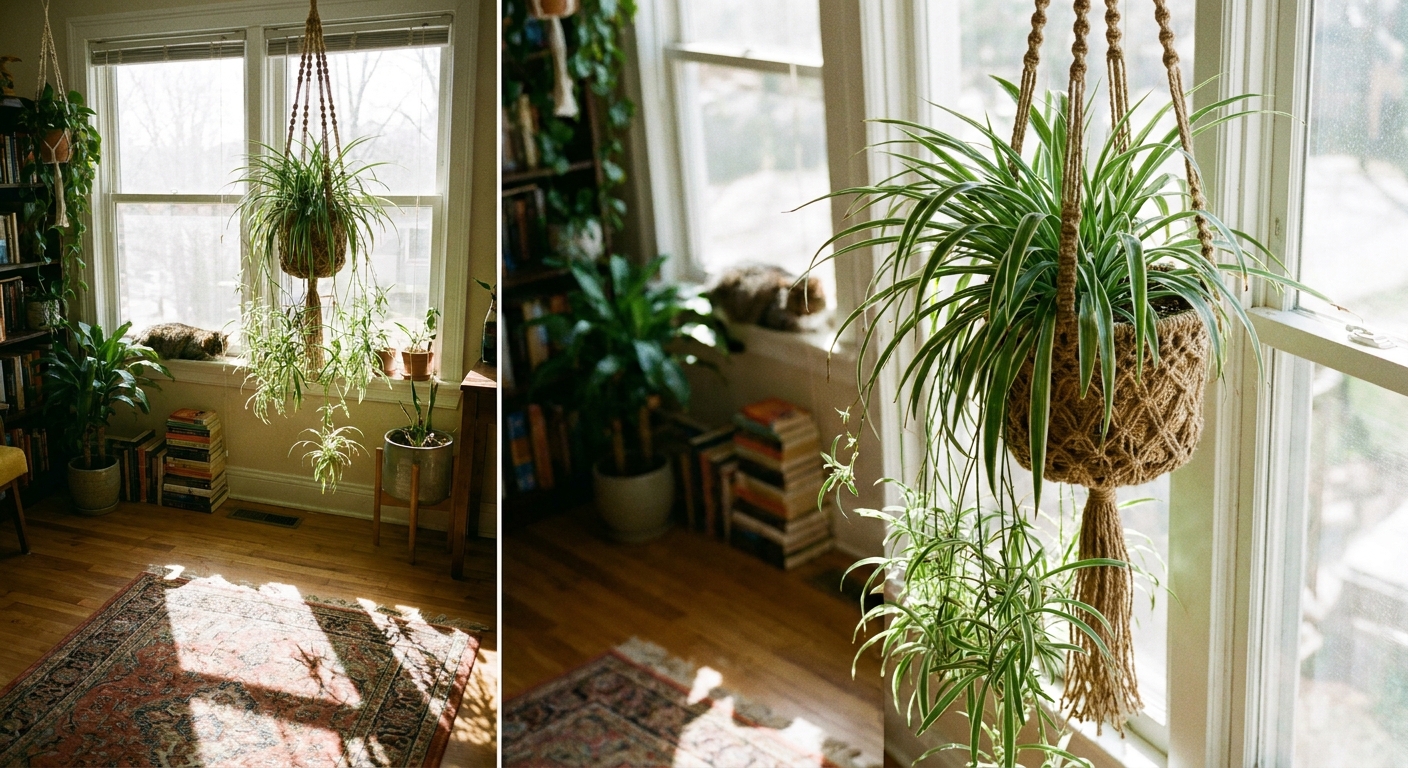
- Spider plant
- Boston fern
- Areca or butterfly palm (Dypsis lutescens), not sago palm
- Calathea (prayer plant)
- Orchids (common phalaenopsis types)
Even “pet-safer” plants can cause mild stomach upset if a pet eats enough of them, so I still recommend placing plants out of reach and offering appropriate chewing outlets and enrichment.
Prevention tips that actually work
In my house, management beats willpower every time. My cat Luna can ignore a new bed for months but somehow finds the one plant I forgot to move.
- Place tempting plants up high but remember cats climb. Use closed rooms, cabinets with grow lights, or hanging planters that are truly out of reach.
- Skip true lilies and daylilies entirely if you have cats. This includes bouquets and “just for a day” arrangements.
- Clean up fallen leaves promptly. Dried plant bits are still fair game to a bored pet.
- Give chewers an alternative like appropriate pet grass for cats and plenty of chew-safe enrichment for dogs.
- Know your plant list before buying. If the label is vague, look it up before it comes through the door.
Quick FAQ
How fast do symptoms show up?
Mouth irritation from pothos, philodendron, or dieffenbachia can start within minutes. Other toxicities may take hours. True lily and daylily exposure in cats is urgent even if your cat seems normal at first.
What if I do not know what plant it was?
Take photos of any chewed plant, fallen leaves, and the pot. If it is a bouquet, photograph the arrangement and any packaging. A clear photo can help your vet or poison professional identify likely risks.
Can lily pollen alone hurt my cat?
Yes. Cats can ingest pollen while grooming. If you find pollen on your cat’s fur and there is any chance it came from a true lily or daylily, call your vet immediately.
My pet seems fine. Should I still call?
If the plant is high risk (true lilies or daylilies for cats, sago palm for both) or you are unsure what was eaten, call. Early guidance is often the difference between a quick outpatient visit and a serious hospitalization.