Keep pets safe with this clear list of dangerous foods, common toxicity symptoms, and step-by-step actions if your dog or cat gets into something they should...
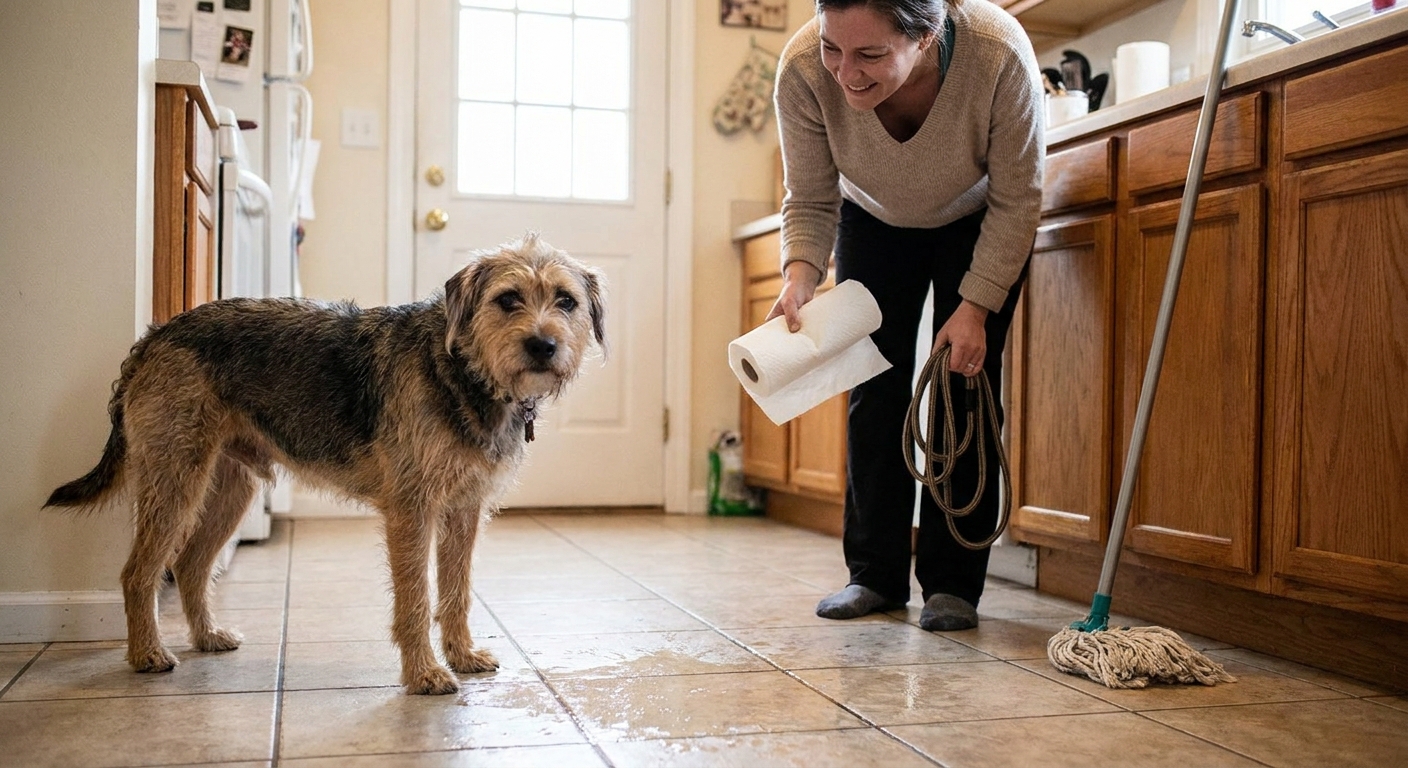
The phrase I heard most often at the clinic was: “My dog has diarrhea and I feel awful. What did I do wrong?” If that’s you right now, take a breath. Diarrhea is incredibly common, and it can show up even when you’re doing everything “right.”
Your job right now is simple: (1) quickly check for danger signs, (2) gather a few details that help your vet, and (3) support your dog safely if it’s a mild, short episode.
First, decide if this is an emergency
Some diarrhea can be monitored at home for a short time. Some need a same-day veterinary visit. If any of the red flags below are present, call your vet or an urgent care clinic now.
Same-day vet visit red flags
- Blood in the stool (bright red streaks or black, tarry stool)
- Repeated vomiting, especially alongside diarrhea
- Signs of dehydration (see the quick checks below)
- Marked lethargy, weakness, collapse, or pale gums
- Severe abdominal pain (tense belly, hunched posture, crying, guarding)
- Very frequent watery diarrhea (cannot make it outside, happening hourly, or very high volume)
- Puppies, especially under 6 months, or any senior dog
- Small dogs may dehydrate faster and may need earlier help
- Known toxin risk (rodent bait, grapes/raisins, xylitol, medications, marijuana products, compost, etc.)
- History of conditions like Addison’s disease, kidney disease, diabetes, pancreatitis, or immune-suppressing medications
If your dog is acting normal, drinking, and the diarrhea is mild and recent, you can move on to the six checks below while you monitor closely.
6 things to check before the vet visit
These are the most common patterns I saw in practice when a dog suddenly developed loose stool. You do not need to diagnose the exact cause at home. You are looking for clues that change what you do next.
1) Did they eat something they should not have?
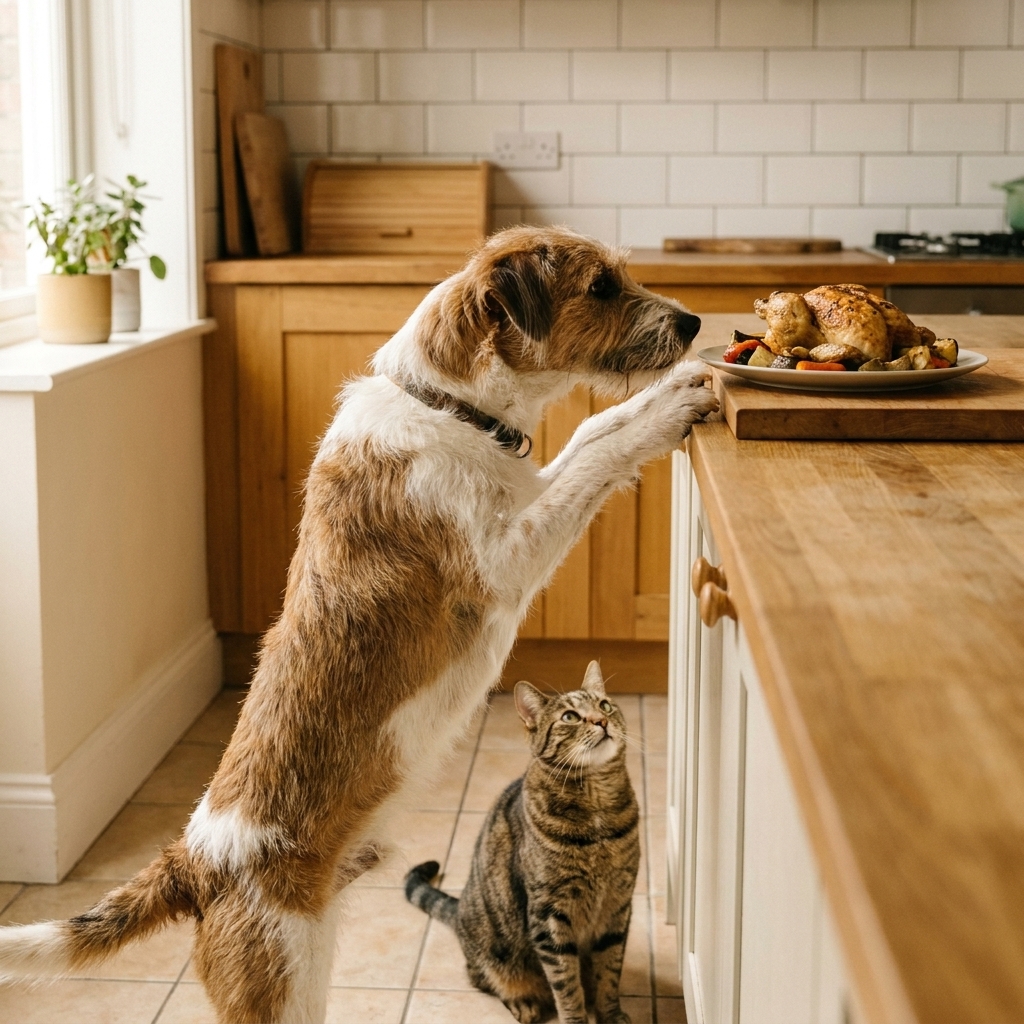
“Dietary indiscretion” is the polite term for what I call the counter-surfing gremlin phase. A stolen snack, trash raid, dropped greasy food, cat litter, compost, or a new chew can irritate the gut and trigger diarrhea.
- Check the scene: tipped trash cans, missing leftovers, chewed packaging, new treats, or a recently opened bag of food.
- Check for danger foods: cooked bones, corn cobs, stringy items (rope toys, socks), and anything toxic.
Home care if mild: Offer water, keep things calm, and stick with a bland, easily digested diet for a short period if your vet agrees (details below). If you suspect a foreign body (missing sock, toy pieces) or your dog is vomiting, painful, or bloated, do not wait.
2) How watery is it, and how often is it happening?
This helps you and your vet gauge urgency. A single loose pile is different from repeated watery diarrhea that continues through the night.
- Mild: soft-serve consistency, small increase in frequency, dog otherwise bright and comfortable.
- Moderate to severe: puddles of water, large volume, accidents in the house, straining, or going every hour.
Why it matters: The more water leaving the body, the faster dehydration can set in, especially in puppies, seniors, and small dogs.
3) Quick dehydration check
Diarrhea pulls fluid and electrolytes out of your dog. Dehydration is one of the biggest reasons a “simple upset stomach” turns into a same-day vet situation.
At-home checks
- Gums: They should be slippery and moist, not tacky or dry. Very pale gums are urgent.
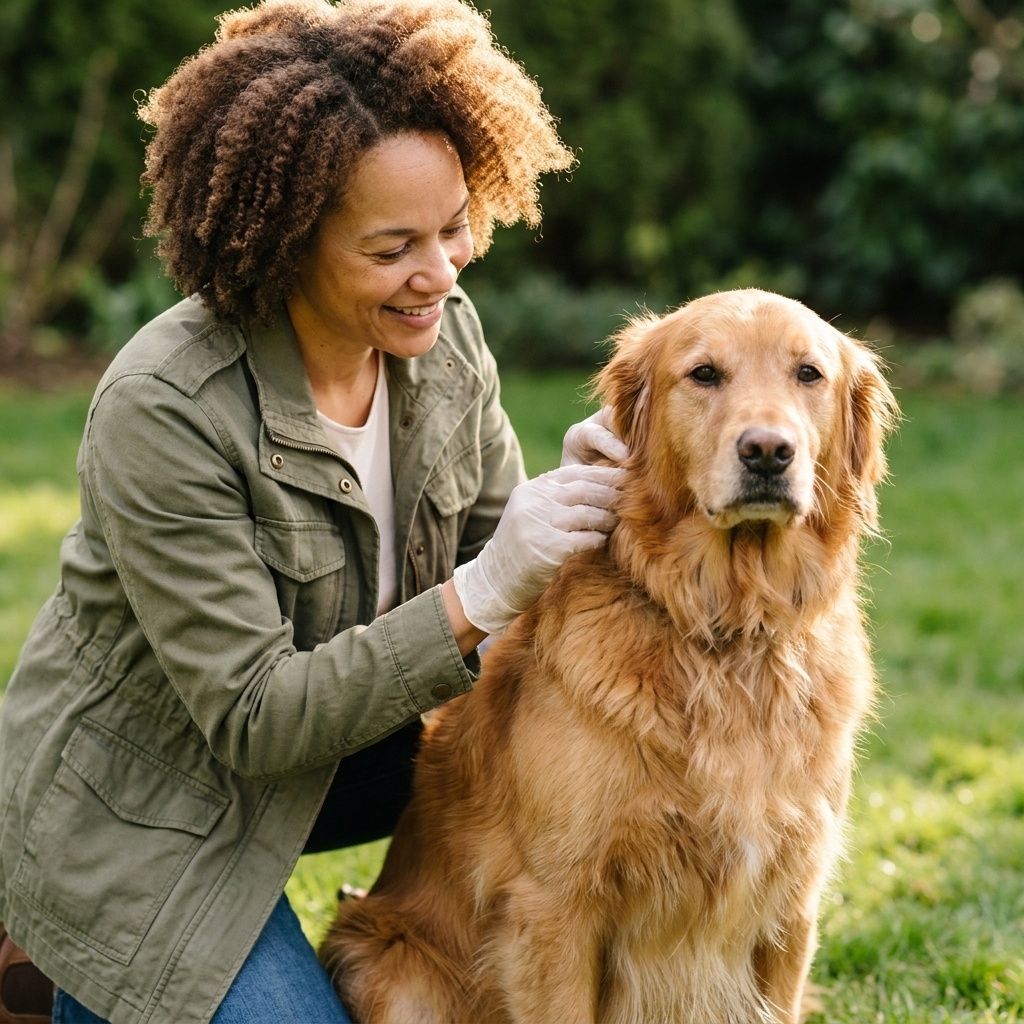
- Capillary refill time: Press a finger gently on the gum until it turns white, then release. The pink color should return quickly. If it seems delayed, or your dog’s gums look pale, call a vet.
- Skin tent: Gently lift skin over the shoulder blades and release. It should snap back quickly. This can be less reliable in seniors or overweight dogs, so do not use it as your only guide.
- Energy: A dog who is weak, wobbly, or unusually sleepy needs medical advice, even if they are still drinking.
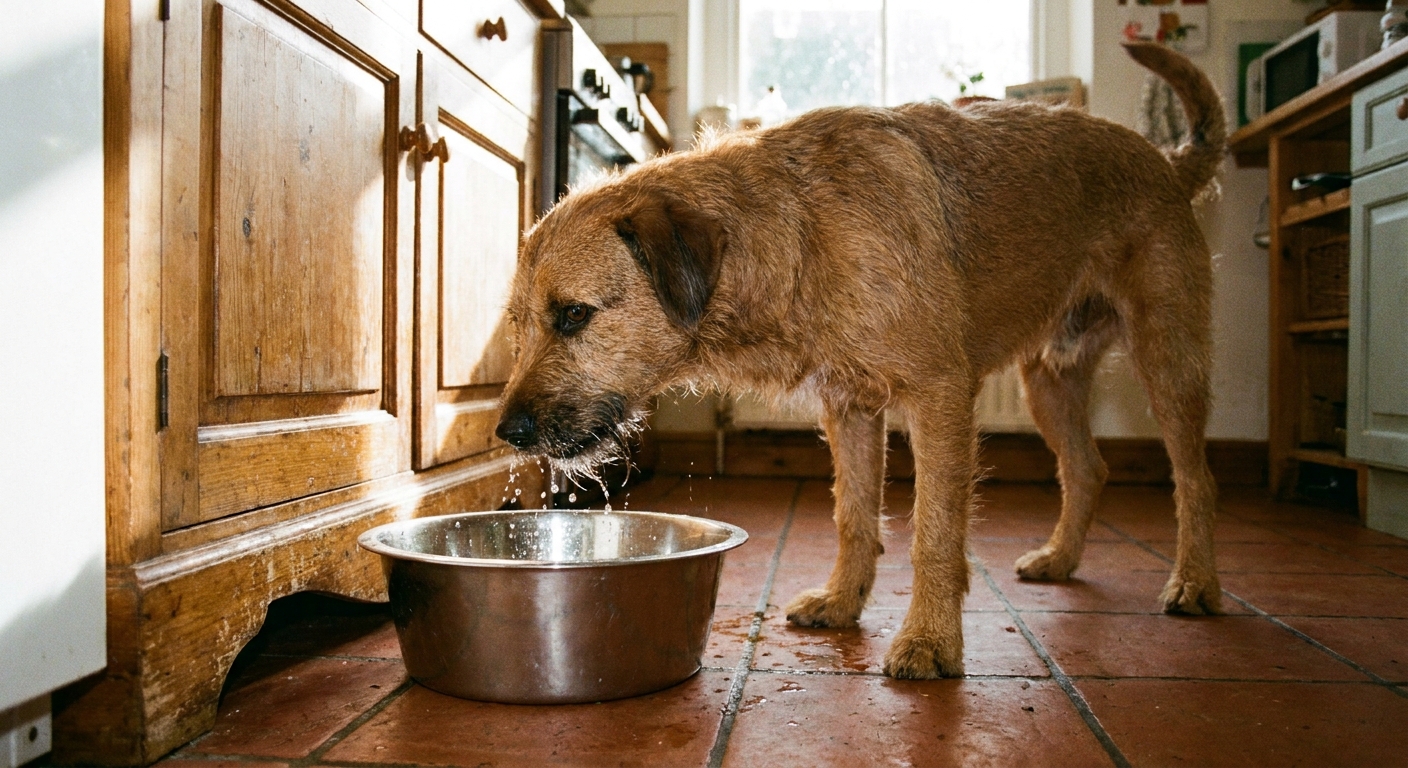
What to do: Encourage drinking. If your dog refuses water, cannot keep water down, or you’re seeing dehydration signs, call your vet the same day.
4) Any stress or sudden routine changes?
Stress diarrhea is real. Boarding, visitors, fireworks, travel, a move, a new baby, or even a change in your work schedule can speed up gut motility. The stool often looks loose or mucousy, and some dogs need to go more urgently.
- Look for timing: Did diarrhea start after a stressful event or a big change at home?
- Watch the behavior: pacing, clinginess, panting, hiding, or reduced appetite can be clues.
Home care if mild: Keep things quiet, maintain routine, and offer gentle potty breaks. If stress is the likely trigger and your dog is otherwise well, this often improves within a day or two. Persistent diarrhea still deserves a check-in with your vet.
5) Could it be parasites (even if you “never see worms”)?
Parasites are a very common cause of diarrhea, and you usually will not see them. Giardia, roundworms, hookworms, and whipworms can all cause loose stool, mucus, foul odor, and sometimes weight loss.
- Higher risk scenarios: dog parks, daycare, boarding, shared water bowls, wildlife in the yard, puppies, and newly adopted dogs.
- What to check: any “rice-like” segments around the rear (tapeworm segments), but remember that many parasites are invisible.
What to do: Call your vet and bring a fresh stool sample if you can. Do not give leftover dewormer or random parasite meds without guidance. Treatment depends on which parasite is present.
Quick contagiousness note: Some causes of diarrhea (including Giardia) can spread between dogs. Until things are back to normal, pick up stool promptly, wash your hands well, and skip dog parks, daycare, and shared water bowls.
6) Is this colitis, or could something more systemic be going on?
Not all diarrhea is the same. Two common patterns:
- Large bowel diarrhea (colitis): frequent small amounts, straining, urgency, mucus, and sometimes bright red blood.
- Small bowel diarrhea: larger volume, fewer trips, may be very watery, and may come with weight loss if ongoing.
Why you care: Colitis can happen after stress or scavenging and may resolve quickly. Still, there is overlap, and these patterns are not diagnostic. Blood, ongoing straining, or a dog who feels unwell deserves same-day guidance.
If your dog also has fever, significant lethargy, repeated vomiting, or refuses food and water, think beyond “upset stomach” and call your vet.
Safe home care for a mild, short episode
If your dog is bright, not vomiting, and the diarrhea is mild, short-term home support can be reasonable while you monitor closely. When I’m unsure, I always recommend a quick call to your vet’s office, especially for small dogs and seniors.
1) Rest the gut, but do not starve without guidance
Some vets may recommend a brief pause from food for certain healthy adult dogs, while others prefer starting small, frequent bland meals right away. Puppies and tiny dogs can get into trouble with low blood sugar, so do not fast them unless your veterinarian tells you to.
2) Offer a bland, easy-to-digest diet
Common vet-approved bland options include plain boiled chicken (no skin, no seasoning) with plain white rice. Some dogs do better with turkey or a prescription gastrointestinal diet if your vet recommends it.
- Feed small portions every 4 to 6 hours instead of one big meal.
- Skip fatty foods, rich treats, and table scraps.
3) Hydration support
Fresh water should always be available. Some dogs drink better if you add an extra water bowl, offer ice cubes, or flavor water lightly with a splash of low-sodium broth (no onion or garlic) if your vet says it’s ok.
4) Keep the poop evidence
I know. Nobody wants to save poop. But a photo (in good light) and notes on frequency and appearance can save time and money at the appointment. If you can, bring a fresh stool sample in a sealed bag.
5) Avoid over-the-counter human meds unless your vet instructs you
Some human anti-diarrheal medications can be unsafe for dogs or unsafe for your dog’s situation (especially if infection, toxins, or certain underlying diseases are involved). Call your veterinarian before giving any medication.
Also avoid common pain relievers like ibuprofen or naproxen. Do not use bismuth products unless your vet specifically tells you to.
How long is “too long”?
For a healthy adult dog with mild diarrhea and no red flags, I get more concerned if it lasts beyond 24 to 48 hours, if it worsens, or if new symptoms appear. If diarrhea keeps coming back, if you have a new puppy or newly adopted dog, or if other pets in the home develop symptoms, ask your vet about fecal testing even if things seem to improve.
What to tell your vet (it really helps)
If you do need to go in, these details make triage and treatment much smoother:
- When the diarrhea started
- How many episodes in the last 12 to 24 hours
- Consistency (soft, pudding-like, watery) and volume (small frequent vs large)
- Any blood (bright red vs black/tarry)
- Vomiting, appetite changes, drinking changes
- Recent boarding, daycare, dog park, grooming, travel, or stressful events
- Any scavenging, new chews, trash access, or possible toxin exposure
- Parasite prevention status and when the last dose was given
- Diet details from the last 48 hours (including treats)
- Any other pets in the home with similar symptoms
FAQ
Why is my dog acting normal but has diarrhea?
This is common with mild gut irritation from stress or scavenging. If your dog is bright, hydrated, and not vomiting, it may pass. Still, monitor closely and call your vet if it lasts longer than 24 to 48 hours, worsens, or keeps coming back.
What does mucus in dog poop mean?
Mucus often points to large bowel irritation (colitis). It can happen after stress, a stolen snack, or parasites. If mucus is persistent, frequent, or paired with blood, pain, or lethargy, call your vet.
Is a little blood always an emergency?
Any blood deserves a same-day call for advice. Bright red streaks can happen with colitis and straining, but it can also signal infection or more serious problems. Black, tarry stool is especially urgent.
Can dehydration happen fast?
Yes. Puppies, seniors, and small dogs can dehydrate quickly. If your dog is having repeated watery diarrhea, refusing water, has tacky gums, pale gums, or seems weak, seek care the same day.
A quick word of reassurance
I’ve cleaned up more diarrhea than I can count, including from my own pets. It happens. Focus on the red flags, keep your dog comfortable and hydrated, and do not hesitate to call your veterinarian if anything feels “off.” You are not overreacting. You are being a good pet parent.