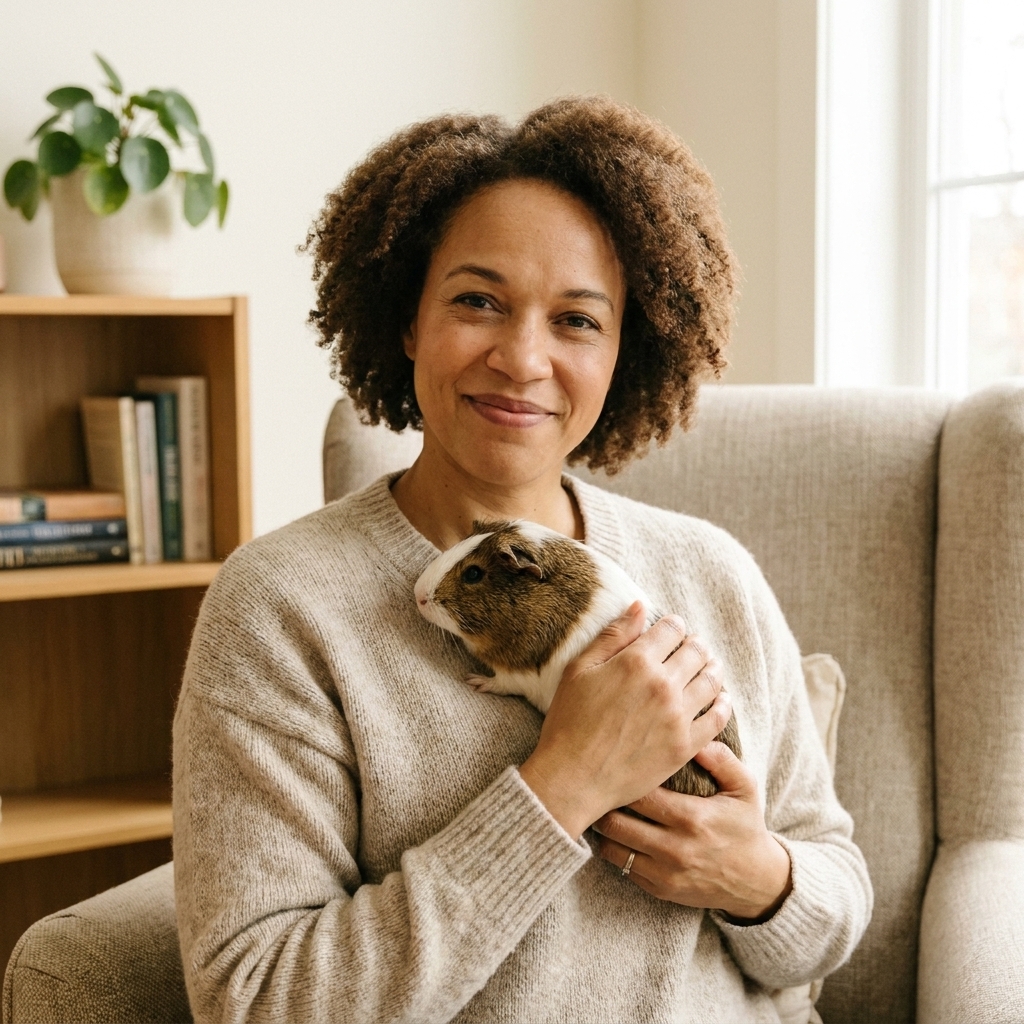
A calm, beginner-friendly plan to build trust with a new guinea pig, lower stress, and teach them that hands can be safe and predictable.
If your dog panics when you grab your keys, you are not failing them. Separation anxiety is a real, treatable behavior issue that often shows up in otherwise sweet, well-loved dogs. I saw it constantly in the clinic: distressed pet parents, a shredded door frame, a neighbor complaint, and a dog who was truly not okay being alone.
The good news is that a thoughtful plan can make a huge difference. The tricky part is that “just let them cry it out” usually backfires. Anxiety is not stubbornness. It is a nervous system response. Our goal is to teach your dog, step by step, that alone time is safe and temporary.
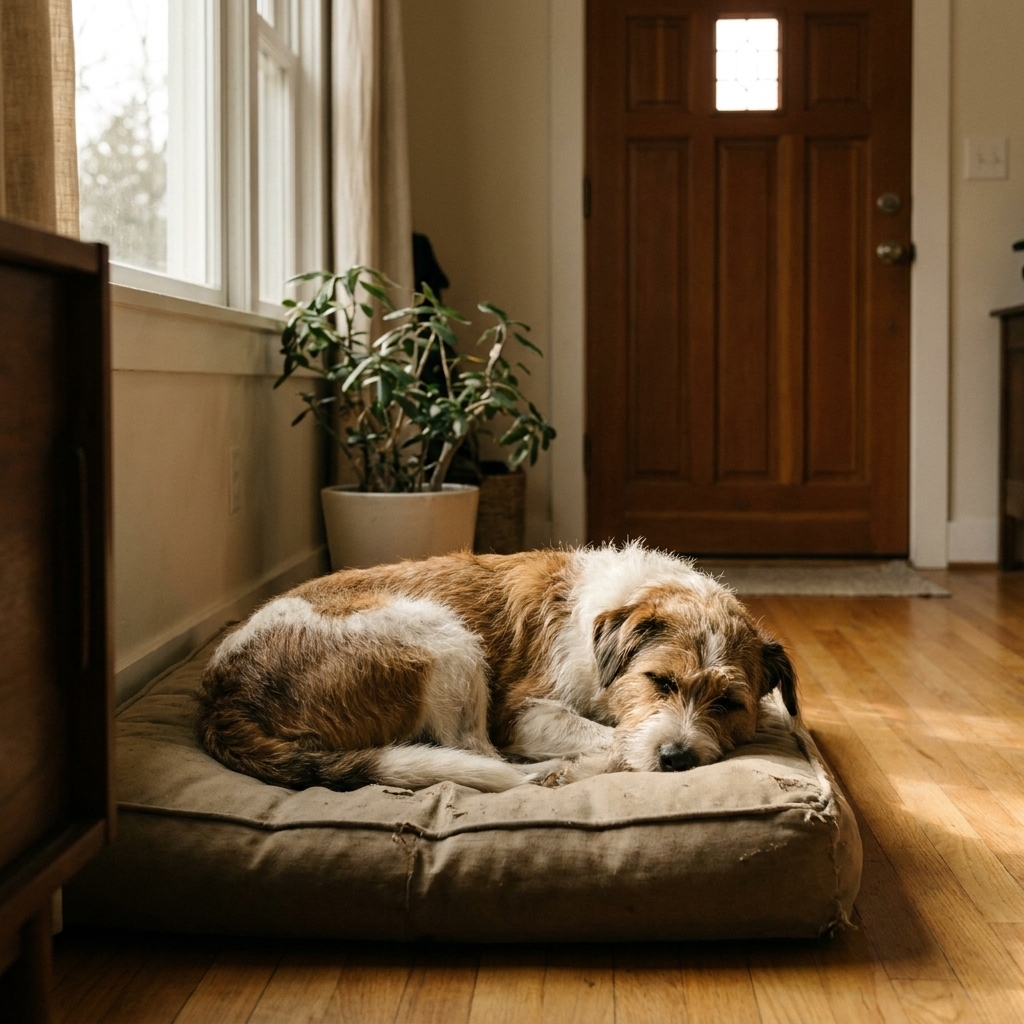
First, confirm the problem
Lots of problems happen when humans leave, but not all of them are separation anxiety. Naming what you are seeing helps you choose the safest setup and the right training plan.
Three common patterns
- Separation anxiety: distress about being away from a specific person (or people).
- Isolation distress: distress about being alone in general (some dogs do better with any human or another animal present).
- Confinement distress: panic that is strongest when confined (often shows up as crate panic, even if the dog can cope loose in a room).
The steps below can help all three, but the management piece and the “alone-time spot” matter a lot if confinement is part of the picture.
Common signs
- Distress starts quickly, often within minutes of you leaving.
- Vocalizing that sounds frantic: barking, howling, whining that escalates.
- Destructive behavior near exits: scratching doors, chewing frames, breaking blinds at windows.
- House soiling despite being reliably potty trained when you are home.
- Excessive drooling, pacing, panting, or trying to escape a crate.
- Velcro behavior when you are home: following you room to room, struggling if a door closes between you.
How to confirm
Set up a camera for a normal departure. A phone, pet cam, or laptop works. Video matters because many dogs hold it together when you are watching, and because the exact timing tells you what to train. If your dog is already upset at second 30, a 30-minute practice absence is too hard right now.
If you see self-injury (bloody gums from chewing crates, broken nails, frantic attempts to jump barriers), treat this as urgent and skip ahead to the “Get professional help” section.
Safety first: rule out triggers
Before you label it as a behavior-only problem, it is worth checking a few practical boxes.
- Medical issues: GI upset, urinary infections, pain, or cognitive changes in seniors can increase agitation or accidents. If this is new or escalating, call your vet.
- Noise triggers: Some dogs panic because of deliveries, construction sounds, storms, or neighborhood dogs while alone. Your camera may reveal this.
- Recent life changes: A move, schedule change, new baby, new pet, or the end of “someone is always home” can bring this on fast.
None of these mean you cannot train. They just affect the plan and sometimes add tools, like sound masking or medication support.
The core rule: stop panic practice
Behavior change happens faster when we stop rehearsals of the scary thing. Every full-blown episode teaches your dog that being alone is terrifying, and it can make the next one easier to trigger.
This is also where many dogs get stuck in an unhelpful cycle: long absences that force them through panic (sometimes called flooding). It is not “getting it out of their system.” For many dogs, it makes the fear deeper.
Management while you train
- Pet sitter, neighbor, or family help for longer absences.
- Dog daycare for social dogs who do well there.
- Bring your dog along when possible, even for short errands, while you are in the early training phase.
- Work-from-home structure: If you are home a lot, practice micro-absences daily so alone time is not rare and alarming.
I know this is not always convenient. Think of it as temporary scaffolding, like a brace while something heals.
Set up an alone-time spot
Your dog needs a place that feels safe, not like a trap. Some dogs relax in a crate. Others panic in one. Let your dog tell you which direction is better.
Pick the right setup
- Crate: Only if your dog is already crate-comfortable and does not try to break out when you leave.
- Exercise pen: A good middle option for dogs who want space but still need boundaries.
- Dog-proof room: Often best for dogs who feel trapped in smaller spaces.
Make it soothing
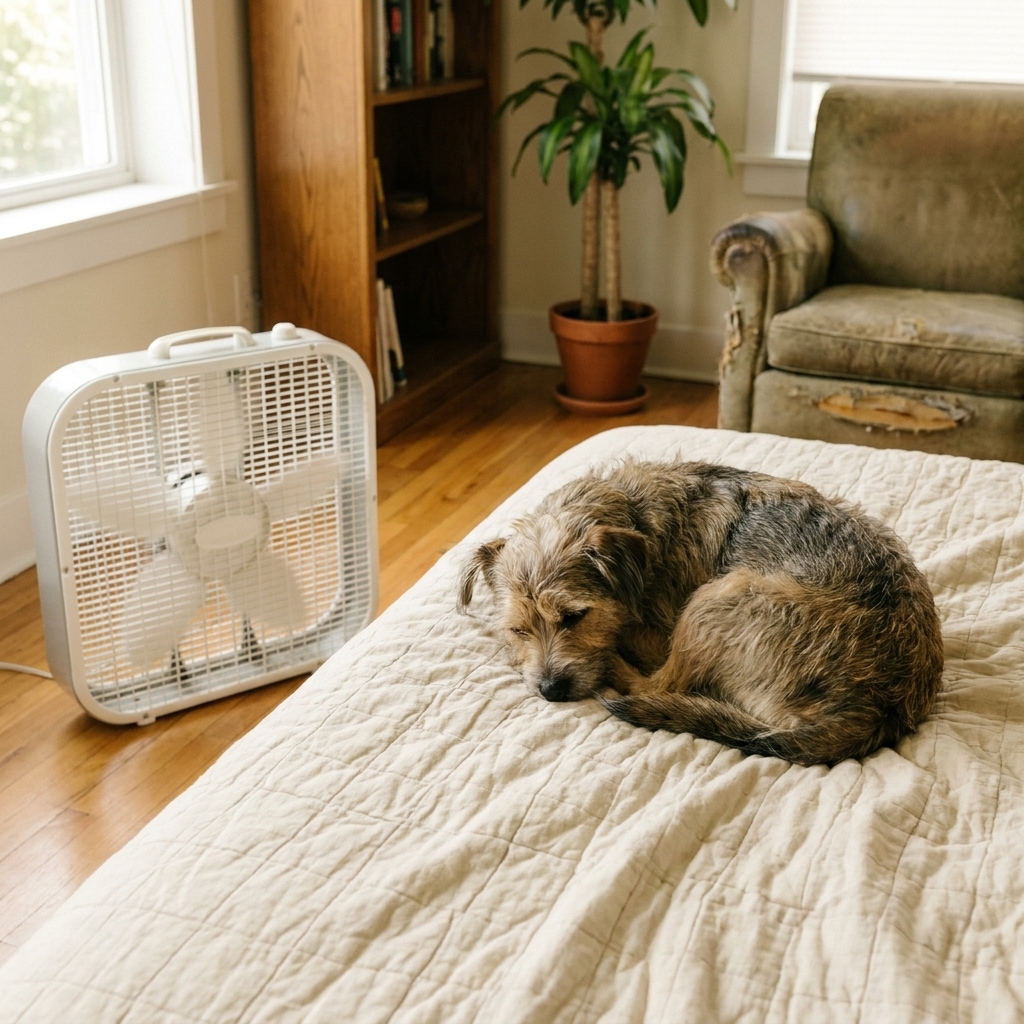
- Soft bedding (or a cool mat for dogs that run warm).
- Water bowl that will not tip easily.
- White noise or a fan to reduce outside sounds.
- Close curtains if window-watching escalates arousal.
Teach alone time step by step
This is the heart of the process: systematic desensitization paired with a calm emotional response. Start at a level where your dog stays relaxed, then increase difficulty slowly enough that they keep winning.
Step 1: Train the pre-departure cues
Many dogs start spiraling before you even reach the door. Those triggers are called pre-departure cues, and they are trainable.
Using your camera, find the point where your dog shifts from calm to concerned. That might be when you:
- Put on shoes
- Pick up keys
- Touch the doorknob
- Step outside
- Close the door
Your first training level must be below the point of stress. If your dog starts whining when you touch keys, start with keys in hand while you stay seated.
Step 2: Make absences tiny
Do 5 to 10 minutes of practice (many tiny reps), 1 to 3 times per day if possible. Keep it boring and brief. Examples of tiny pieces:
- Stand up, sit back down.
- Walk to the door, return.
- Touch the knob, return.
- Open the door one inch, close it.
- Step outside for 1 second, come back in.
Only increase one variable at a time, usually duration.
Step 3: Pair absences with something great
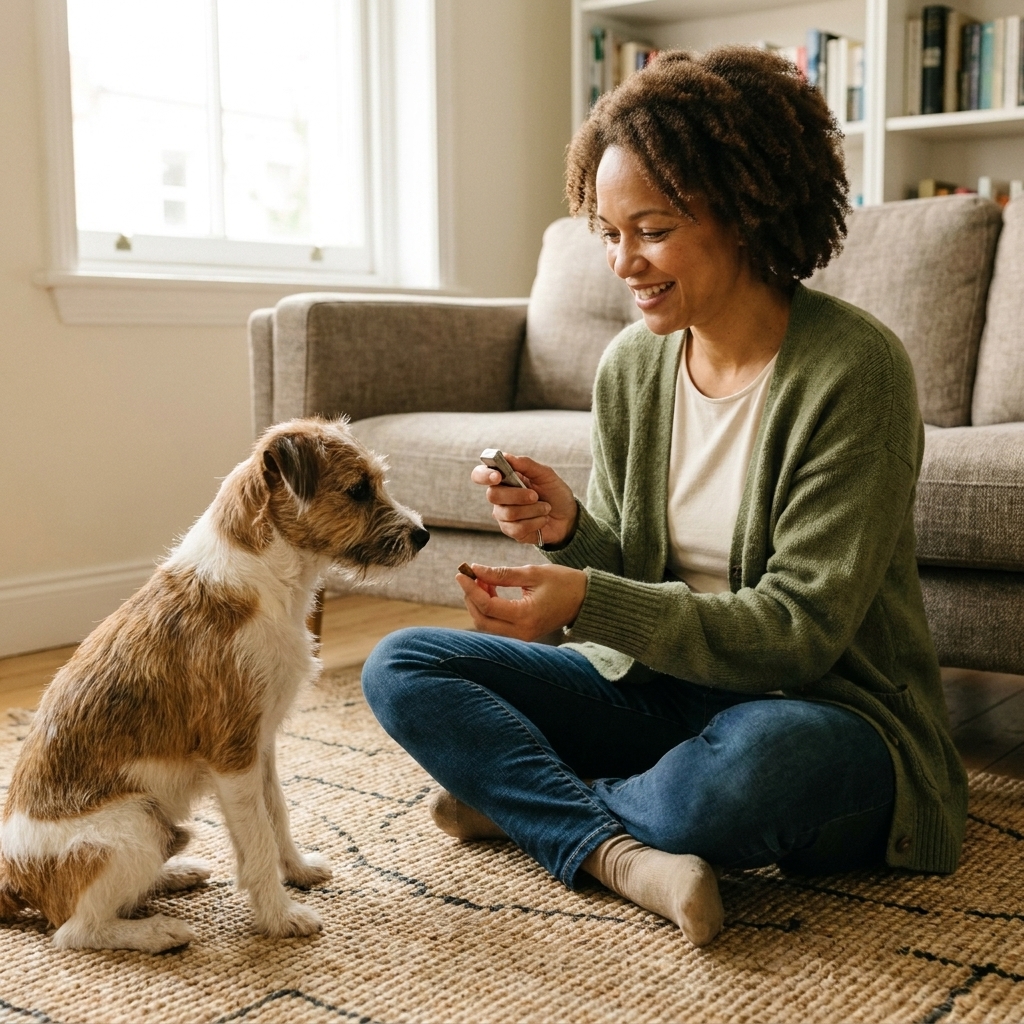
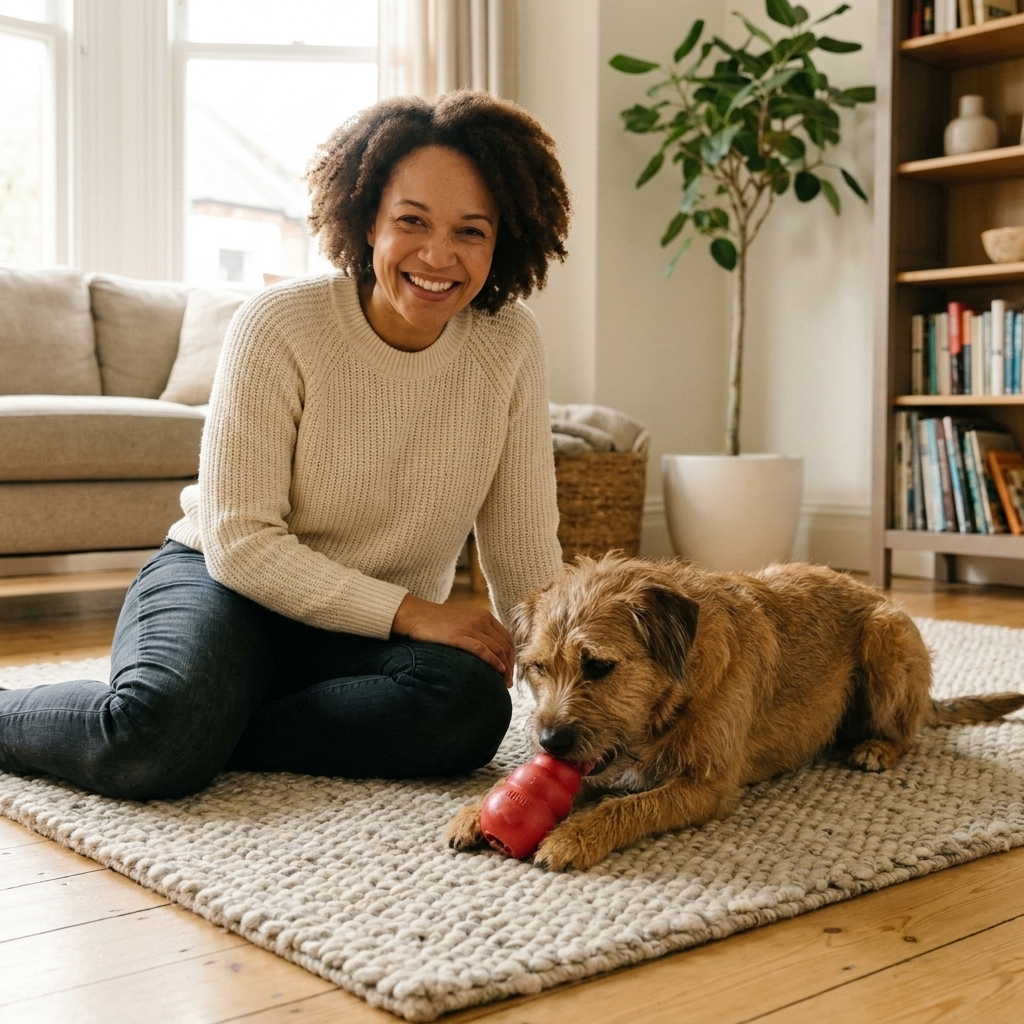
Food is not a bribe here. It is a way to change the emotional meaning of your absence. Many dogs do best with licking and chewing, which can be settling for them, but every dog is an individual.
- Stuffed, frozen food toy (use your dog’s normal diet plus a small bonus, like a spoon of plain canned pumpkin).
- Lick mat spread thinly with wet food and frozen.
- Chew chosen for your dog’s chewing style (ask your vet if you are unsure).
Give the food item right before you start the absence rep, then pick it up when you return if it is safe to do so. That helps keep the “special project” linked to alone time, not your general presence.
Important: If your dog refuses high-value food the moment you leave, that is a red flag that you are over threshold. Go back to easier steps.
Safety note: Any chew or food toy can be a choking or obstruction risk. If you have not used an item before, do a few supervised trials first, choose the right size, and skip anything your dog tends to break into chunks.
Sample progression
Every dog moves at their own pace. Some need days at one step. Others need weeks. The goal is relaxed success, not speed.
Days 1 to 3: Calm cues
- Pick up keys 10 times a day, then set them down, no leaving.
- Put on shoes, walk around the house, take them off.
- Touch the doorknob, then go make tea.
Days 4 to 7: Micro-absences
- Step outside and return in 1 to 3 seconds.
- Gradually build to 10 to 30 seconds.
- Return while your dog is still calm, not after vocalizing.
Week 2 and beyond: Build duration
- Add time in small jumps: 30 seconds to 45 seconds to 60 seconds, then 90 seconds, then 2 minutes.
- Once you can do 10 minutes calmly, many dogs start progressing more quickly, but not all.
- Mix easy and hard reps. For example: 30 seconds, 2 minutes, 45 seconds, 3 minutes.
If you hit a wall, drop back to the last easy duration for a few sessions, then inch forward again.
When you come home
Your return can accidentally teach your dog that your arrival is the most intense moment of the day, which keeps the emotional rollercoaster going.
- Keep arrivals low-key. Say hello softly, hang up your things, then greet when your dog is calmer.
- Reward calm. If your dog has four paws on the floor and relaxed body language, that is your moment to offer attention.
- Avoid scolding. Accidents and destruction are symptoms of distress. Punishment increases anxiety and can make the alone-time spot feel unsafe.
Exercise and enrichment help
A tired dog is often a calmer dog, but separation anxiety is not just extra energy. Think of exercise and enrichment as support tools that can make training easier.
Before you leave
- A sniff-heavy walk, not just speed walking. Sniffing can help some dogs settle.
- 5 minutes of simple cue work (sit, down, touch) with treats to engage the brain.
- A short decompression session in the yard or on a long line, if you have access.
While you are gone
- Rotate enrichment: food toy one day, sniff box the next (paper packing, a few treats sprinkled in).
- Leave a safe chew if your dog truly settles with chewing.
- Consider calm music or white noise if outside sounds are a trigger.
Mistakes that slow progress
- Going too fast: Jumping from 2 minutes to 30 minutes is a common setback.
- Practicing only once in a while: Consistency matters more than marathon sessions.
- Waiting for panic, then returning: Panic is not a willful behavior, but patterns still form. If your dog learns that escalating distress is often followed by your return, it can increase anticipation, and it also keeps them rehearsing high distress. Aim to return before the spiral starts.
- Crating a dog who is not crate-comfortable: Crate injuries are real. If your dog tries to break out, switch strategies and get guidance.
- Adding another dog as a buddy fix: Some dogs do better with a companion, but many are specifically distressed about the human leaving.
When meds may help
This is one of the most misunderstood parts. For moderate to severe separation anxiety, behavior meds can be a kindness. They can lower the panic response enough for your dog to actually learn during training.
Talk to your veterinarian if your dog:
- Hurts themselves trying to escape
- Cannot eat even high-value food when alone
- Panics within seconds of departure
- Is getting worse despite consistent training
Medication is not giving up. In many cases, it is what allows a training plan to finally stick. A board-certified veterinary behaviorist or a vet experienced in behavior cases can be especially helpful.
Get professional help
If you need hands-on guidance, look for a trainer who uses reward-based methods and has direct experience with separation anxiety cases. This is one area where the details really matter.
- Credentials to look for: CSAT (Certified Separation Anxiety Trainer), CAAB, IAABC, KPA, or a veterinarian-led behavior team.
- Avoid: Trainers who recommend punishment, dominance, or shock collars. Anxiety is not defiance.
FAQ
Should I ignore my dog before I leave?
Keeping departures calm can help, but rigid ignore for 30 minutes rules are not necessary for most dogs. What matters most is that your dog is under threshold and practicing successful alone time. If a gentle cuddle helps your dog settle, that is okay.
Will another dog fix it?
Sometimes companionship helps, but many dogs are specifically upset about separation from a person. Add a second pet only if you truly want another pet, not as a primary treatment plan.
How long does training take?
Mild cases may improve in a few weeks. Moderate to severe cases can take months, especially if your dog has had a long time to practice panic. Progress is not always linear. A setback does not mean failure.
Can I use a crate?
Only if your dog is calm in a crate when you leave. If your dog is frantic, drooling heavily, biting bars, or bending the crate, switch to a safer setup and talk with a professional.
What if my dog is fine at first, then panics later?
That is still separation-related distress, and it often means your dog’s threshold is longer than you thought. Use your camera to pinpoint when anxiety begins and train at shorter durations than that point.
A gentle reminder
Separation anxiety is hard on everyone, including your dog. But it is also one of those issues where small, consistent reps add up to real change. Celebrate the tiny wins: the quiet 30 seconds, the relaxed body on camera, the food toy your dog actually finishes. Those moments are proof that learning is happening.
If progress stalls or your dog is panicking fast, do not wait it out. Bring your vet into the conversation and consider a separation anxiety specialist. Getting the right support early can prevent months of stress for both of you.