A compassionate, clinic-informed plan to reduce separation anxiety in dogs, from prep work and safe set-ups to desensitization sessions and troubleshooting.
If you have ever found yourself zooming in on a grainy living room feed at work, whispering “Please do not chew that,” you are not alone. Smart pet tech is everywhere right now, and as a former veterinary technician, I love the idea behind it: tools that help pet parents stay consistent, reduce stress, and support healthier routines.
But “smart” does not automatically mean “better.” Some gadgets genuinely improve a pet’s day. Others mainly soothe our human anxiety, or worse, accidentally create new problems like overfeeding or separation issues. Let’s break down what Wi-Fi cameras and automatic feeders actually do well, where they can disappoint, and how to decide if they are worth your money for your specific pet.
What they can and cannot do
Wi-Fi cameras: best for awareness
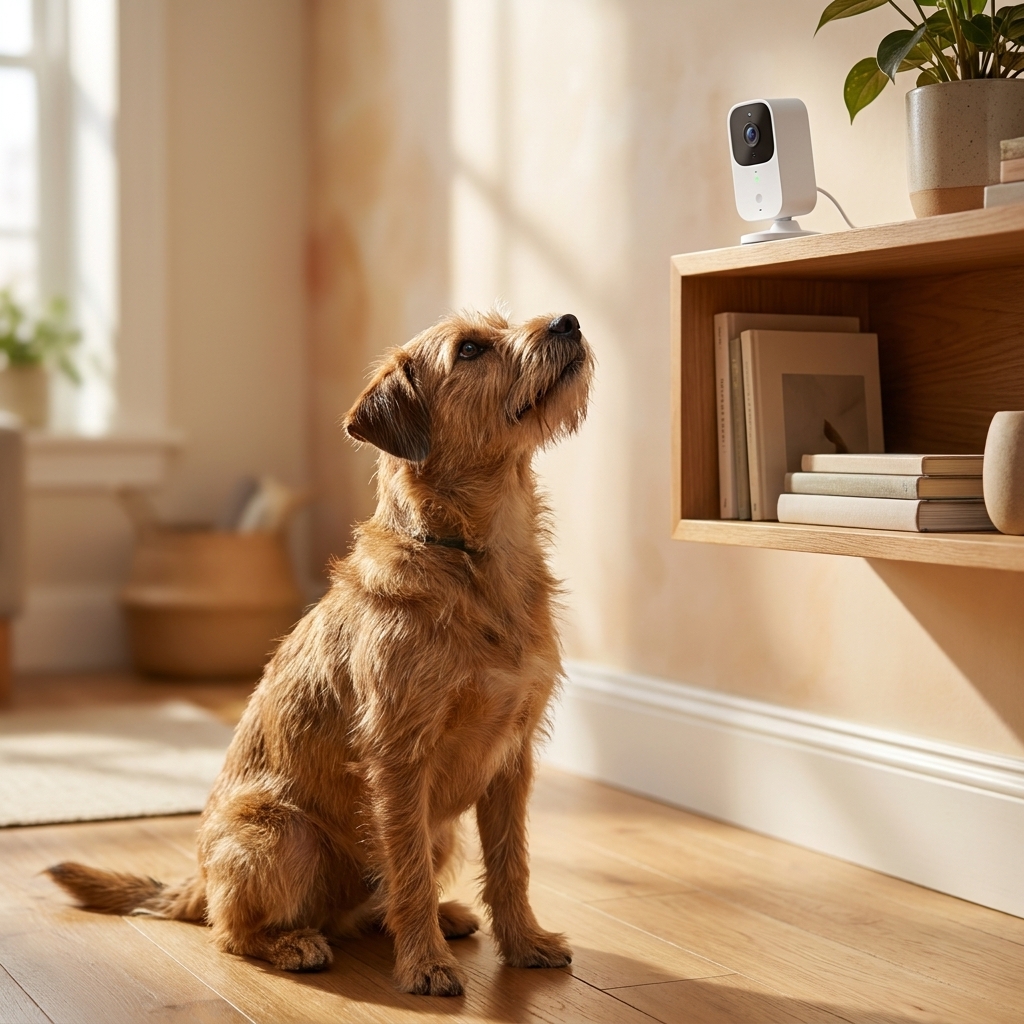
A solid pet camera gives you visibility, not control. You can check that your dog is not stuck behind a baby gate, confirm your cat is eating, or see whether that suspicious noise was just the guinea pigs redecorating again.
Some models add two-way audio, motion alerts, night vision, and treat tossing. Those features can be genuinely helpful, but they also come with tradeoffs, especially if they encourage you to interact at the wrong times.
Automatic feeders: best for consistency
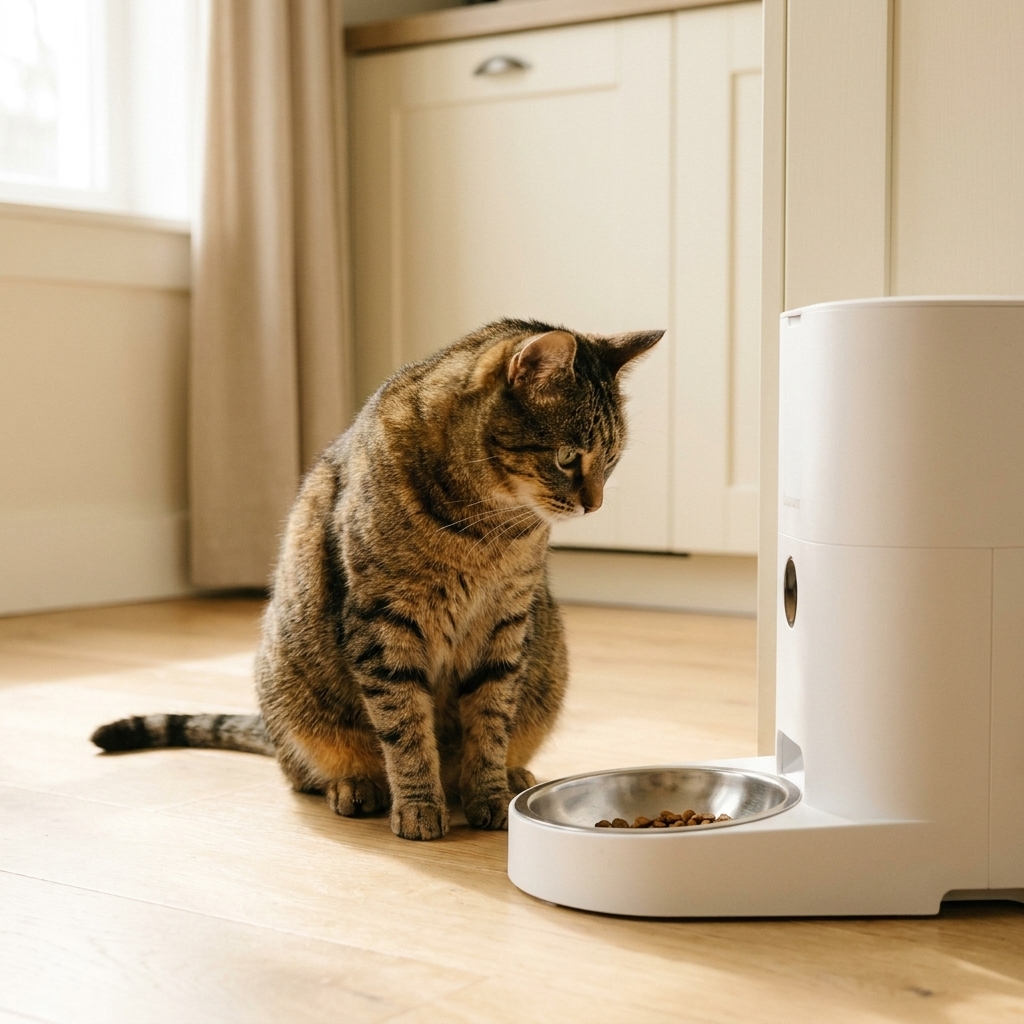
Automatic feeders shine when they help you deliver predictable meals and more consistent portions. They can be a game-changer for early mornings, long shifts, multi-pet households, and pets on weight-management plans.
What they cannot do is replace your eyes and hands. They do not monitor appetite changes the way you do, they do not ensure your pet is chewing safely, and they do not solve underlying behavior issues like food guarding or anxiety.
Wi-Fi cameras: worth it when
You spot problems earlier
One of the most practical benefits is catching issues sooner: pacing, excessive barking, repeated attempts to escape a crate, or a senior dog struggling to get comfortable. That information can help you adjust routines, talk to your veterinarian, or rethink confinement and enrichment.
You use them to support training
For some dogs, a quick calm “good quiet” through two-way audio can interrupt a barking spiral. For others, your voice can ramp them up. The camera is a tool, not a universal fix.
If you want to use a camera for training support, focus on reinforcing calm, not “arguing” with barking. If the moment is already intense, it is usually better to address the environment (more exercise, a longer-lasting chew, closing blinds, white noise) than to repeatedly speak through the camera.
You get peace of mind
This is not silly or selfish. If checking the camera stops you from rushing home in a panic or calling your neighbor every day, that can make you a calmer, more consistent caregiver.
Wi-Fi cameras: common downsides
- Notification overload: Motion alerts can become nonstop if your pet is active or if lighting changes trigger events. Many people end up muting notifications, which can defeat the point.
- Two-way audio can backfire: Some pets search for you, whine more, or get amped up when they hear your voice but cannot find you.
- Subscription fatigue: Many cameras lock recording history, smart alerts, or cloud storage behind monthly plans.
- Privacy and security: Any connected device needs strong passwords, two-factor authentication if offered, and regular firmware updates. Also consider where you place cameras (skip bedrooms or other sensitive areas) and skim the app’s data-sharing settings before you commit.
Clinic-style reality check: A camera is not a safety net for a pet who chews cords, raids the trash, or gets into medications. If your pet has those habits, your money is often better spent first on management: lidded cans, cord covers, baby gates, secure storage, and safe confinement.
Automatic feeders: worth it when
Portion control matters
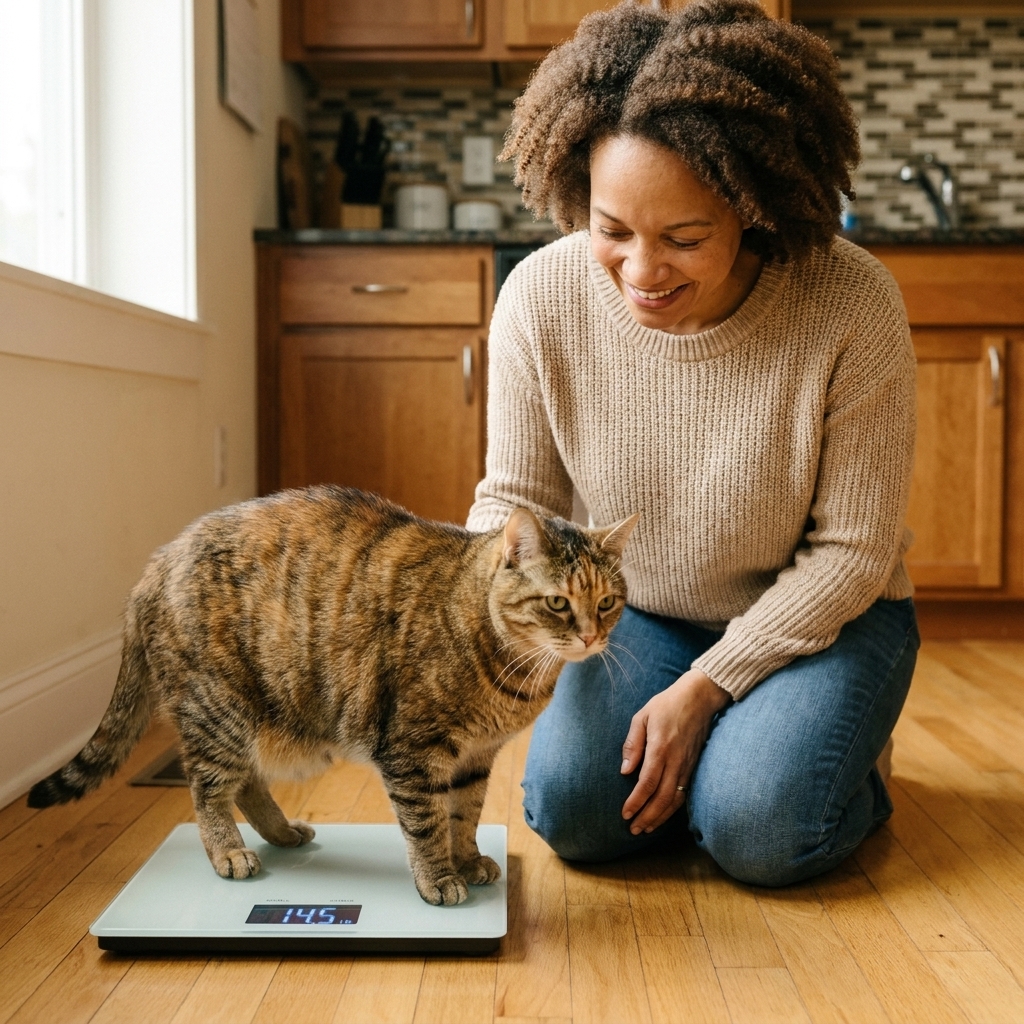
If your dog or cat needs to lose weight, consistent portions are everything. Automatic feeders can reduce “oops, that scoop looked small” moments and help multiple family members stay on the same page.
For cats especially, smaller scheduled meals can help some cats feel more satisfied and settled into a routine, as long as total daily calories and diet choices are appropriate for the individual cat.
You have multiple pets
If you have one pet on a prescription diet and another who will happily steal it, certain feeders can help. Microchip-activated feeders or feeders that only open for a specific tag can be fantastic in the right setup.
One important caution: a basic automatic feeder cannot reliably tell you who ate the meal. If you need to know that a specific pet ate, use access-controlled feeders, separate rooms, or supervised meals.
You need a reliable routine
Consistency matters for digestion, daily rhythms (like food anticipation and begging patterns), and medication timing. If an automatic feeder helps your pet eat at a predictable time when you work late or commute, that is a legitimate quality-of-life upgrade.

Automatic feeders: real risks
Overfeeding and portion mismatch
Some feeders measure by volume, not weight, which can lead to portion creep. Kibble size also matters. A “quarter cup” of tiny kibble does not behave the same as large pieces in a dispenser.
Tip: If weight management is your goal, look for feeders that allow precise portion calibration, and confirm portions with a kitchen scale at least during setup.
Food jams and missed meals
Kibble can bridge, jam, or fail to drop cleanly. Power outages happen. Wi-Fi drops. A good feeder should have a reliable manual backup plan and clear indicators for low food and low battery.
Resource guarding and feeder bullying
If one pet can camp the feeder and intimidate the other, the tech can make things worse. In those homes, you may need separate feeding stations, microchip feeders, or supervised meals.
Wet food limits and cleanliness
Most automatic feeders are designed for dry food. Timed wet food feeders exist, but they require strict attention to food safety and cleaning. If you feed wet food, prioritize models designed for it with cold packs and easy-to-wash trays, and follow your veterinarian’s guidance on safe time at room temperature for your specific household conditions.
As a general, conservative household rule, many people treat 1 to 2 hours as the upper limit for wet food sitting out, and less in warm rooms or for pets with health concerns. When in doubt, shorter is safer.
Features worth paying for
For Wi-Fi cameras
- Reliable night vision and a clear image, especially if you check in during evening hours
- Wide viewing angle so you are not staring at a wall while your pet naps out of frame
- Sound and motion sensitivity controls so alerts are useful, not constant
- Local storage option (or affordable cloud) if you want playback without another subscription
- Strong security settings including two-factor authentication
For automatic feeders
- Battery backup in addition to wall power
- Jam-resistant design and a hopper that seals well to keep kibble fresh
- Easy disassembly and washing for the bowl and chute areas
- Portion calibration that matches your kibble size
- Pet-proof build if you have a determined snout or a paw-happy cat
Who should skip them for now
- Pets with serious separation anxiety: Cameras can help you observe patterns, but two-way audio and frequent check-ins can keep some pets emotionally stuck. In these cases, a behavior plan with your vet or a qualified trainer is the higher-impact spend.
- Pets with medical changes: If your pet’s appetite, water intake, or bathroom habits are changing, automation should not replace direct observation. You can use tech to support you, but do not use it to step back from monitoring.
- Homes where one pet steals food: A basic feeder is often a donation to the fastest eater. Consider microchip feeders, separate feeding rooms, or supervised meals instead.
- Anyone hoping tech will fix boredom: Gadgets help routines, but enrichment still needs to be hands-on: sniff walks, puzzle toys, foraging, training sessions, and appropriate social time.
Quick decision guide
Get a Wi-Fi camera if
- You want to confirm your pet is safe during long days away
- You suspect behavior issues when you are gone and want real data
- You will use it to adjust environment and routine, not micromanage from afar
Get an automatic feeder if
- You need consistent timing and measured portions
- You have a reliable dry-food routine and a plan for power or Wi-Fi issues
- You are trying to prevent accidental overfeeding by busy humans
Skip both if
- Your biggest issue is chewed items, trash raiding, or counter surfing (management and enrichment first)
- Your pet is anxious and escalates with remote talking
- Your household needs help with fundamentals like routine, exercise, and training consistency
Setup tips that help
Camera placement
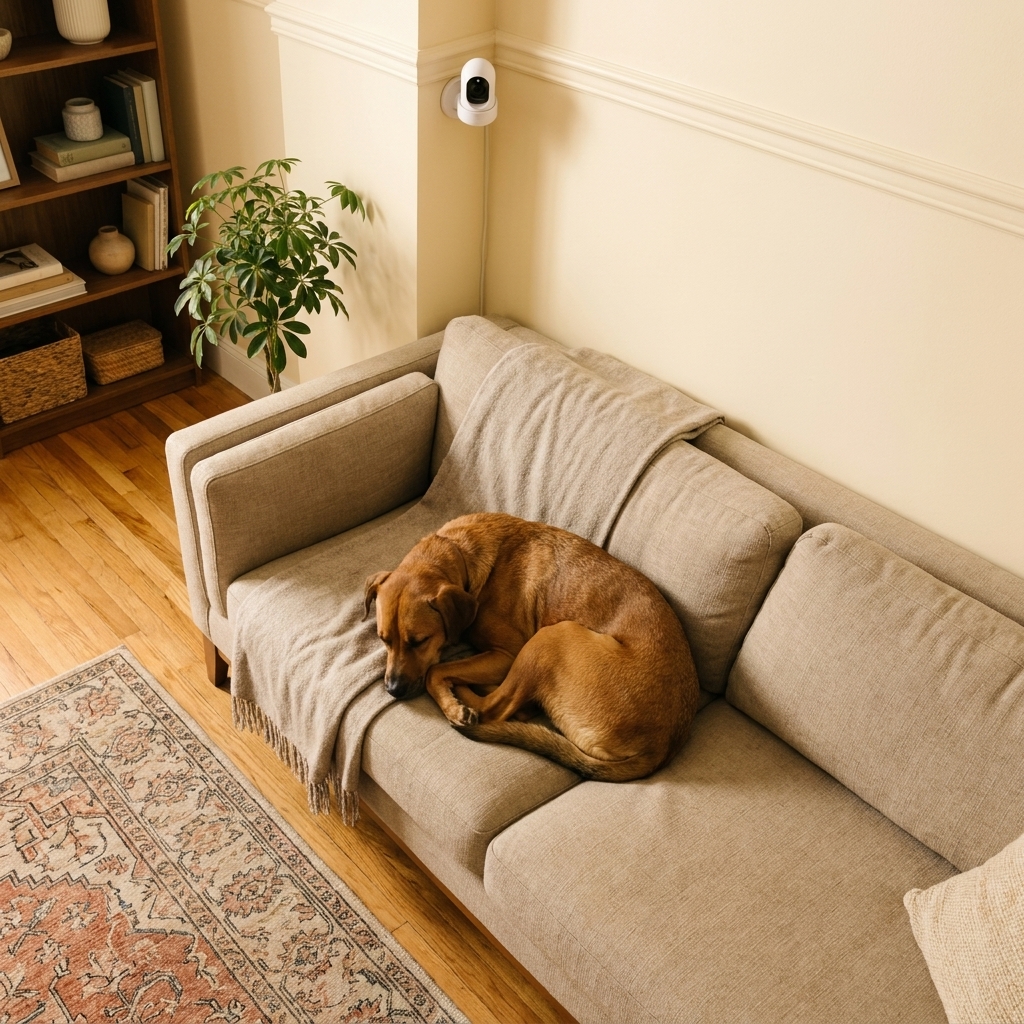
- Point it toward where your pet actually spends time, often the couch, bed, or crate
- Avoid aiming at windows if glare triggers constant motion alerts
- Do a test run when you are home so you can adjust angle and sensitivity
Feeder transition
- Introduce the feeder while you are home for a few days to ensure it dispenses correctly
- Keep meal times calm and boring at first so the sound does not startle your pet
- Confirm portions using a measuring cup and ideally a kitchen scale during setup
Protect the routine
Smart tech works best when it supports predictable daily needs: a morning potty break, a walk or play session, meals at consistent times, and downtime. The device can help you deliver the routine. It cannot replace the routine.
FAQ
Will a pet camera help separation anxiety?
It can help you identify patterns that look like separation-related distress by showing pacing, vocalizing, drooling, destructive behavior, or attempts to escape. Those behaviors can also show up with boredom, noise triggers, or incomplete exercise needs, so consider the full picture. Whether a camera helps treat anxiety depends on the pet. Two-way audio sometimes worsens distress. If you suspect separation anxiety, talk with your veterinarian and consider a trainer who uses positive reinforcement and anxiety-aware protocols.
Are automatic feeders safe for cats?
Generally, yes, when used correctly. Choose a sturdy model, keep it clean, confirm portion sizes, and make sure the feeder cannot be tipped. If you have multiple cats, watch for food guarding. For cats with medical needs like diabetes, feeding schedules should be coordinated with your veterinarian.
Do automatic feeders cause begging?
They can reduce begging aimed at you, but some pets learn to beg the machine instead. The best fix is consistency: meals on schedule, enough daily enrichment, and no “bonus snacks” that teach your pet that persistence pays.
What about treat-tossing cameras?
Fun in moderation, but I treat them like a novelty enrichment tool, not a substitute for training. If your dog gets overexcited, start with camera-only mode. If you do use treats, use tiny pieces and account for them in the daily calorie budget.
For a reality check, it adds up fast. A handful of small training treats over the course of a workday can equal a noticeable chunk of a small dog’s daily calories, and it can absolutely stall a weight-loss plan. If you love the treat feature, consider using part of your pet’s measured kibble as the “treats” for the day.
The bottom line
Wi-Fi cameras and automatic feeders are worth the money when they solve a specific problem: you need a consistent schedule, more accurate portions, or a way to safely check in during long days. They are not worth it when they are being used to patch over bigger needs like exercise, enrichment, training, or anxiety support.
If you want the simplest rule: buy smart pet tech that makes your good routine easier. That is when it feels like a relief to you and a genuine upgrade for your pet.