
Cats are absolute pros at acting “fine” even when they are not. It is not because they are trying to fool you. It is because cats often hide vulnerability, a pattern many vets and cat behaviorists see again and again. That is why the earliest signs of illness often look less like dramatic symptoms and more like tiny shifts in routine: a little less enthusiasm at mealtime, a new preference for sleeping alone, a different meow, or a litter box habit you cannot quite put your finger on.
As a former veterinary technician, I can tell you this with confidence: pet parents who notice the small stuff early give their cats the best chance at easier treatment and faster relief. This guide will help you recognize those subtle changes, understand which ones are urgent, and know what information to bring to your veterinarian.
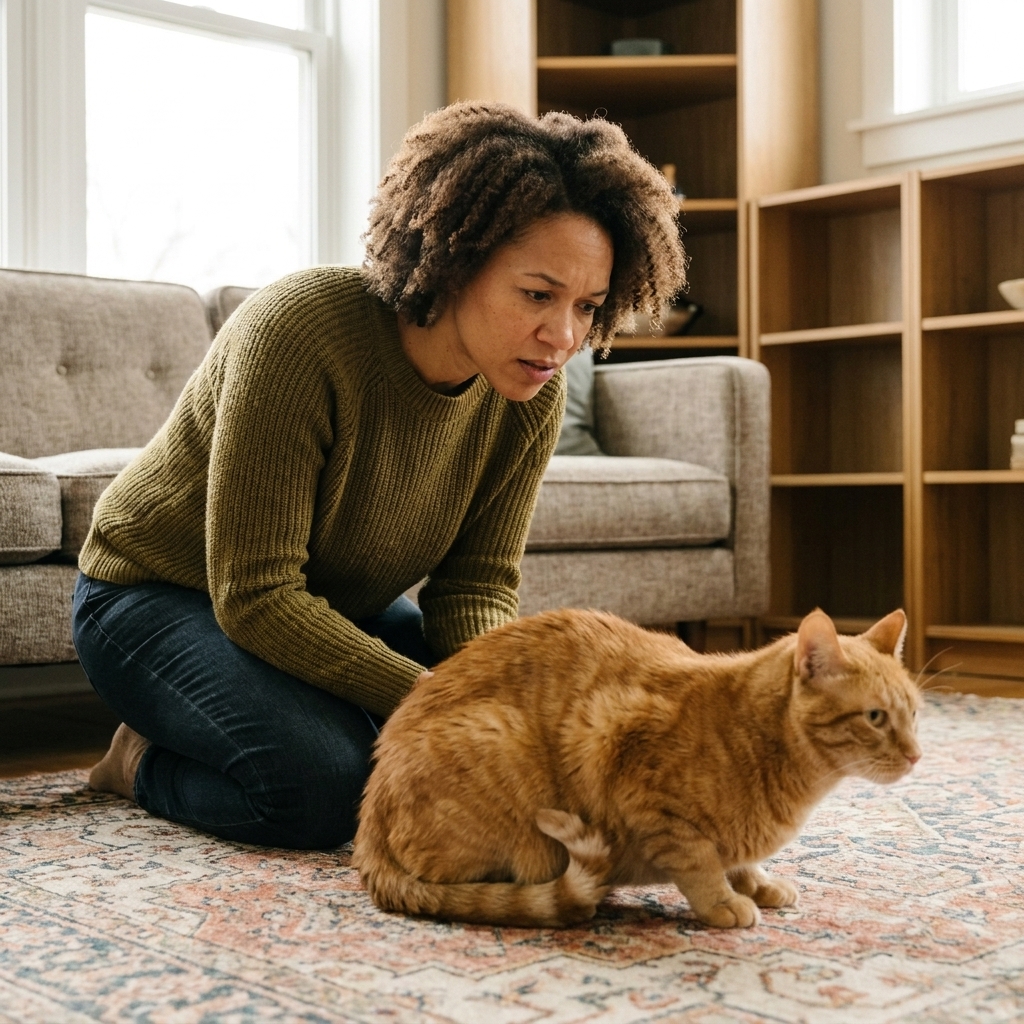
What early illness looks like
Early illness in cats is often a change in baseline, not an obvious symptom. Baseline is your cat’s normal: how they eat, drink, play, rest, use the litter box, groom, and interact with the household.
Instead of waiting for a cat to “look sick,” it helps to use this as a practical guideline:
If your cat is doing anything noticeably differently for more than a day, it is worth paying attention. Some mild changes can be watched briefly, but if the change is sudden, worsening, or involves breathing, peeing, significant weakness, or not eating, call your veterinarian sooner rather than later.
Behavior changes
Behavior is one of the earliest places illness shows up, especially pain, nausea, fever, and stress. Common early behavioral clues include:
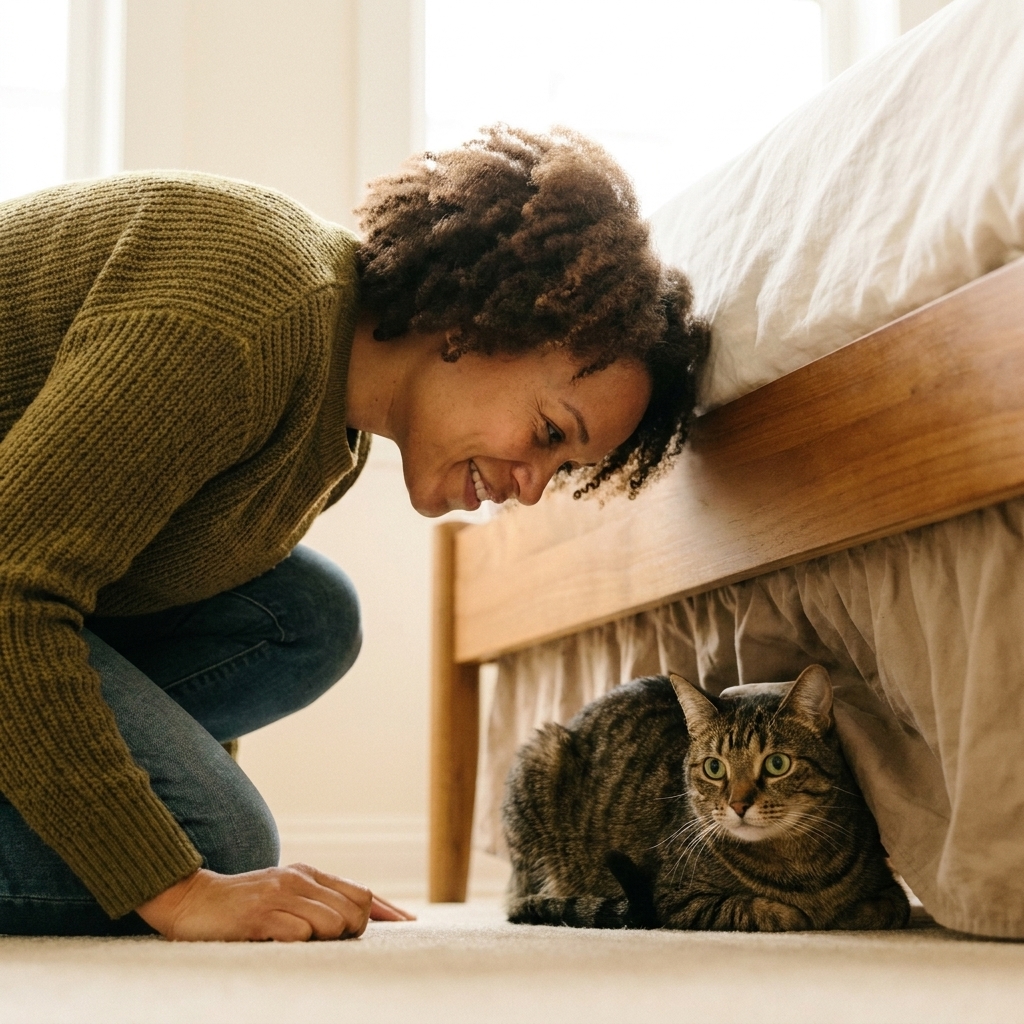
- Hiding more than usual (under beds, in closets, behind furniture)
- Less social or suddenly clingy and unable to settle
- Reduced play or stopping favorite activities like window watching
- New irritability when touched, picked up, or approached
- Restlessness, pacing, or difficulty getting comfortable
- Changes in sleep or sleeping in unusual spots
One important note: cats can also “act out” medically. A cat that starts swatting, growling, or avoiding the family may be in pain, not being difficult.
Appetite, drinking, and weight
Appetite changes
Appetite shifts in cats deserve respect. A cat that is not eating at all is never something to casually watch for days, especially if they are overweight (risk of hepatic lipidosis) or have a chronic condition.
- Decreased appetite (walking away, sniffing food then leaving, eating only treats)
- Eating less but more often (tiny “snacks” instead of normal meals)
- Sudden increased appetite can also be a clue (thyroid disease, diabetes, parasites, some medications)
Timing nuance that matters: kittens, seniors, and cats with diabetes, kidney disease, or other medical issues often need same-day advice if they stop eating. Reduced appetite is concerning, but complete refusal is more urgent.
Thirst and water intake
Increased drinking can be easy to miss, especially in multi-cat homes or if your cat prefers dripping faucets. Watch for:
- More trips to the water bowl or lingering to drink
- Emptying bowls faster than usual
- Drinking from odd places (shower, sink, plant trays)
Increased thirst and urination are classic early signs of issues like kidney disease, diabetes, and hyperthyroidism, especially in older cats.
Weight loss and muscle loss
If your cat is losing weight without a diet change, that deserves a call to your veterinarian. Weight loss can happen even when appetite seems normal or higher than normal. Muscle loss is another big clue, and it can look like:
- A bony spine that feels sharper than before
- Less “padding” over the hips
- A slimmer face or shoulders
Litter box clues
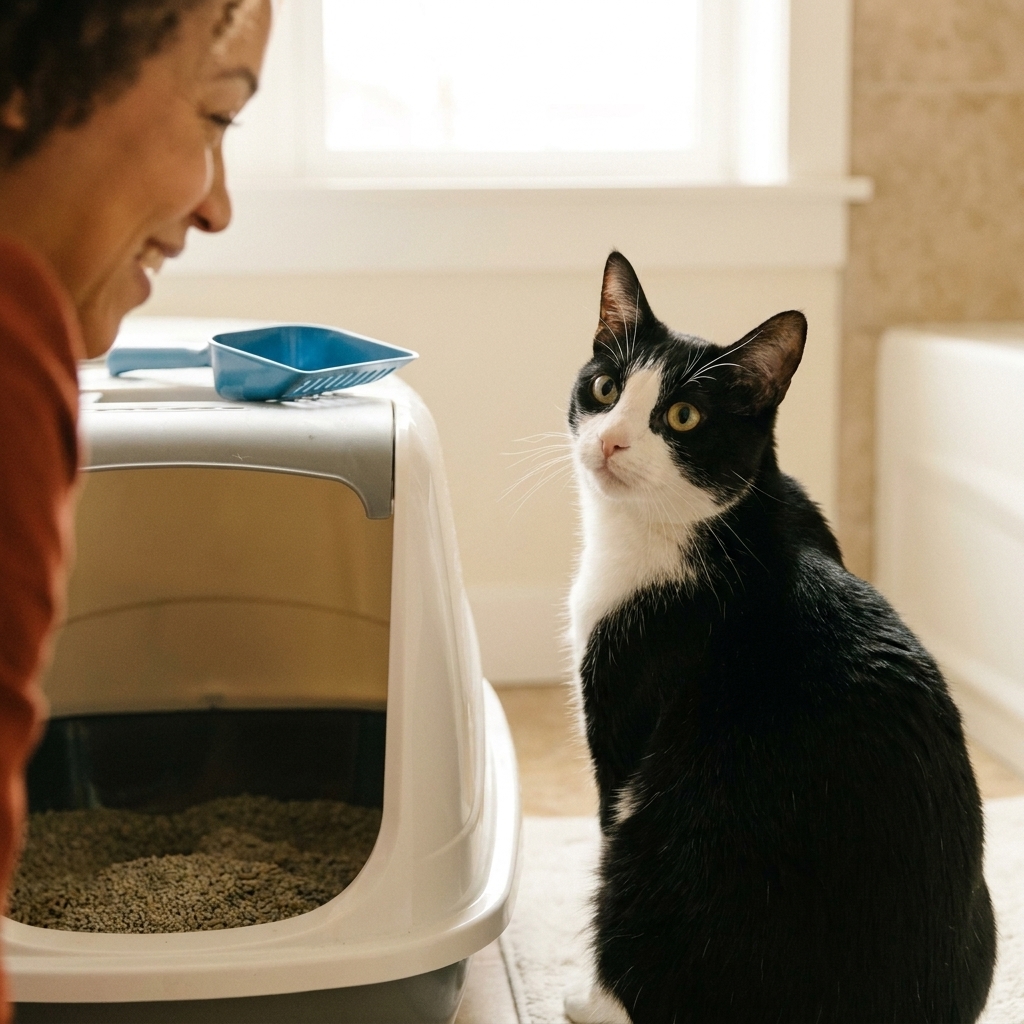
The litter box is basically a daily health report. Changes here are some of the most valuable early warning signs, and some are emergencies.
Urination changes
- Urinating more often (more clumps)
- Urinating less (smaller clumps or fewer trips)
- Straining, crying, or frequent trips with little output
- Accidents outside the box, especially in a previously reliable cat
- Blood-tinged urine or pink staining
Urgent: If your cat is repeatedly entering the box and producing little to no urine, treat it as an emergency. Urinary blockage can become life-threatening quickly, particularly in male cats.
Stool changes
- Diarrhea that lasts more than a day, or any diarrhea with lethargy
- Constipation (straining, small hard stools, no stool for more than 48 hours)
- Mucus or blood in the stool
- Large volume, very smelly stool that is new for your cat
If your cat is older, has existing health conditions, or seems unwell alongside diarrhea or constipation, call sooner rather than later.
Coat, grooming, and posture
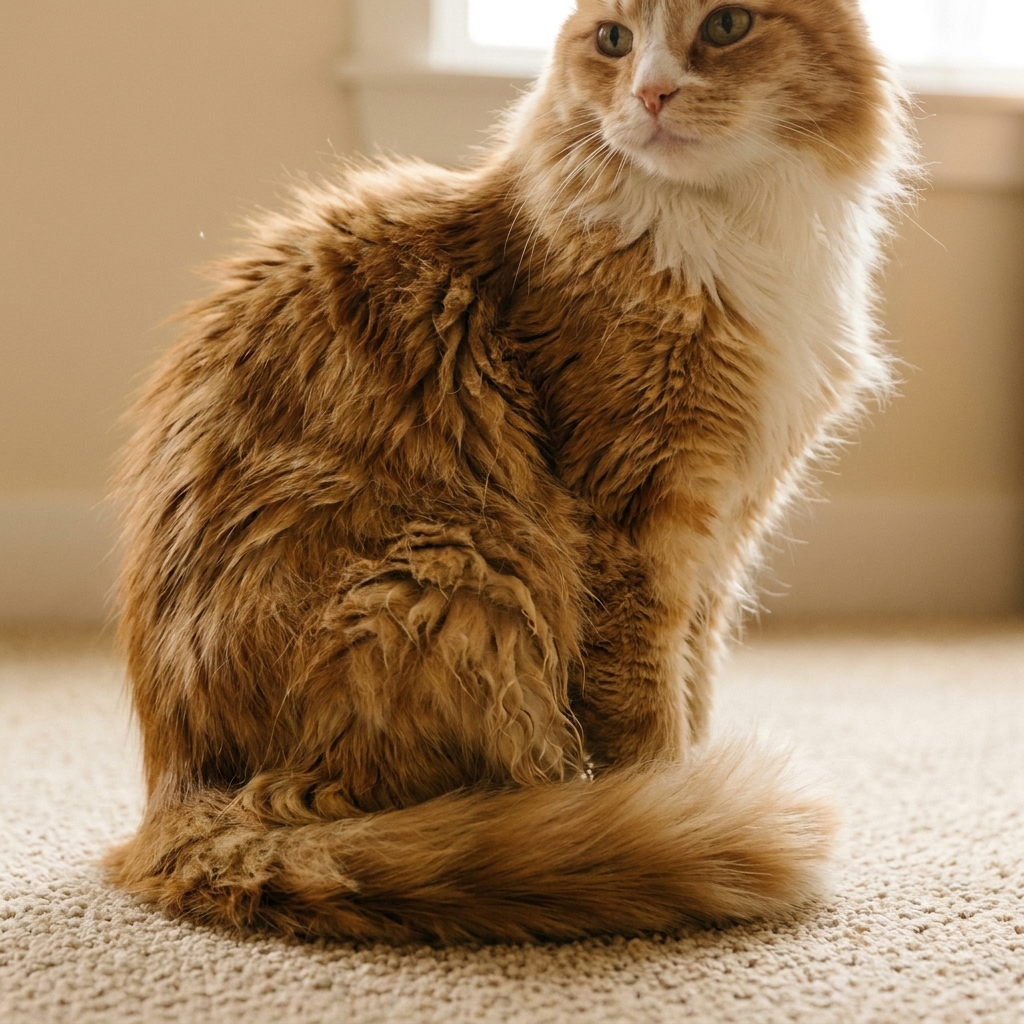
Healthy cats are self-care champions. When grooming drops off, it is often because something hurts, your cat feels nauseated, or they just do not have the energy.
- Greasy, dull, or spiky coat
- Dandruff or increased shedding
- Matting, especially along the back end in long-haired cats
- Overgrooming (barbering, bald patches) which can be stress-related, allergy-related, or pain-related
- Bad breath or drooling (can be dental disease, nausea, mouth ulcers, toxins)
Also pay attention to posture. A cat that sits in a long, tense loaf position (sometimes called “meatloaf”), hunches, or tucks their head down may be painful or nauseated.
Breathing changes
Breathing issues are one of the areas where I strongly recommend calling a veterinarian or emergency clinic promptly rather than waiting. Cats can go downhill fast when respiratory or heart problems are involved.
Red flags
- Open-mouth breathing when not stressed from play or heat
- Rapid breathing at rest or obvious effort (belly heaving, flared nostrils)
- Wheezing or persistent coughing
- Blue, gray, or very pale gums
- Sudden reluctance to move paired with breathing changes
If your cat is calm and resting, you can count breaths for 15 seconds and multiply by 4. Many healthy resting cats are often under about 30 breaths per minute. Some cats fall a bit higher or lower depending on age, stress, and environment, so what matters most is your cat’s trend and whether breathing looks effortless. If the number is consistently high, rising, or the effort looks increased, call.
Vomiting, hairballs, and nausea
Occasional hairballs can happen, but frequent vomiting is not “just a cat thing.” It can signal dietary intolerance, parasites, inflammatory bowel disease, pancreatitis, kidney disease, toxin exposure, or other issues.
Early nausea can look like
- Smacking lips or drooling
- Swallowing repeatedly
- Sniffing food and walking away
- Hiding after meals
- Eating unusual items (pica), like litter or plastic
One easy-to-miss detail: coughing in cats can look a lot like hairball retching. If you are unsure which you are seeing, a short video can help your veterinarian triage faster.
Call your veterinarian promptly if
- Vomiting happens more than once in 24 hours
- You see blood (red or coffee-ground appearance)
- Your cat cannot keep water down
- Your cat is lethargic, painful, or not eating
- There is a possibility of string, ribbon, or toy ingestion
Eyes, ears, nose, and mouth
You do not need to do a full exam every day, but noticing changes during normal cuddles goes a long way.
Eyes
- Squinting, tearing, or discharge
- Redness or swelling
- Cloudiness
- One pupil different than the other
Ears
- Head shaking or ear scratching
- Odor, debris, or dark wax
- Ear flap swelling
Nose
- Sneezing fits or nasal discharge
- Noisy breathing through the nose
- Decreased sense of smell leading to reduced appetite
Mouth
- Bad breath that is new or worsening
- Pawing at the mouth
- Dropping food, chewing on one side, or slow eating
- Visible red gums or tartar buildup
Dental disease is extremely common in cats. Left untreated, it can cause chronic pain and can contribute to inflammation that impacts overall health over time. If your cat’s mouth seems uncomfortable, do not wait for it to become a crisis.
Pain signs
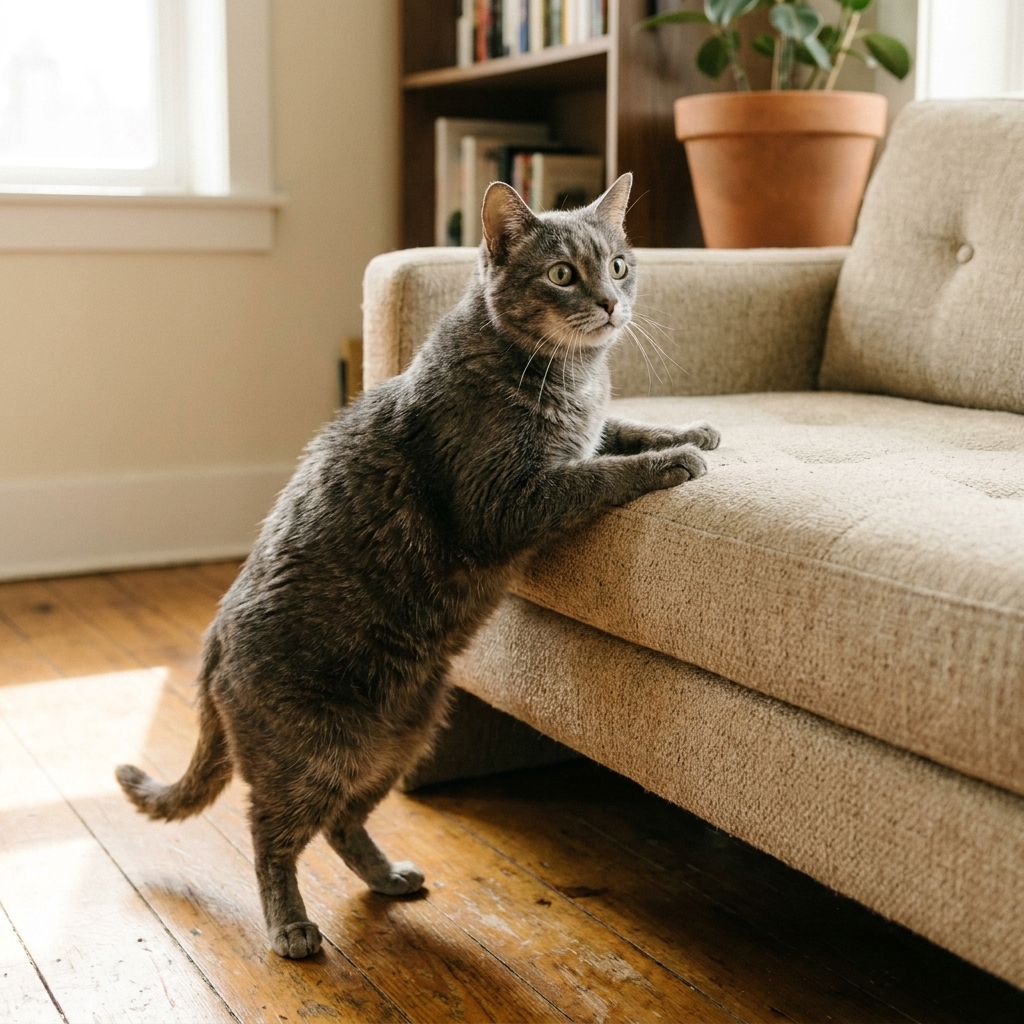
Cats do not always limp dramatically. Many cats show pain through subtle behavior and movement changes instead.
- Hesitating before jumping or choosing lower surfaces
- Missing jumps that used to be easy
- Stiffness after naps
- Less grooming, especially along the back and hips
- Not using scratching posts as much
- Growling or flinching when touched
Arthritis is not just a dog problem. Many adult and senior cats have joint pain that quietly shrinks their world. The earlier you address it, the more comfort you can give them.
Fever and temperature
Fever can show up as a cat who feels unusually warm, is hiding, has low energy, and stops eating. Most families do not need to take a rectal temperature at home, and you should not attempt it unless you are trained and your cat can be handled safely.
If your cat seems warm and unwell, especially with lethargy or not eating, call your veterinarian for advice.
Neurologic red flags
Some signs are less common but deserve urgent attention because they can indicate serious problems.
- Seizures, collapse, or sudden extreme weakness
- Sudden head tilt, loss of balance, or walking in circles
- Sudden confusion or disorientation
- Unequal pupils paired with behavior changes or weakness
When in doubt, treat sudden neurologic changes as urgent and contact an emergency clinic.
Emergency or call today
Go to an emergency veterinarian now
- Difficulty breathing, open-mouth breathing, or blue or pale gums
- Straining to urinate, frequent box trips with little to no urine, or crying in the box
- Suspected toxin exposure (lilies, certain flea products, human medications)
- Seizures, collapse, extreme weakness, or inability to stand
- Uncontrolled bleeding or significant trauma
- Repeated vomiting with weakness, belly pain, or inability to keep water down
- Known or suspected string, ribbon, or linear foreign body ingestion
Call your veterinarian within 24 hours
- Not eating at all, or eating dramatically less
- Sudden weight loss or marked increase in thirst
- New limping, hiding, or aggression that suggests pain
- Diarrhea lasting more than a day, or constipation with straining
- Eye squinting or eye discharge, especially one-sided
- Any symptom that is mild but persistent for more than 48 hours
If you are unsure what category your cat fits into, call your veterinarian or a local emergency clinic for triage. For possible poisoning, contact an animal poison hotline or an emergency veterinarian right away.
One more safety reminder that saves lives: do not give human pain medications to cats. Acetaminophen and ibuprofen are especially dangerous, and many other human medications can be toxic.
Track symptoms
When you are worried, it is easy to forget details in the exam room. A few notes on your phone can make a big difference.
- Timeline: When did you first notice the change? Has it worsened or stayed the same?
- Food and water: How much eaten in the last 24 hours? Any treats? Any new food?
- Litter box: Normal number of clumps? Any straining? Any stool changes?
- Vomiting or diarrhea: How many times? What did it look like?
- Energy and behavior: Hiding, restless, clingy, not jumping, not playing?
- Video helps: If safe, record coughing, breathing effort, gagging, lameness, or unusual behavior
If you have multiple cats, consider temporarily separating the cat you are monitoring so you can accurately track eating and litter box output.
What these signs can mean
Many different conditions can start with subtle symptoms. A few common ones veterinarians see often include:
- Dental disease (slow eating, bad breath, pawing at mouth)
- Chronic kidney disease (increased thirst and urination, weight loss, nausea)
- Hyperthyroidism (weight loss, increased appetite, vomiting, restlessness)
- Diabetes (increased thirst and urination, weight loss, increased appetite)
- Lower urinary tract disease (straining, blood in urine, accidents)
- Arthritis (reduced jumping, stiffness, grooming changes)
- Asthma (coughing, wheezing, breathing effort)
The goal is not to diagnose at home. The goal is to notice early enough that your veterinarian can diagnose and treat before your cat is truly miserable.
Prevention
You do not need to be hypervigilant. You just need a few consistent habits that make changes obvious.
- Annual or twice-yearly exams: Adult cats benefit from yearly visits, seniors often do better with twice-yearly checkups.
- Routine weights: Weigh your cat monthly if possible. Small trends matter.
- Measure meals: Knowing how much you feed makes appetite changes clearer.
- Keep the litter box observable: Scoop daily and notice clump size and frequency.
- Consider wellness bloodwork: Baseline labs can catch kidney, thyroid, liver, and metabolic issues earlier.
If your cat is the type to politely suffer in silence, these simple routines are your superpower.
Quick FAQ
My cat is purring. Does that mean they are not sick?
Not necessarily. Cats purr when they are content, but they can also purr when stressed, painful, or unwell. Look at the whole picture: appetite, litter box habits, posture, and energy.
How long can a cat go without eating?
If your cat refuses food entirely, contact your veterinarian promptly, and do not wait beyond 24 hours. Kittens, seniors, and cats with existing health conditions need attention even sooner.
My cat vomits hairballs a lot. Is that normal?
Frequent vomiting is a reason to check in with your veterinarian, even if it looks like hairballs. Many cats who vomit often have underlying inflammation, food sensitivity, parasites, or other medical issues.
When should I worry about hiding?
If hiding is new, more intense than usual, or paired with appetite changes, litter box changes, vomiting, or “do not touch me” behavior, it is time to call.
The takeaway
You do not have to be perfect to be an amazing cat parent. The fact that you are reading this means you are already doing the most important thing: paying attention.
If something feels off, trust that instinct. Take a few notes, grab a quick video if it helps, and reach out to your veterinarian. Your cat might still look “normal” to everyone else, but you know their normal best.