Loose stool can be from stress, a stolen snack, parasites, or dehydration. Here’s what to check at home, what to do for mild diarrhea, and when to call the v...
I still remember the way my Golden mix, Buster, looked at me the first time he tossed up a little puddle of yellow foam on an empty stomach. He seemed totally normal afterward, which can make it even more confusing. As a former veterinary technician, I can tell you this is one of the most common “Is this an emergency?” questions I heard in clinic.
Most of the time, yellow foamy vomit is bile, a digestive fluid that can show up when the stomach is empty. But sometimes it is your dog’s early warning sign that something is irritating their gastrointestinal tract or, more rarely, that something is blocked and needs urgent help.
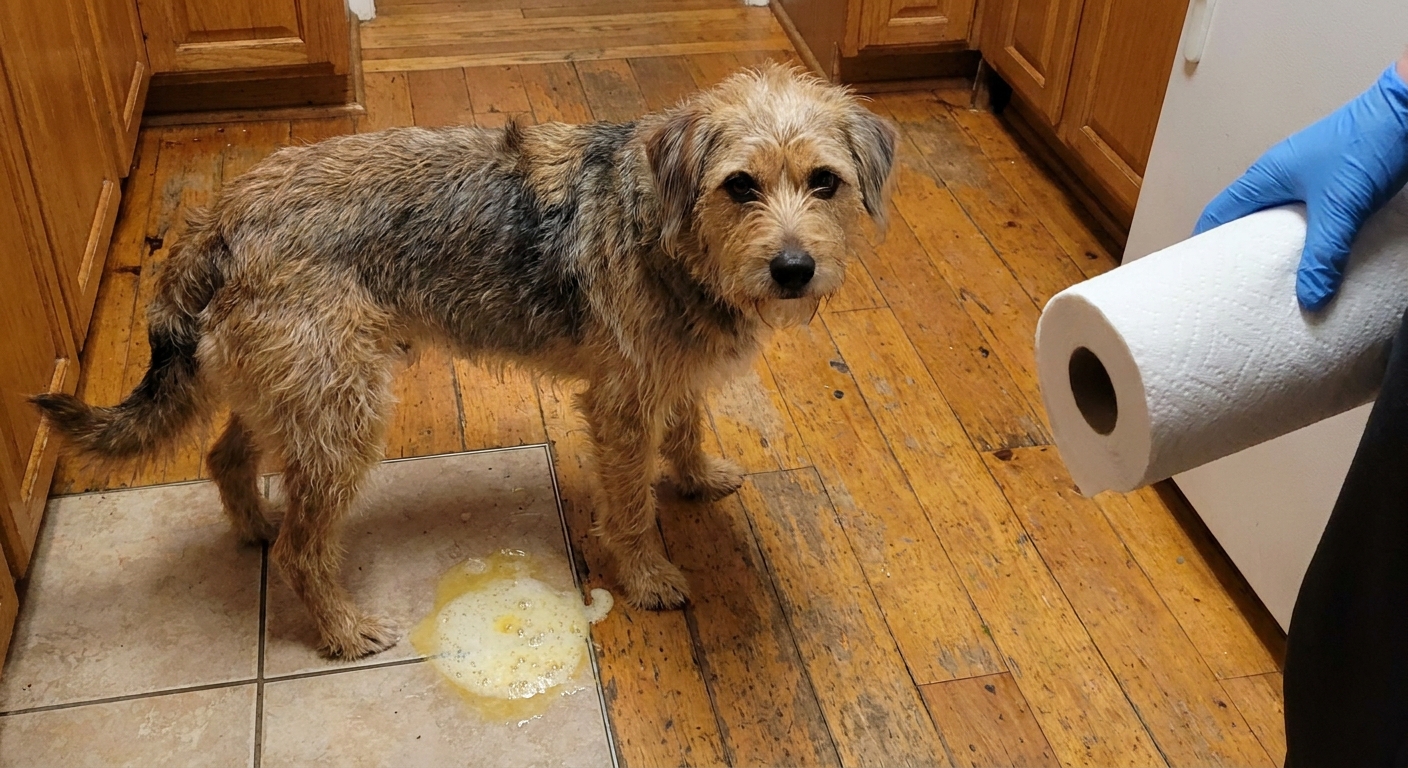
Why is my dog throwing up yellow foam?
That yellow color is usually bile, which is made by the liver and stored in the gallbladder. Bile helps digest fats and normally moves into the small intestine. If your dog’s stomach is empty or their GI tract is irritated, bile can reflux back into the stomach and get vomited up as yellow liquid or yellow foam.
Many dogs vomit once and act completely fine. Others will lick their lips, swallow repeatedly, drool, or seem a little nauseated beforehand.
Quick note: Pet parents often mix up vomiting and regurgitation. Vomiting usually involves retching and an “abdominal heave.” Regurgitation is more passive, and the material may come up in a tube shape with little warning. If you are seeing frequent regurgitation, that is a different conversation to have with your vet.
Common causes of yellow foam vomit
1) Empty stomach (often overnight)
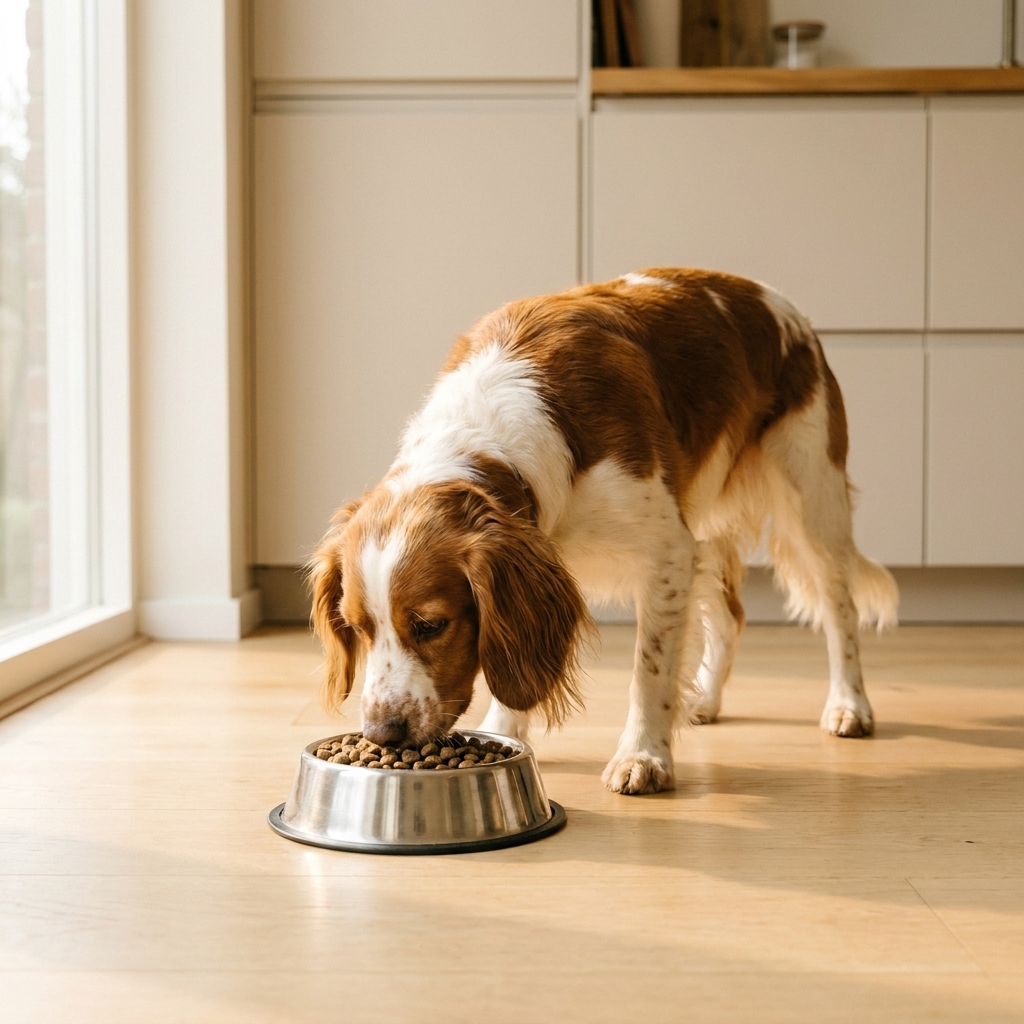
If your dog vomits yellow foam first thing in the morning or late at night, an empty stomach is a top suspect. Stomach acid and bile can build up and trigger nausea.
2) Bilious vomiting syndrome
Bilious vomiting syndrome is a pattern where dogs vomit bile when their stomach has been empty for a while, often in the early morning hours. Some dogs do great with a simple change in meal timing, while others need a vet-guided plan.
3) Eating grass or yard scavenging
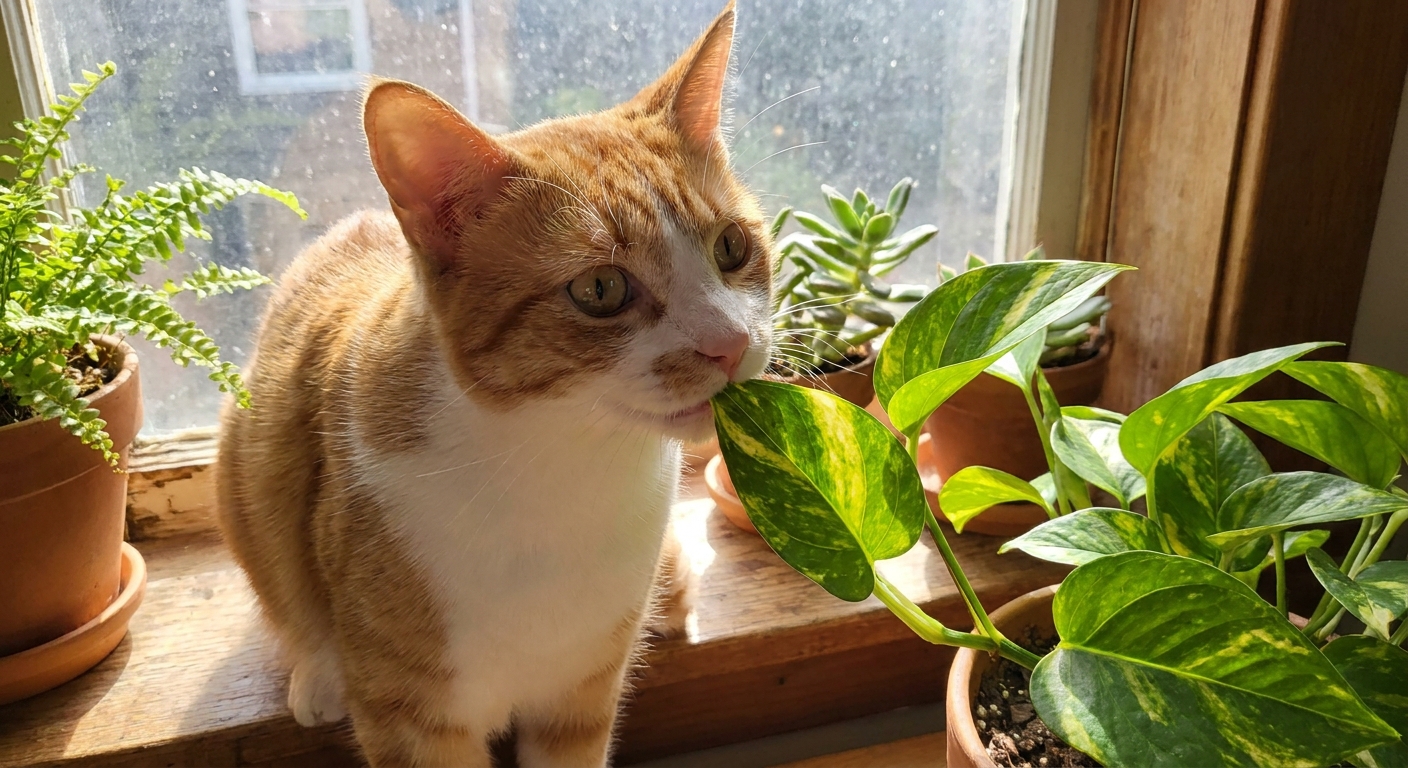
Grass eating and vomiting often show up together, but the “which came first” part is not always clear. Some dogs may vomit because grass (or whatever else they sampled) irritated their stomach, and some dogs may eat grass because they already feel nauseated. Either way, yard scavenging also includes plant material, dirt, mulch, compost, and things that are not food at all, and any of those can upset the stomach.
4) Sudden food changes, rich treats, or table scraps
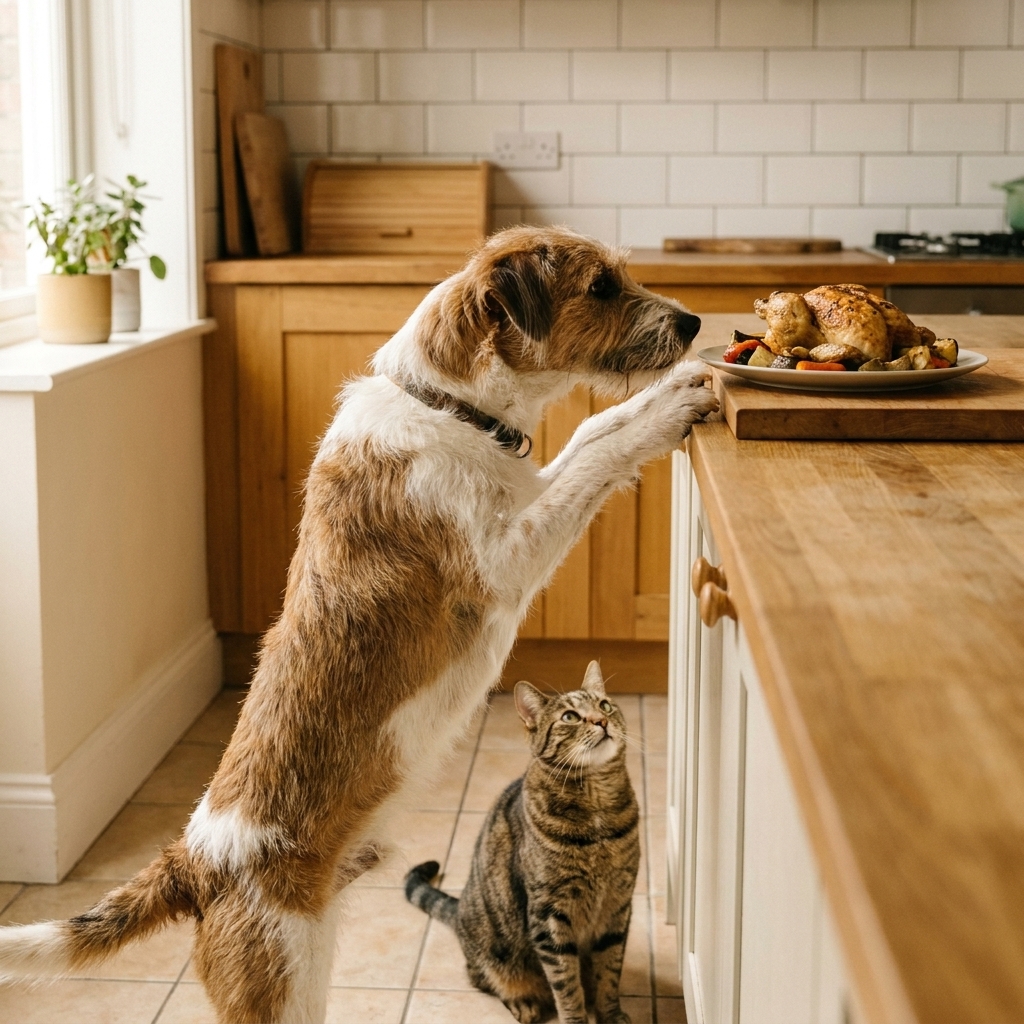
A fast switch in diet, a new treat, greasy people food, or raiding the trash can all commonly cause vomiting. Sometimes the vomit is yellow simply because there is not much food in the stomach at the time.
5) Motion sickness or stress
Car rides, big routine changes, boarding, houseguests, storms, or separation stress can cause nausea and vomiting. A dog may bring up yellow foam if they vomit on an empty stomach.
6) Parasites or stomach inflammation
Intestinal parasites, dietary intolerance, pancreatitis, or gastritis can all cause vomiting. Infectious causes (including viral illness) are more likely in puppies, unvaccinated dogs, or dogs with higher exposure risk. Yellow foam can be part of the picture, especially if your dog is vomiting repeatedly.
7) Swallowed objects (possible blockage)
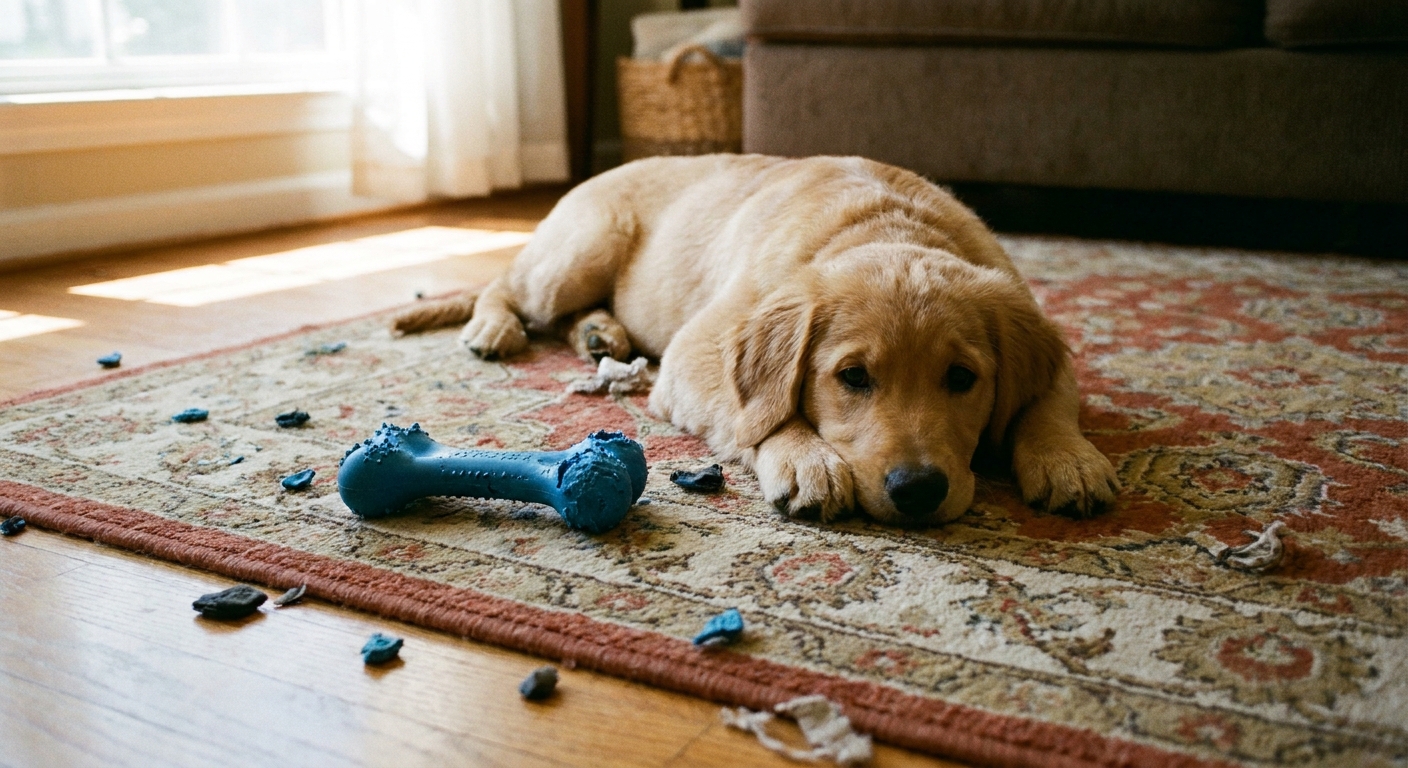
This is the one we never want to miss. Dogs can swallow socks, toy pieces, corn cobs, rocks, sticks, or chew chunks. Early on, the vomit may look like yellow foam. As obstruction worsens, vomiting often repeats and your dog may stop eating, seem painful, or have a swollen abdomen.
What to do at home
If your dog vomited yellow foam once and is otherwise acting normal, you can often monitor at home while you make a few supportive changes. If your dog is a puppy, a senior, very small, or has medical conditions like diabetes, kidney disease, or Addison’s disease, call your vet sooner for individualized guidance.
Step 1: Take a quick “whole dog” snapshot
- Energy: Are they bright and interactive, or quiet and withdrawn?
- Appetite: Will they eat a small bland meal?
- Water intake: Are they drinking normally?
- Bathroom habits: Any diarrhea, straining, or no stool at all?
- Pain: Any hunched posture, panting, trembling, or reluctance to move?
- What could they have eaten? Trash, string, bones, plants, meds, compost, or human food?
Step 2: Give the stomach a gentle reset
If your dog had a single episode and now seems comfortable, your vet may recommend supportive care like:
- Small sips of water at first. If your dog gulps and vomits again, offer smaller amounts more frequently.
- Small, frequent bland meals once vomiting has stopped for a bit. Common options include boiled chicken (no skin) with plain white rice, offered in small portions. Your vet may have a prescription GI diet that is even better for sensitive dogs.
- Skip rich treats for a couple of days and keep things boring and predictable.
If your dog is repeatedly vomiting, seems weak, or cannot keep water down, do not force food or water. Call your veterinarian.
Do not give human stomach meds unless your veterinarian tells you to. Some are unsafe for dogs, unsafe with certain health conditions, or unsafe with certain other medications. One example: products containing bismuth subsalicylate (like some Pepto-Bismol formulations) can be a problem in some situations, including bleeding risk concerns.
Step 3: Adjust feeding schedule (for morning bile patterns)
If the pattern is early-morning yellow foam, feeding timing can help a lot.
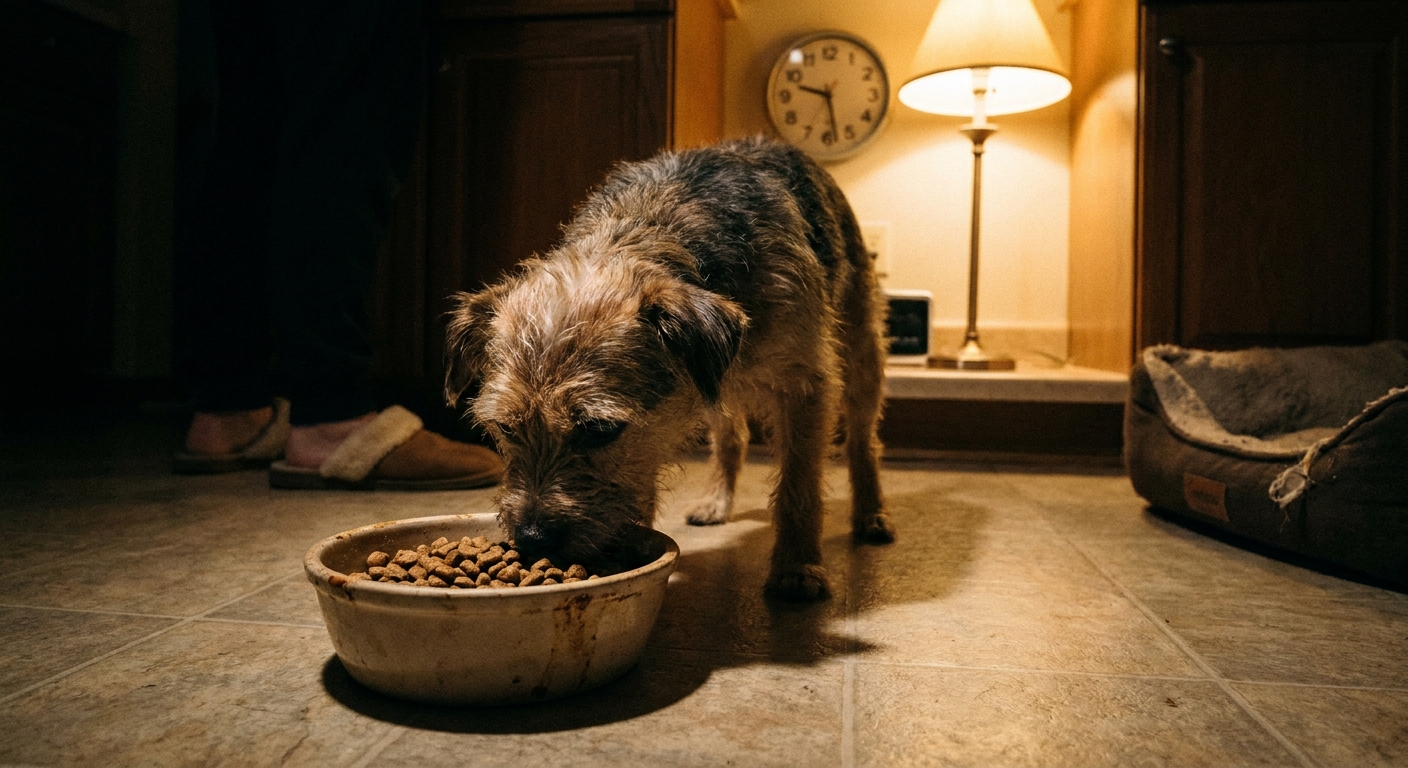
- Split meals into 3 to 4 smaller meals per day instead of 1 to 2 larger meals.
- Add a small bedtime snack so the stomach is not empty all night. Think a small portion of their regular kibble or a vet-approved treat.
- Move breakfast earlier if your dog reliably vomits right before their usual mealtime.
Step 4: Think about recent changes
- Did you switch foods quickly? If your vet agrees, go back to the previous diet and transition slowly over 7 to 10 days.
- Any new chews or toys? Put them away for now and inspect for missing pieces.
- Any chance of toxin exposure? This includes certain plants, xylitol, grapes and raisins, rodent bait, marijuana, medications, and household chemicals. If yes, contact your vet or a pet poison hotline immediately.
When yellow foam is not just bile
I always tell pet parents to trust patterns. A single episode that resolves is very different from a dog who keeps vomiting or looks unwell.
Yellow foam can be part of:
- Pancreatitis (often includes loss of appetite, abdominal pain, and repeated vomiting)
- Gastroenteritis (vomiting with or without diarrhea)
- Foreign body obstruction (repeated vomiting, poor appetite, painful belly, constipation or no stool)
- Bloat (GDV) in deep-chested dogs (unproductive retching, swollen abdomen, distress)
- Addison’s disease (can cause waxing and waning GI signs, weakness, and dehydration)
Same-day vet red flags
If you see any of the following, call your veterinarian or an emergency clinic today:
- Repeated vomiting (for many dogs, more than 2 to 3 episodes in a day is a good reason to call) or vomiting that continues for more than 12 to 24 hours
- Vomiting every hour, vomiting that is quickly escalating, or a dog who cannot keep water down for even a few hours (especially small dogs and puppies)
- Lethargy, weakness, collapse, or your dog seems “not themselves”
- Blood in vomit (red streaks or dark coffee-ground material)
- Swollen or painful belly, a tucked-up abdomen, or obvious discomfort
- Dry heaving or retching with little or nothing coming up
- Signs of dehydration (sticky gums, sunken eyes)
- Diarrhea plus vomiting, especially if watery, frequent, or bloody
- Possible foreign body (missing toy, chewed sock, string, bones, etc.)
- Possible toxin exposure or ingestion of human medication
- Puppies, seniors, or dogs with chronic disease vomiting at all, especially more than once
If you are heading to the clinic, bring helpful details: when vomiting started, how many times, what it looked like, any diarrhea, what your dog may have eaten, and a list of medications and preventives.
What the vet may do
If you end up in the clinic, a few common next steps include a physical exam and questions about timing, diet, and possible exposures. Depending on what your vet finds, they may recommend:
- Bloodwork to check hydration, electrolytes, organ function, and signs of inflammation
- Fecal testing if parasites are a concern
- X-rays and or ultrasound to look for obstruction, abnormal stomach or intestinal patterns, or other abdominal issues
- Pancreatitis testing if the history and exam fit
- Supportive treatment such as fluids and prescription anti-nausea medications
For dogs with recurring early-morning bile vomiting, your veterinarian may also talk with you about diet changes, feeding schedule tweaks, and in some cases short-term acid-reducing or anti-nausea medication.
Quick FAQs
Is yellow foam vomit an emergency?
Not always. A single episode in a dog who is bright, comfortable, and otherwise normal is often mild stomach upset or bile on an empty stomach. It becomes urgent when vomiting repeats, your dog seems ill, there is abdominal swelling or pain, blood appears, or a swallowed object is possible.
Should I feed my dog after they vomit yellow foam?
If your dog vomited once and then settles, your vet may recommend waiting a bit and then offering small amounts of bland food. If vomiting continues, your dog refuses food, or you see any red flags, call your vet before feeding.
Why does it happen in the morning?
Morning episodes commonly happen because the stomach has been empty overnight, making bile reflux more likely. A small bedtime snack and smaller, more frequent meals often help.
Can eating grass cause yellow vomit?
It can be associated with it. Some dogs vomit after eating grass, and some dogs eat grass because they already feel nauseated. If your dog is also scavenging outdoors, that can add to the stomach upset.
The bottom line
Yellow foam usually means bile, and bile often shows up when a dog’s stomach is empty. For many dogs, simple adjustments like smaller meals and a small bedtime snack can make a big difference. But if vomiting is repeated, your dog seems painful or lethargic, their belly looks swollen, or you suspect they swallowed something, it is time for same-day veterinary care.
If you are unsure, you are not overreacting by calling your vet. Vomiting can be minor, or it can be the first clue to something that needs help quickly. I would always rather you call and get reassurance than wait and worry.