Aging dogs need smarter nutrition, gentler movement, and a few home tweaks. Here’s a warm, vet-tech informed guide to keeping seniors comfortable and thriv...
Changing your dog’s food can feel weirdly high-stakes. You are trying to do something good, and suddenly you are staring at a soft stool like it is a report card. I promise you are not alone. In many healthy dogs, tummy trouble during a food switch happens because the change was too fast for the gut to adapt, but stress, treats, and underlying issues can absolutely play a role too.
The good news is that a slow, steady transition is usually all it takes to keep things calm, even if you are switching brands, proteins, or moving from kibble to wet food.
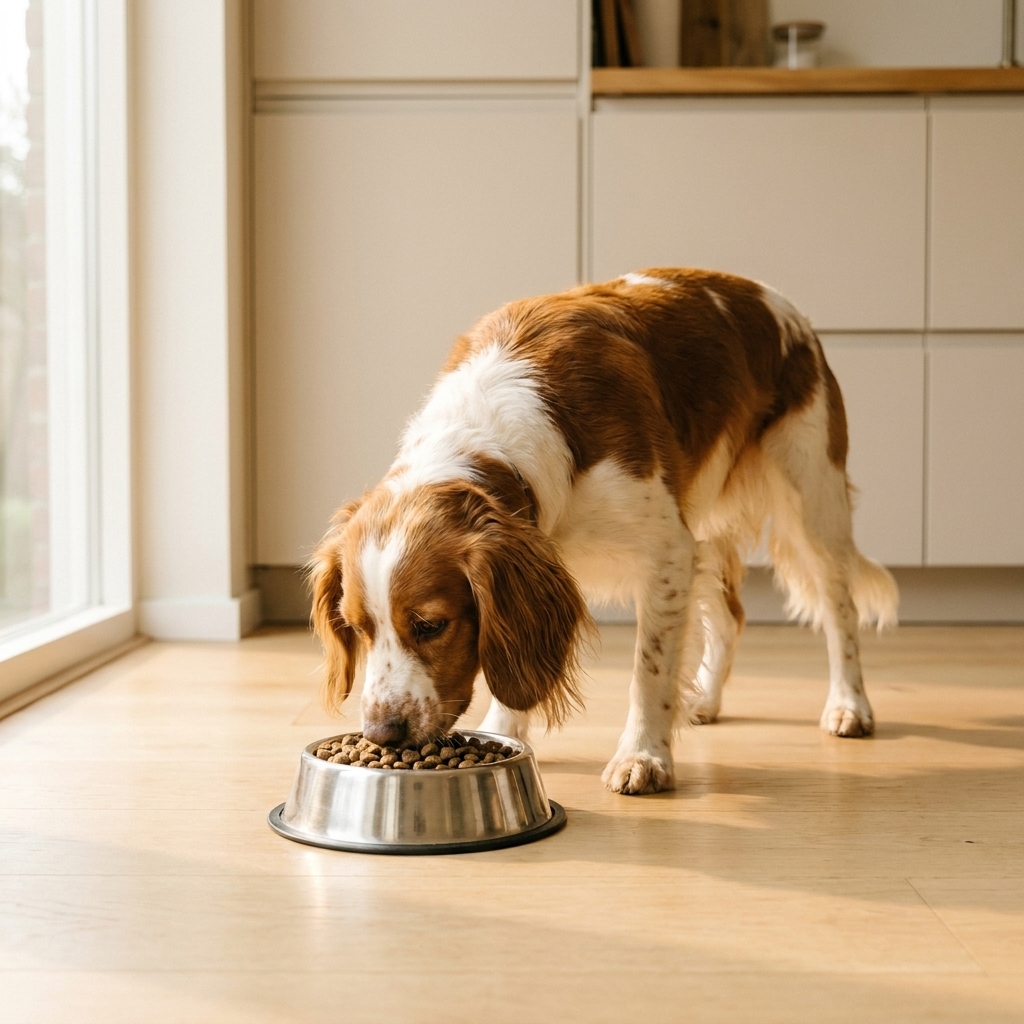
Why food changes upset a dog’s stomach
Your dog’s digestive system is home to a whole community of gut bacteria that help break down food. When you change ingredients suddenly, that community needs time to adjust. Without that adjustment period, you may see:
Diarrhea or soft stool
Gas and tummy gurgles (audible gut sounds)
Decreased appetite
Vomiting
Itchy ears or paw licking (sometimes a new formula can flare an existing sensitivity)
Some dogs are naturally more sensitive, especially seniors, dogs with a history of pancreatitis, dogs with inflammatory bowel disease, and pups who have had a lot of diet changes already. And sometimes it is not the food at all. Parasites (like Giardia), stress, table scraps, and sneaky new chews can cause the same symptoms.
Before you switch: quick safety checks
Confirm the reason for the change
If you are switching because of chronic diarrhea, vomiting, frequent ear infections, intense itching, or unexplained weight loss, it is worth talking with your veterinarian first. Diet is part of the puzzle, but rapid food swapping can make it harder to figure out what is really going on.
Also, there are situations where your vet may want a faster change, like starting a prescription gastrointestinal diet after a pancreatitis flare or acute GI upset. If you have been given specific instructions, follow those.
Pick one new food and stick with it
Try not to rotate multiple new foods “just to see.” For most dogs, the goal is to choose one new diet and stick with it throughout the transition unless symptoms are significant. If your dog reacts, you will not know which ingredient was the culprit.
Match life stage and any medical needs
Choose a diet appropriate for your dog’s life stage (puppy, adult, senior) and size. For medical conditions like kidney disease, suspected food allergies, or pancreatitis, use the diet your vet recommends. Over-the-counter “limited ingredient” foods are not the same as veterinary prescription hydrolyzed or elimination diets.
Measure meals during the transition
Use a measuring cup or, even better, a kitchen scale. Transition problems often start with accidental overfeeding, especially when mixing two foods with different calorie densities.
The gradual transition schedule
For most healthy dogs, a 7 to 10 day transition works beautifully. If your dog has a sensitive stomach, stretch it to 10 to 14 days.
7-day schedule
Days 1 to 2: 75% old food + 25% new food
Days 3 to 4: 50% old food + 50% new food
Days 5 to 6: 25% old food + 75% new food
Day 7: 100% new food
If stools stay formed and your dog is acting normal, you can keep moving forward. If stools loosen, pause at the current ratio for 2 to 3 more days before increasing the new food again.
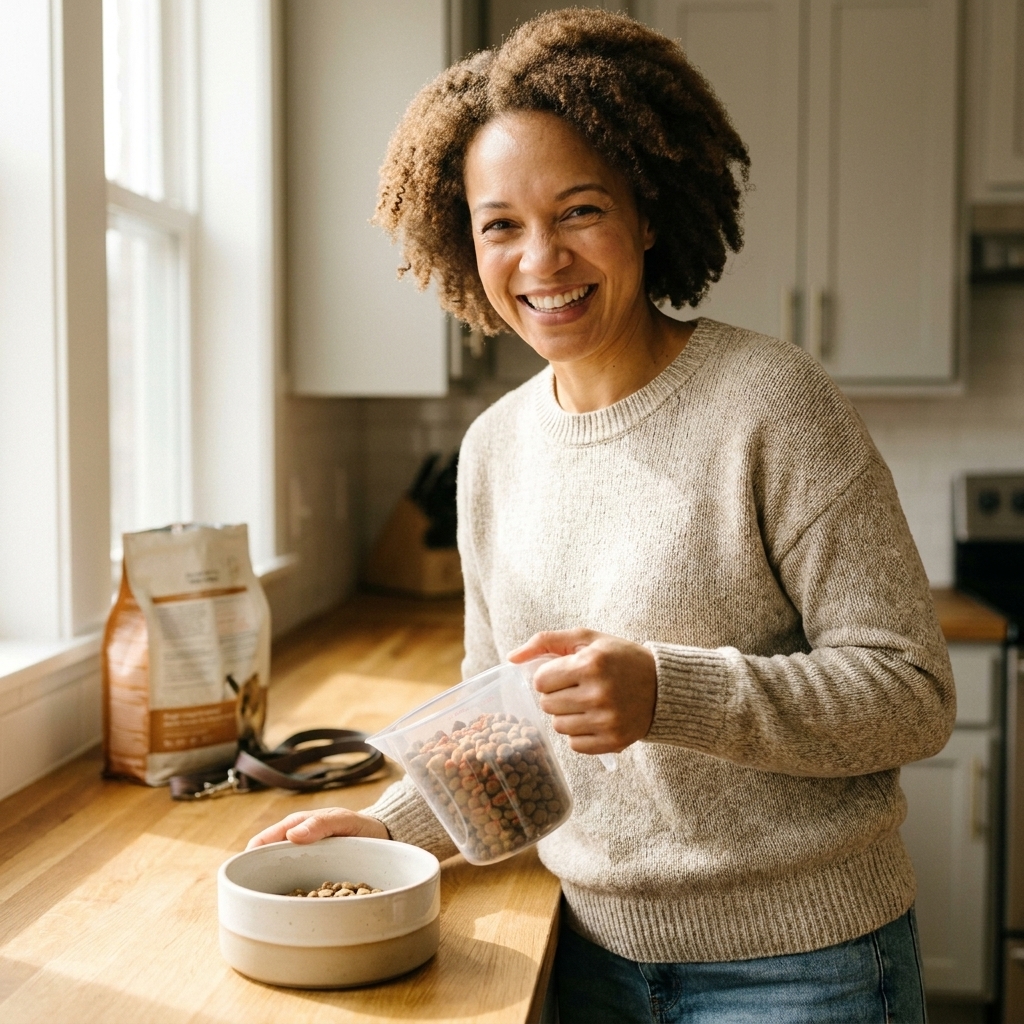
How to mix foods the right way
Mix by calories when possible, not just volume
One cup of old kibble might not have the same calories as one cup of the new kibble. If your dog gains weight easily, check the feeding guide and calorie content on both bags. When in doubt, ask your veterinary team to help you calculate a starting portion.
Keep treats boring during the switch
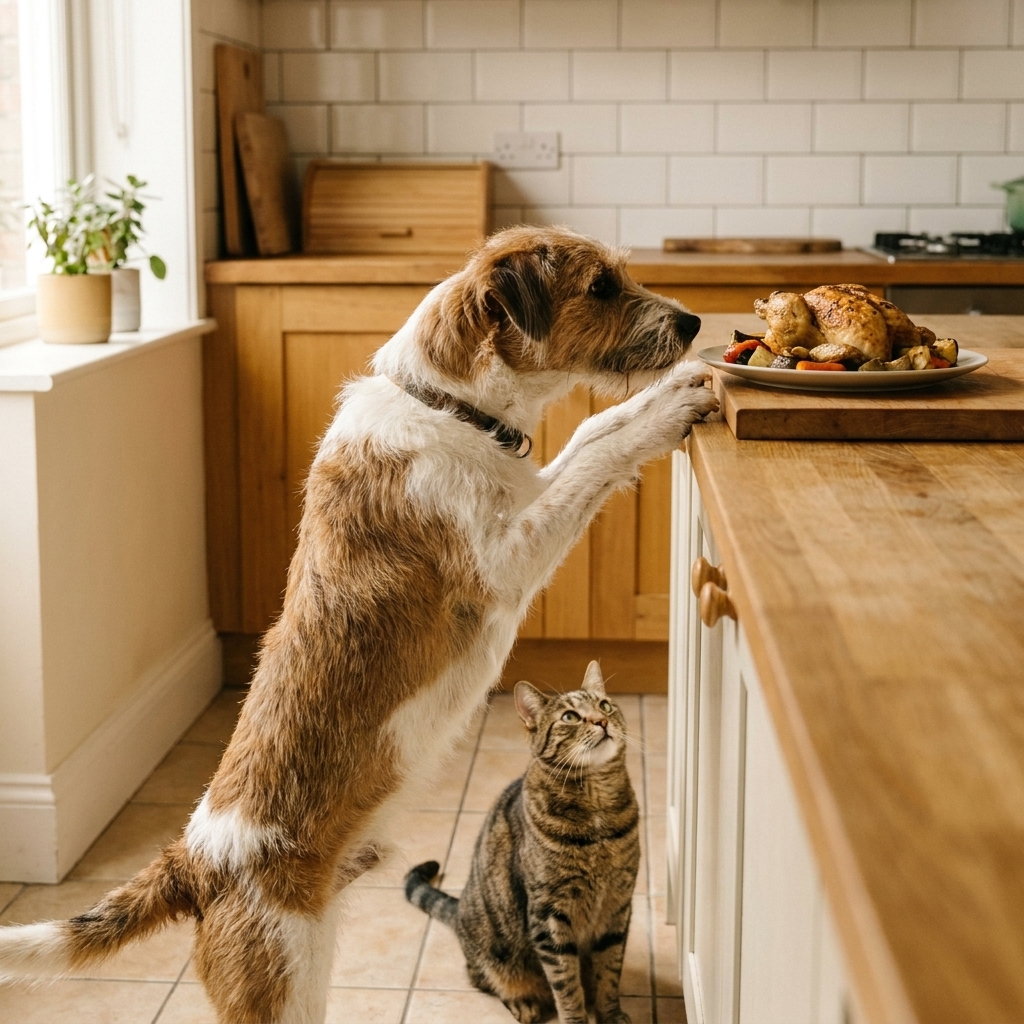
This is not the week to introduce a new chew, rich training treats, or table scraps. If your dog gets loose stool, you want to be confident it was the food transition and not the new peanut butter biscuit.
Use consistent meal timing
Regular mealtimes help you notice appetite changes quickly and can reduce stomach upset in dogs that get morning nausea (sometimes called bilious vomiting).
Multi-dog or free-feeding households
If you have more than one dog, feed separately during the transition so you can control portions and match symptoms to the right dog. If your dog is a grazer, consider switching to timed meals for a couple weeks. It is much easier to track appetite, stool, and how much new food they actually ate.
Switching diet types
Kibble to wet food
Some wet foods are higher in fat or simply very different in fiber and ingredients, which can trigger diarrhea if introduced too quickly. Use the same gradual schedule, and check the label (including calorie content and the guaranteed analysis) before you start. If your dog is prone to pancreatitis, confirm the fat level with your vet first.
Kibble to fresh or gently cooked food
Fresh diets can be great for some dogs, but they are not automatically balanced unless formulated to be complete and balanced for your dog’s life stage. Transition slowly, and confirm the diet meets AAFCO nutrient profiles or is formulated by a qualified veterinary nutritionist.
Any switch to raw food
Raw diets carry bacterial and parasite risks for pets and people. The bacteria most commonly discussed include Salmonella, Campylobacter, and Listeria. Risk is not just in the bowl. It can spread through handling, kitchen surfaces, and your dog’s saliva and stool. If you are considering raw, discuss it with your veterinarian first and use strict food safety practices. From a stomach-settling standpoint, you still want a gradual transition.
What is normal (and what is not)
Often normal
Slightly softer stool for a day or two
Mild extra gas that resolves as you hold the current ratio
A brief appetite dip, especially if the new food smells different
Call your vet if you see any of these
Repeated vomiting, or vomiting plus lethargy
Watery diarrhea that lasts more than 24 hours, or sooner if your dog is small, very young, or has other health issues
Blood in stool or black, tarry stool
Abdominal pain, bloating, or unproductive retching
Not eating for a full day, or same-day loss of appetite in puppies and toy breeds
Signs of dehydration (sticky gums, sunken eyes, weakness)
If your dog is a puppy, a senior, very small, or has a chronic condition, err on the cautious side and call sooner.
If diarrhea shows up mid-switch
First, take a breath. Most mild cases improve with a slower pace.
Step 1: Pause the transition
Go back to the last ratio where stools were normal, and stay there for 2 to 3 days.
Step 2: Make sure you are not overfeeding
Double-check your measurements. Mixed feeding can accidentally bump calories up.
Step 3: Simplify extras
Stop new treats, chews, and people food. Keep water available at all times.
Step 4: Ask your vet before adding supplements or meds
Some dogs benefit from a probiotic, but not all products are created equal. Your vet can recommend one that is appropriate for your dog’s age, health history, and symptoms.
Step 5: Know what to track if you need help
If symptoms are not improving, bring your vet a quick timeline: when the switch started, the exact foods (photos of the labels help), treats and chews, any table scraps, and a stool photo or description. It sounds gross, but it speeds up answers.
Vet tech tip: If stool is consistently loose even at 25% new food after several days, that is a clue the new diet may not be a good match, or something else is going on medically. Do not keep pushing forward and hoping it magically clicks.
When to go slower
Consider a 10 to 14 day transition if your dog is:
Prone to stress diarrhea
A senior with a history of stomach sensitivity
Recovering from a recent GI bug
Switching to a significantly different formula (for example chicken-based to fish-based, or standard to high fiber)
A slower timeline is not “overkill.” It is gentle, and it keeps you from playing cleanup crew at 2 a.m.
FAQ
Can I switch my dog’s food cold turkey?
I do not recommend it unless your veterinarian specifically instructs you to do so for a medical reason. Most dogs do better with a gradual transition, even if they seem “tough.”
How long should a dog food transition take?
Plan for about a week to 10 days for most healthy dogs. For sensitive stomachs, go 10 to 14 days and pause if stool loosens.
Should I use a bland diet if my dog’s stomach gets upset?
Only with guidance from your veterinarian, especially if symptoms are more than mild. A bland diet can be helpful short-term for some GI upsets, but it can also complicate a food trial or mask a bigger problem.
My dog refuses the new food. What can I do?
Try warming wet food slightly, adding a splash of warm water to kibble, or using the new food as training “treats” during the day. Avoid adding rich toppers right now, since they can cause diarrhea and teach picky habits. If your dog will not eat at all, especially if they are a puppy or very small dog, call your vet the same day.
Is it normal for my dog to itch after switching foods?
Mild scratching happens sometimes, but increasing itchiness, ear redness, paw licking, or new skin bumps can point to a sensitivity or an allergy flare. Stop the transition and talk with your veterinarian about next steps.
The calm way to switch
If you take nothing else from this, take this: go slower than you think you need to. A gradual schedule protects your dog’s gut, gives you cleaner clues if something does not agree with them, and saves everyone a lot of stress.
If you want to be extra kind to your future self, snap a quick photo of your dog’s feeding ratios each day or jot it in your phone notes. When you are sleep-deprived and scooping poop, it is surprisingly easy to forget what day you are on.