A practical, judgment-free winter guide to dog coats, booties, and paw care, plus sizing tips and step-by-step boot training for even the most skeptical pups.
I still remember a Labrador patient from my vet tech days whose family thought he had a “bad habit” of licking his paws. Turns out he had a tiny foxtail awn wedged between two toes. Once it was removed and the irritation treated, the licking faded fast. That is the tricky part about paw licking. Sometimes it is just dry winter skin or boredom. Other times it is your dog’s way of saying, “Something hurts.”
One important note up front: too much licking can create its own problem. Even if the original trigger is mild, constant moisture and friction can break down skin and lead to hot spots or secondary infections.
Let’s walk through the most common reasons dogs lick or chew their paws, what you can safely check at home, and when it is time to call your veterinarian.
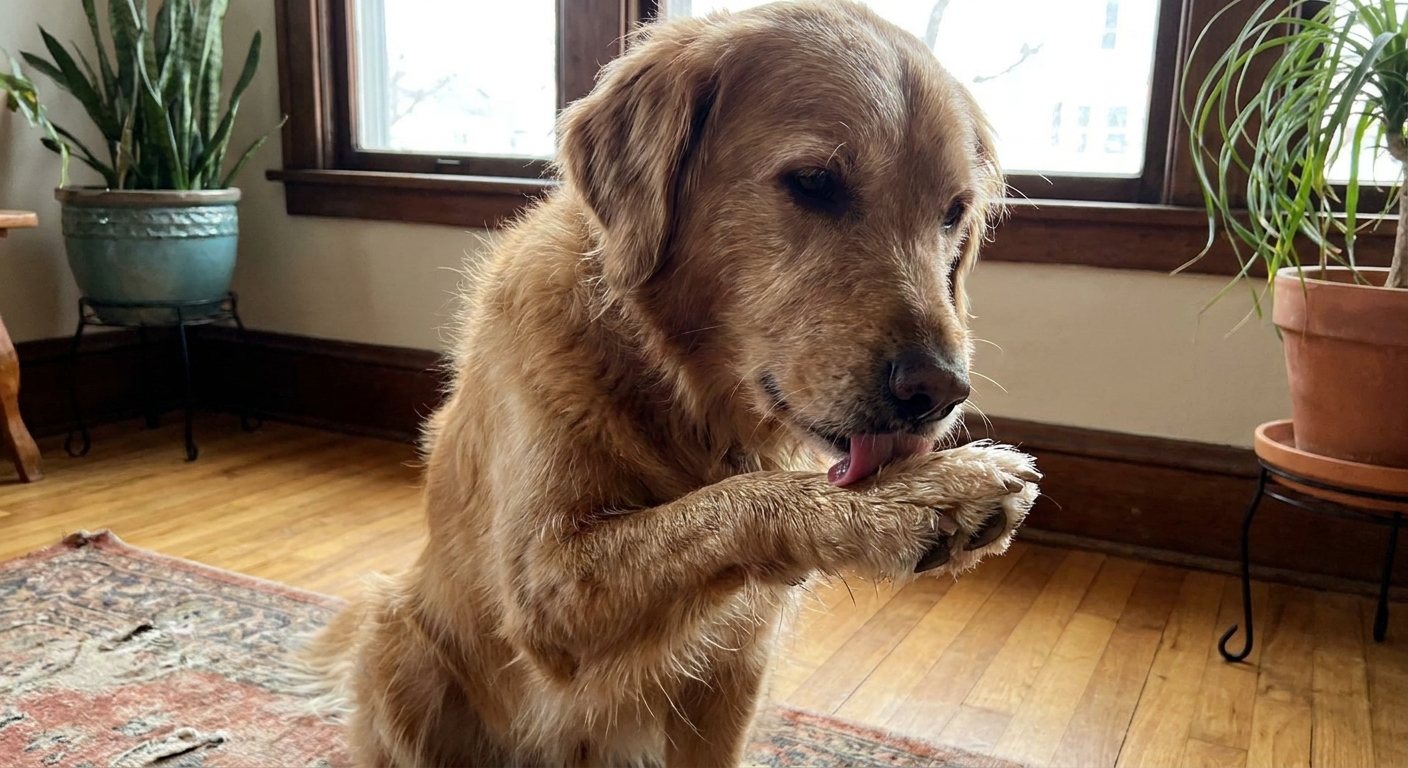
Is paw licking ever normal?
Occasional paw licking can be normal grooming, especially after coming in from outside or after a meal. I start to get concerned when licking becomes:
- Frequent or intense, like your dog cannot settle without doing it
- Focused on one paw or one spot
- New for your dog, especially in an older dog
- Paired with redness, odor, swelling, or limping
- So constant it interrupts sleep or causes hair loss
Those patterns usually mean discomfort, itch, pain, or anxiety that deserves a closer look.
Common reasons dogs lick their paws
1) Allergies (environmental or food)
Allergies are one of the top reasons dogs lick their paws. The paws are in constant contact with grass, pollen, dust, and winter salt. Dogs can also react to indoor triggers like certain cleaning products used on floors.
What it can look like:
- Red or inflamed toes and paw pads
- Licking all four paws, not just one
- Itchiness elsewhere too, like ears, belly, armpits, or rubbing face on carpet
- Seasonal flares, often spring through fall, but indoor allergens can cause year-round issues
What helps: wiping or rinsing paws after walks, bathing with a vet-approved shampoo, and working with your vet on an allergy plan.
If food allergy is on the list, the gold standard is a veterinarian-guided elimination diet trial, usually a strict 8 to 12 week trial with a prescription hydrolyzed or novel protein diet. (No flavored meds, no treats, no “just a bite,” which is the hardest part for most families.)
2) Yeast or bacterial infection between the toes
When paws stay damp or inflamed, yeast and bacteria can overgrow between the toes and around the nail beds. This is especially common in dogs with allergies, dogs who swim often, and dogs with hairy feet.
Clues to watch for:
- A strong musty smell or “corn chips” type odor (this can be associated with yeast or bacteria, but odor alone is not diagnostic)
- Redness between toes
- Brown staining on fur from saliva
- Greasy or thickened skin
- Tenderness when you spread the toes
What helps: drying paws well, trimming hair between paw pads if safe for you to do, and veterinary treatment. Many infections need prescription medication to fully clear, and your vet may recommend tests like cytology, skin scraping, or culture to choose the right treatment.
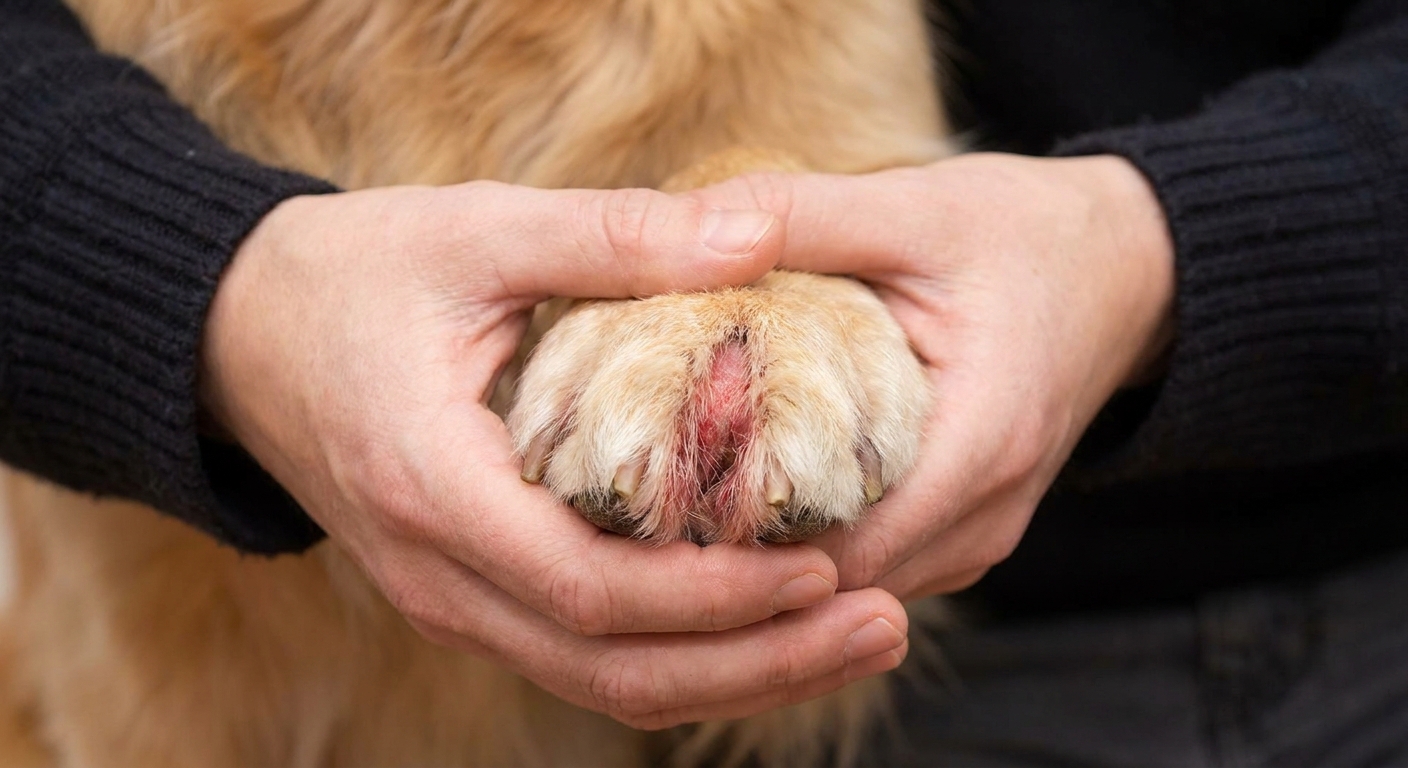
3) A cut, splinter, thorn, or foxtail
A tiny foreign body can cause a surprisingly big reaction. Foxtails are especially sneaky because they can migrate under the skin and cause infection.
Clues to watch for:
- Licking is focused on one paw
- Sudden onset after a walk or yard time
- Limping, holding the paw up, or yelping
- A small puncture, scab, or draining spot between toes
What helps: a careful paw check at home, then a vet visit if you cannot easily see and remove a superficial splinter. Do not dig deep with tweezers. That can break the material or push it further in.
4) Contact irritation (cleaners, chemicals, salt)
Sometimes the issue is not an allergy so much as an irritant: floor cleaners, lawn chemicals, or de-icing products can sting and inflame skin, especially if paws are already a little dry or cracked.
Clues to watch for:
- Licking starts after walking on treated sidewalks or after a mopped floor dries
- Redness on the tops of paws or between toes
- Multiple paws affected
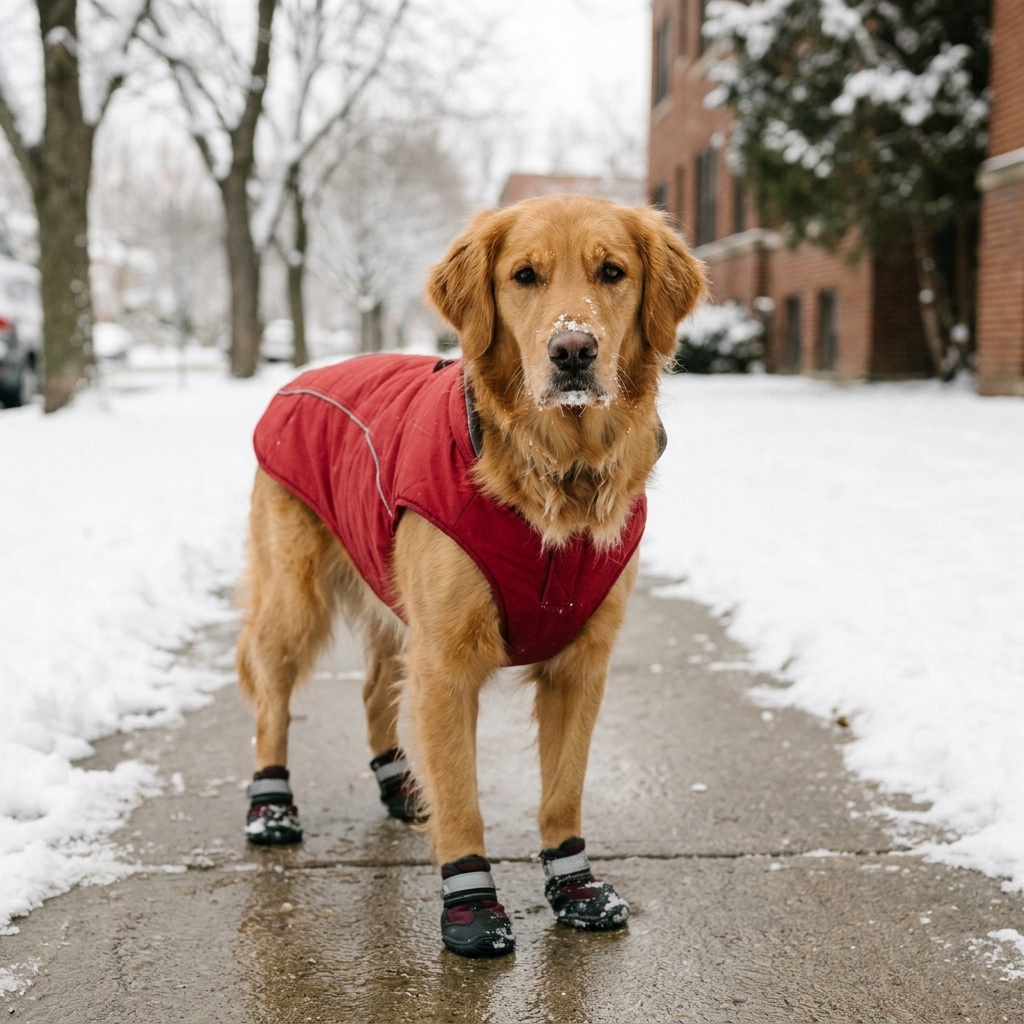
What helps: rinsing paws with lukewarm water after suspected exposure and drying thoroughly. If irritation is recurring, consider switching to pet-safe products and talk with your vet about barrier protection (like boots outside, or a dog-safe paw balm).
5) Dry, irritated winter skin
Cold weather, indoor heating, icy sidewalks, and de-icing salts can dry out paw pads and the skin between toes. Some dogs respond by licking because the skin feels tight or irritated.
Clues to watch for:
- Rough, flaky, or cracked paw pads
- Licking more after winter walks
- No discharge, no obvious puncture, and no strong foul odor
What helps: rinsing or wiping paws after walks, patting dry (including between toes), using a dog-safe paw balm, and considering protective boots on harsh surfaces.
6) Nail or nail bed problems
Broken nails, nails trimmed too short, or infections around the nail bed are painful and often cause nonstop licking.
Clues to watch for:
- One toe is the clear target
- Bleeding, a cracked nail, or a nail that looks crooked
- Swelling around the nail bed
- Pain when you touch the toe
What helps: if there is bleeding, apply gentle pressure with clean gauze. If a nail is broken, split, or clearly painful, contact your vet. Many nail injuries need pain relief and proper bandaging, and some need the damaged part trimmed under sedation.
7) Fleas or other parasites (one possible cause)
Fleas can absolutely trigger itchiness, and some dogs are intensely allergic to flea saliva. That said, fleas are only one possible reason for paw licking.
Clues to watch for:
- Itching at the base of the tail, belly, and inner thighs
- Small black specks in the coat that turn reddish-brown when wet (flea dirt)
- Multiple pets in the home itching
What helps: consistent veterinarian-recommended parasite prevention and treating the household environment when fleas are present.
8) Skin lumps between toes (interdigital cysts, furunculosis)
Interdigital cysts and related conditions (you may hear “interdigital furunculosis” or “pododermatitis”) can look like a swollen bump between toes. They are often painful and can drain or bleed, and dogs will lick because it genuinely hurts.
Clues to watch for:
- A lump, swelling, or “bubble” between toes
- Draining fluid or blood
- Recurrent flare-ups in the same area
What helps: a vet exam. These can be tied to allergies, infection, hair and friction, or underlying anatomy, and they often need targeted treatment (sometimes more than once).
9) Pain higher up (leg, joints, spine)
Dogs sometimes lick their paws because of referred discomfort. Arthritis, a sore wrist, or even a neck or spine issue can make a dog fuss at the foot even when the paw itself looks normal. I especially think about this when the paw looks fine but the licking is persistent, one-sided, and paired with stiffness or gait changes.
Clues to watch for:
- Stiffness after rest
- Reluctance to jump or use stairs
- Limping that comes and goes
- Licking increases after exercise
What helps: a vet exam. Pain management and supportive care can make a big difference, especially for senior dogs.
10) Stress, boredom, or compulsive licking
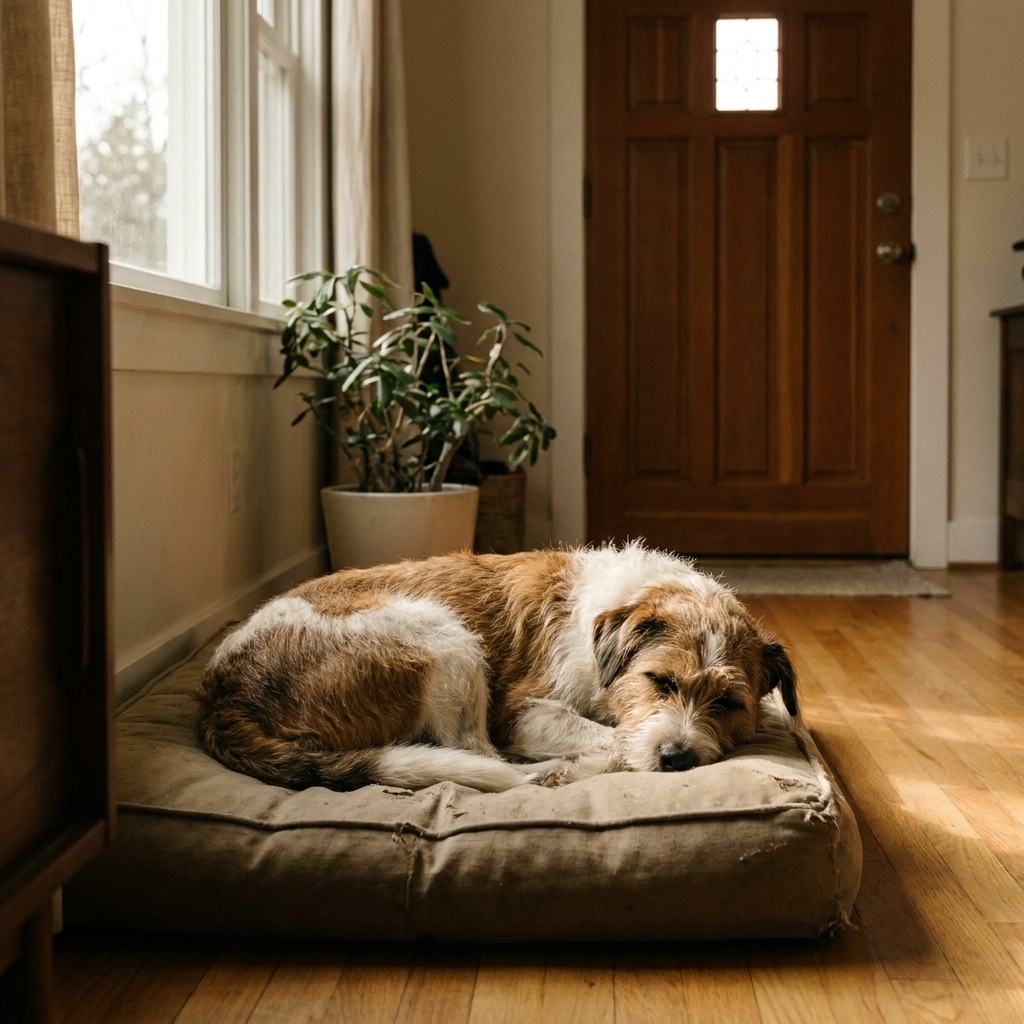
Some dogs lick as a self-soothing behavior, and it can become a habit, especially in high-energy dogs who are under-stimulated. I see this a lot in smart, social dogs who need more enrichment or structure in their day.
That said, true compulsive disorders are a real thing. They are also a diagnosis you earn after you rule out itch and pain first.
Clues to watch for:
- Licking mainly during quiet times, like evenings or when you are working
- No redness, odor, swelling, or wounds at first
- History of separation anxiety or pacing
What helps: more exercise, training sessions, food puzzles, sniff walks, and addressing anxiety with your vet or a qualified trainer. If the licking has already caused skin damage, you still need medical care to break the itch-lick cycle.
What you can safely check at home
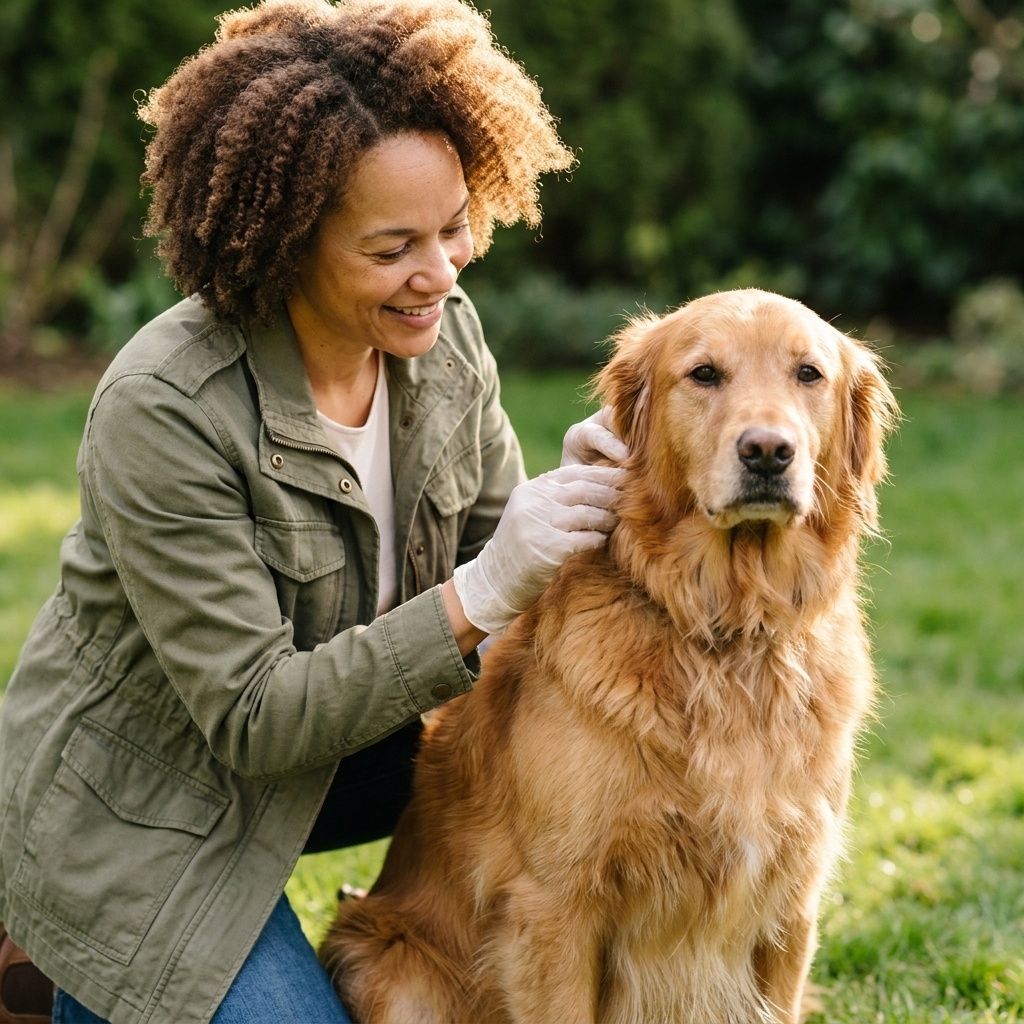
If your dog will let you handle their feet comfortably, a quick “paw inspection” can be really helpful. Pick a calm moment, grab a treat, and take it step by step.
At-home paw check checklist
- Look between the toes for redness, swelling, debris, burrs, or a small puncture.
- Check the paw pads for cracks, peeling, or a torn pad.
- Look at the nails for splits, bleeding, or a nail that is loose.
- Smell the paws. A strong musty odor can go along with yeast or bacterial overgrowth, but you still need an exam to know the cause.
- Feel for heat compared to other paws. Warmth and swelling suggest inflammation or infection.
- Watch them walk on a flat surface. Subtle limping matters.
What to avoid: do not use hydrogen peroxide, rubbing alcohol, or essential oils on paws. These can delay healing or be toxic if licked. Also skip human anti-itch creams unless your vet specifically okays them, since many contain ingredients dogs should not ingest.
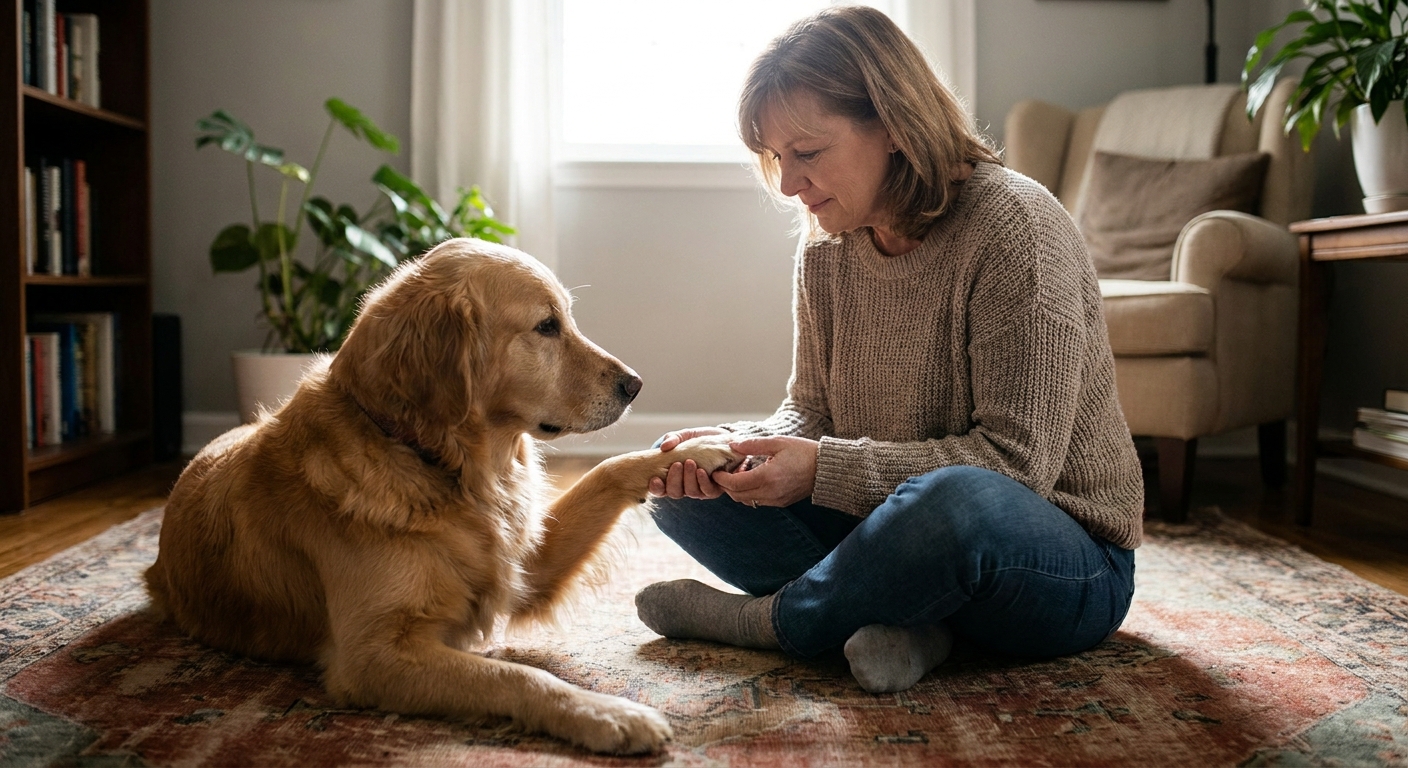
When paw licking needs a vet
I am very pro “trust your gut” here. If something feels off, it is worth a call. Contact your veterinarian promptly if you notice:
- Swelling of the paw, toes, or nail bed
- Limping, holding the paw up, or yelping
- Bleeding, a torn nail, or a deep cut
- Pus, discharge, or a strong foul odor
- Moist, raw skin or a hot spot type lesion
- Licking that will not stop or is keeping your dog from sleeping
- Rapid worsening over 24 to 48 hours
- Fever, lethargy, or loss of appetite
If your dog is obsessively licking and you cannot safely stop them from chewing the skin open, your vet may recommend an e-collar or alternative cone to protect the paw while the underlying cause is treated.
What helps, depending on the cause
Because paw licking is a symptom, the right fix depends on what is driving it. Here are safe, practical steps that often help while you wait for a vet appointment or while you work on prevention.
After-walk paw care
- Wipe paws with a damp cloth after outdoor time, especially during pollen season or winter salt season.
- Rinse with lukewarm water if your dog walked on treated sidewalks or lawn chemicals, then dry well between toes.
- Consider dog boots for dogs with sensitive paws on ice, salt, hot pavement, or rough trails.
Keep paws dry
- Dry thoroughly after baths, rain, or swimming.
- If your dog has hairy feet, ask your groomer or vet about a safe trim between paw pads.
Increase enrichment if boredom is suspected
- Rotate chew toys and food puzzles.
- Do short training sessions that work the brain, like targeting, “find it,” or leash skills.
- Add sniff-focused walks where your dog can safely explore at their own pace.
Prevent licking from becoming a wound
If the skin is already irritated, stopping access is often part of healing. An e-collar, inflatable collar, or a vet-approved protective boot can prevent the lick-lick cycle from turning mild irritation into a hot spot.
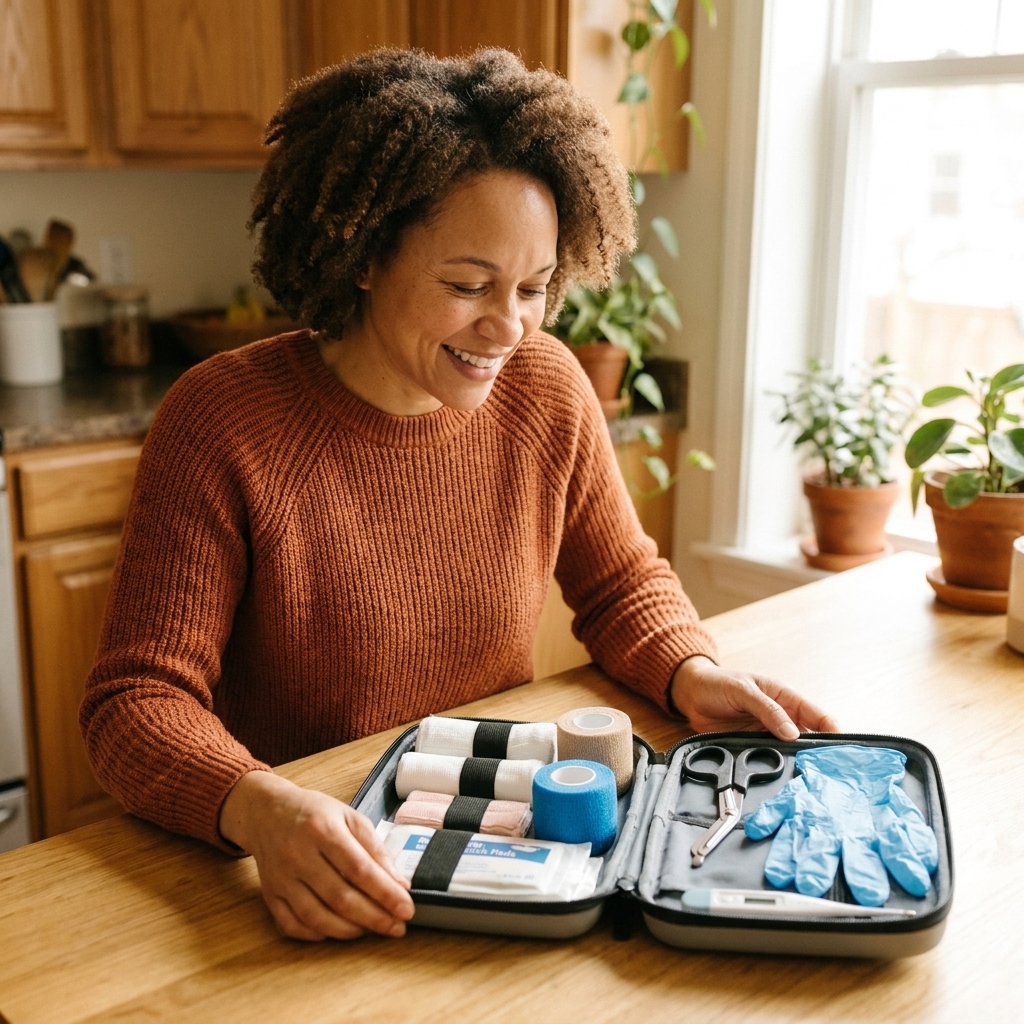
If you bandage a paw, it must be done correctly to avoid cutting off circulation. Bandages can also trap moisture and worsen infection. If you do bandage at your vet’s direction, recheck often. If toes look swollen, feel cold, or your dog seems more painful, the bandage should come off and your vet should be contacted.
FAQ
Why does my dog lick their paws at night?
Nighttime licking is commonly linked to allergies (itch feels worse when the house is quiet), yeast or bacterial overgrowth, or boredom and self-soothing. If it is new, persistent, or intense, a vet exam can rule out infection or pain.
Why does my dog lick only one paw?
One-paw licking makes me think “local problem” first: a cut, thorn, foxtail, nail injury, a lump between the toes, or localized infection. If the paw looks normal, it can still be pain higher up in the leg, shoulder, elbow, or spine. If you see swelling, discharge, bleeding, limping, or a draining spot, contact your vet.
Can I soak my dog’s paws at home?
Ask your veterinarian before doing medicated soaks. For simple irritation from salt or mud, a brief rinse in lukewarm water and thorough drying is a safe starting point. If there is broken skin, significant redness, a lump, or suspected infection, you will want a plan that matches the cause.
Is paw licking a sign of fleas?
It can be, but it is not the only explanation. Fleas more often cause itch around the tail base and belly. Keep your dog on a vet-recommended flea preventive and have your vet check for other causes if paw licking persists.
The bottom line
Paw licking is one of those symptoms that can mean “no big deal” or “something needs attention,” and the difference is usually in the details: frequency, whether one paw is involved, and whether you see redness, odor, swelling, a lump, or pain.
If you are seeing a lot of licking, start with a gentle paw check, rinse and dry after outdoor time, and note any patterns like seasonality or certain walking routes. And if there is limping, bleeding, swelling, discharge, a draining tract, or licking that will not stop, that is your cue to bring your vet into the loop. You are not overreacting. You are advocating.