A vet tech–informed guide to choosing a harness or collar based on pulling, breed, size, and breathing issues. Includes fit checks, training tips, and comm...
Winter walks can be downright magical, until your dog starts doing the three-legged hop, lifting each paw like the sidewalk is lava. Cold air, icy pavement, packed snow, and de-icing chemicals can be rough on paws and skin. The good news is that a little gear can go a long way, as long as you choose pieces that fit well and introduce them kindly.
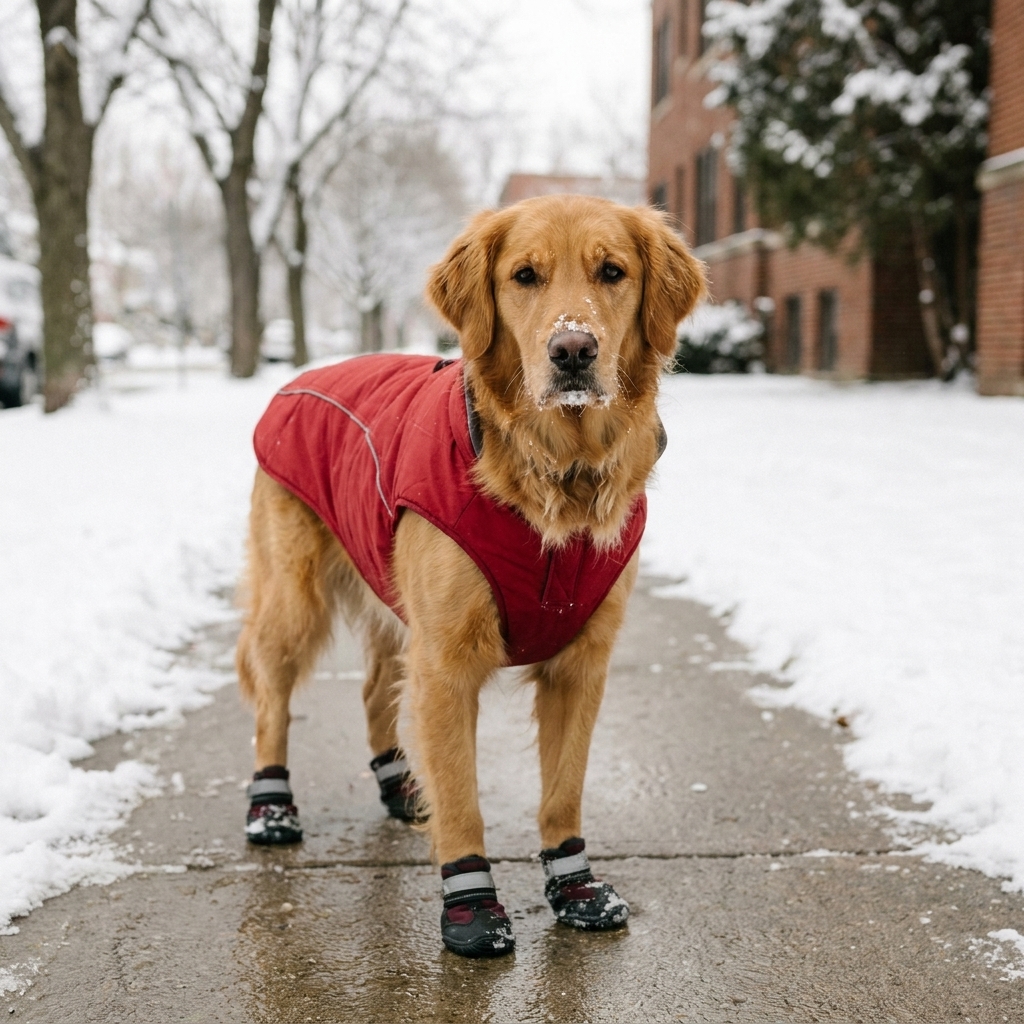
Below is how I think about winter gear in the clinic and at home with my own crew: focus on warmth where it matters, protect the paws, and make sure your dog can still move naturally and comfortably. And yes, some dogs truly do fine without any extra gear, especially for short, active outings. The key is matching protection to your dog and your weather.
Does your dog really need winter gear?
Some dogs can trot through snow like it is their full-time job. Others get chilled fast. Breed, coat type, body condition, age, health, and what your winter looks like all matter.
Dogs who often benefit from coats and paw protection
- Short-coated breeds (think Boxers, Greyhounds, many bully breeds)
- Small dogs who lose body heat faster
- Puppies and seniors
- Dogs with arthritis, who may stiffen up in cold weather
- Dogs with heart disease or other chronic conditions that make temperature extremes harder to tolerate
- Dogs who stand still a lot outdoors (sniff-heavy walkers, training classes, outdoor sports between runs)
Signs your dog is getting too cold
- Shivering or trembling
- Tucked tail, hunched posture
- Seeking to turn back home early
- Lifting paws repeatedly, licking paws after steps
- Slowed movement or stiff gait
If you ever see collapse, trouble breathing, extreme lethargy, weakness, confusion, or pale gums, treat it like an emergency. Those can be signs of serious hypothermia or shock, and your dog needs veterinary help right away.
Winter coats: what to look for
A good dog coat does two jobs: it traps body heat and blocks wind and wet snow. “Cute” is optional. “Fits correctly” is not.
Key coat features that actually matter
- Coverage: Look for chest and belly coverage, especially for low riders and short-haired dogs.
- Weather resistance: A water-resistant outer layer helps in slush and wet snow. Waterproof is helpful for dogs who plow through drifts.
- Warm lining: Fleece or insulated lining adds warmth without too much bulk.
- Secure closures: Wide Velcro panels, buckles, or zippers that do not pinch fur or skin.
- Freedom of movement: Your dog should be able to extend front legs fully without the coat pulling across the shoulders.
- Leash compatibility: A harness opening is ideal if your dog walks on a harness.
- Reflective details: Winter means darker walks, and visibility matters.
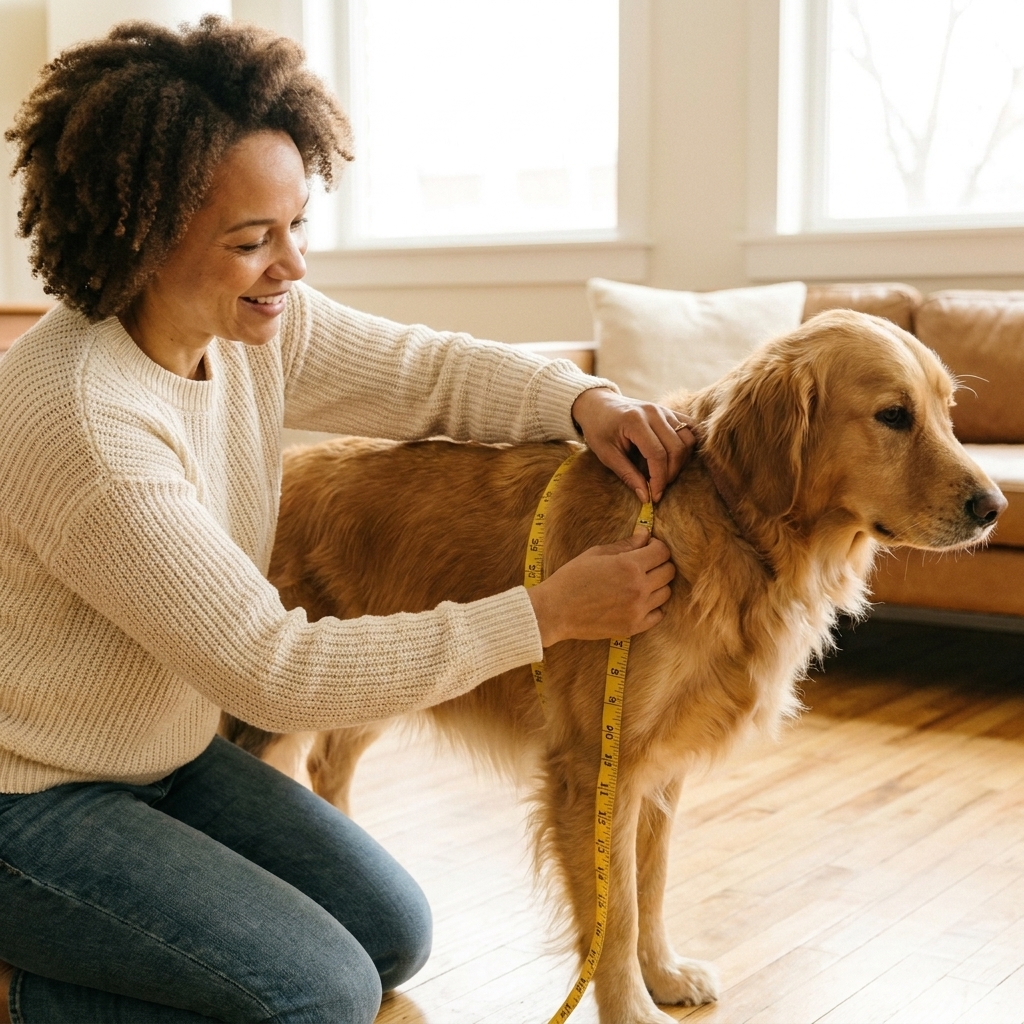
How to measure your dog for a winter coat
Different brands size differently, so always measure and compare to that brand’s chart. If your dog is between sizes, I usually size up for comfort, but only if it does not slide around or gape.
Grab these measurements
- Back length: From the base of the neck (where a collar sits) to the base of the tail.
- Chest girth: Around the deepest part of the ribcage, behind the front legs.
- Neck girth: Around the base of the neck, not up high by the throat.
Fit check once it is on
- You can slide two fingers under straps or closures.
- The coat does not rub in the armpits.
- Your dog can sit, trot, and sniff without restriction.
- No twisting, sliding, or bunching along the spine.
Quick vet tech note: If your dog wears a sweater or base layer under the coat, measure with that on, or size accordingly so you do not end up with a too-snug fit.
Dog booties: the real paw savers
Boots are not just for fashion. They protect against ice melt and chemicals, crusty ice balls between toes, sharp frozen debris, and irritated pads from repeated exposure to cold pavement.
When boots are most helpful
- Sidewalks treated with de-icing products
- Long walks on icy pavement
- Dogs who form snowballs between toes or in paw fur
- Dogs with already-dry, cracked pads
- Post-injury or post-surgery when your veterinarian recommends protecting the foot
What makes a boot actually wearable
- Flexible sole with grip: You want traction without a stiff, clunky “shoe” feel.
- Two points of attachment: Boots with two straps tend to stay on better.
- Higher cuff: A little height helps keep snow out, especially in deeper snow.
- Comfort seams: Inside seams should be smooth to avoid rubbing.
- Correct sizing: Too big slips off. Too small can restrict circulation or create pressure points.
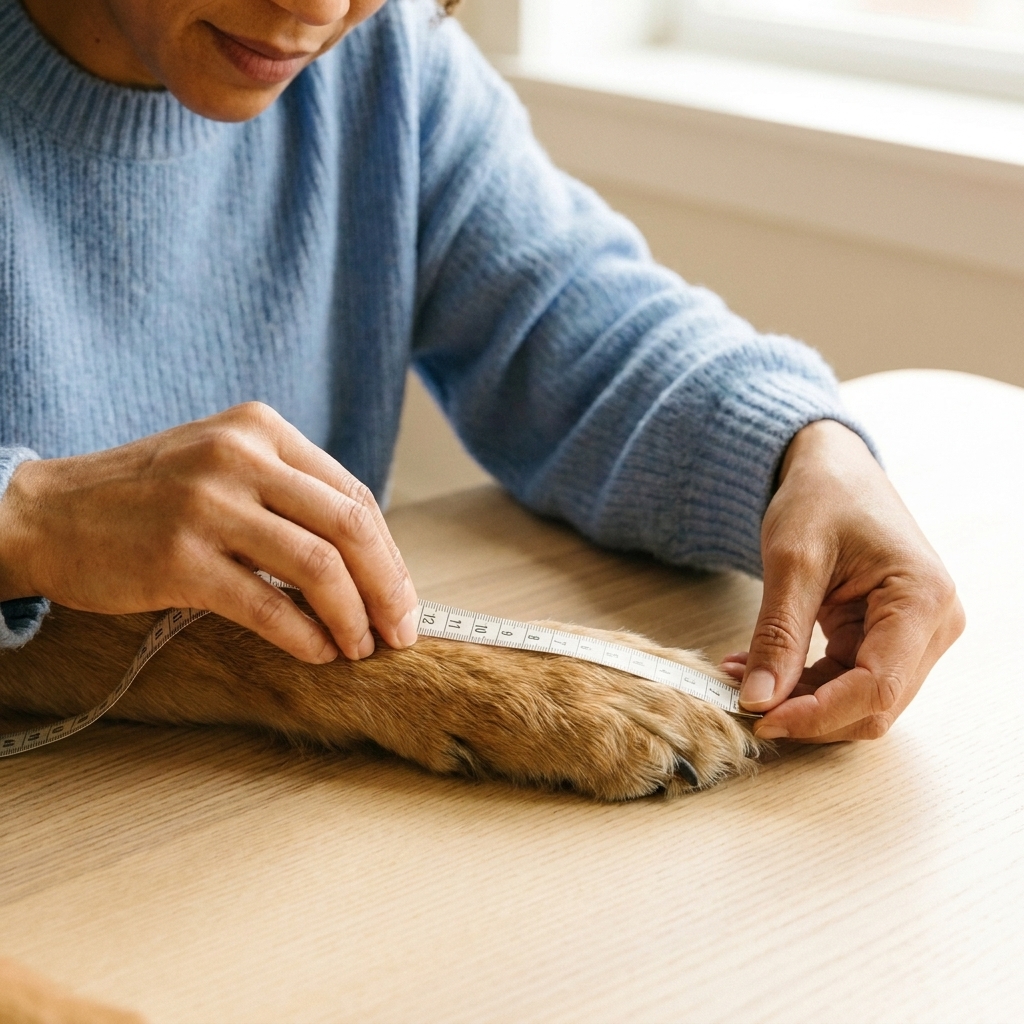
How to size dog boots
Most boot sizing is based on paw width. Measure your dog’s paw while they are standing and bearing weight, since the paw spreads slightly.
- Place paw on paper, mark the widest points, then measure across.
- Measure front paws and back paws. Some dogs need different sizes.
- Use the brand chart and do not guess. “Medium” varies wildly.
If boots spin, flop, or consistently fly off, sizing is usually the culprit. In my experience, the other big issue is straps that are not snug enough.
Training your dog to wear boots
Boot training is a skill, not a personality trait. Even confident dogs often need time to adjust to the weird new sensation. Go slow, keep sessions short, and pay generously. This is classic positive reinforcement territory.
Step-by-step boot training plan
- Boots equal good things: Let your dog sniff the boots. Mark and reward. Repeat until your dog looks relaxed and curious.
- Touch practice: Briefly touch a boot to a paw, then treat. Build up to gently holding a paw while showing the boot.
- One boot, one second: Put a single boot on, reward immediately, then remove it. Repeat a few times.
- One boot, a few steps: Boot on, treat, encourage a step or two, treat again, then remove.
- Add time, not pressure: Gradually increase duration indoors. Keep it upbeat and end before your dog gets frustrated.
- Two boots, then four: Move from one to two, then four. Many dogs do best adding the front boots first.
- Practice indoors before snow: The first outdoor boot experience should not be on freezing pavement.
Common boot problems and fixes
- The “high step” walk: Normal at first. Keep it light, reward movement, and do short sessions.
- Boots fall off: Recheck size and tighten straps. Long fur around the paw can reduce grip, so consider a tidy trim around the feet if your groomer or vet recommends it. Also check nail length. Overgrown nails can change how the foot sits in a boot and affect traction.
- Dog freezes and will not move: Go back a step. Try pairing boots with a favorite game or high-value treats.
- Redness or rubbing: Stop and reassess fit. Consider a different style. Some dogs do better with a sock liner, but it should not make the boot too tight.
Pro tip from my house: Put boots on right before a fun activity. Dogs learn faster when the gear predicts something they already love, like a walk, a hike, or a fetch session in the yard.
After-walk boot check
Boots are “on for the walk, off at home” gear. After you get inside, remove them, check for moisture trapped inside, and look for any damp fur, redness, or rubbed spots. On long outings, do a quick mid-walk check too, especially if your dog is charging through deep snow.
Paw protection without boots
If boots are a no-go, you still have options. The goal is to reduce contact with irritants and prevent pads from drying and cracking.
Paw balms and waxes
Paw balms can create a protective barrier and help with dryness. Apply before the walk, then wipe paws after. If your dog licks balm off, choose a pet-safe formula and supervise.
Toe fur management
Dogs with fluffy feet can collect snowballs between toes and pads. A simple paw trim can help reduce clumping. If you are not comfortable trimming, a groomer can do it quickly and safely.
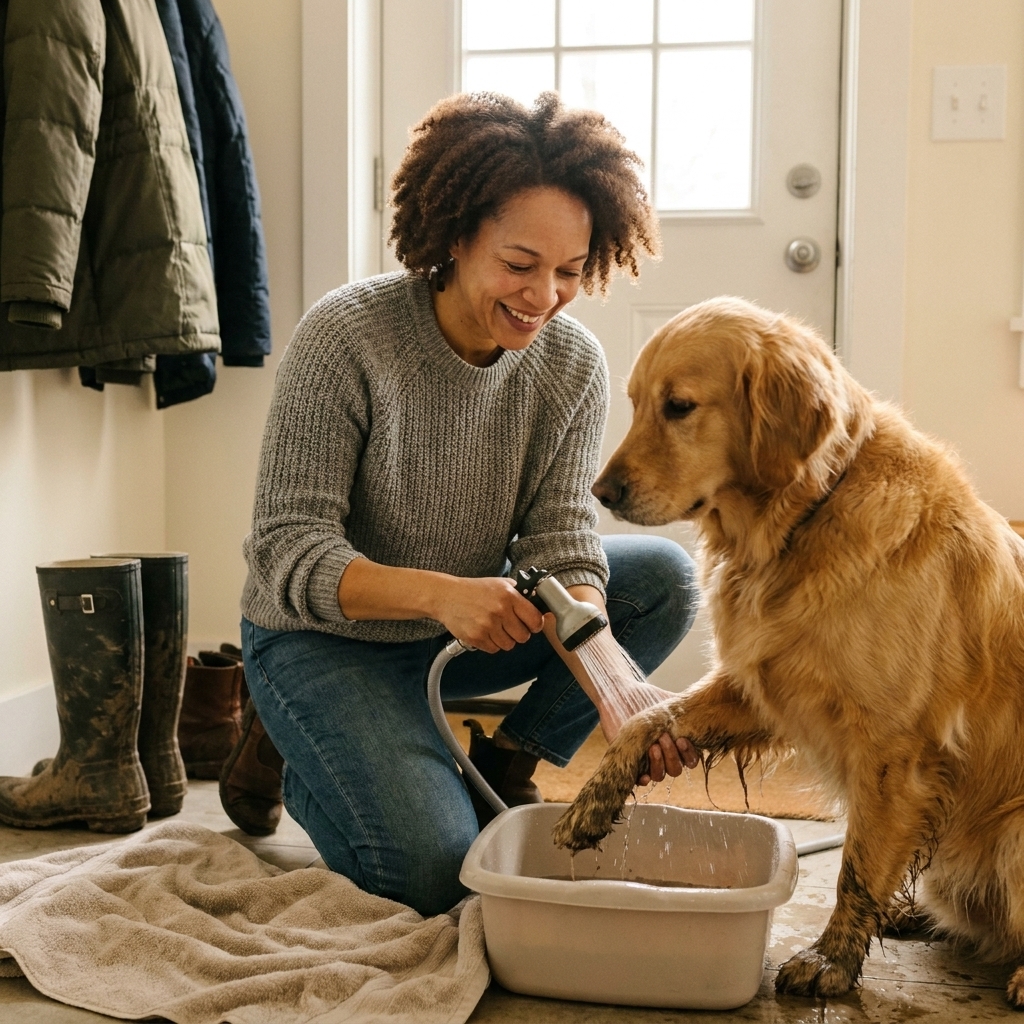
Post-walk paw rinse
In areas that use ice melt, I love a quick rinse with lukewarm water, then a gentle towel dry. You do not need a full bath. Think of it like washing hands after being outside.
Ice melt and salt safety
De-icers can irritate paw pads and skin, and many dogs will lick residue off their feet. “Pet-safe” products can still be irritating, especially for sensitive dogs.
- Avoid heavily treated sidewalks when possible.
- Rinse and dry paws after walks, and check between the toes for stuck salt, ice balls, or tiny cuts.
- Boots provide the strongest protection when chemicals are a concern.
Cold-weather walk essentials
Winter comfort is a whole-body project. A few small upgrades can make outdoor time safer and more enjoyable.
- Reflective leash or light-up clip: Helps cars and cyclists see you.
- Shorter, more frequent walks: Many dogs do better with multiple quick outings on extreme days.
- Warm-up time for seniors: A few minutes of gentle movement indoors before heading out can help stiff joints.
- Towel by the door: Drying legs and belly prevents chill and reduces skin irritation.
- Hydration still matters: Heated indoor air can dry dogs out too. Keep fresh water accessible.
Safety notes
Limit time outside in extreme cold
Even cold-loving dogs can get into trouble when temperatures drop sharply or wind chill is intense. If you are cold fast, your dog may be too, especially if they are small, short-coated, or senior.
Skip restrictive neck gear
Choose gear designed for dogs, with safe openings and a fit that does not press on the throat.
Watch for frostbite risk areas
Ears, tail tip, and paws are common trouble spots. If skin looks unusually pale, gray, blistered, or painful, get veterinary help.
Winter hazards to avoid
- Antifreeze: Even small amounts can be deadly if licked. Avoid puddles in driveways and streets, wipe paws if you suspect contact, and call your veterinarian or pet poison hotline immediately if ingestion is possible.
- Unreliable ice: Skip frozen ponds and lakes unless you are absolutely sure the ice is safe. Thin ice is a risk for dogs and people.
Winter gear checklist
- Everyday winter: Well-fitting coat for short-coated or small dogs, paw balm or boots, reflective gear
- Snow and ice days: Boots with traction, water-resistant coat, towel and paw rinse routine
- Salt and chemicals: Boots preferred, or diligent paw rinsing after every walk
- Senior comfort: Warm coat with chest coverage, shorter walks, extra time to warm up
FAQ
Can my dog overheat in a winter coat?
Yes, especially during high-energy play or on milder winter days. If your dog is panting heavily, seems restless, or feels hot to the touch under the coat, remove it and let them cool down. Choose lighter layers when temperatures are hovering near cool rather than cold.
Are dog boots safe for running?
They can be, if they fit properly and do not rub. Start with short sessions and check paws after. For serious running, look for breathable materials, secure straps, and flexible soles designed for active use.
What if my dog hates boots no matter what?
Some dogs truly struggle with them. Try paw balm plus a strict rinse-and-dry routine, and adjust your route to avoid treated sidewalks when possible. If your dog’s paws crack, bleed, or stay irritated, talk with your veterinarian about next steps and rule-outs like allergies or infections.
Bottom line
The best winter gear is the gear your dog can comfortably wear. Start with fit, keep introductions positive, and prioritize paw protection when ice melt and crusty snow are part of your daily walks. With the right setup, winter can be less about survival and more about sniffing all the interesting cold-weather smells your dog has been waiting for.