
A vet tech–approved, step-by-step guide to brushing your dog’s teeth at home, plus easy alternatives and warning signs that mean it’s time for the vet.
If you live with an aggressive chewer, you already know the routine: you buy a “tough” toy, your dog locks in, and five minutes later you are sweeping up rubber confetti like it is your part-time job. I have been there, both as a veterinary technician in clinic settings fielding panicked calls about swallowed chunks and as a pet parent watching my own dog size up a new toy like a personal challenge.
First, a reality check (said with love): no dog toy is truly indestructible for every dog. But there are toys that are as close as we get, built from safer materials, shaped to reduce tear points, and durable enough to last far longer than the average “new toy” honeymoon. Below are 10 of the most reliably long-lasting options for strong-jawed dogs, plus the safety rules I want you to keep in your back pocket.

Before you buy: what indestructible means
Durable is great. Safe is non-negotiable. When I am evaluating a chew toy for a power chewer, I look for a few practical things:
- Materials that fail in larger pieces, not sharp shards. This varies by product, but resilient rubber and many dense nylons often wear down differently than brittle plastics. Your job is to watch how your dog damages it.
- Minimal seams and weak points. Aggressive chewers start at edges, stitched seams, squeakers, and little arms and legs.
- Correct size for your dog’s mouth. Too small is a choking risk. Too large can frustrate some dogs. If it is also very rigid, that combination can increase the chance of tooth damage.
- A realistic view of hardness. Some veterinarians share a “fingernail dent” rule of thumb: if you cannot dent it at all, it may be hard enough to raise tooth fracture risk in determined chewers. It is not a guarantee either way. Dogs can fracture teeth on items that seem “safe,” especially if they bite down with full force.
My golden rule: if your dog can remove pieces pea-sized or larger (or lots of smaller bits they can swallow), that toy becomes supervised-only or gets retired.
10 durable dog toys for aggressive chewers
These picks are widely trusted among trainers, vet clinics, and long-suffering pet parents. I am focusing on toys with strong track records for safety, longevity, and sane design for heavy chewing. Nothing here is a lifetime guarantee, but these are the ones that, for many dogs, hold up.
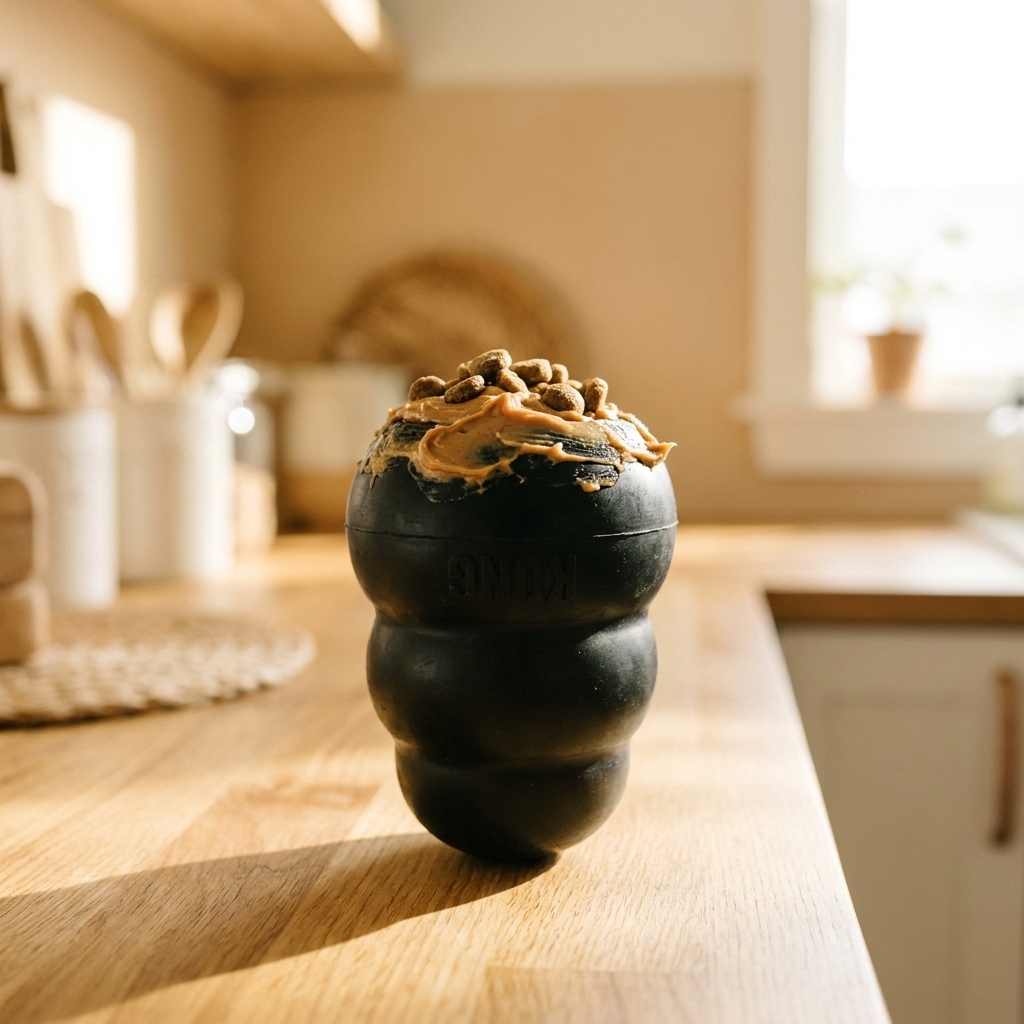
1) KONG Extreme (Black)
Best for: Stuffing, crate time, boredom-busting chew sessions
KONG’s black “Extreme” rubber is a classic for a reason. The shape is tough to grip with the back molars, and the unpredictable bounce helps redirect dogs that want to destroy rather than chew. Pack it with wet food and freeze it for serious staying power.
- Why it holds up: Thick natural rubber, minimal edges, no seams.
- Safety tip: Size up if you are between sizes. A too-small KONG is a preventable scare.
2) Goughnuts MAXX Chew Ring
Best for: All-day gnawing, high-drive chewers
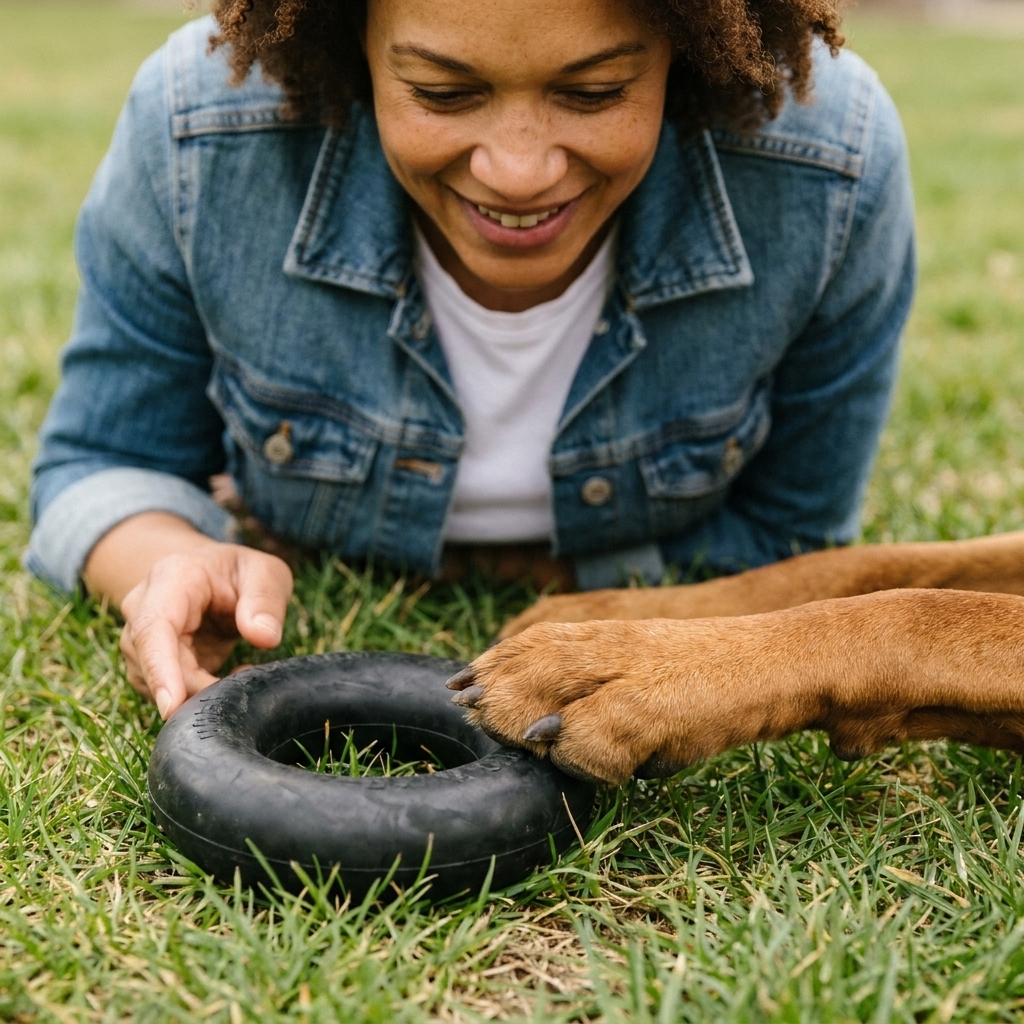
Goughnuts is one of the few brands that built their reputation around power chewers. The MAXX version is their toughest line, and the ring shape is simple, thick, and hard to disassemble.
- Why it holds up: Dense rubber engineered for heavy chewing.
- Safety tip: Use the right diameter for your dog’s size so they are chewing, not trying to wedge it.
3) West Paw Zogoflex Hurley
Best for: Chewing plus fetch, dogs who like a bone shape
The Hurley is a simple bar-bone design made from West Paw’s springy Zogoflex material. It is a solid choice for dogs that shred softer toys but do not necessarily crack the ultra-hard ones. Bonus: it floats.
- Why it holds up: Flexible, resilient material with no stuffing or fabric to tear.
- Safety tip: Replace if your dog starts shaving off curls, producing lots of small debris, or gouging deep divots.
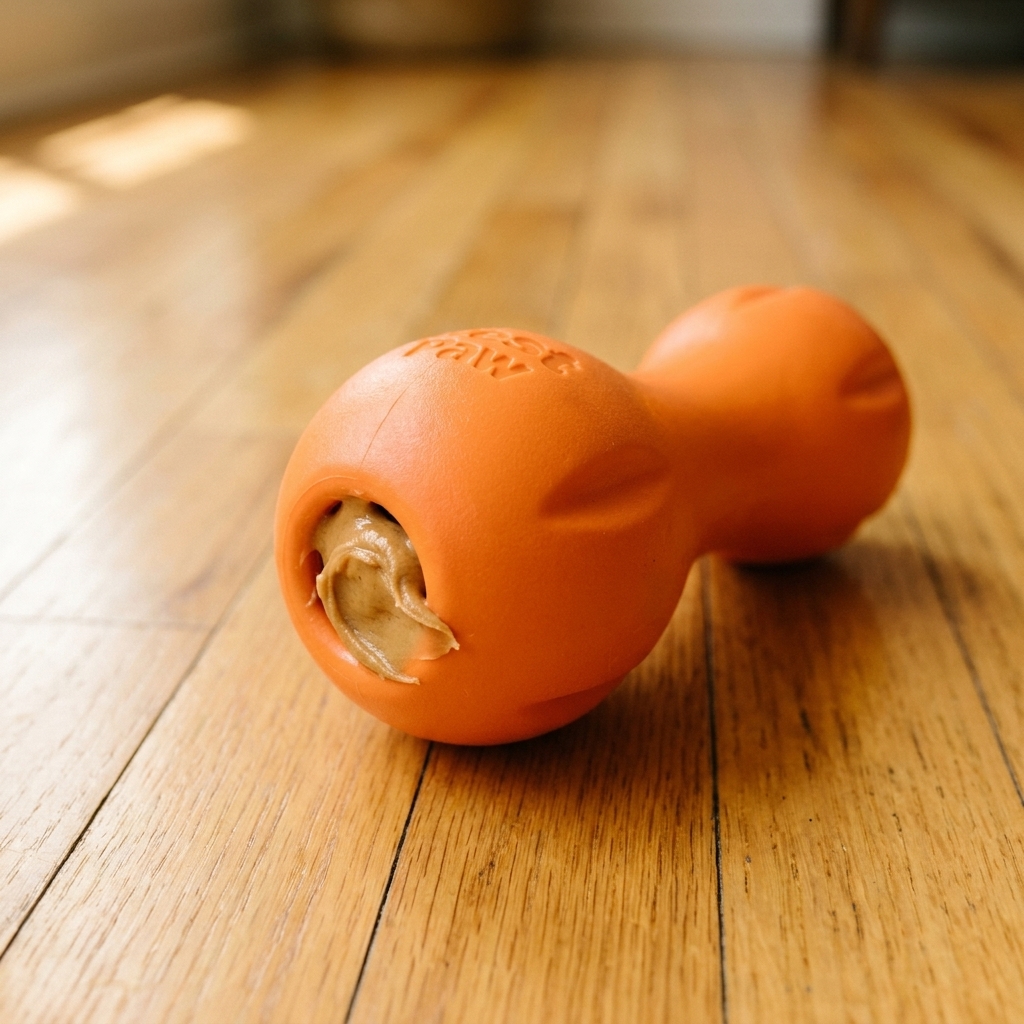
4) West Paw Zogoflex Tux
Best for: Treat-stuffing for aggressive chewers
Think of the Tux as the Hurley’s food-motivated cousin. The squat shape is harder for dogs to hold and aggressively work, which can reduce chunking and extend the life of the toy for many chewers.
- Why it holds up: Thick walls, fewer grip points, durable flexible polymer.
- Safety tip: Avoid stuffing with very hard treats that encourage full-force crushing. Soft fillings work best.
5) Nylabone Dura Chew (Textured Bone)
Best for: Dedicated chewers who want something they can really sink into
Dura Chew toys are a go-to workhorse option. The textured surfaces can keep some dogs engaged longer and may offer minor mechanical cleaning by scraping as they chew, but it is not a substitute for brushing or professional dental care.
- Why it holds up: Dense nylon designed to be gradually worn down.
- Safety tip: Retire when it gets small enough to fit between your dog’s back molars or when the ends become sharp.
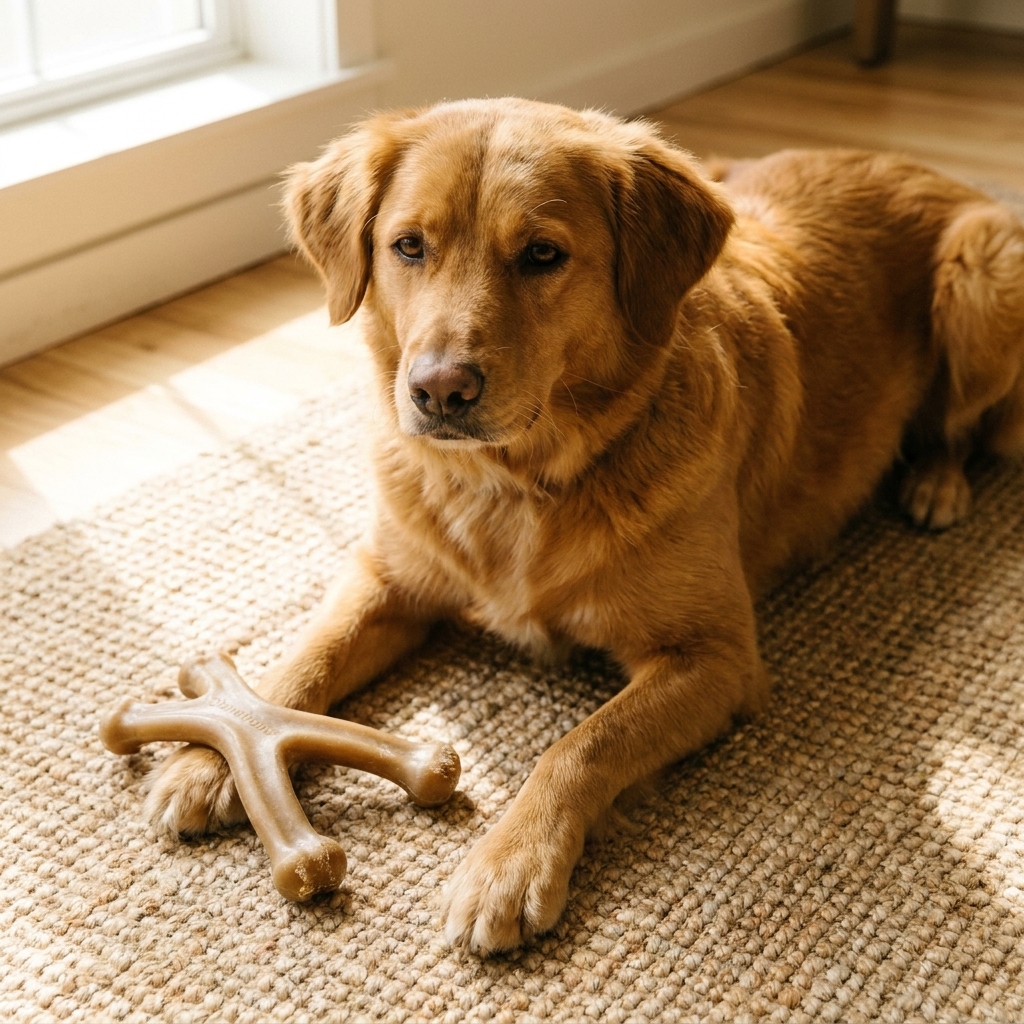
6) Benebone Wishbone (Tough Chew)
Best for: Dogs that prefer flavored chew toys and strong grip shapes
The Wishbone design gives dogs easy paw-holds, which sounds like it would make destruction easier, but for many power chewers it channels them into steady gnawing rather than frantic ripping. The flavors can be a huge win for picky chewers.
- Why it holds up: Durable nylon with a thick profile.
- Safety tip: If your dog is a cruncher who tries to snap pieces off, stick with rubber options instead.
7) KONG Safestix
Best for: Fetch lovers who destroy tennis balls and plastic sticks
Aggressive chewers often turn fetch toys into chew toys, and that is where splintering and swallowed fuzz can become a problem. Safestix is flexible and designed for safer catch-and-carry, with enough give to be gentler than rigid sticks.
- Why it holds up: Flexible rubber-like construction that resists tearing better than many stick toys.
- Safety tip: This is best as an interactive toy. Put it away between games if your dog is a relentless chomp-and-saw type.
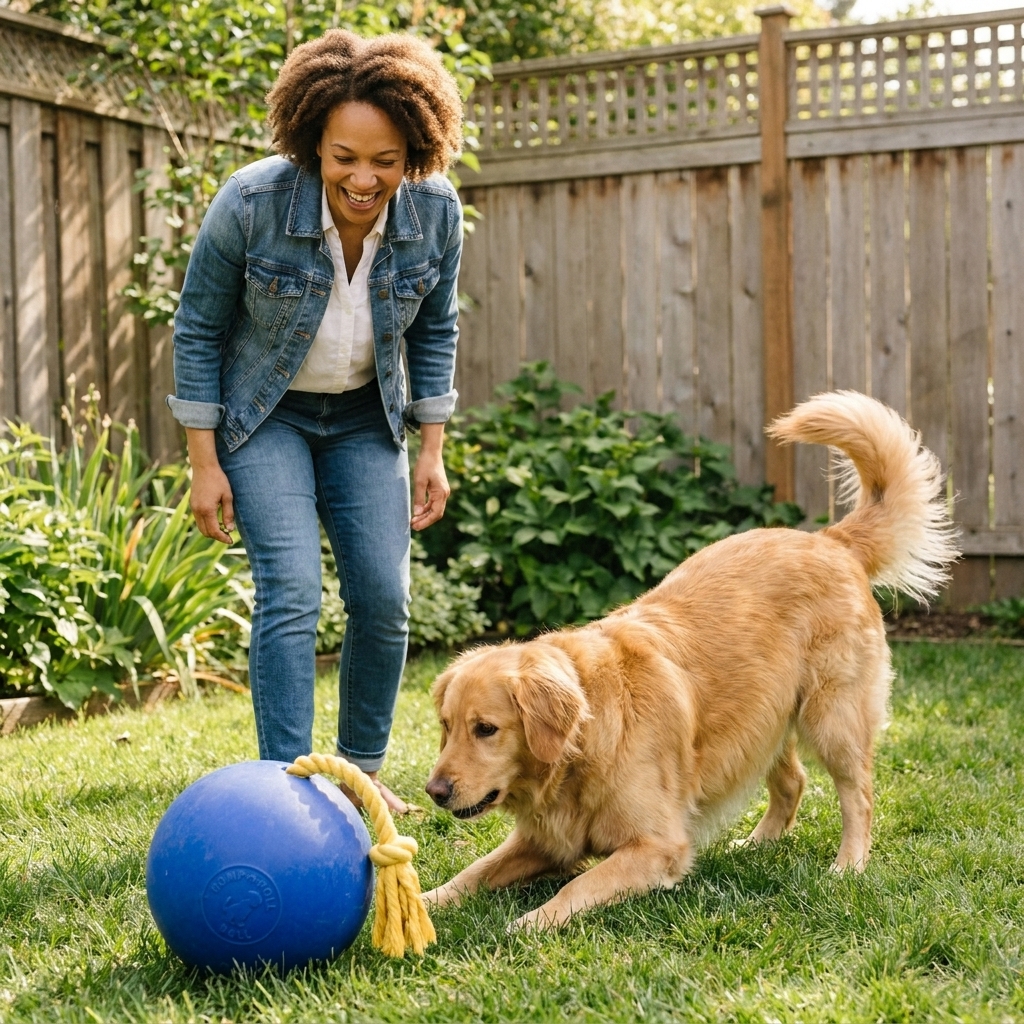
8) Jolly Pets Romp-n-Roll Ball
Best for: Tug + chase, dogs that love to carry and thrash
This one shines for dogs who want to shake, tug, and drag a toy around. The ball is tough, and the rope gives you a safer way to play without putting your hands near chomping teeth.
- Why it holds up: Thick ball material designed for rough play.
- Safety tip: Monitor rope wear. If your dog starts fraying and eating strands, swap it out immediately.
9) Playology Dual Layer Bone
Best for: Dogs motivated by scent, moderate-to-heavy chewers
Playology’s dual-layer construction is designed so the outer layer takes the brunt of the chewing. Many dogs stay interested because of the built-in scent, which can reduce the urge to hunt for the weak spot like they do with plush toys.
- Why it holds up: Two-layer design that can slow down total destruction.
- Safety tip: If your dog can peel the outer layer off in sheets, retire it. Once layers separate, it can get riskier fast.
10) Chuckit! Ultra Ball (supervised play)
Best for: Power chewers who also have a serious fetch habit
I am calling this one out with a big asterisk: this is not a leave-it-with-your-dog-all-day chew toy. But for aggressive chewers who shred tennis balls, the Ultra Ball is often a tougher upgrade for supervised fetch sessions.
- Why it holds up: Thick rubber that tends to resist punctures better than standard balls.
- Safety tip: If your dog can compress and tear chunks off, fetch only, then put it away.

How to choose a tough toy
Match the toy to their chewing style
- Gnasher (steady grinding): Rubber stuffable toys and durable nylons often last longest.
- Slicer (uses premolars like scissors): Thick rubber toys with minimal edges can help reduce tearing.
- Disassembler (targets seams and parts): Avoid plush, ropes, and anything with glued-on pieces. Go with simple shapes.
Pick a safe size, then size up if unsure
If the toy can fit fully behind the canine teeth, it is too small. For many strong chewers, a larger toy also slows down the rate of damage because they cannot get the best leverage. When in doubt, follow the manufacturer’s size chart, then use your dog’s mouth size and chewing habits as the final filter.
Factor in age and teeth
Puppies with baby teeth, adolescent dogs in the thick of teething, and seniors with worn or fragile teeth may need softer, more forgiving options than a hard nylon or very rigid chew. If your dog has ever chipped or fractured a tooth, ask your veterinarian what chew textures are safest for their mouth.
Multi-dog homes: plan for peace
High-value chew toys can trigger resource guarding in some households, even between dogs who normally get along. If you have multiple dogs, offer long-lasting chews in separate spaces and pick toys you can easily pick up when playtime is over.
Know which materials deserve caution
Very hard chews can fracture teeth, especially in dogs who bite down with full force. Be cautious with ultra-hard items like antlers, hooves, and very rigid bones. They may be long-lasting, but they can also raise the risk of painful (and expensive) dental fractures.
Safety checklist: when to toss it
- Chunks are coming off that your dog could swallow.
- Cracks, sharp edges, or deep gouges develop.
- The toy shrinks to a size that could become lodged in the throat.
- Rope strands fray and your dog is chewing and ingesting strings.
- Your dog is chewing for hours without breaks. Over-chewing can cause sore mouths and stomach upset from swallowed debris.
If your dog ever swallows part of a toy and then vomits repeatedly, stops eating, seems painful, or cannot poop normally, treat it as urgent and contact your veterinarian.
FAQ
Are indestructible dog toys actually indestructible?
For most aggressive chewers, no. The goal is longer-lasting and safer, not immortal. Even the best toys should be inspected regularly and used with supervision until you know how your dog interacts with them.
What toy lasts the longest for aggressive chewers?
In my experience, thick rubber classics like the KONG Extreme and specialty power-chewer rubber like Goughnuts MAXX tend to outlast most alternatives, especially when used as food puzzles instead of free-chew marathons.
Are nylon chew toys safe?
They can be, for the right dog. Nylon is designed to wear down gradually, but some dogs bite off and swallow larger pieces. If your dog is a chunker, stick to tough rubber and supervised enrichment.
What should I avoid for aggressive chewers?
Plush toys with seams, squeakers, and stuffing are usually a fast failure. Also be cautious with very hard natural chews. Hard items can increase the risk of tooth fractures, especially in powerful biters.
My final tip from the clinic
If your dog demolishes every toy you bring home, you are not failing them. You just have a dog with a real need to chew and a talent for destruction. Rotate two to three tough toys, add at least one stuffable rubber toy you can freeze, and treat supervision like part of the durability plan. It is one of the simplest ways to keep chewing satisfying for your dog and lower-stress for you.