Loose stool can be from stress, a stolen snack, parasites, or dehydration. Here’s what to check at home, what to do for mild diarrhea, and when to call the v...
The first time I heard a client whisper, “My dog eats poop,” in the exam room, I watched their face do that familiar mix of disgust and guilt. If that’s you right now, I want you to hear this clearly: you’re not a bad pet parent, and your dog is not “broken.” Stool-eating has a name (coprophagia), and it’s not uncommon.
The key is figuring out whether you’re dealing with normal puppy curiosity, a habit that’s getting reinforced, or something medical that needs attention. Let’s break it down in plain language and build a realistic plan to stop it.
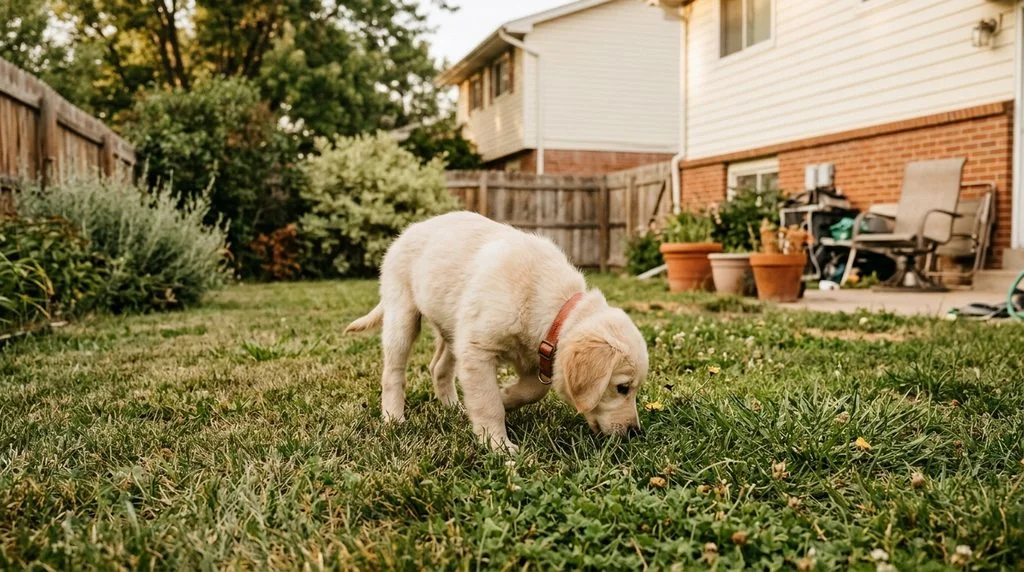
What is coprophagia?
Coprophagia simply means eating feces. Dogs might eat their own poop, another dog’s poop, or poop from other animals (cat poop from the litter box is a very common target). While it’s gross to us, dogs explore the world with their mouths and noses, and feces is packed with strong smells and scent cues from other animals.
Is it normal for puppies to eat poop?
In puppies, poop-eating can show up as part of general exploration, especially during the first few months in a new home. Puppies also learn quickly what gets a reaction from humans, and unfortunately, coprophagia can become a “game” if it consistently leads to chasing, yelling, or frantic attention.
That said, even in puppies, it’s worth addressing early. The longer it happens, the more likely it becomes a rehearsed habit.
When curiosity becomes a habit
- They seek it out immediately after every bowel movement.
- They eat poop on walks or in other yards, not just at home.
- They guard it, run away with it, or seem excited by your reaction.
- It continues past the early puppy stage without improvement.
Why dogs eat poop
Most cases come down to environment, diet, learning history, or health. Sometimes it’s a mix.
1) Poop left in the yard
If stool is accessible, some dogs will eventually sample it. Then they discover it’s rewarding in some way (taste, texture, novelty, or your reaction), and it becomes self-reinforcing.
2) Underfeeding or intense hunger
If a dog isn’t getting enough calories for their age, activity level, or life stage, they may scavenge. This can happen with well-meaning diet restrictions, feeding the wrong portion size, or high-energy dogs who need more than the bag guideline suggests.
3) Diet changes or GI upset
Sudden diet changes can affect digestion and stool consistency, and in some dogs that can make feces more appealing. If your dog has ongoing soft stool or diarrhea, it’s a clue that digestion is not as settled as it could be.
4) Attention-seeking
If poop-eating reliably makes you jump up, chase, or react loudly, your dog may learn that it’s an efficient way to get engagement. Dogs repeat behaviors that pay off.
5) Stress, boredom, or low enrichment
Dogs who spend lots of time alone in the yard, dogs who are under-exercised, and dogs who are anxious may develop repetitive behaviors. Coprophagia can be one of them.
6) Medical causes
Health issues can increase appetite, change digestion, or make dogs feel nutritionally “unsatisfied.” Common medical drivers include:
- Intestinal parasites (worms and protozoa like giardia): may cause weight loss, soft stool, increased hunger, or nutrient malabsorption.
- Poor digestion or malabsorption: stool may contain more undigested material.
- Conditions that increase appetite: including endocrine disorders or medications that make dogs hungrier.
- Pancreatic issues (such as exocrine pancreatic insufficiency): can cause ravenous appetite, weight loss, and large or greasy stools.
If your dog is suddenly obsessed with poop, losing weight, or having ongoing diarrhea, don’t assume it’s behavioral.
How to stop it
In clinic life, the most successful plans were the least complicated: remove the opportunity, teach a clear alternative behavior, and make sure diet and health are on track.
Step 1: Manage the environment
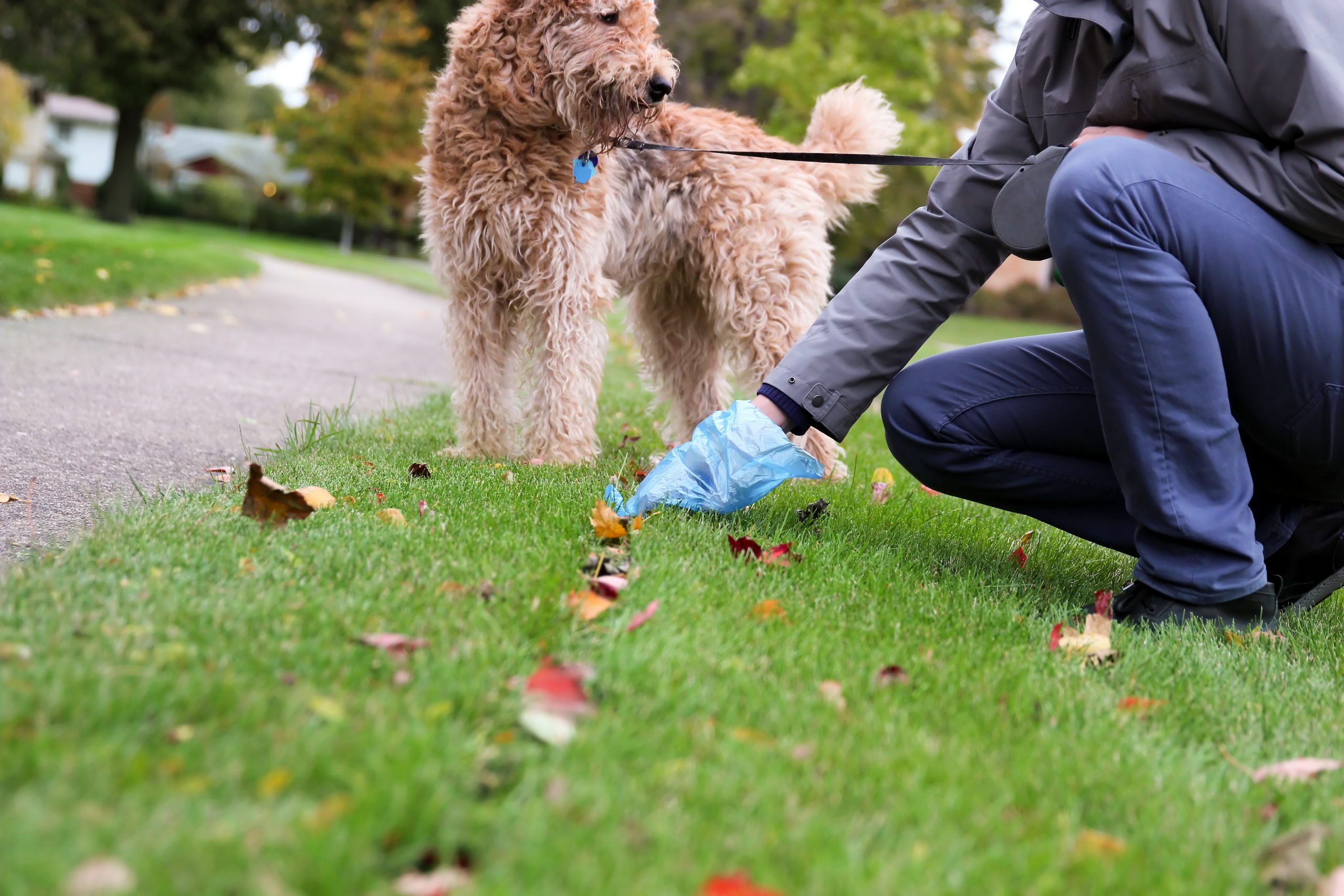
- Pick up immediately after your dog goes. If that’s not possible, do frequent “yard sweeps” twice daily.
- Use a leash for potty trips for a few weeks so you can prevent the quick turn-and-grab.
- Block access to litter boxes or areas where other animals poop. Cat poop is especially tempting.
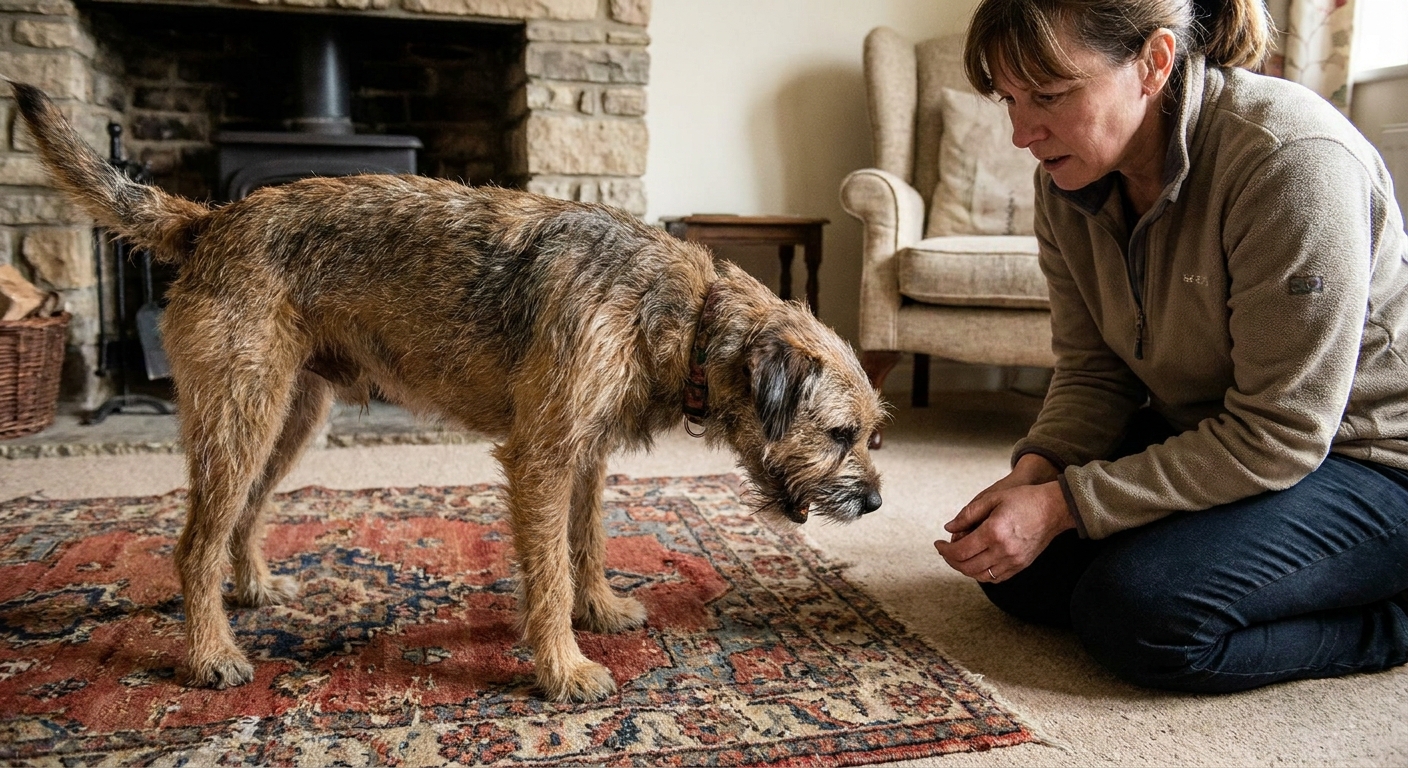
Step 2: Teach “leave it”
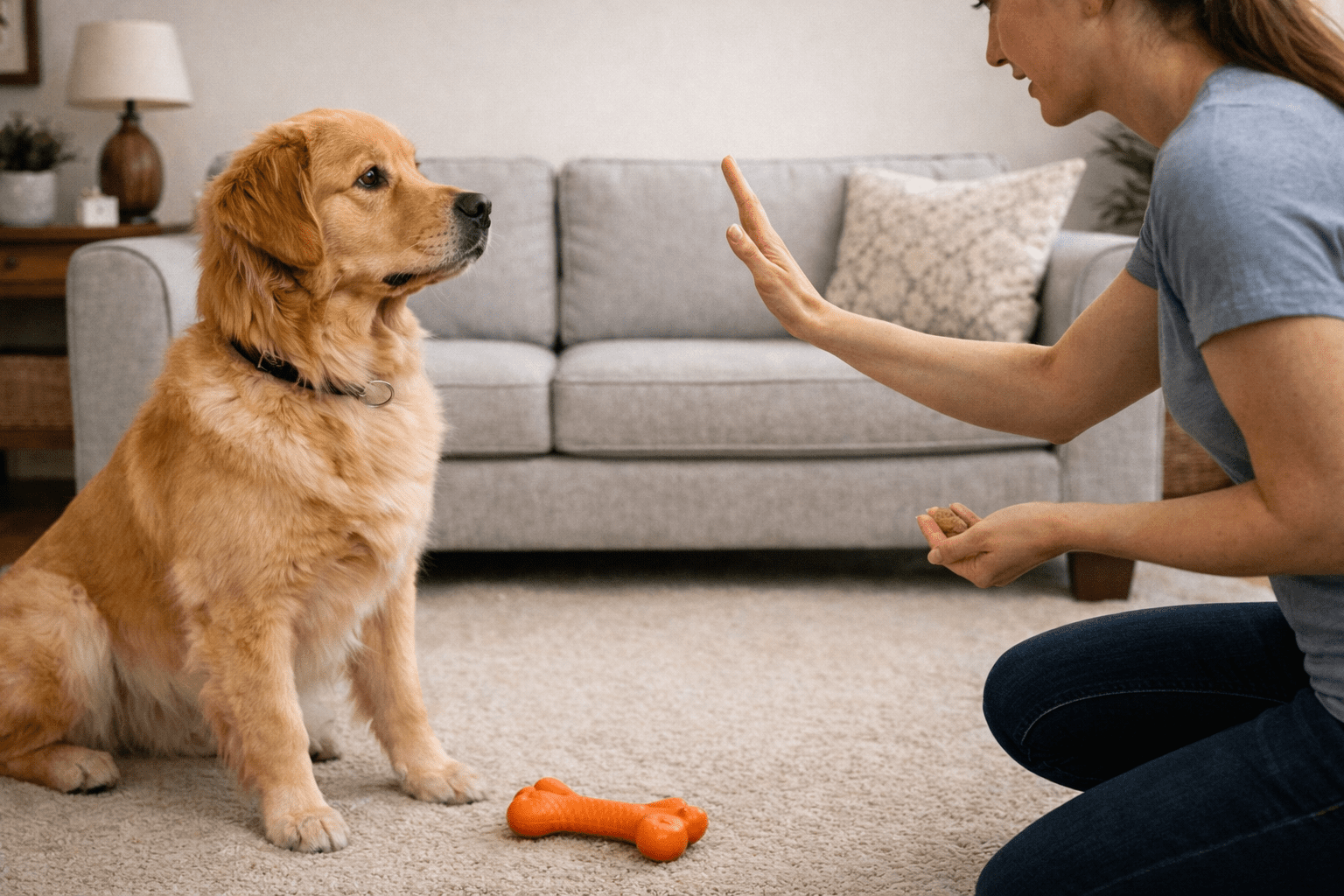
A good leave it cue is one of my favorite life skills for dogs because it’s clear, calm, and doesn’t rely on you being faster than your dog.
- Start indoors with a low-value item in your hand. Say “leave it.”
- When your dog backs off or looks away, mark with “yes” and reward with a treat from the other hand.
- Gradually practice with items on the floor, then outside with leaves or sticks, then finally during supervised potty time.
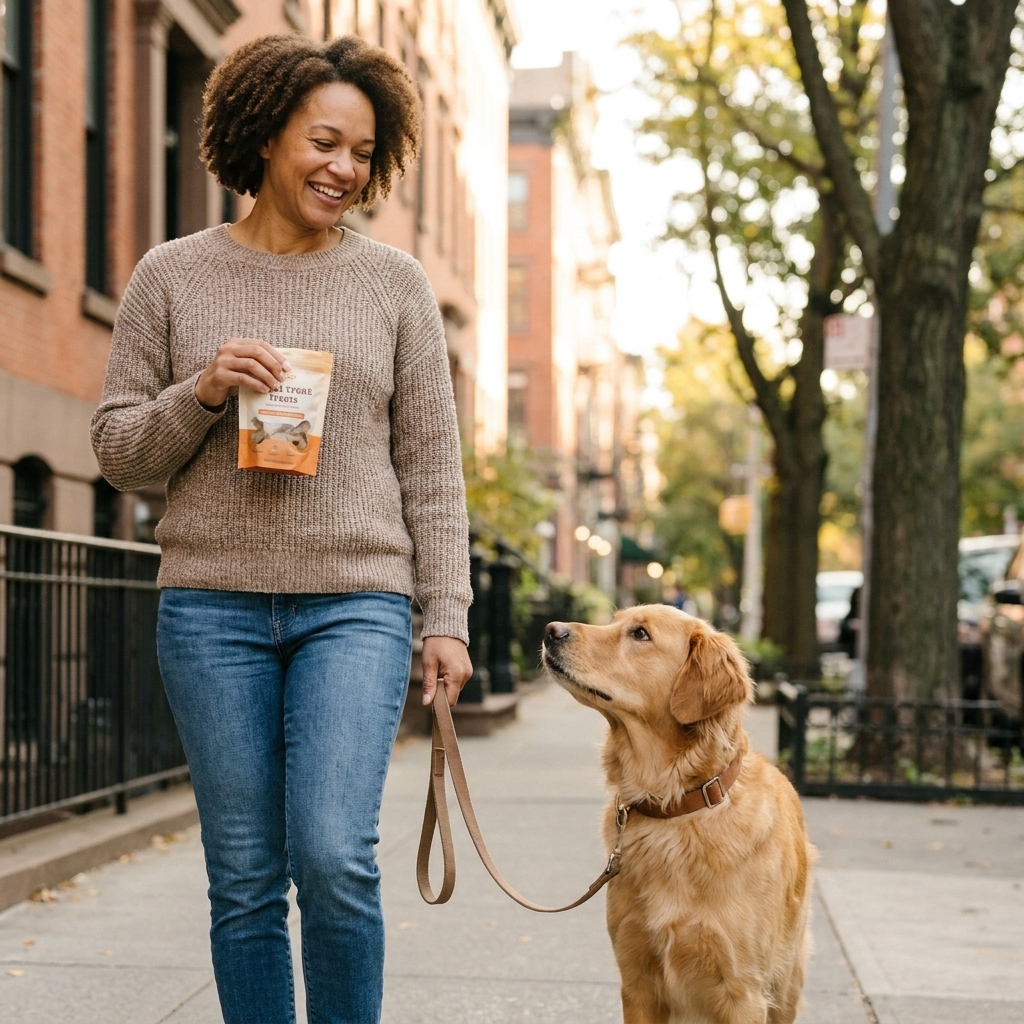
Keep sessions short, end on a win, and practice when everyone is calm. During potty trips, the sequence is: they finish, you calmly say “leave it,” you reward, then you pick up. The reward is for leaving the poop alone, not for pooping itself.
Step 3: Avoid the chase
Chasing can turn poop-eating into a thrilling sport. If your dog grabs stool:
- Stay as calm as you can.
- Use a cheerful voice and call them to you.
- Offer a high-value trade (tiny pieces of chicken, cheese, or a favorite treat).
- Once they drop it and eat the treat, clean up the area quickly.
Step 4: Review the diet
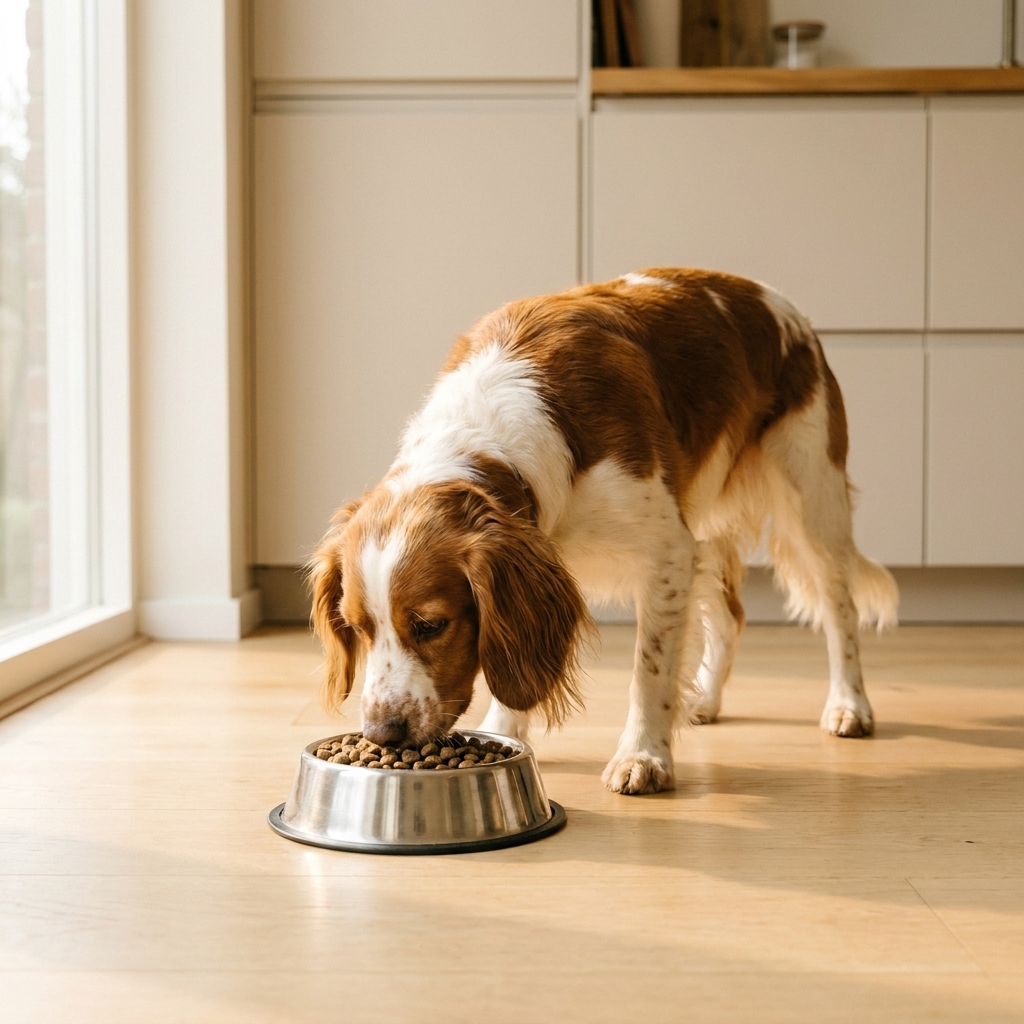
If your dog seems constantly hungry, is underweight, or has frequent soft stools, a diet check is worth doing.
- Confirm portion sizes using your dog’s current weight, body condition, age, and activity level. Bag guidelines can be a starting point, not a perfect prescription.
- Transition foods slowly over 7 to 10 days to reduce digestive upset.
- Talk to your vet if you suspect food intolerance or poor digestion. Sometimes a different formula helps, and sometimes we need testing first.
Step 5: Add enrichment
If your dog hangs out in the yard unsupervised, consider swapping some of that time for enrichment that meets their needs:
- Sniff walks where your dog can explore slowly
- Food puzzles or frozen stuffed toys
- Short training sessions (2 to 5 minutes) a few times a day
- Play that matches your dog’s style (tug, fetch, gentle wrestling)
Deterrents and supplements
You’ll see products designed to make stool taste unpleasant. These work for some dogs and do nothing for others. If you try one, think of it as an extra tool, not the foundation of the plan. Environmental management and training usually make the biggest difference.
What not to do
- Don’t punish for poop-eating. It can increase anxiety, create sneaky behavior, and make dogs eat stool faster to avoid being caught.
- Don’t turn it into a chase, even if your instincts are screaming to sprint.
- Don’t use irritants like hot sauce, cayenne, or bitter sprays directly on stool. Aside from being unreliable, they can irritate mouths and stomachs.
- Don’t rely on deterrent powders alone without cleanup, supervision, and training.
Own poop vs other poop
It helps to notice patterns, because the priorities can change:
- Eating their own poop often points to opportunity, habit, or stress. Fast cleanup and leash potty breaks are usually the biggest wins.
- Eating other dogs’ poop is common on walks and tends to be a scavenging problem. Training plus management matters most.
- Eating cat poop (litter box raids) is so common it practically deserves its own category. The simplest fix is access control (gates, covered or top-entry boxes, putting the box behind a door with a cat-only latch) plus consistent parasite prevention in the household.
When to call the vet
Coprophagia can be purely behavioral, but I always like to make sure we are not missing a health issue, especially if the behavior is new or escalating.
Make an appointment if:
- The behavior starts suddenly in an adult dog
- Your dog has diarrhea, greasy stool, mucus, or blood
- There is weight loss or your dog can’t maintain weight
- Your dog seems excessively hungry all the time
- There is vomiting, lethargy, or a change in thirst or urination
- You have not done a recent fecal test or parasite prevention is inconsistent
Bring a fresh stool sample if you can, and be ready to share what diet you feed, how much, any recent changes, and whether your dog is eating their own stool or other animals’ stool.
Is it dangerous?
It can be. The biggest concerns are:
- Parasites and bacteria: Dogs can pick up intestinal parasites from contaminated feces, and they can spread organisms back into the household.
- Medication exposure: In some situations, eating another pet’s stool can mean ingesting traces of medications that are being excreted.
- Foreign material: Poop can contain litter, sticks, bones, or other debris that can irritate the GI tract.
If your dog eats poop, basic hygiene matters. Wash your hands after cleanup, wipe your dog’s mouth if needed, clean leashes or muzzles that got contaminated, and discourage face-licking right after an incident.
If your dog eats cat poop from the litter box, ask your vet about parasite risk, and keep litter inaccessible. It is one of the easiest wins you can get.
Quick fixes by cause
- Poop is available in the yard: leash potty breaks plus immediate cleanup.
- Your dog does it to get you to react: no chasing, trade calmly, reinforce “leave it.”
- Loose stool or diet change: slow transition, diet review, call the vet if it persists.
- Ravenous appetite or weight loss: vet visit and fecal test sooner rather than later.
- Bored outdoor dog: structured walks, training, and puzzle feeding.
FAQ
Will my dog grow out of it?
Some puppies do, especially if you reduce opportunities and teach a solid leave it early. But many dogs don’t simply outgrow it once it becomes a practiced routine. The sooner you intervene, the easier it is to change.
Should I punish my dog?
I don’t recommend it. Punishment can increase anxiety, encourage sneaky behavior, and sometimes makes dogs eat stool faster to avoid being caught. Management, training, and addressing underlying causes are usually more effective.
My dog only eats other dogs’ poop on walks. What now?
This is very common. Use a leash, practice leave it with high-value rewards, and try to scan ahead and steer away from tempting spots. In busy areas, consider muzzle training with a well-fitted basket muzzle so your dog can pant and drink while preventing scavenging. Introduce it gradually with positive reinforcement, make sure it fits correctly, and do not use it as a substitute for supervision.
Is my dog missing nutrients?
Not always. Some dogs on complete, balanced diets still eat poop due to habit, stress, or opportunity. But if you also see weight loss, constant hunger, or chronic soft stool, it’s worth exploring digestion, parasites, and diet with your veterinarian.
The bottom line
Coprophagia is frustrating, but it’s a behavior you can often improve with a simple strategy: clean up quickly, prevent access, teach leave it, and make sure your dog’s diet and health are supporting good digestion. If anything feels sudden, intense, or paired with GI symptoms or weight loss, loop your vet in early. You deserve a plan that works, and your dog deserves help that’s calm and compassionate.