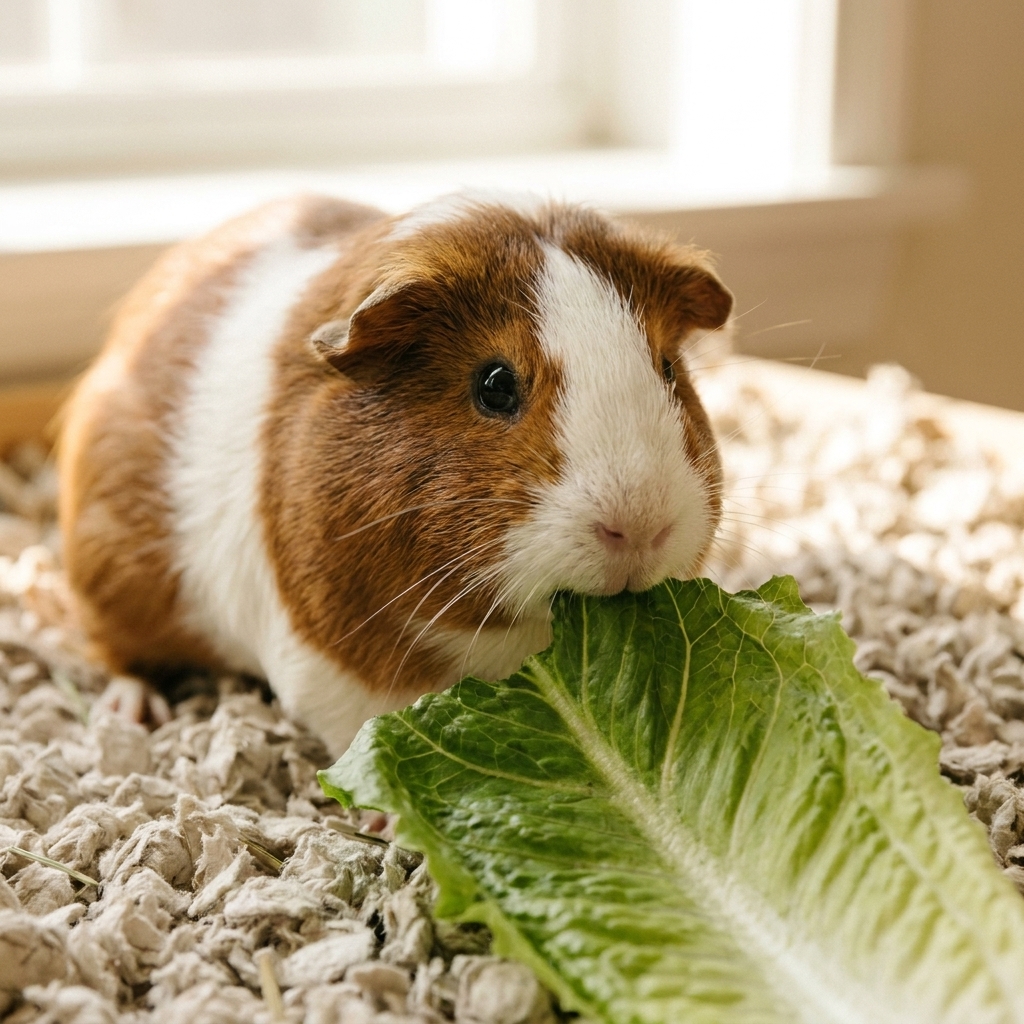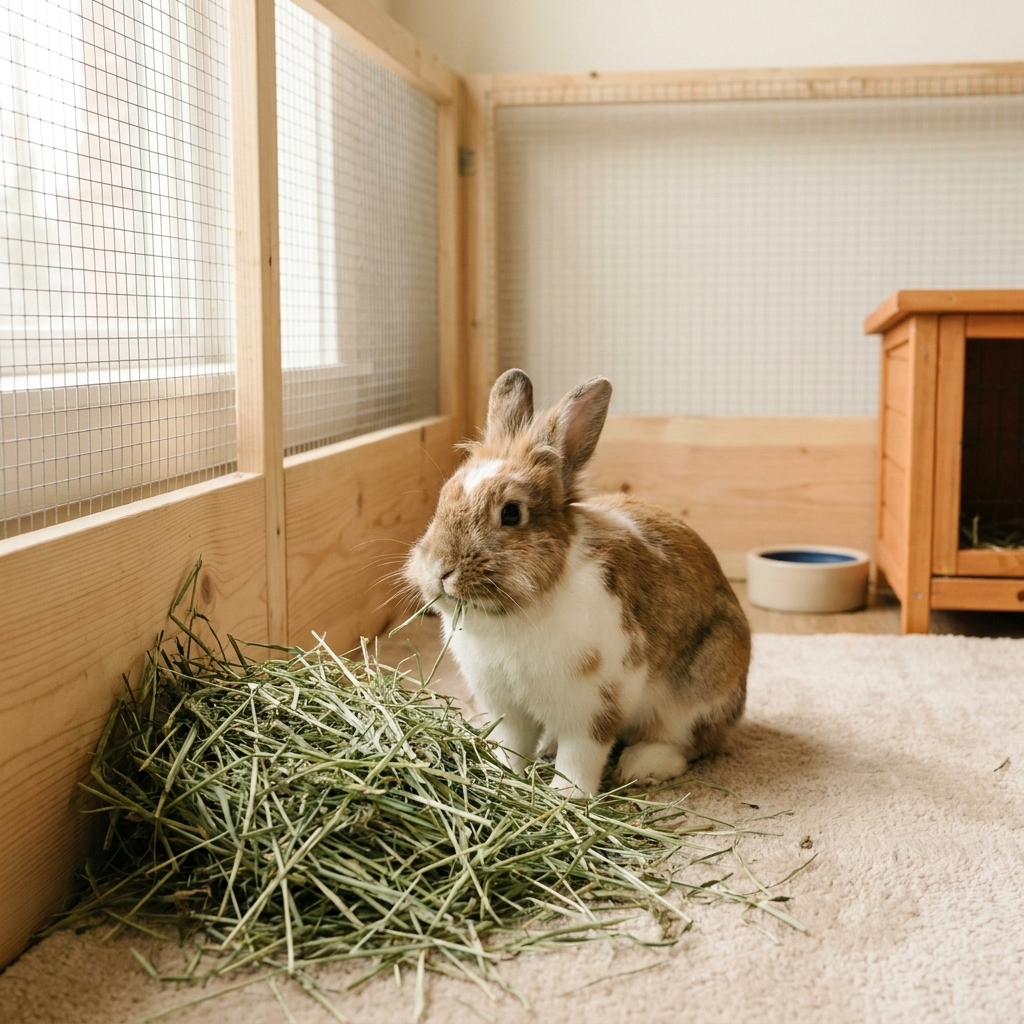
Hay, water, movement, and quick action matter. Here’s how to support your rabbit’s digestion and spot early GI stasis red flags.
Hay is not just “bedding” for rabbits, guinea pigs, and chinchillas. It is the foundation of their health. The long fibers keep the gut moving, the chewing action helps keep teeth worn correctly, and the constant nibbling helps these little herbivores feel safe and settled.
When pet parents tell me their bunny is “being picky,” or their guinea pig is suddenly leaving hay untouched, it is often not stubbornness. It is commonly a hay quality issue, a mismatch between hay type and life stage, or a setup problem (like hay that smells musty, feels dusty, or has been stored warm and humid enough to go stale). And sometimes it is a health issue, especially dental pain. Let’s build a simple “hay pyramid” so you can choose the right hay on purpose, not by aisle roulette.
This is general nutrition guidance. Individual needs vary, so if you are unsure or your pet has a medical history (stones, chronic GI issues, dental disease), check in with an exotics veterinarian.
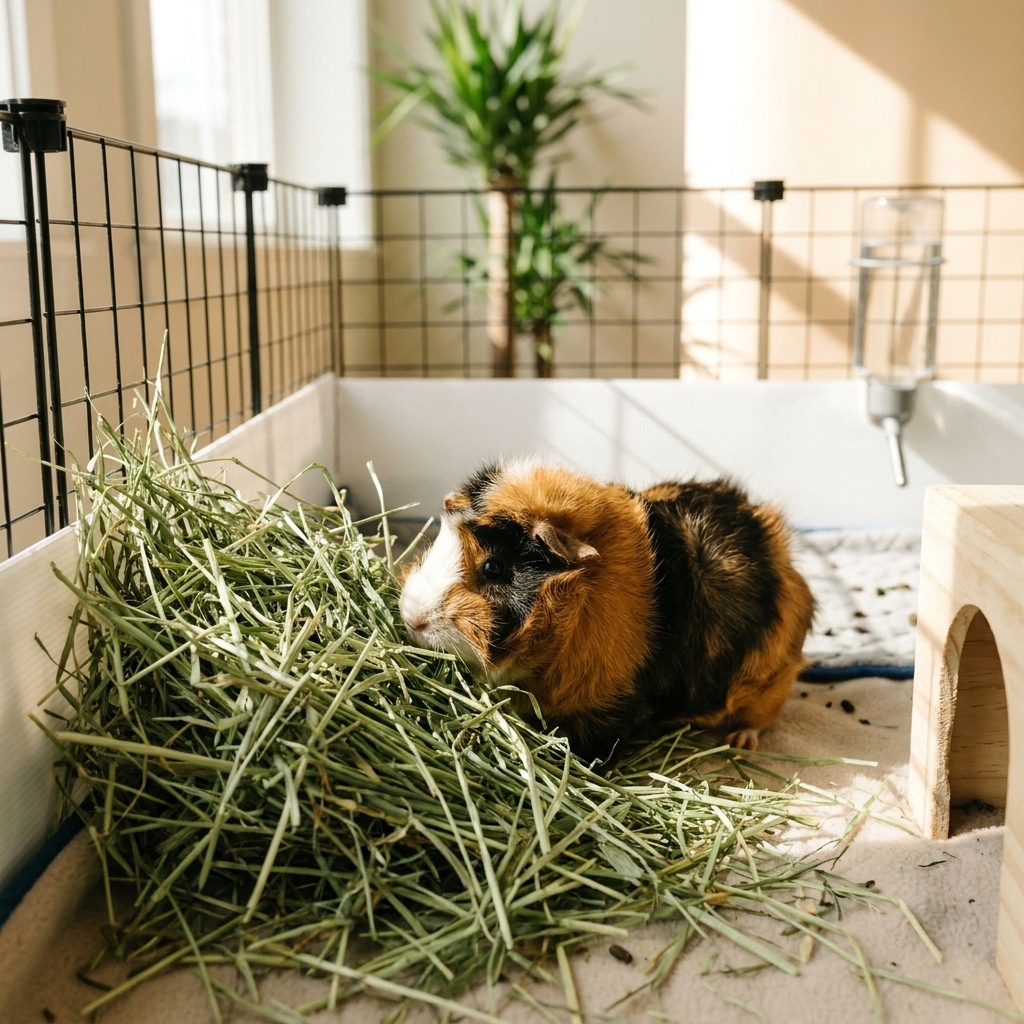
The hay pyramid
For most healthy adult rabbits, guinea pigs, and chinchillas, think in layers:
- Base layer (most of the day): Grass hay (often Timothy or orchard grass).
- Middle layer (support and variety): Optional second grass hay such as oat hay or meadow hay, mixed in for texture and interest.
- Top layer (use with intention): Legume hay (alfalfa). This is a “power food,” not a default for most adults.
Pellets and fresh greens matter too, but hay should be available 24/7 and make up the largest portion of daily intake.
Timothy hay
If I had to pick one “default” hay for small herbivores, Timothy would be it. It is a grass hay with long fibers that support healthy digestion and steady tooth wear.
Why it is a go-to
- Great everyday staple for many adults (rabbits, guinea pigs, chinchillas).
- Usually lower in calories and calcium than alfalfa, which helps reduce weight gain and mineral overload in adults.
- Easy to find and available in different cuts and softness levels.
“1st, 2nd, 3rd cut” in plain language
You may see Timothy labeled by cut:
- 1st cut: More stemmy, higher fiber feel. Great for strong chewers and dental wear, sometimes less appealing to picky eaters.
- 2nd cut: Balanced blend of stems and leafy pieces. Often the crowd-pleaser for daily feeding.
- 3rd cut: Softer, leafier, usually more fragrant. Great for picky pets, but can be less stemmy.
If your pet is leaving the thicker stems behind, try moving from 1st cut to 2nd, or mixing in orchard grass for softness.
Best for
- Adult rabbits: Everyday base hay.
- Adult guinea pigs: Everyday base hay (plus vitamin C support through pellets and or veggies).
- Adult chinchillas: Everyday base hay with careful treat moderation.
Orchard grass hay
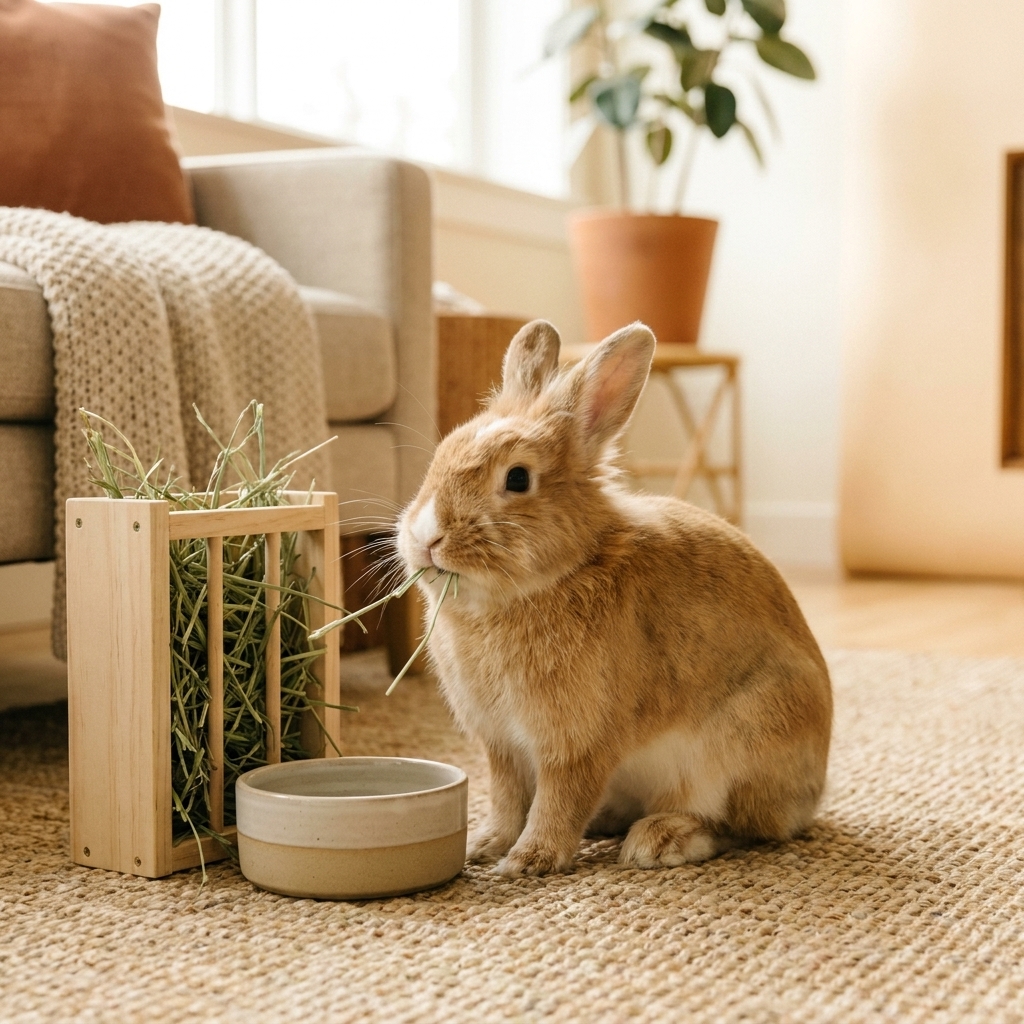
Orchard grass is another grass hay, and it is often the “picky eater peace treaty.” It tends to be softer and more aromatic than Timothy, which can make it more appealing without being as rich as alfalfa.
Why it can help
- Excellent staple alternative if your pet turns their nose up at Timothy.
- Softer texture can be helpful for pets that struggle with very coarse stems (talk with your vet if dental pain is suspected).
- Great for variety when mixed with Timothy to keep interest high.
Heads-up for allergy-prone humans
Some people find orchard grass less irritating than Timothy, but this varies. If you are sneezy during hay time, try a different brand, store hay in a breathable container in a low-humidity spot, and consider a small air purifier near the enclosure.
Best for
- Adult rabbits, guinea pigs, chinchillas: Base hay option or rotation with Timothy.
Oat hay
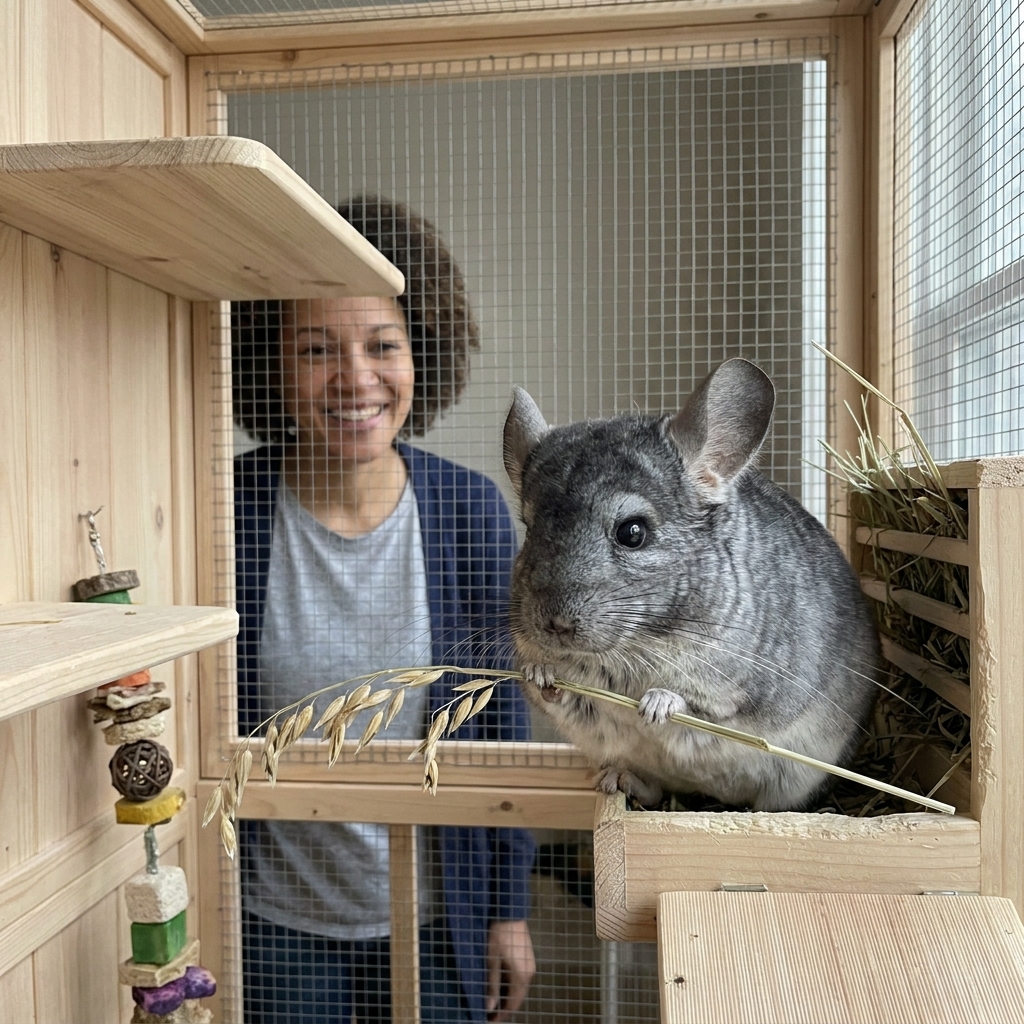
Oat hay is a grass hay harvested from oat plants. You will often see seed heads (the little oat tufts) mixed in. Many pets find it exciting, which makes it a useful tool for boosting overall hay intake.
What makes it different
- Crunchy texture that encourages chewing and foraging.
- Seed heads add novelty, which can help bored or reluctant hay eaters.
- Best as a supporting hay, not always the only hay in the home.
For some pets, too many seed heads can push them to pick out the fun bits and leave the long fiber behind. If that is happening, offer oat hay as a smaller portion mixed into Timothy or orchard grass.
Best for
- Rabbits: Variety hay alongside a grass-hay base.
- Guinea pigs: Variety hay to increase interest.
- Chinchillas: Often enjoyed, but keep the overall diet consistent and watch for selective eating.
Alfalfa hay
Alfalfa is not a grass hay. It is a legume. That is why it is typically higher in protein, calories, and calcium. Those nutrients can be incredibly helpful for growing bodies, but too much for most healthy adults.
When alfalfa is appropriate
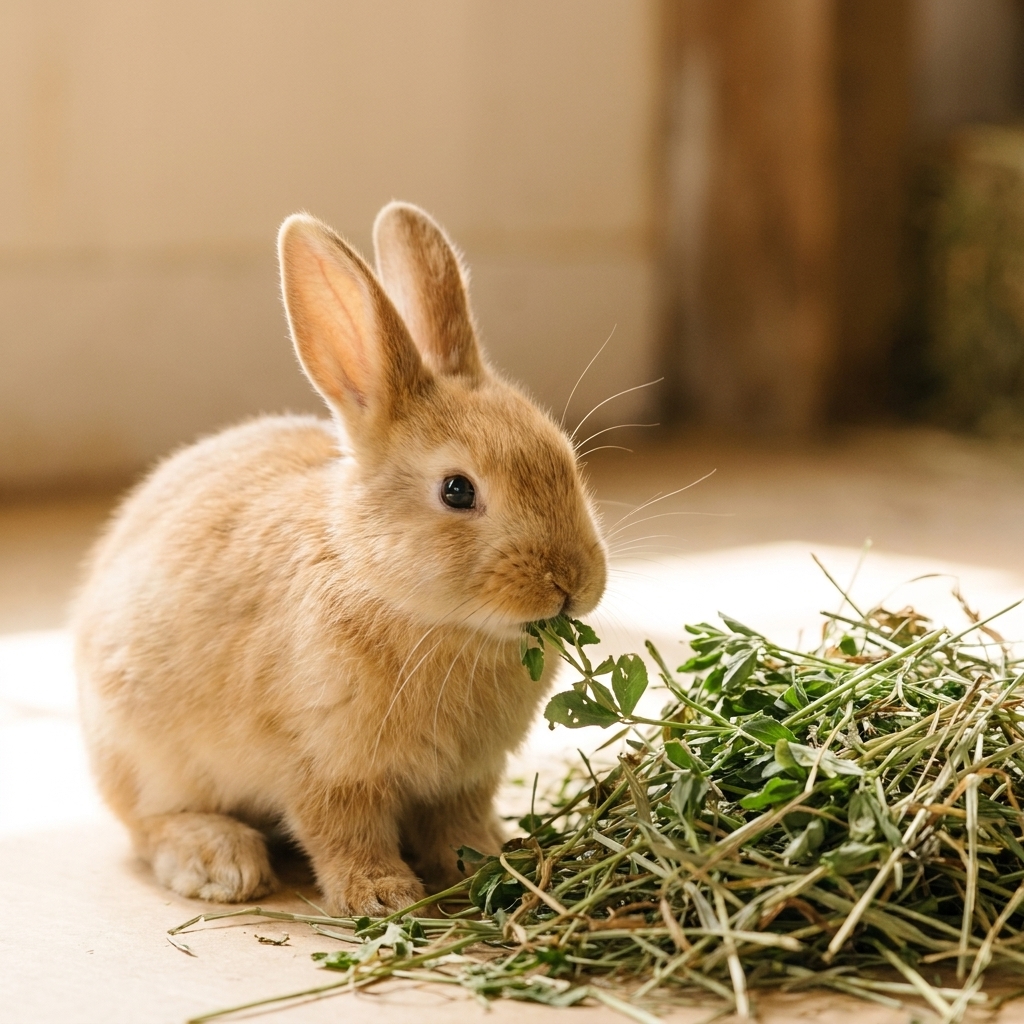
- Young, growing pets (commonly until around 6 months for many guinea pigs and rabbits, with timing varying by breed, individual growth, and your veterinarian’s plan).
- Pregnant or nursing animals under veterinary guidance.
- Underweight or recovering pets if your exotics vet recommends it as part of a weight gain plan.
When to be cautious
- Most adult rabbits, guinea pigs, and chinchillas: Frequent alfalfa can contribute to weight gain and excess calcium intake.
- Pets with a history of bladder sludge or stones: Ask your vet before offering alfalfa, even as a treat.
If your adult pet is obsessed with alfalfa, you are not alone. It smells rich and tastes good. Instead of making it forbidden, use it strategically, like a small topper during nail trims, or a tiny handful during a stressful transition.
Which hay to choose
Rabbits
- Adults: Timothy or orchard grass as the base, with oat hay or meadow hay for variety.
- Babies: Many do well with alfalfa hay plus an age-appropriate pellet, then transition to grass hay as they mature. Confirm timing with your rabbit-savvy veterinarian, especially for large breeds.
Guinea pigs
- Adults: Timothy or orchard grass as the base. Oat hay can be a helpful interest booster.
- Young guinea pigs: Many do well with alfalfa-based pellets and may have some alfalfa hay early on, then transition toward grass hay as the staple as they approach adulthood. Keep vitamin C needs in mind, since hay does not provide enough on its own.
Chinchillas
- Most chinchillas: Timothy is the most common everyday hay, and orchard grass can also work well. Keep changes gradual and the overall plan consistent.
- Use alfalfa sparingly unless your exotics vet has a specific reason. Chinchilla digestive systems tend to do best with high-fiber basics and minimal sudden diet shifts.
Other hays you may see
Pet store shelves can get confusing fast. Here is the quick translation:
- Meadow hay: Usually a mixed grass hay. It can be a great base hay if it is clean, long-strand, and not overly dusty.
- Brome hay: Another grass hay option that can work as a staple for many adults.
- Botanical mixes: Often grass hay with added dried herbs or flowers. These can be fun for enrichment, but I still like a simple, consistent grass-hay base underneath so picky pets do not learn to hold out for the “good bits.”
Choosing quality hay
Even the “right” type of hay will flop if the quality is poor. Here’s what I looked for in clinic, and what I look for at home.
Signs of good hay
- Fresh, grassy smell (think sunshine and fields, not basement).
- Green to greenish-tan color (some variation is normal, but avoid dull brown as the main color).
- Long strands with some leaf mixed in (a mix is normal, but it should not be mostly dust).
- Minimal dust when you shake a handful.
- No visible mold, webby patches, or clumps that look damp.
Red flags
- Musty, sour, or ammonia-like odor.
- Moisture, humidity, or warmth trapped inside the bag or bin (mold and staleness risk).
- Excessive powder that makes you cough or coats the bottom of the bag.
- Lots of sharp, thick sticks with very little usable fiber.
If your pet suddenly refuses hay, open a new bag and compare smell and texture. You would be amazed how often the solution is simply “the last bag was not great.”
Storage and setup
Store it like a pantry item
- Cool, dry, and dark is best.
- Use breathable storage like a paper bag inside a bin with ventilation holes, or a fabric hay bag, rather than sealing hay in an airtight container where moisture can build.
- Buy a realistic amount you can use before it loses freshness. Fresher hay usually gets eaten more enthusiastically.
Make hay easy and fun
- Offer hay in more than one spot (near a hide, by a favorite rest area).
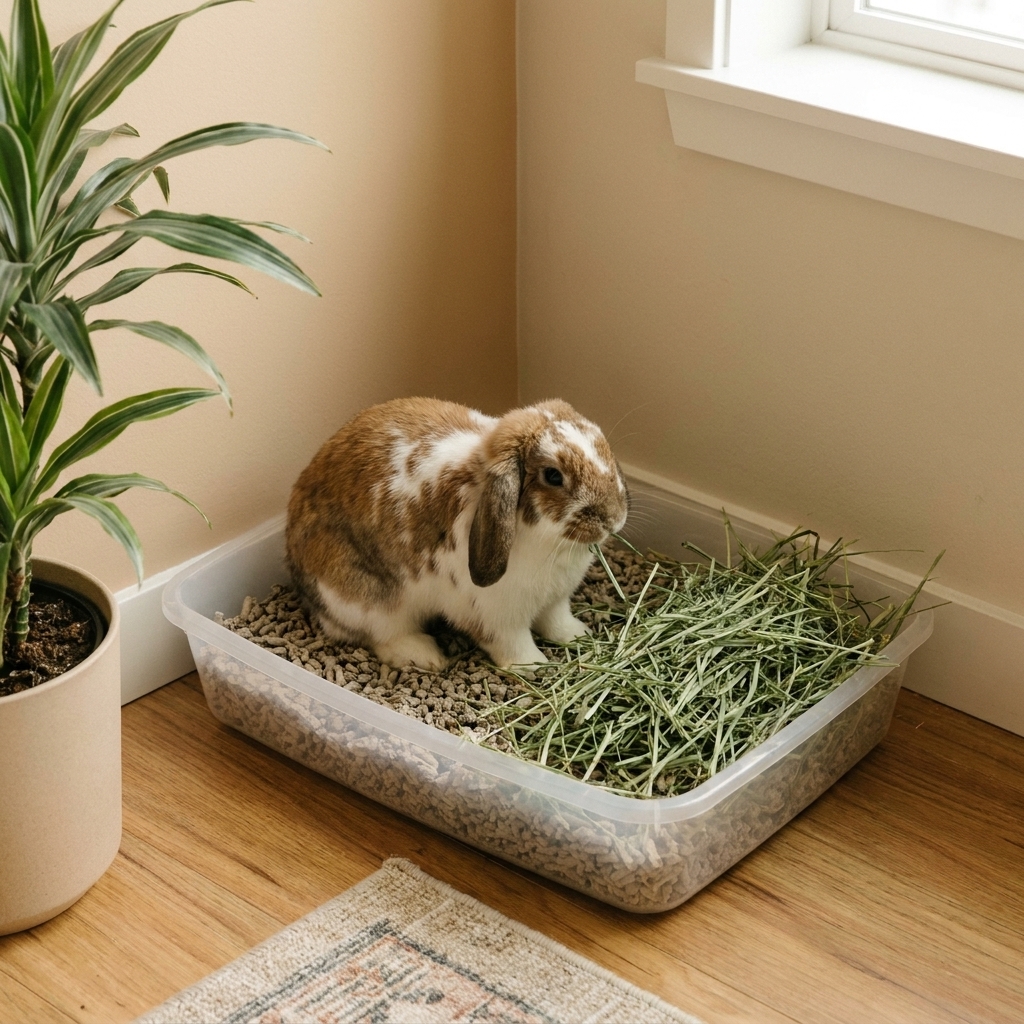
- Try different feeders: hay rack, large pile in a litter box corner (rabbits especially love this), or a stuffed paper bag for supervised foraging.
- Keep it clean: remove soiled hay daily and refresh frequently.
What about hay cubes or compressed blocks? They can be a fun chew for some pets, but they should not replace long-strand hay as the main fiber source. Long strands do the best job of supporting normal gut movement and natural chewing time.
Switching hays
Small herbivore guts love consistency. If you want to switch from Timothy to orchard, add meadow hay, or start mixing in oat hay, go slowly. For chinchillas in particular, introduce any new hay very gradually.
- Days 1 to 3: 75% current hay, 25% new hay.
- Days 4 to 6: 50% current, 50% new.
- Days 7 to 10: 25% current, 75% new.
- Then: 100% new hay, or a stable mix you plan to keep.
During transitions, watch droppings closely. You want plenty of normal, well-formed poop. If you see diarrhea, very small droppings, a sudden drop in appetite, or your pet seems painful or hunched, call your veterinarian promptly.
Hay refusal help
Try this first
- Open a fresh bag from a reputable brand and compare quality.
- Change the cut or type: switch Timothy cut, or try orchard grass if Timothy is being ignored.
- Add variety: mix in a small portion of oat hay or meadow hay for novelty.
- Refresh more often: many pets prefer a constantly topped-off pile.
- Upgrade the setup: bigger hay pile, easier access, or a second feeding station.
Do not ignore these red flags
If hay intake drops suddenly, dental pain is high on my worry list. Overgrown molars, mouth sores, and subtle tooth issues can make chewing long fibers uncomfortable. A pet may still eat pellets or softer treats while avoiding hay. That is your sign to schedule an exam with an exotics veterinarian.
Also, if a rabbit or guinea pig stops eating, seems lethargic, or is not pooping normally, treat it as urgent and contact a veterinarian right away. Waiting it out is where little problems can become emergencies.
Quick FAQ
Can I feed only one type of hay?
Yes, as long as it is an appropriate staple hay for your pet and life stage (often Timothy, orchard, brome, or meadow hay for adults) and the quality is consistently excellent. Many pets do even better with a steady staple plus a small, consistent variety hay mixed in.
Is alfalfa hay ever okay for adult pets?
Sometimes, in small amounts and for specific reasons (weight gain, pregnancy, recovery), ideally with veterinary guidance. For many healthy adults, it is better as an occasional topper than the daily base.
What about “meadow hay” mixes?
Meadow hay can be great if it is clean, not overly dusty, and your pet eats the long fiber instead of sorting. Because mixes vary a lot by batch, picky eaters sometimes do better with a more consistent single-hay base.
How much hay should my pet eat?
Aim for unlimited access. A good rule of thumb is that hay should be available in at least a body-sized pile at all times, replenished as it gets eaten or soiled. Intake varies by individual, but hay should be the most constant food source.
The takeaway
If you remember just three things, make them these:
- Grass hay is the everyday base for most adult rabbits, guinea pigs, and chinchillas.
- Variety hays like oat or meadow can boost interest, but they work best alongside a staple hay, not instead of it.
- Alfalfa is a growth or recovery tool, not a default for most healthy adults.
Choose the best-quality hay you can, store it well, and make it easy to eat. Your pet’s digestion, teeth, and overall mood will thank you in the quietest but most convincing way possible: great poops and steady, happy munching.