Know what to feed and what to skip. A practical produce list for rabbits and guinea pigs, including safe portions, daily greens, and foods to avoid.
Nervous guinea pigs are not “mean” or “dramatic” and you are not doing anything wrong. Guinea pigs are prey animals, which means their default setting is to be suspicious of big moving things (hello, human hands). The good news is that trust is teachable. With a little routine and a lot of patience, most guinea pigs learn to feel secure with you and tolerate, and often enjoy, gentle handling.
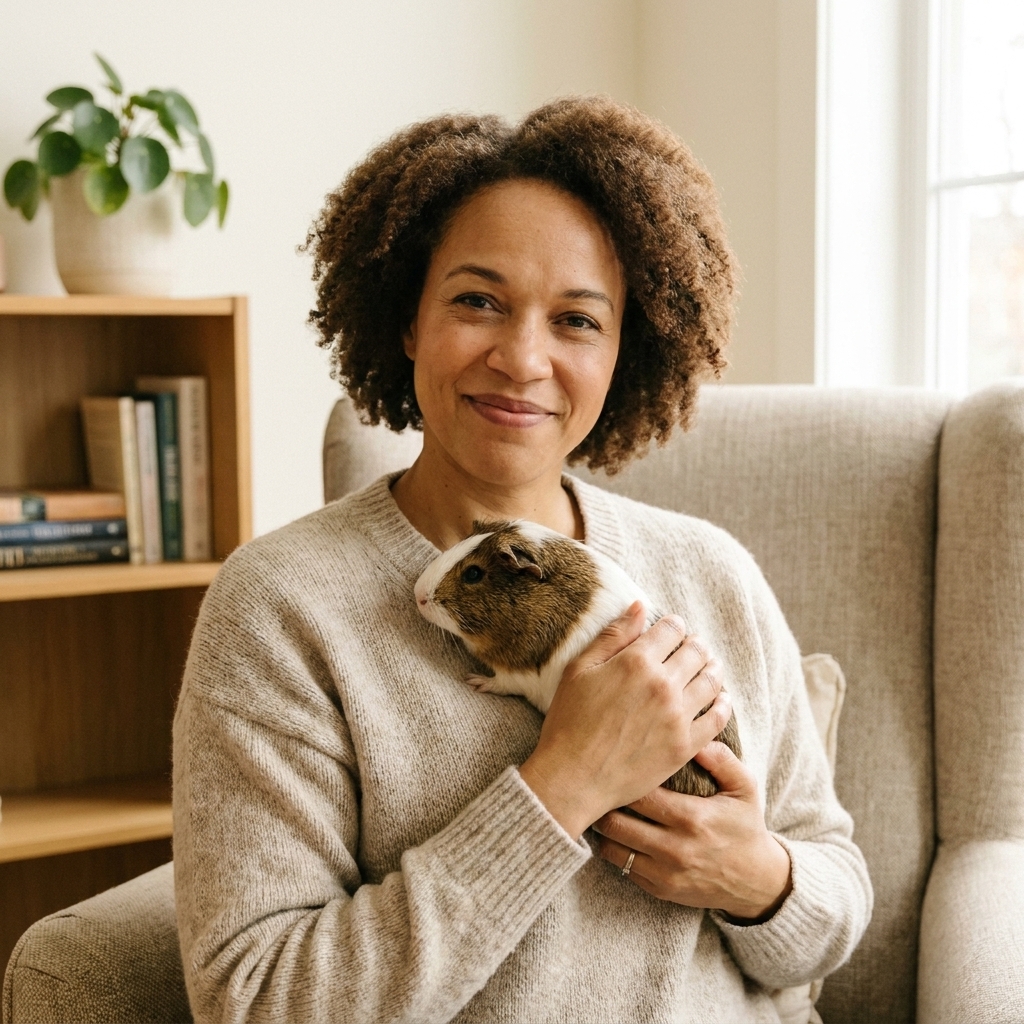
Below are seven steps I used all the time as a vet tech when coaching new small-pet families, plus what to avoid so you do not accidentally reset your progress.
Step 1: Start with a stress-smart setup
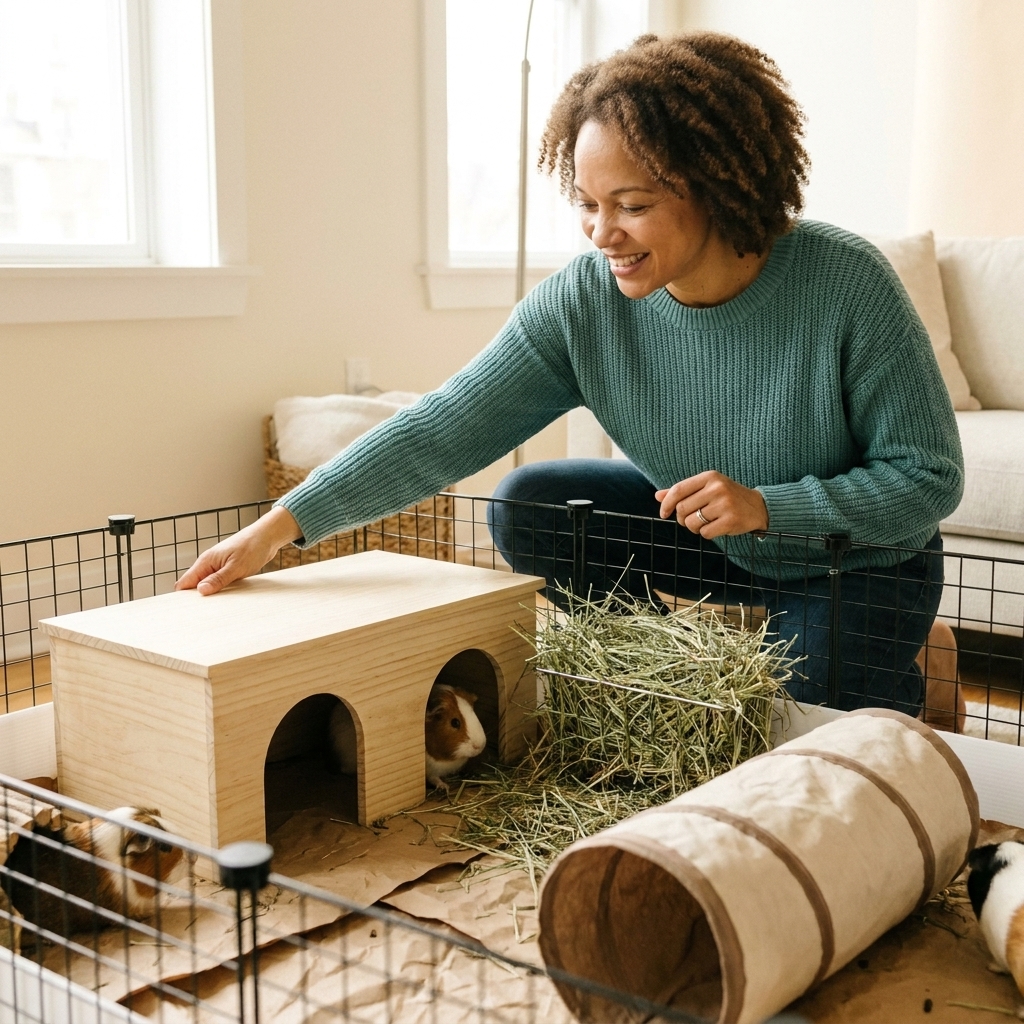
Before you work on handling, set your guinea pig up to feel safe in their home base. If their cage feels exposed, every interaction starts from a place of panic.
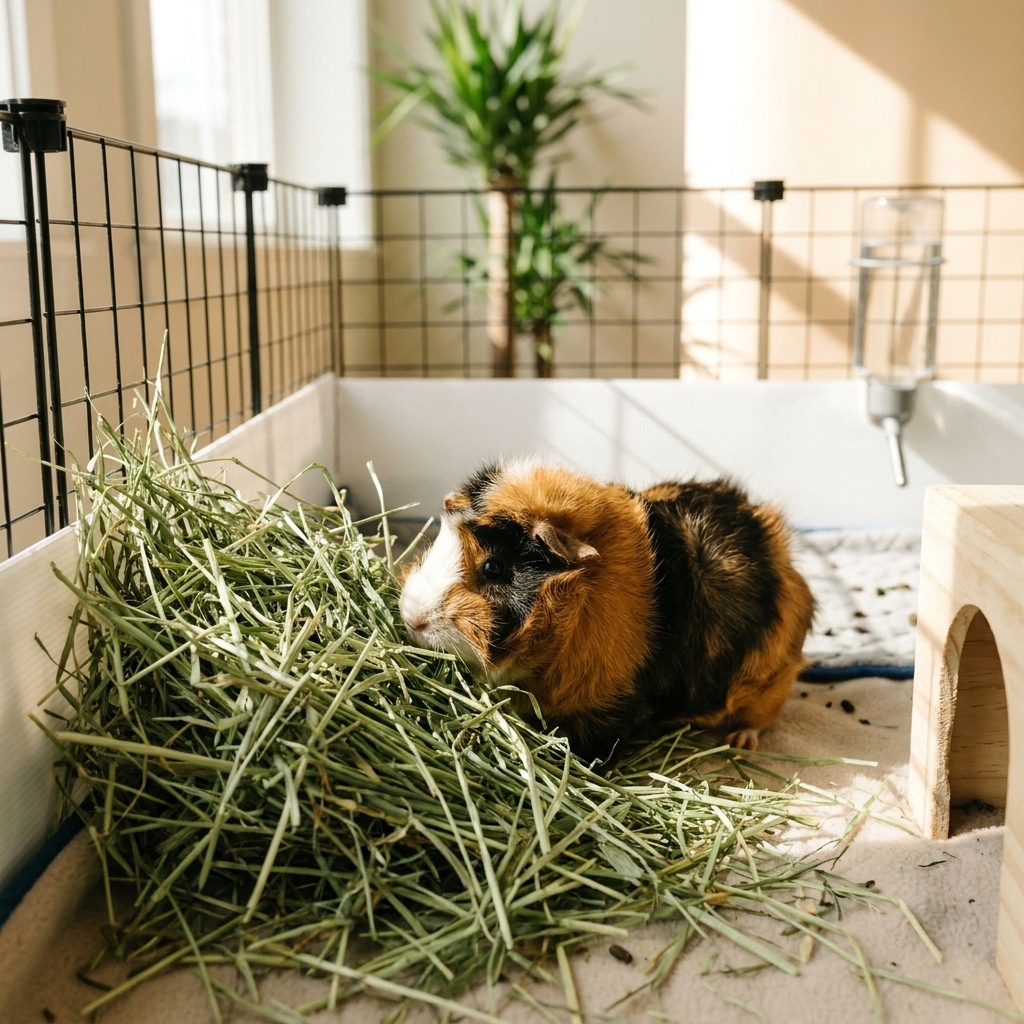
- Provide at least two hides (one per guinea pig, plus an extra). Choose hides with two exits when possible so your pig does not feel trapped.
- Add hay piles and tunnels so they can forage while staying partially covered.
- Keep the enclosure in a calm area away from loud TVs, slamming doors, and curious dogs or cats. Normal household life is fine, but constant startle events slow taming.
- Check basics that affect mood: unlimited grass hay, fresh water, and a consistent day-night routine.
- Plan for daily vitamin C: guinea pigs need a reliable vitamin C source every day. Many families use vitamin C rich veggies, and some use a measured supplement or fresh pellets with stabilized vitamin C. If you are unsure about the best source or amount for your pig, ask an exotics vet.
If your guinea pig is new, plan on a few days of hands-off adjustment where you focus on food, fresh bedding, and quiet presence.
One more welfare note: guinea pigs generally do best with a compatible guinea pig companion. A calm buddy often helps a timid pig feel safer and come out sooner.
Step 2: Let them learn your voice and schedule
Trust is built on predictability. Guinea pigs relax when they can guess what you will do next.
- Approach slowly and speak softly before opening the cage.
- Do care tasks in the same order (fresh hay, then veggies, then water). Routine lowers stress.
- Use a consistent cue phrase like “Hi, it’s veggie time” so your presence becomes a good-news signal.
If your guinea pig freezes when you enter the room, that is normal early on. The goal this week is not cuddles. It is simply “human presence does not equal danger.”
Step 3: Make hands a treat delivery system
Food is your kindest shortcut, especially with timid pigs. You are not bribing. You are teaching a new association: hands bring safety and snacks.
- Start by placing treats down and moving your hand away. Let them approach on their terms.
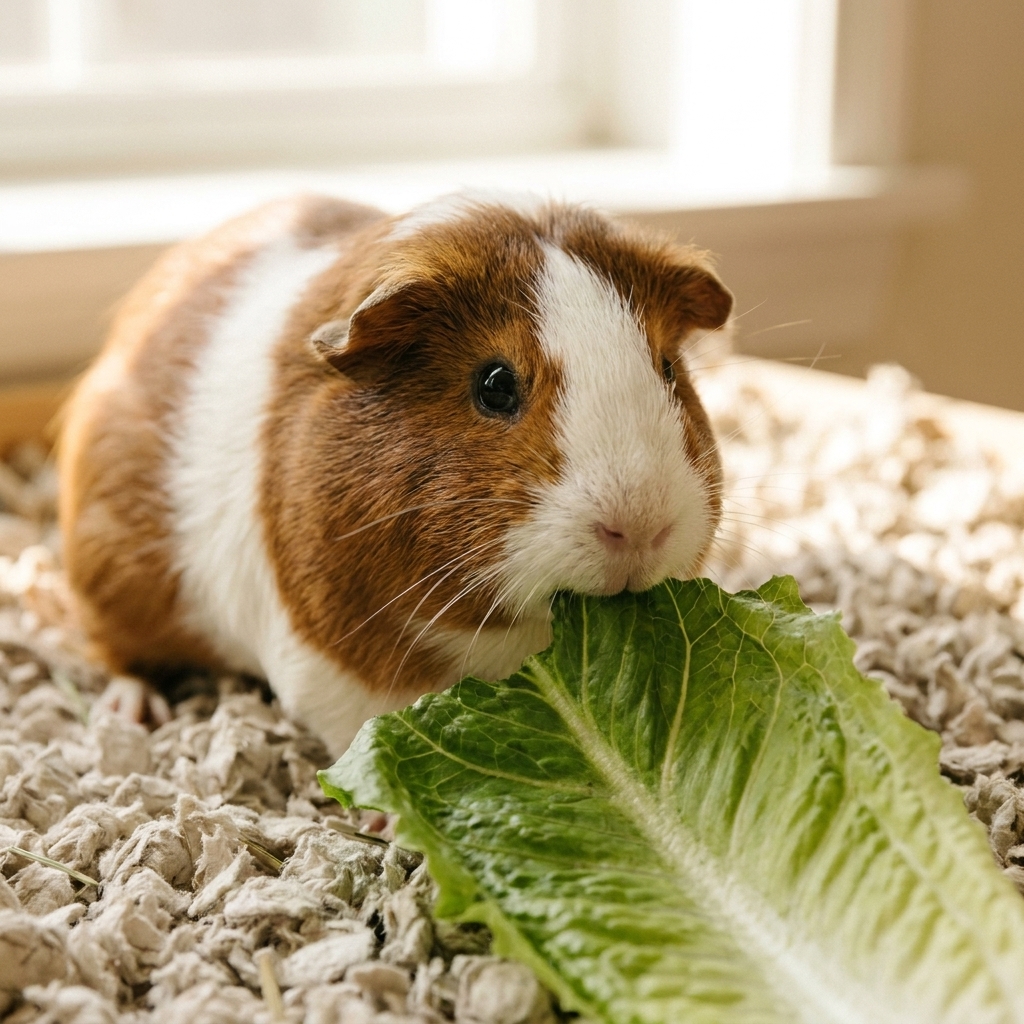
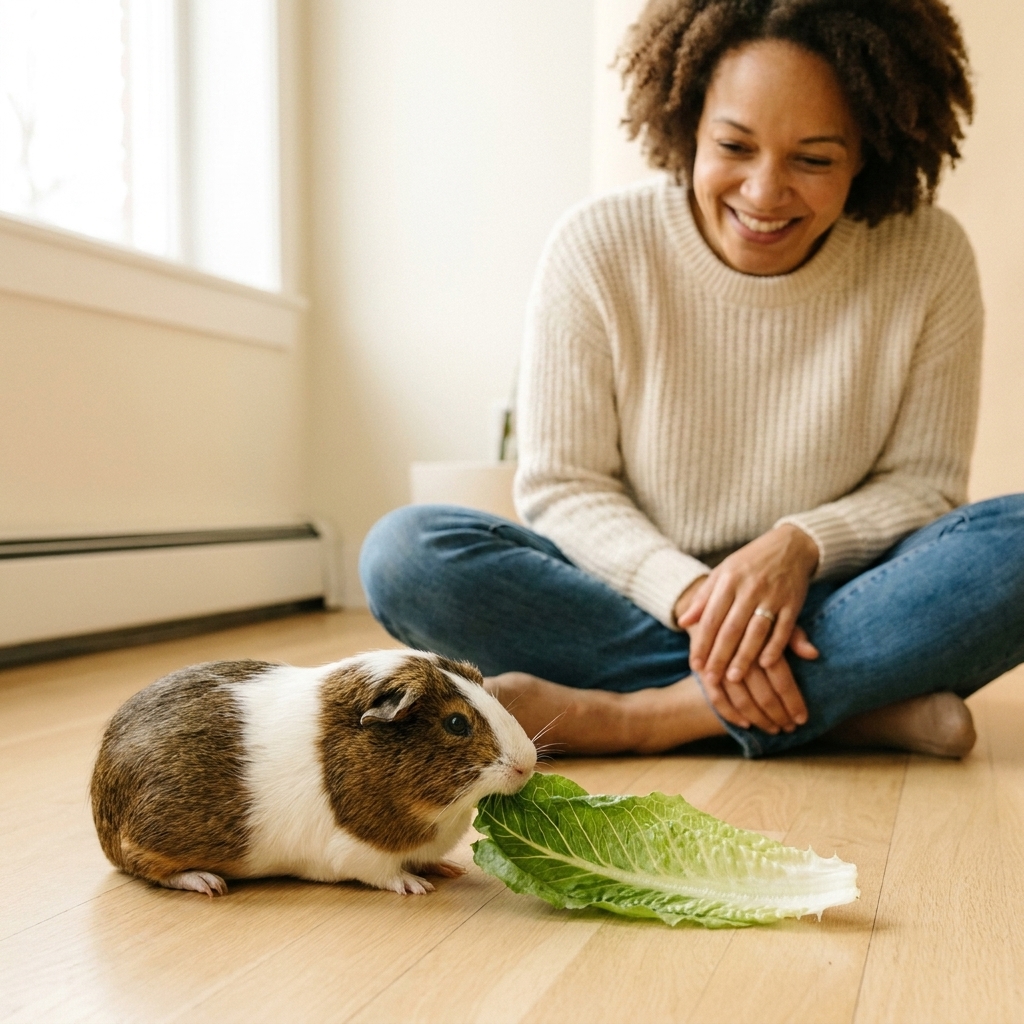
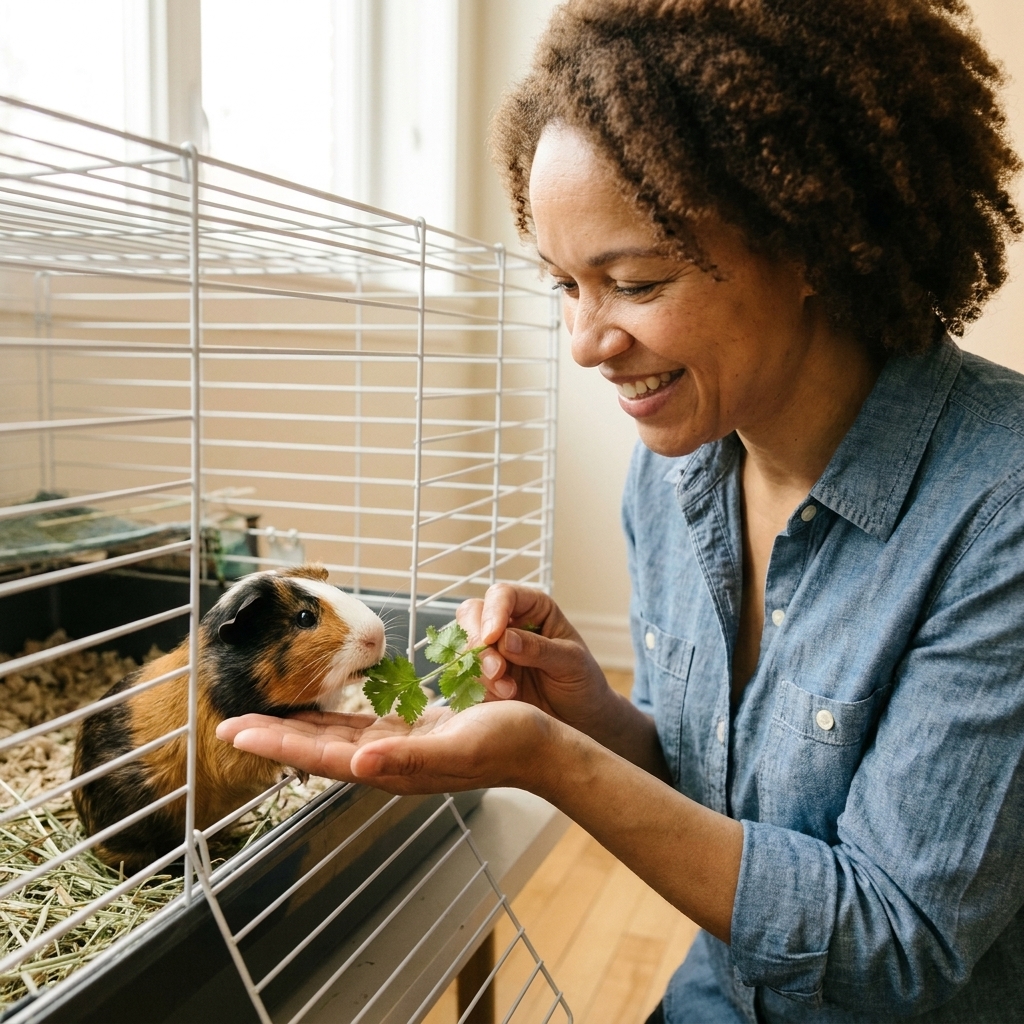
- Graduate to holding a long treat (a leaf of romaine, a sprig of cilantro) so they can nibble without needing to come right up to your fingers.
- Keep sessions short, 2 to 5 minutes, one to two times daily.
Great beginner treats include small pieces of bell pepper, romaine, cilantro, or a thin slice of cucumber. Keep fruit occasional. It is higher in sugar and can contribute to soft stool or weight gain in some guinea pigs.
Step 4: Practice touch before lift
Most guinea pigs hate the surprise scoop. Instead of going straight to picking them up, teach them that touch is safe first.
- Touch briefly, then treat: a quick shoulder or cheek touch, then a veggie reward.
- Increase contact gradually: one second of touch becomes two, then a gentle stroke along the side.
- Watch body language: if they go very still, tense up, or bolt, you have gone too fast. Go back one step.
A relaxed guinea pig will often keep eating while you touch them, hold a looser posture, and recover quickly if startled. A nervous guinea pig may pancake low, chatter teeth, show wide eyes, breathe fast, or whip their head away. Respect that feedback. It is how they communicate.
Step 5: Master the scoop and support hold
When you do need to lift your guinea pig, your goal is full-body support. Dangling feet feels unsafe and can trigger frantic struggling.
How to pick up a guinea pig safely
- Approach from the side rather than straight down from above.
- Slide one hand under the chest, right behind the front legs.
- Use your other hand to support the hips and rear immediately.
- Lift smoothly and bring them close to your body like you are creating a secure little shelf.
Safety basics that really matter: hold them low over a soft surface, never squeeze the chest or abdomen, and supervise children closely. Guinea pigs can startle-jump without warning.
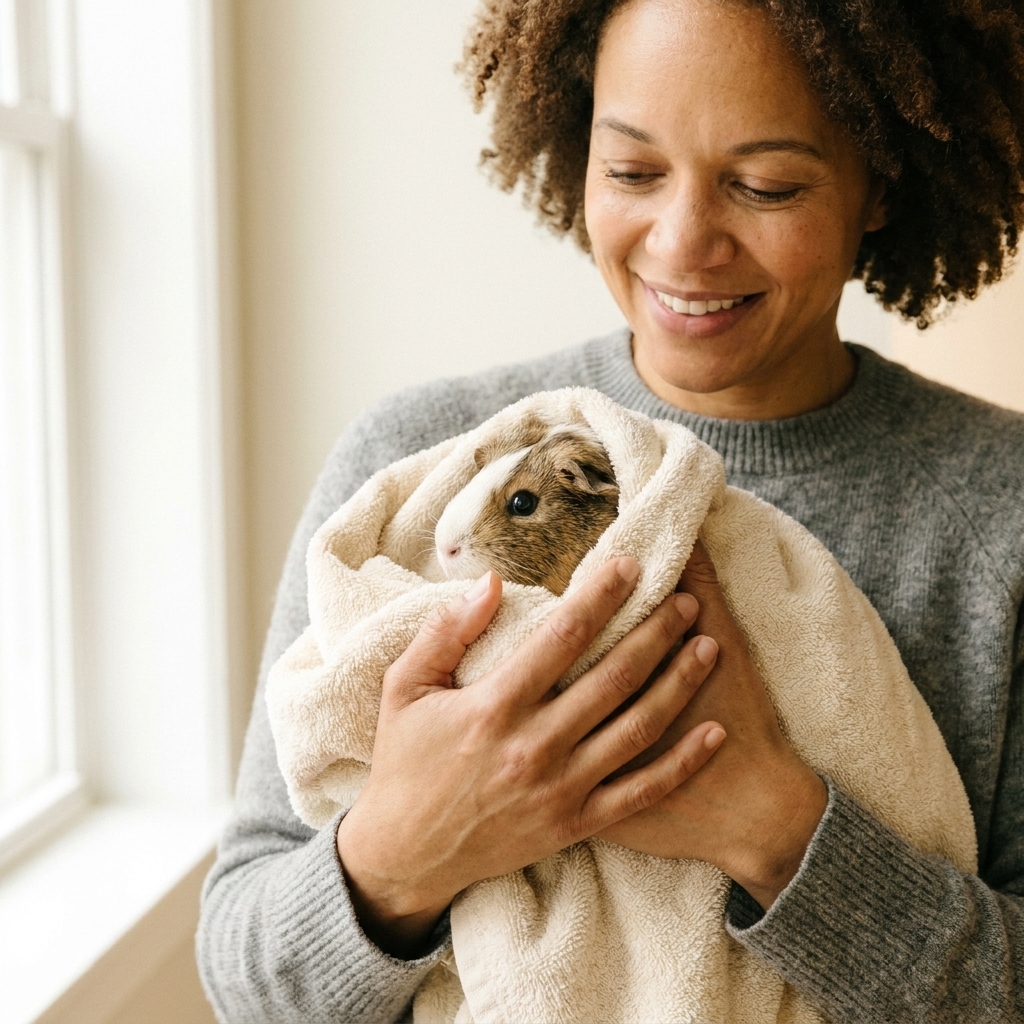
If your guinea pig is extra wiggly, use a soft fleece cuddle sack or small towel. Gently herd them into it, then lift the bundle while still supporting their body inside.
Step 6: Do lap time the gentle way
Lap sessions should feel boring in the best way. Calm, warm, and short at first.
- Sit on the floor or over a soft surface in case they startle-jump.
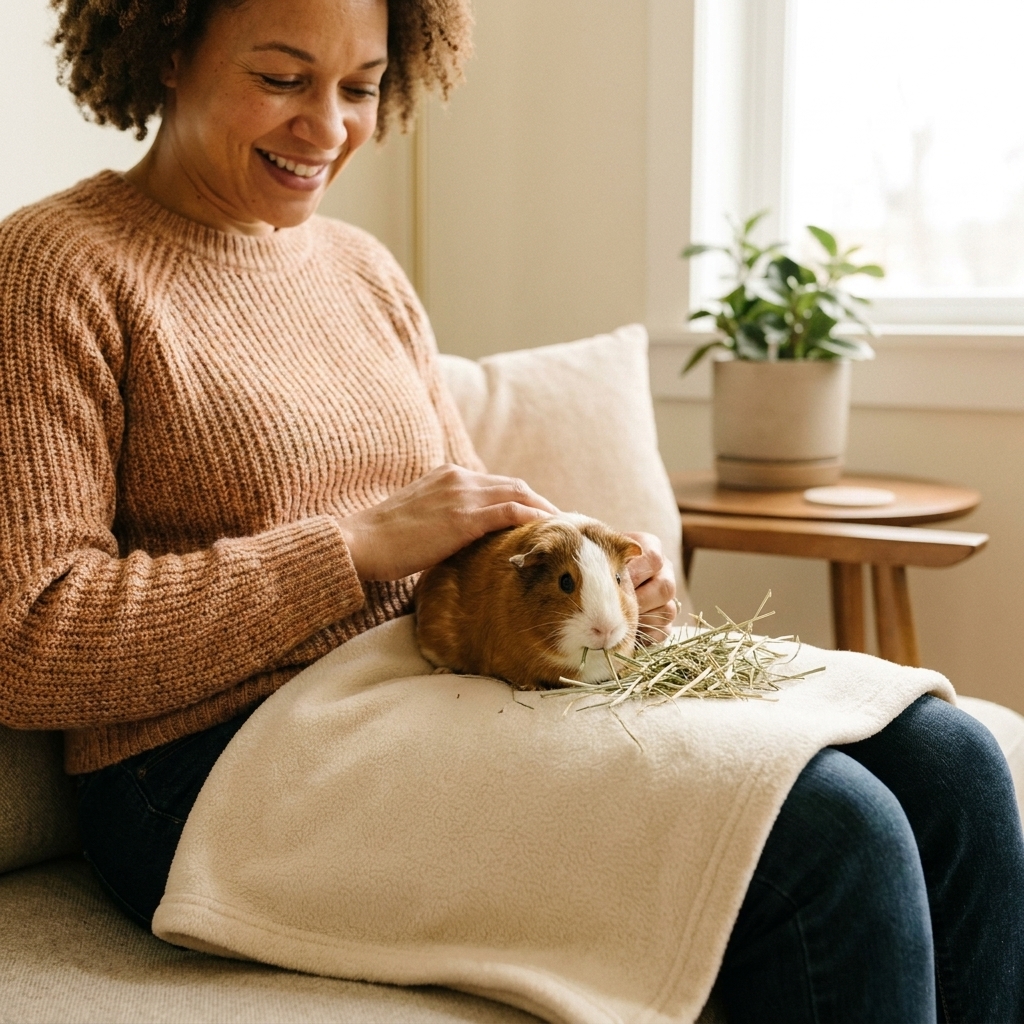
- Use a towel or fleece blanket on your lap for traction and comfort.
- Offer hay or a few greens during lap time so it becomes a safe enrichment moment.
- Start with 1 to 3 minutes, then end on a good note and return them to the cage.
Pro tip from my clinic days: handling improves faster when you end sessions before your guinea pig hits full panic. Think of it like building a trust bank. Small deposits add up.
Step 7: Keep progress steady
Taming is less about one perfect session and more about many calm, repeatable interactions.
- Handle daily if possible, even briefly. Long gaps can make nervous pigs feel like they are starting over.
- Move at your guinea pig’s pace. Some pigs warm up in a week. Others take a month or more.
- Stay consistent across family members. Ask everyone to use the same approach, the same gentle cues, and the same safe hold.
If you have more than one guinea pig, work with each one individually for a few minutes. Confident cage-mates can help, but they can also hog the snacks and prevent the shy pig from practicing bravery.
Also, try not to make pickups equal scary chores only. If you have to do nail trims, weigh-ins, or medication, follow up with something positive like a favorite veggie. It helps protect the trust you are building.
Common mistakes
- Chasing around the cage. Instead, herd calmly into a cuddle sack or a towel. Lifting the whole bundle is usually less stressful than reaching in after them.
- Grabbing from above. Instead, approach from the side and keep movements slow and predictable.
- Holding too long too soon. Instead, do short sessions and end while they are still coping.
- Skipping hiding places to “force socialization.” Instead, provide hides and build confidence gradually. A pig who feels safe explores more.
- Assuming squeaks mean “happy.” Some squeaks are excitement, but sharp, repetitive squeals can mean fear or discomfort. Context matters.
When it might be health related
Fear is normal in new guinea pigs, but pain can look like skittishness or aggression. If you notice any of the signs below, contact an experienced exotics vet. This article can help with handling, but it cannot diagnose pain or illness.
- Not eating hay, fewer poops, or smaller droppings
- Hunched posture, puffed-up coat, or reluctance to move
- Teeth grinding, crying when touched, or sudden intolerance of handling
- Labored breathing, nasal discharge, or crusty eyes
- Limping or sores on the feet
It is hard to build trust when your guinea pig does not feel well. Ruling out medical problems can make training kinder and much faster.
Quick FAQ
How long does it take to tame a nervous guinea pig?
Many guinea pigs show noticeable improvement in 1 to 3 weeks with daily, gentle practice. Very timid pigs may take 1 to 3 months. The timeline depends on personality, past handling, and how predictable your routine is.
Should I pick up my guinea pig every day?
If your pig is extremely fearful, start with daily hand-feeding and touch practice, then build up to brief pickups. Once they tolerate handling, short daily lifts and lap sessions usually help maintain trust.
My guinea pig runs away every time I open the cage. Am I failing?
No. Running is a normal prey-animal reflex. Aim for progress markers like taking food sooner, freezing less, or recovering faster after a pickup. Those small wins mean trust is growing.
Is it better to tame one guinea pig or a pair?
Guinea pigs do best socially, and many become bolder with a calm companion. You can absolutely tame a pair. Just be sure each pig gets individual attention and treats so the shy one does not get overshadowed.
A gentle closing note
If your guinea pig is nervous, the most powerful tool you have is your calm. Slow hands, steady routine, and tiny trust-building moments are what turn a frightened little prey animal into a confident pet who feels safe with you. Keep showing up kindly. They are watching, learning, and remembering the way you make them feel.