A practical, bunny-friendly guide to litter training: supplies, setup, and positive reinforcement to help your rabbit use the box reliably.
If you have ever stood in the small pet aisle holding a bag of paper bedding in one hand and wood shavings in the other, you are not alone. Bedding choices feel deceptively high stakes because they are. Your pet lives on it, breathes around it, digs in it, and in some cases eats it a little.
As a former veterinary technician, I tend to think about bedding the same way I think about food and water bowls: the “best” option is the one that keeps your pet comfortable and clean while protecting their lungs. Below is a practical, judgment-free comparison of paper, wood-based bedding, and fleece liners for common small pets, with honest pros and cons for each.
What matters most
Marketing tends to focus on “odor control” or “softness,” but the bedding that works well long term usually wins in five categories:
- Absorbency: How well it soaks up urine and keeps the surface dry.
- Odor control: How well it traps ammonia smells between cleanings.
- Dust level: Fine particles can irritate sensitive airways, especially in rabbits and small rodents.
- Comfort and behavior: Can your pet dig, burrow, nest, and rest naturally?
- Cost and labor: Upfront price plus how often you replace it or wash it.
If your pet has sneezy days, watery eyes, or a history of respiratory issues, bump “dust level” and “ammonia control” to the top of your list. Ammonia from urine can be a big respiratory irritant even when bedding itself is low-dust.
One more simple rule that saves a lot of trouble: skip scented bedding and fragranced “odor control” additives. Small pets live nose-first, and perfume can be surprisingly irritating.
Quick comparison
Paper bedding
- Best for: Most small pets, especially when you need a low-aroma, low-oil option
- Strengths: Soft, good absorbency, usually low in irritant oils
- Watch-outs: Some brands are dusty; odor control varies; can get pricey in large habitats
Wood-based bedding (shavings, kiln-dried)
- Best for: Some rodents when you choose the right wood and a low-dust brand
- Strengths: Often affordable, decent odor control when kept deep and dry
- Watch-outs: Dust can be an issue; avoid aromatic softwoods like cedar; not ideal for every species
Wood pellets (pellet bedding)
- Best for: Litter boxes and high-urine zones, especially for rabbits and guinea pigs
- Strengths: Great urine absorption, strong odor control, typically low tracking
- Watch-outs: Hard underfoot as a full-cage surface; needs a softer top layer for many pets
Fleece liners
- Best for: Guinea pigs and rabbits with good housekeeping routines
- Strengths: Reusable, low dust, easy spot-cleaning, predictable costs
- Watch-outs: Odor builds fast without frequent changes; requires proper washing; needs an absorbent layer underneath
Paper bedding
Paper bedding is the option I reach for most often when a pet parent asks, “What is the safest all-around bedding?” It is generally soft on feet, easy to burrow in, and free of the aromatic oils that make some wood products problematic.
Absorbency and odor
Good paper bedding absorbs well, but odor control depends heavily on depth and cleaning routine. A thin layer gets overwhelmed quickly, especially for animals that pee in one favorite corner. For better odor control, use a deeper layer in bathroom zones and remove wet patches daily.
Respiratory safety
Paper is often lower-dust than many wood shavings, but “low dust” is not the same as “no dust.” If you notice a puff of particles when you pour it, that dust ends up in little lungs. Pouring slowly helps. The most realistic fix is usually choosing a truly low-dust brand and sticking with unscented varieties.
Behavior and comfort
For burrowers and nesters like hamsters, gerbils, mice, and rats, paper bedding can be excellent, especially when you pack it down to hold tunnels. As a general guide, aim for several inches at minimum for hamsters and gerbils, and more if your enclosure allows.
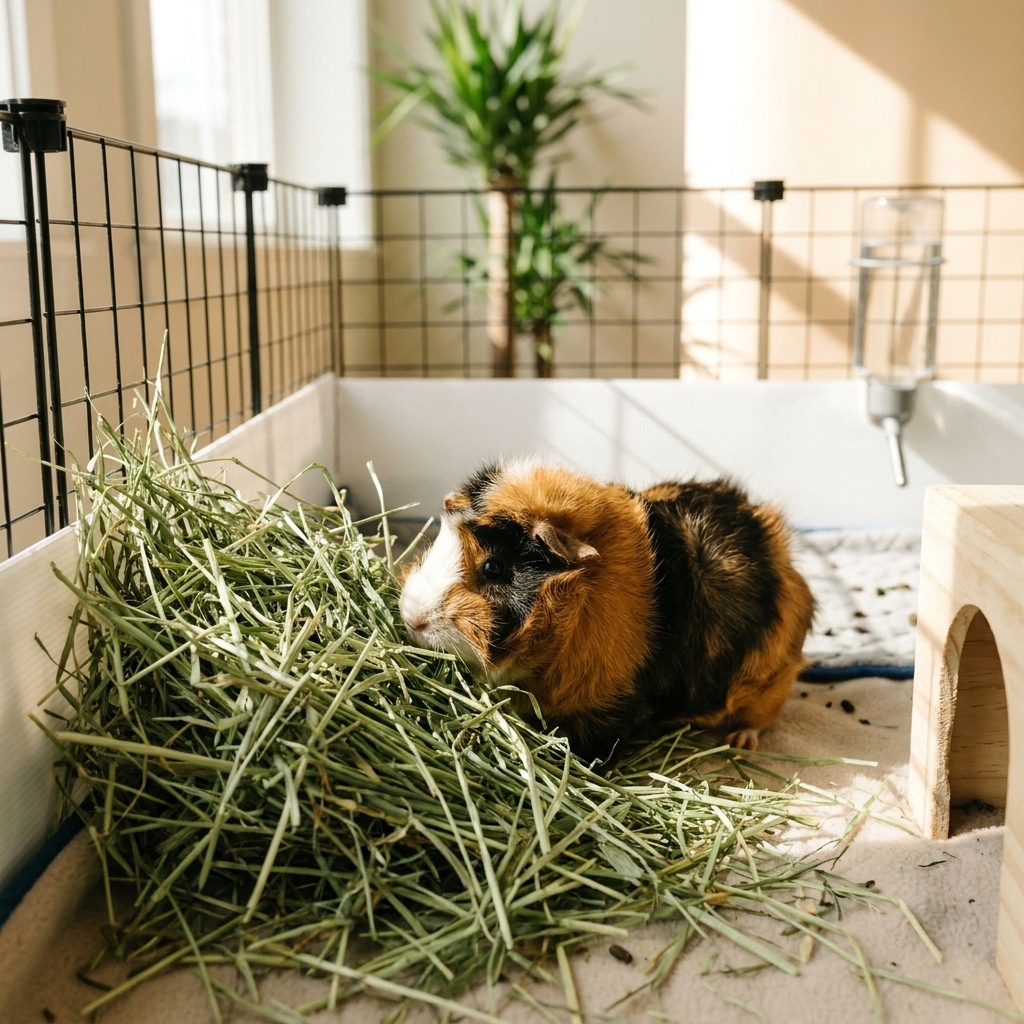
For rabbits and guinea pigs, paper bedding works well in litter areas. For the main living space, many owners find a more stable surface (like fleece over an absorbent layer, or mats with a separate litter area) helps reduce tracking and makes day-to-day cleanup easier.

Wood bedding
Wood bedding can be a great tool, but it is also where most of the “conflicting internet advice” lives. Let’s make it simple.
Avoid cedar
Cedar shavings are widely discouraged for small pets because their aromatic compounds can irritate airways and have been associated with changes in liver enzyme activity in animals. In clinic settings, when a small mammal came in with chronic sneezing or irritation, “cedar bedding” was a detail that popped up again and again.
If you want wood bedding, look for kiln-dried options that are labeled low-dust and made for small animals.
Aspen and low-aroma shavings
Aspen shavings are commonly used because they are less aromatic than cedar and many pine products. They can offer decent odor control, especially when used deep enough and spot-cleaned daily.
Where it can fall short: some bags are noticeably dusty, and lightweight shavings can track everywhere. If you have a rabbit or guinea pig with sensitive feet, shavings can also feel less stable than fleece or a solid mat surface.
Wood pellets
Pellet bedding is one of my favorite low-drama upgrades for odor control because it absorbs urine fast and tends to lock in ammonia smell better than many fluffy beddings. The tradeoff is comfort. Pellets are hard and not ideal as the only surface across an entire enclosure for many pets.
One safety nuance that matters: if you buy pellets, choose plain, additive-free pellets (100% wood, no accelerants, no binders, no fragrance). Many owners use pellet products marketed for animal bedding, which is the simplest way to avoid unpleasant surprises.
How to use pellets well:
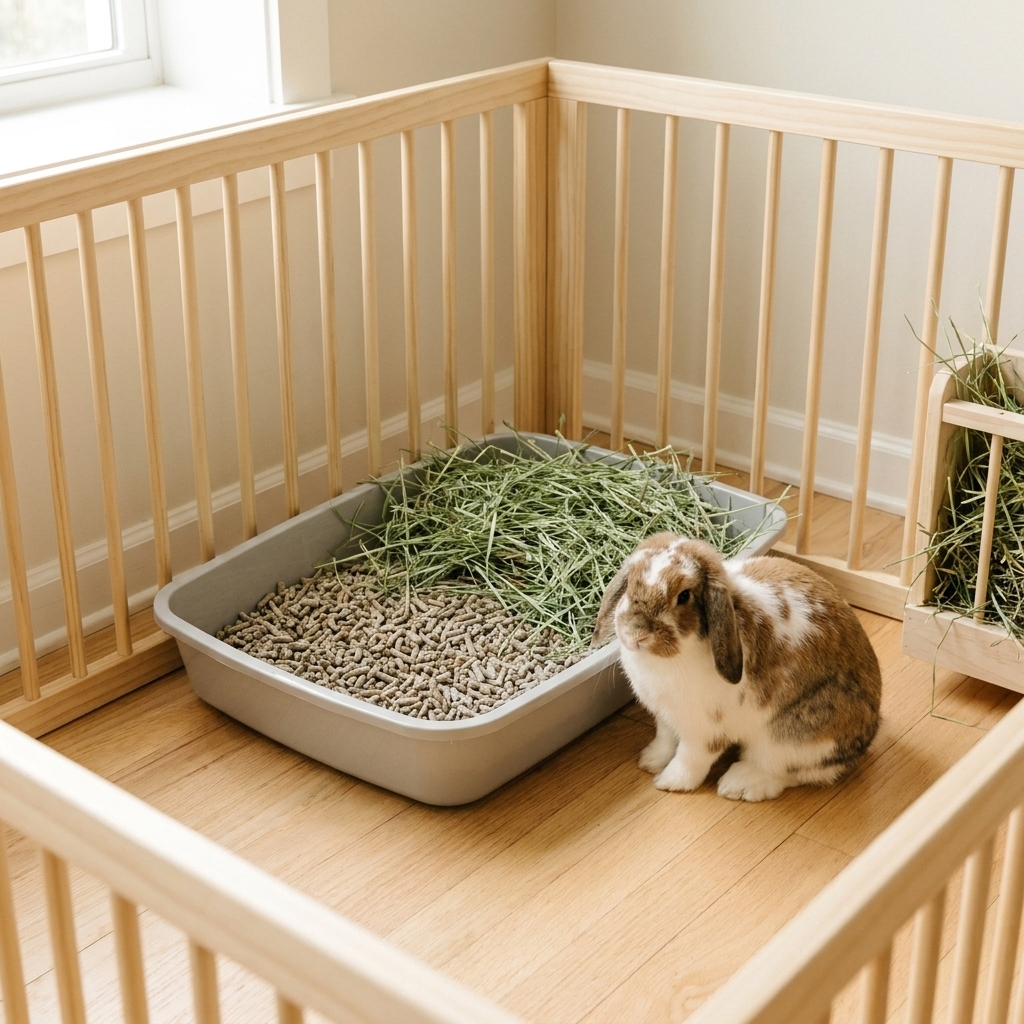
- For rabbits: pellets in the litter box, topped with a layer of hay (for eating) and sometimes a small amount of paper bedding (for comfort).
- For guinea pigs: pellets under a softer top layer in kitchen areas or pee pads under fleece.
- For hamsters and gerbils: pellets are usually better reserved for a toilet corner, not the main dig zone.

Fleece liners
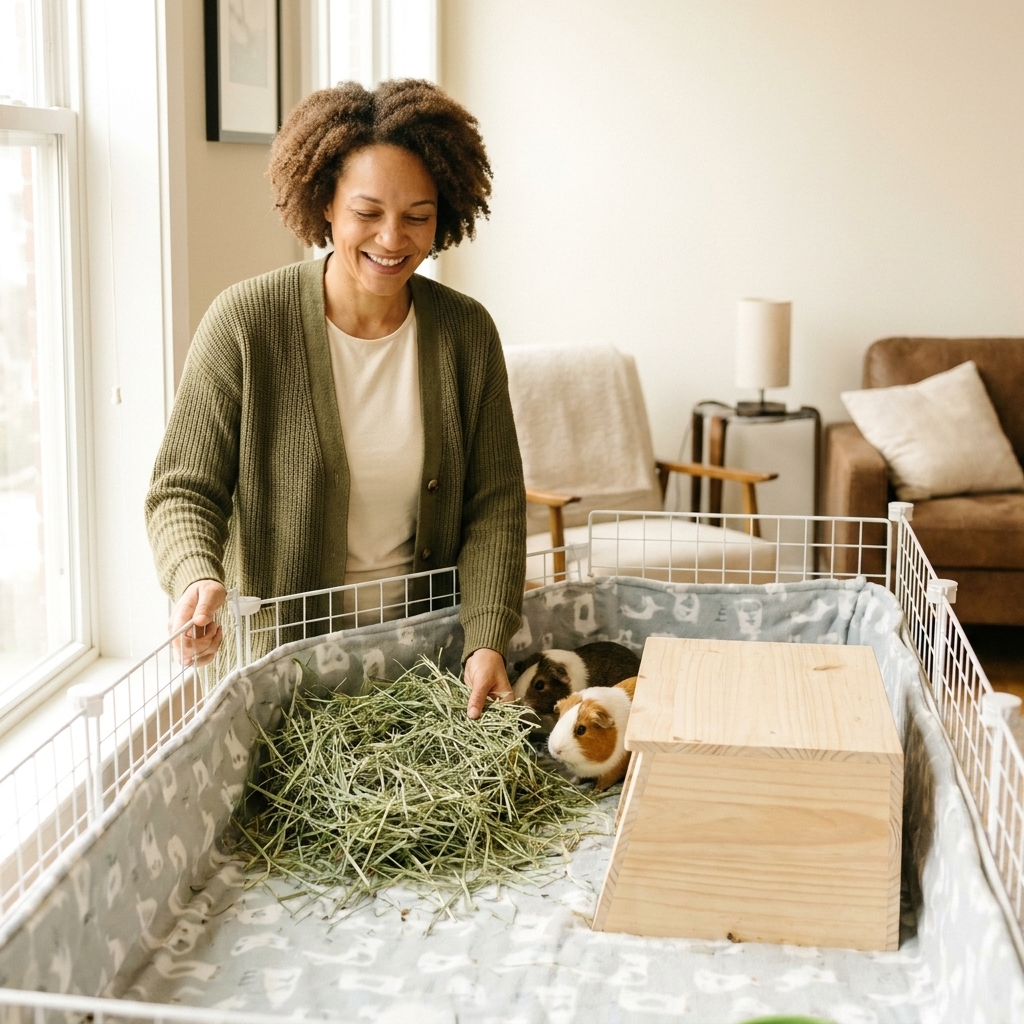
Fleece is popular for guinea pigs and rabbits for good reason. It is soft, reusable, and creates a consistent surface that many pets find comfortable. It also eliminates the bedding cloud that can happen when you pour in loose substrate.
Absorbency and odor
Fleece itself is not absorbent. The magic is in the layers underneath. A good fleece setup has:
- Top layer: fleece that wicks moisture through
- Absorbent core: towels, washable incontinence pads, or purpose-made absorbent liners
- Optional bottom layer: a water-resistant barrier to protect the cage base
Odor control is excellent when you spot-clean daily and wash on schedule. It gets rough fast when you do not. If you are someone who wants to clean once a week and forget about it, fleece may feel like a part-time job.
Respiratory safety
Fleece is typically very low dust, which can be a win for sensitive pets. The main respiratory risk with fleece is indirect: if urine builds up, ammonia does too. Frequent spot-cleaning and timely full changes matter.
Chewing risk
Some rabbits and a few determined guinea pigs will chew fleece corners. Occasional nibbling may not cause an issue, but swallowing strings or chunks can be dangerous. If your pet is a fabric chewer, skip fleece or choose tightly sewn, well-fitted liners and remove loose threads immediately.

Avoid these
If you take nothing else from this article, take this list to the store with you. For most small pets, avoid:
- Cedar shavings
- Scented bedding and fragranced “odor control” products
- Clumping clay cat litter (dust and clumping risks if ingested)
- Crystal or silica cat litter (dust and irritation risk, and not designed for small-pet habits)
Hay, straw, and “bedding”
This confusion comes up constantly, especially with rabbits and guinea pigs.
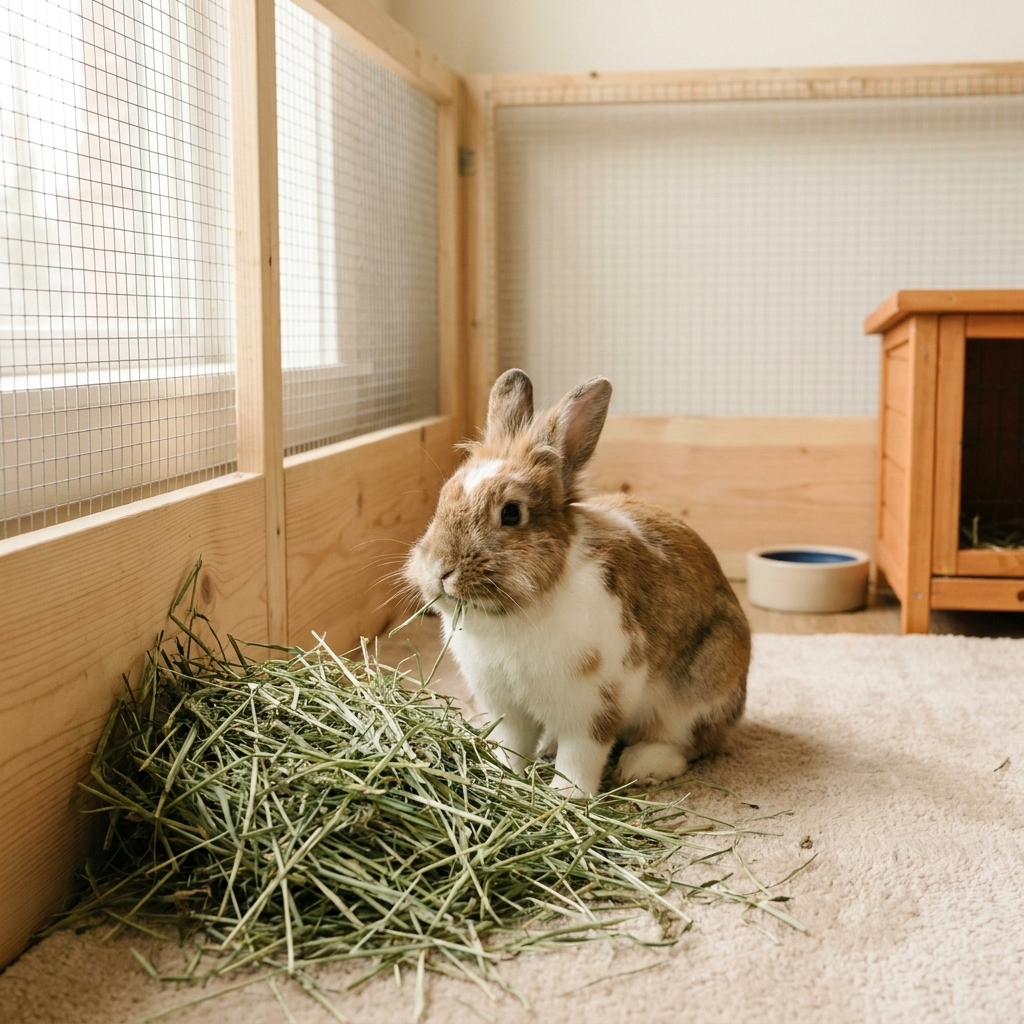
- Hay: primarily food for rabbits and guinea pigs, and also a useful litter-box topper. It is not very absorbent on its own, so think of it as “edible comfort,” not the whole bathroom plan.
- Straw: sometimes used as bedding, but it is not very absorbent, can be poky, and can mold if it gets damp. If you use straw, keep it dry and treat it as a comfort layer, not your main odor-control material.
Best by pet
Rabbits
- Great combos: litter box with wood pellets plus hay on top; fleece or solid flooring in the main area with a separate litter box
- Use with caution: loose shavings across the whole space can track and may be dusty depending on brand
- Skip: cedar shavings, clumping or crystal cat litter
My practical rabbit setup tip: Think “living area plus bathroom.” Rabbits do best when their main area is comfortable and stable, and their litter box is optimized for urine control.
Guinea pigs
- Great options: fleece with absorbent layer; paper bedding in smaller areas; pellets in kitchen zones under a softer top layer
- Watch-outs: dust and ammonia buildup, especially in enclosed cages with poor ventilation
Guinea pigs are odor-sensitive roommates, and they also have delicate respiratory systems. Whatever you choose, daily spot-cleaning is the secret sauce.
Hamsters
- Great options: deep paper-based bedding for burrowing; some low-dust aspen can work depending on the individual
- Watch-outs: shallow bedding that prevents burrowing, dusty bags, strong-smelling woods
For hamsters, bedding is enrichment. Aim for several inches minimum so they can tunnel and nest naturally, and more if your enclosure allows.
Gerbils
- Great options: deep paper bedding mixed with hay for structure; low-dust aspen for some gerbils
- Watch-outs: dusty materials and anything that collapses easily
Rats and mice
- Great options: paper bedding (soft nesting and absorbent); low-dust aspen for some setups
- Watch-outs: ammonia buildup, especially in smaller cages or with multiple animals
Rats in particular can get a strong cage fast. Prioritize ventilation, spot-cleaning, and an odor-controlling litter area.
Chinchillas and degus
These pets have their own husbandry quirks, including very specific dust-bath needs and sensitivity to humidity and certain materials. If you have a chinchilla or degu, use species-specific guidance (and your exotics vet) rather than treating them like “generic rodents” for bedding decisions.
Cost and cleanup
Paper
- Cost: often mid to high, especially for large enclosures
- Labor: easy dump-and-replace; frequent spot-cleaning reduces how much you toss
Wood shavings
- Cost: often budget-friendly for volume
- Labor: similar to paper; watch dust when pouring and during full changes
Wood pellets
- Cost: usually cost-effective per use, especially for litter boxes
- Labor: easy to scoop out wet spots; full changes less frequent in a well-trained litter box setup
Fleece
- Cost: higher upfront, lower ongoing if you stay on top of laundry
- Labor: daily spot-cleaning plus regular washing; you need a system you can actually maintain
If you are choosing between “cheaper but dusty” and “slightly pricier but low dust,” I almost always recommend investing in the option that supports good breathing. Vet bills cost more than bedding, and respiratory issues can become chronic if the environment is irritating.
One more cleanup note for burrowers: for hamsters and gerbils, partial changes are often kinder than stripping everything every time. Keeping some clean, dry old bedding helps preserve familiar scent and can reduce stress. Still remove wet spots regularly, especially in the toilet corner.
How to choose
- If your pet is sneezy or has respiratory history: start with low-dust paper or fleece, and be strict about ammonia control. For these pets, paper or fleece is often the safest path, even if kiln-dried pine is labeled as acceptable.
- If odor is your biggest struggle: add a pellet-based litter zone and increase spot-cleaning frequency.
- If your pet needs to burrow (hamsters, gerbils): choose deep, packable paper bedding and avoid hard pellet-only floors.
- If you want the lowest ongoing cost: pellets for litter boxes plus a sensible top layer, or fleece if you are consistent with laundry.
- If you hate laundry: paper or shavings will feel easier than fleece.
Safety checklist
- No cedar.
- Low dust: you should not see clouds when pouring.
- Unscented: added fragrances can irritate sensitive noses.
- Pellets should be plain: 100% wood, no additives or fragrance.
- Good ventilation: even the best bedding cannot fix a poorly ventilated habitat.
- Daily wet-spot removal: this is the most underrated “odor control product” on the market.
If you are ever unsure, bring a photo of your setup to your exotic vet visit. A quick environmental review can make a huge difference, and it is one of the easiest wellness improvements you can make at home.
FAQ
Is pine bedding safe for small pets?
It depends on the type and the animal. Cedar is the big one to avoid. With pine, kiln-dried, low-dust products are commonly used, but some pets still react to it. If your pet has any respiratory history, paper and fleece (plus pellets in litter zones) are often the simpler, lower-risk approach. If you try pine, monitor closely for sneezing or irritation.
What is best for ammonia smell?
Pellet bedding in litter areas is often the strongest performer for urine control. Pair that with daily spot-cleaning and a full change schedule that matches your pet count and enclosure size.
Can I use fleece for hamsters?
I do not recommend fleece as the main substrate for hamsters because it does not allow natural burrowing. Hamsters thrive with deep, packable bedding they can tunnel in.
How often should I change bedding?
It varies by species, enclosure size, and how many pets you have. As a baseline: remove wet spots daily, refresh heavily used corners every couple of days, and do full changes as soon as you notice persistent odor even after spot-cleaning. With fleece, spot-clean daily and wash liners on a predictable schedule before odor builds. For burrowing species, partial changes are often less stressful than stripping the enclosure down to bare plastic every time.