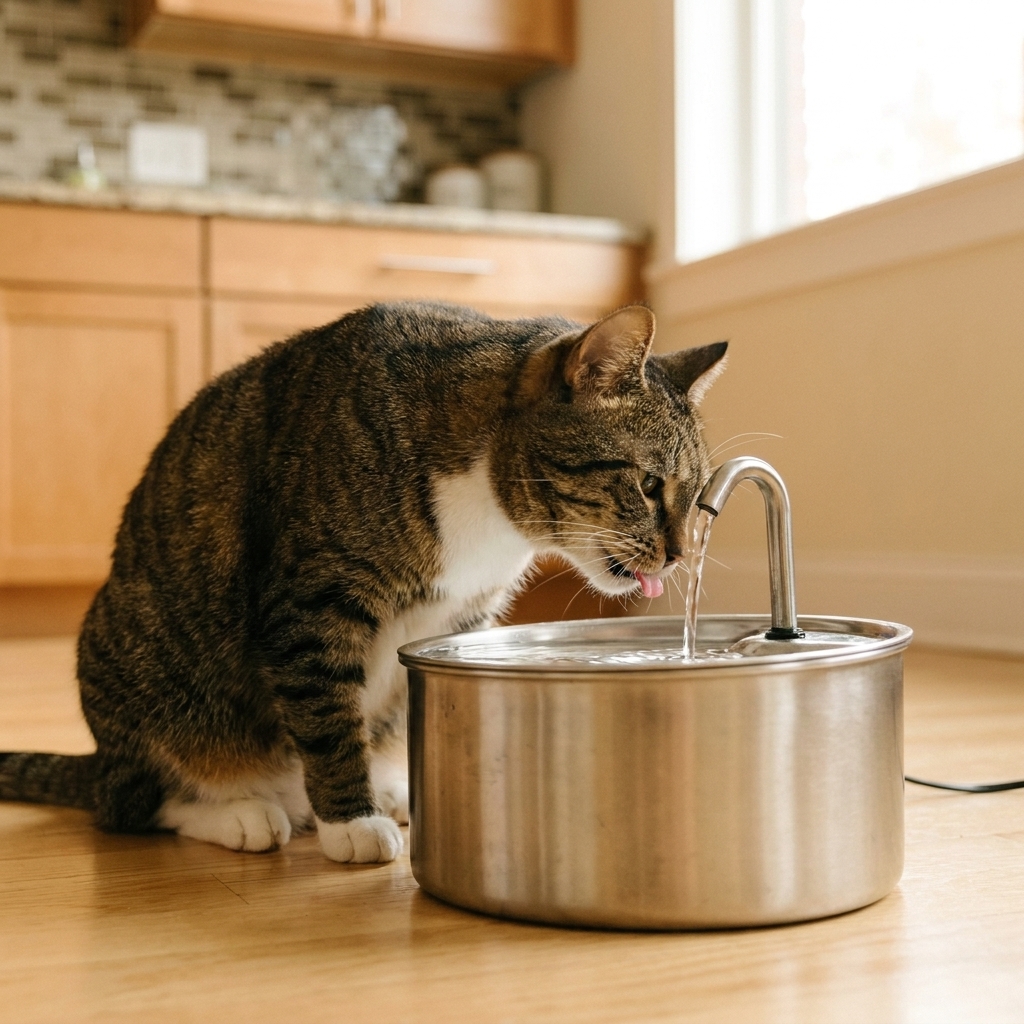
Running water can encourage some cats to drink more, but fountains are not a cure-all. Here’s what matters for hydration, urinary health, and choosing the ...
Pet beds, bowls, and fabric toys look harmless, but they can quietly collect saliva, food residue, skin oils, pollen, and moisture. That mix is basically a welcome mat for bacteria, yeast, and mildew. The good news: you do not need harsh chemicals to get pet gear truly clean. You just need the right method, and a plan that fits your pet’s habits.
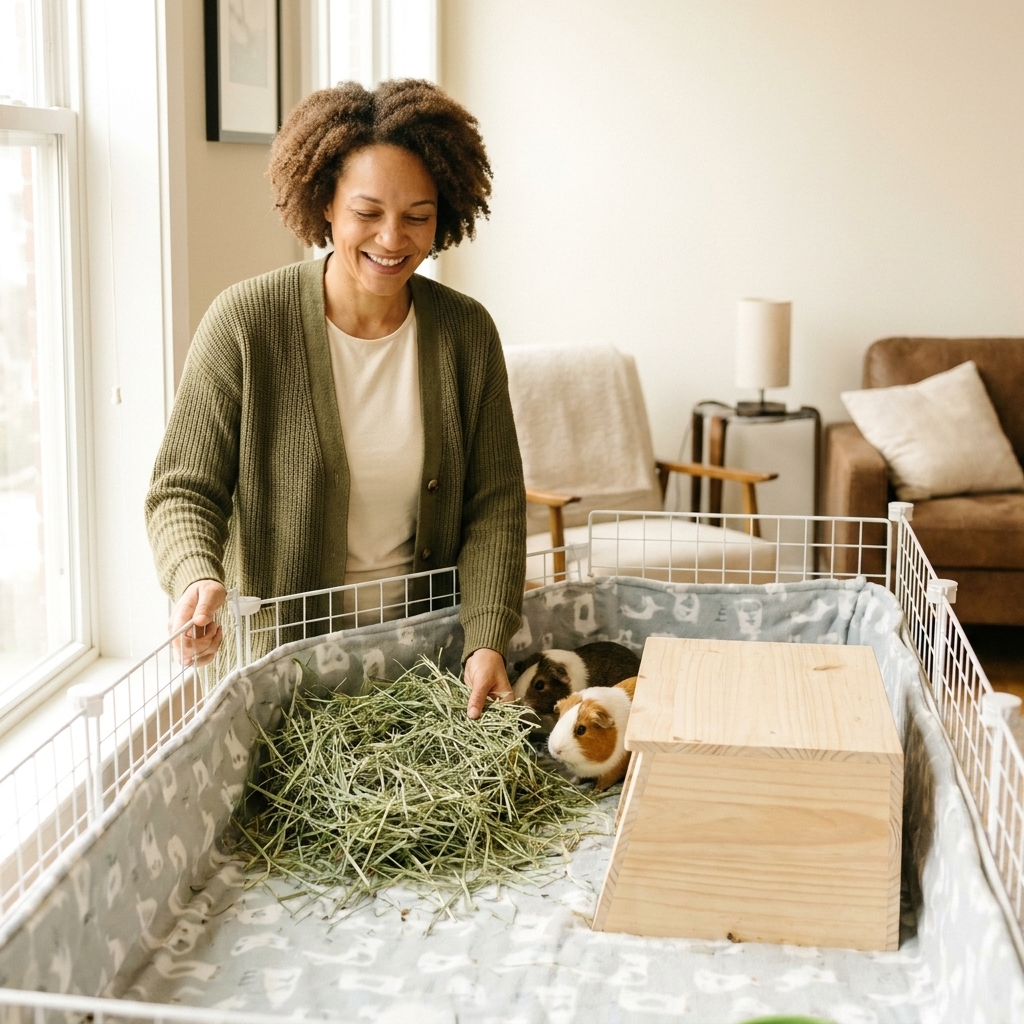
Below is the deep-clean routine I used as a veterinary technician and still use at home with Buster’s bedding, Luna’s dishes, and my guinea pigs’ fleece accessories.
Before you start: what is pet-safe?
For everyday pet gear, you want cleaners that are effective against grime and microbes but gentle for noses, paws, and mouths. This is especially important for cats, birds, rabbits, and small pets that can be more sensitive to fumes and residues.
Quick terminology note: In real life, most home routines aim to sanitize (reduce germs) rather than truly disinfect (meet a specific kill standard). You can get excellent results without promising lab-level disinfection, especially when you wash thoroughly and dry completely.
Pet-safe cleaning staples
- Hot water + dish soap (fragrance-free if possible): Best for bowls and hard toys. Soap helps break up grease and slime so microbes do not have a protected layer to hide in.
- White distilled vinegar: Great for mineral buildup and mild deodorizing. It is not a reliable disinfectant by itself, but it helps with scale and smells.
- Oxygen bleach (sodium percarbonate): A solid option for washable fabrics when you need extra deodorizing and stain help. Use unscented, follow the package, and rinse well.
- Hydrogen peroxide (3%): Useful on some hard surfaces as an extra sanitation step after washing. Follow the product label for contact time, then wipe and allow to fully dry. It can discolor fabrics and some finishes.
- Heat: Hot wash cycles, high-heat drying, and dishwasher sanitize settings can significantly reduce germs, especially when paired with a good scrub first.
What to avoid
- Bleach mixed with anything: Never mix bleach with vinegar, ammonia, or other cleaners. Dangerous fumes can result.
- Phenol-based disinfectants: Many heavy-duty household disinfectants can be especially risky for cats.
- Strong essential oils: Even “natural” oils can irritate airways and may be unsafe for some species. If you want a fresh smell, aim for “clean” rather than “covered.”
Deep clean pet bowls
If you have ever felt a slick film inside a water bowl, that is biofilm. It can form fast, especially with warm temperatures or if the bowl has tiny scratches.
Step-by-step: bowls and fountains
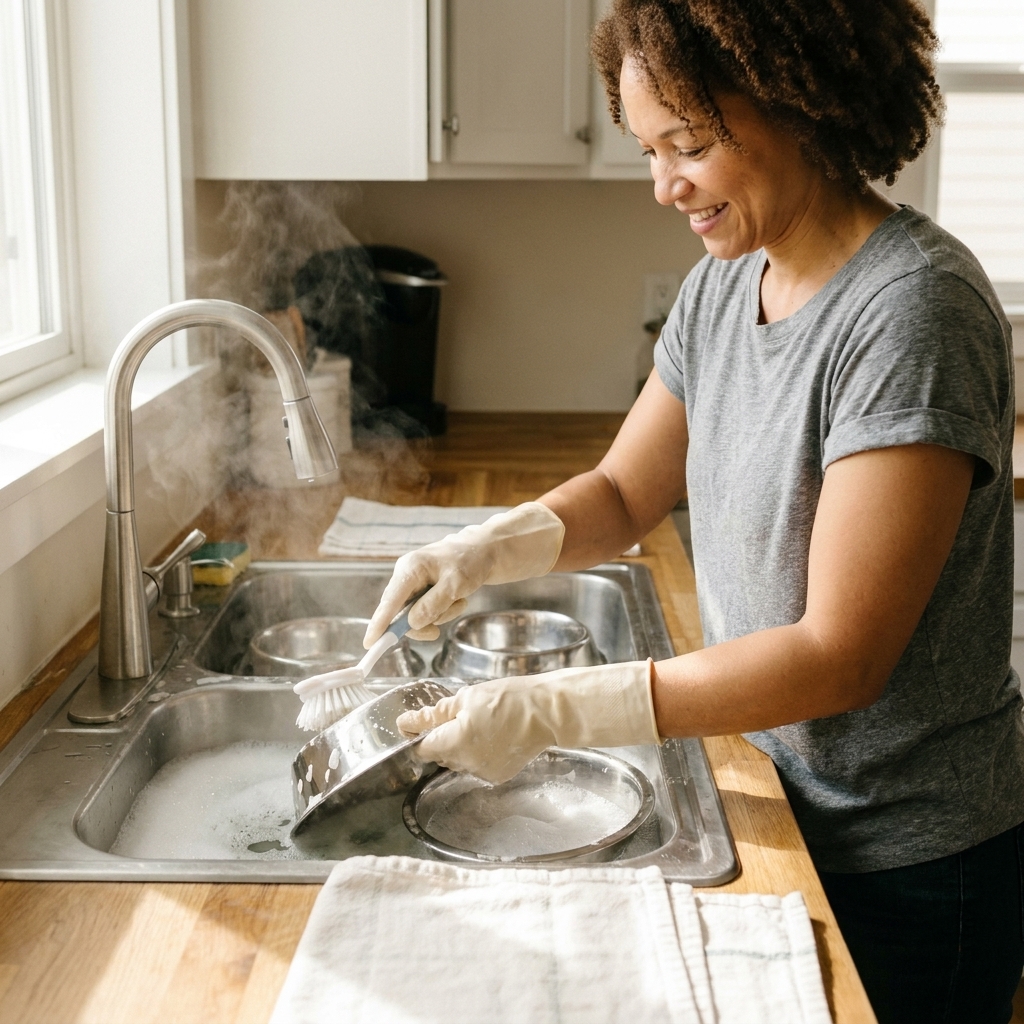
- Wash first with hot water and soap. Use a dedicated sponge or bottle brush. Scrub seams, ridges, and under the rim. (Sanitizers and hot water work poorly when biofilm and food residue are still there.)
- Rinse thoroughly. Any leftover soap can turn meals into a “no thanks” situation for picky pets.
- Use heat if possible. Run dishwasher-safe bowls through the dishwasher on the hottest cycle. If your dishwasher has a sanitize setting, even better.
- Handle mineral deposits. If you have hard water scale, do a brief soak in warm water with a splash of white vinegar, then rinse well.
- Dry completely. Air-drying is fine. Just do not stack damp bowls, which can trap moisture.
For pet water fountains: Disassemble fully, scrub all parts (especially crevices), and clean the pump intake area. Replace filters on schedule. Mold loves neglected fountain nooks.
Cat note: If your cat is prone to chin irritation or “chin acne,” many veterinarians recommend switching from plastic to stainless steel or ceramic and washing daily. Some cats seem more sensitive to scratched plastic, which can hold residue.
Deep clean hard toys
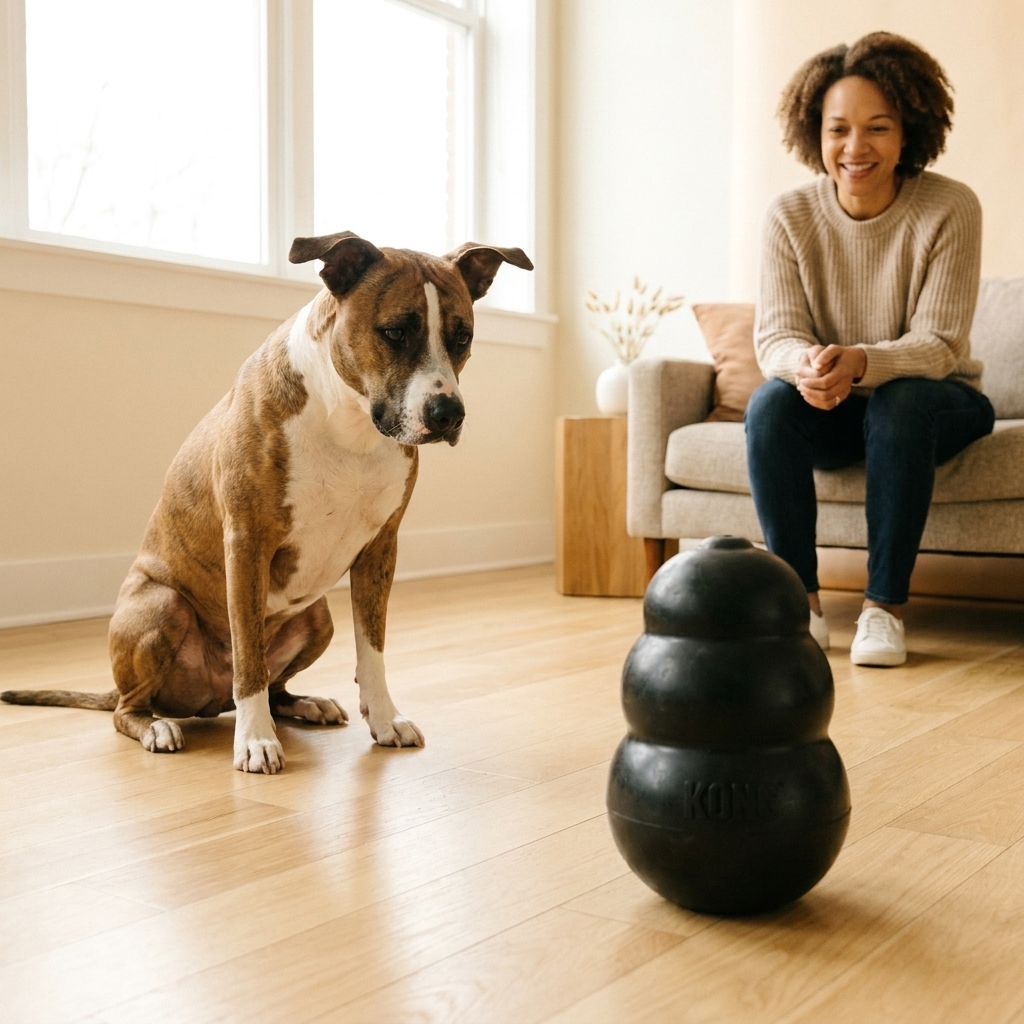
Rubber and nylon toys build up a saliva film and can pick up dirt and germs from floors, yards, and dog parks. The routine is simple and works for most non-porous toys.
Step-by-step: rubber and nylon
- Check condition first. Toss toys that are cracked, sticky, or shedding chunks. Those can become choking or blockage risks.
- Scrub with hot, soapy water. Use a dedicated brush and work into grooves and textured areas.
- Rinse well.
- Use heat when allowed. Many hard toys can go on the top rack of the dishwasher, but only if the manufacturer says dishwasher-safe.
- Dry fully. Especially if the toy has holes or internal cavities that can trap moisture.
Deep clean pet beds
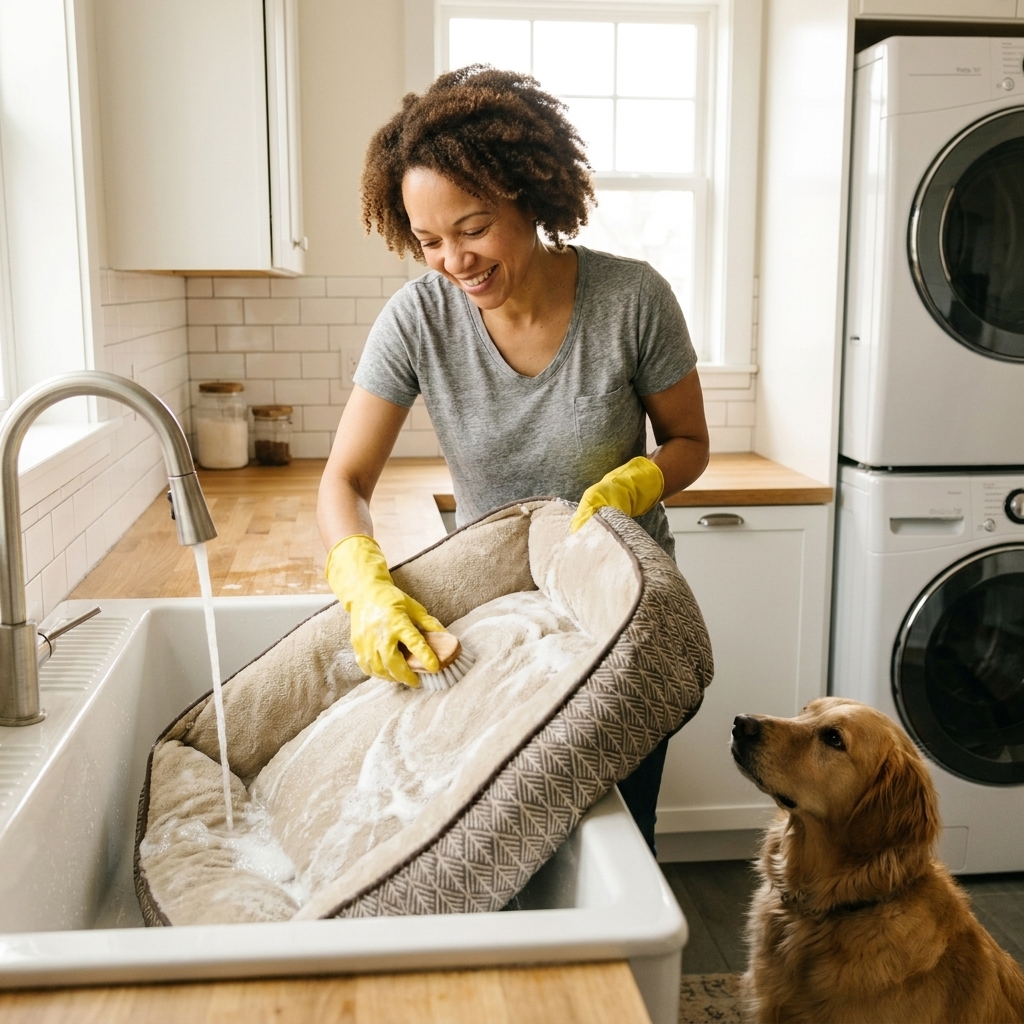
Pet beds trap dander, drool, and sometimes accidents. The goal is twofold: remove organic material (what microbes feed on) and then reduce the overall germ load. Also, if your pet has allergies, clean bedding can make a noticeable difference in itch and sneeze seasons.
Step 1: strip and pre-clean
- Remove covers and liners. Check for inner waterproof layers.
- Shake outdoors if possible. This removes hair and grit that can clog your washer.
- Vacuum the bed and the bare foam. Use an upholstery attachment, and hit seams and zippers.
Step 2: treat stains and odors
If there was an accident, use an enzymatic cleaner on the cover and any affected inner layer. Enzymes break down urine proteins and are far more reliable than perfumes. Follow the label and allow the full dwell time, then wash.
Step 3: wash the cover
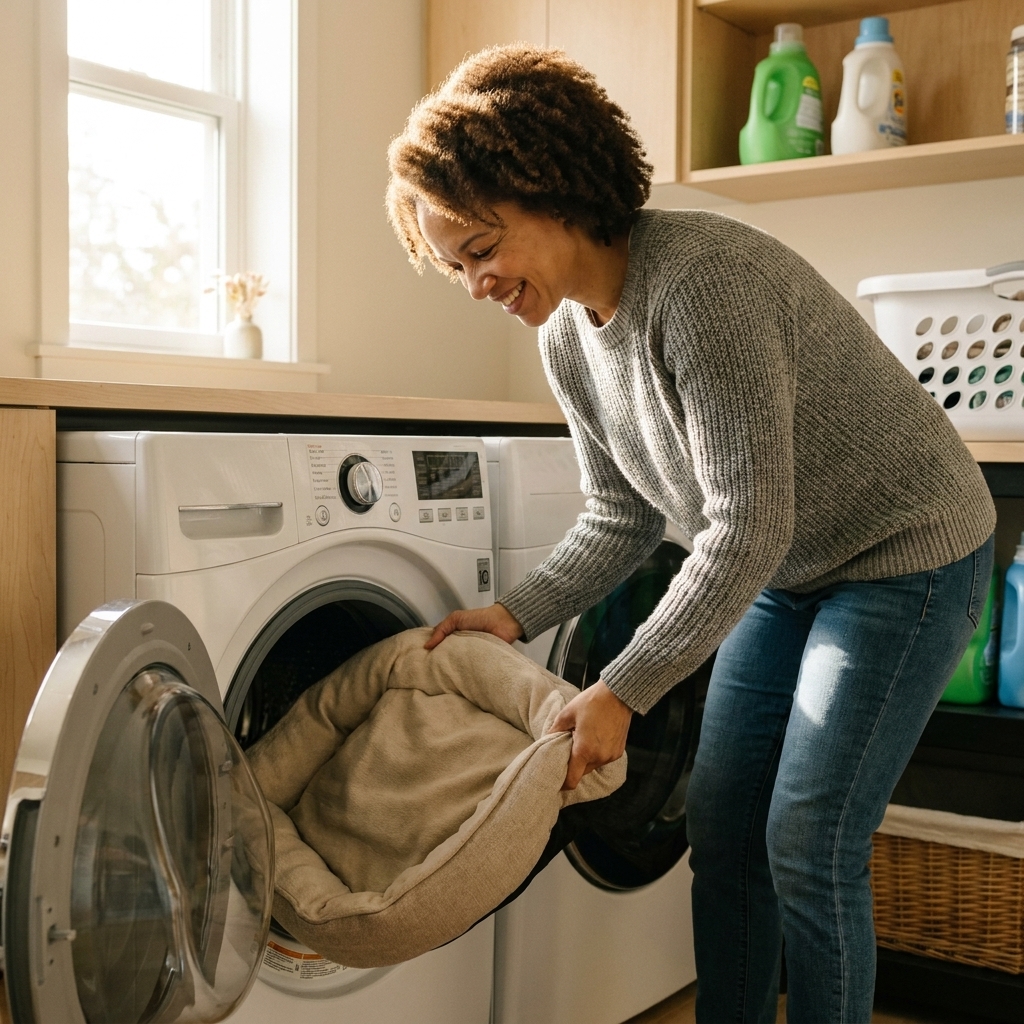
- Use the warmest water safe for the fabric based on the care tag.
- Choose a fragrance-free detergent when possible.
- Add oxygen bleach for extra stink-fighting on whites and colorfast fabrics, if the label allows.
- Run an extra rinse if your pet has sensitive skin or you used any boosters.
Step 4: clean the foam insert
Many foam inserts cannot go in the washer. Here is what to do instead:
- Spot-clean with a small amount of gentle soap and warm water on a cloth. Try not to saturate the foam.
- For odors: Sprinkle a light layer of baking soda, let it sit for 30 to 60 minutes, then vacuum thoroughly.
- Dry completely in a warm, well-ventilated area. Prop it up so air can reach both sides.
Important: Damp foam is higher risk for mildew and lingering odor. If an insert gets soaked through and you cannot get it fully dry reasonably quickly (especially in humid weather), replacement is often the cleaner, safer choice.
Deep clean fabric toys
Fabric toys collect saliva and can stay slightly damp inside after play, especially plush toys that get carried to water bowls or drooled on during naps. Regular cleaning helps reduce bacteria and that sour smell some toys develop.
Check the toy first
- Look for holes, loose seams, or exposed stuffing. If it is falling apart, it is a choking or blockage risk and should be tossed.
- Remove squeakers if possible. Some toys allow it, many do not.
- Skip washing anything with batteries or electronic components unless the manufacturer explicitly says it is washable.
Machine-wash method
- Pre-rinse if heavily drooled on.
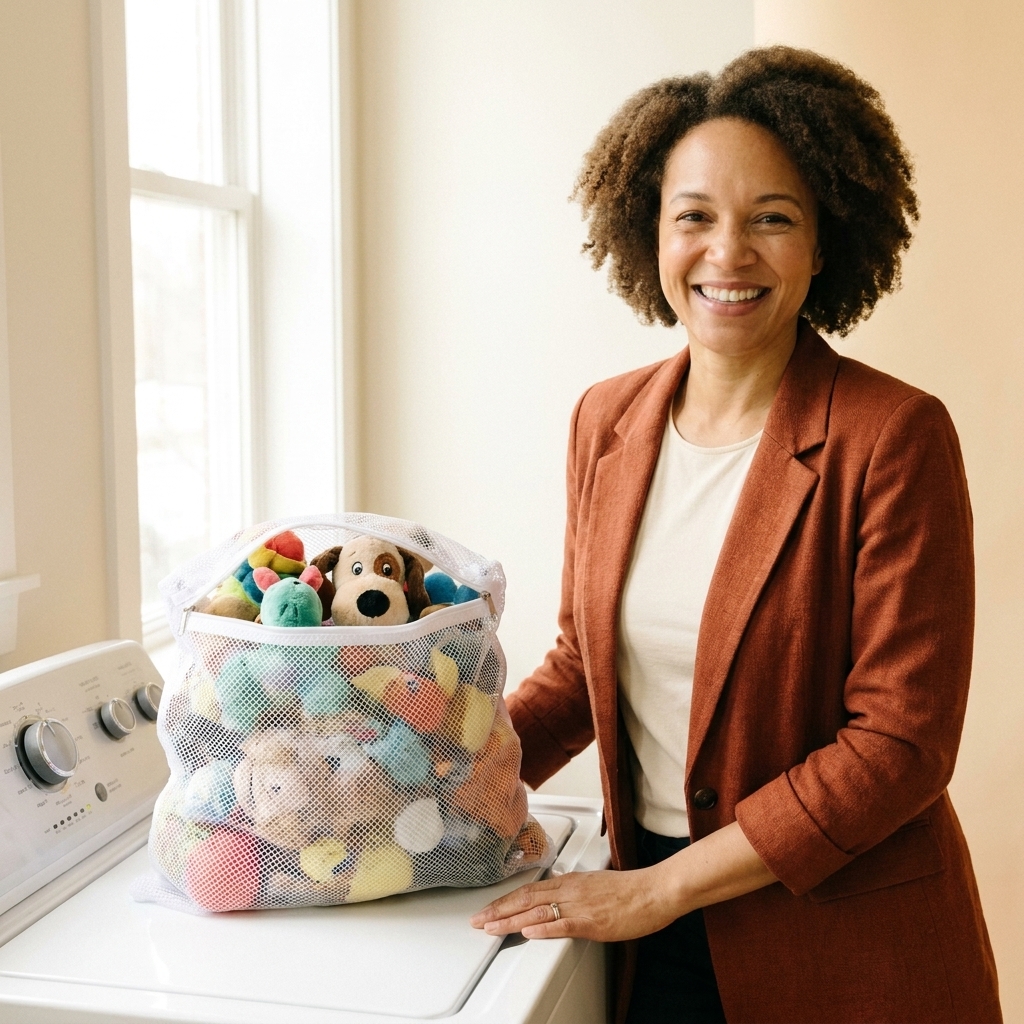
- Place toys in a mesh laundry bag to protect eyes, stitching, and squeakers.
- Wash on warm or hot if fabric allows, with a small amount of fragrance-free detergent.
- Extra rinse to reduce residue.
- Dry thoroughly. A dryer on low to medium is fine for many plush toys, but always follow the label. If air-drying, rotate and squeeze gently to help moisture escape.
Hand-wash method
- Soak in warm water with a small amount of dish soap or gentle laundry detergent.
- Agitate and squeeze. Focus on seams and textured fabric.
- Rinse until water runs clear.
- Press out water with towels, then dry completely.
When to step up sanitation
Most households do great with thorough washing plus complete drying. Consider stepping up sanitation if:
- Your pet is immunocompromised or very young.
- There has been vomiting or diarrhea on the item.
- You are dealing with recurring skin infections, ear infections, or yeast issues and your veterinarian recommends environmental hygiene.
- You foster pets or have frequent new animals rotating through.
Pet-safe ways to boost sanitation
- Dishwasher sanitize cycle for bowls and hard toys labeled dishwasher-safe.
- Hot wash + full dry for fabrics. Heat and drying are underrated and very effective at lowering germ load.
- Hydrogen peroxide (3%) wipe-down for some hard, non-porous surfaces after washing. Use enough to keep the surface visibly wet for the label-listed contact time, then wipe and allow to dry. Avoid using it on fabrics and anything your pet might lick immediately.
If your pet has a contagious illness in the home, ask your veterinarian what disinfectants are appropriate for that specific pathogen. Not all germs respond to the same products, and “smells clean” is not the same as “lower risk.”
Drying matters
Mold and mildew need moisture. If you take one thing from this guide, let it be this: do not put items back into rotation until they are fully dry inside and out.
- Bed covers: Dry completely, especially around thick seams and zippers.
- Foam inserts: Stand upright to improve airflow; use fans if needed.
- Plush toys: Squeeze the center. If it feels cool or damp, keep drying.
How often to deep clean
The “right” frequency depends on your pet’s lifestyle. Here are practical baselines that fit most homes:
- Food bowls: Wash daily.
- Water bowls: Wash daily, refill with fresh water at least once a day.
- Water fountains: Quick clean weekly, deep clean every 2 to 4 weeks (plus filter changes as directed).
- Hard toys: Weekly for favorites, and immediately after outdoor mud, dog park trips, or sick days.
- Pet beds: Wash covers every 1 to 2 weeks. Deep clean more often for puppies, seniors with accidents, allergy pets, or heavy shedders.
- Fabric toys: Every 1 to 2 weeks, or immediately after they get wet, muddy, or gross.
Avoid cross-contamination
A clean routine works better when you do not spread the mess around the house.
- Use dedicated tools (brushes, sponges) for pet dishes and gear, and replace them regularly.
- Wash hands after handling dirty bowls, soiled bedding, or accident cleanups.
- Launder your helpers: Wash mesh laundry bags and the towels you used to dry pet items, especially after cleaning up vomit or diarrhea.
- Clean the sink after washing pet gear, particularly if you also wash baby items or food prep tools in the same area.
Troubleshooting
“The bed still smells after washing.”
- Run a second wash with oxygen bleach (if safe for the fabric) and an extra rinse.
- Check the foam insert. Often the smell is in the insert, not the cover.
- Make sure it dried completely. Damp fabric can smell sour even when clean.
“My pet started sneezing or itching after I washed everything.”
- Switch to fragrance-free detergent.
- Use less product. Detergent buildup can irritate skin.
- Add an extra rinse cycle.
“There’s a slimy film in the water bowl every day.”
- Scrub with a brush, not just a quick rinse.
- Switch to stainless steel or ceramic if you are using plastic. Scratches in plastic can hold biofilm.
- Clean more often in warm weather.
“Can I use vinegar instead of everything else?”
Vinegar is helpful for mineral deposits and mild deodorizing, but it is not a one-stop disinfectant. If your goal is better hygiene, prioritize soap-and-scrub, heat (when appropriate), and complete drying.
Quick safety checklist
- Wash off visible grime first. Sanitizers work poorly on dirty surfaces.
- Rinse thoroughly to remove residue.
- Never mix cleaning products.
- Skip strong scents and essential oils around sensitive pets.
- Dry completely before returning items to your pet.
- When in doubt, follow the care tag and manufacturer instructions.
Clean gear is not about being perfect. It is about reducing the invisible stuff that can make pets itchy, stinky, or sick. A consistent, gentle routine beats occasional chemical warfare every time.