Cats often hide sickness. Here’s how to spot early behavioral and physical changes, what is urgent, and what details help your veterinarian act faster.
Sneezing now and then is totally normal for cats. A quick “achoo” after sniffing a dusty corner or sticking their face in a bag of treats is usually no big deal. But if your cat is sneezing a lot, sneezing frequently or daily, or starting to look congested, it is worth taking a closer look. In the clinic, I saw plenty of cats whose only early sign of illness was “she won’t stop sneezing.”
The tricky part is that frequent sneezing can come from something mild, like litter dust, or something that needs treatment, like a contagious upper respiratory infection or a nasal blockage. Let’s walk through the most common causes, what you can do at home to keep your cat comfortable, and when it is time to get your vet involved.
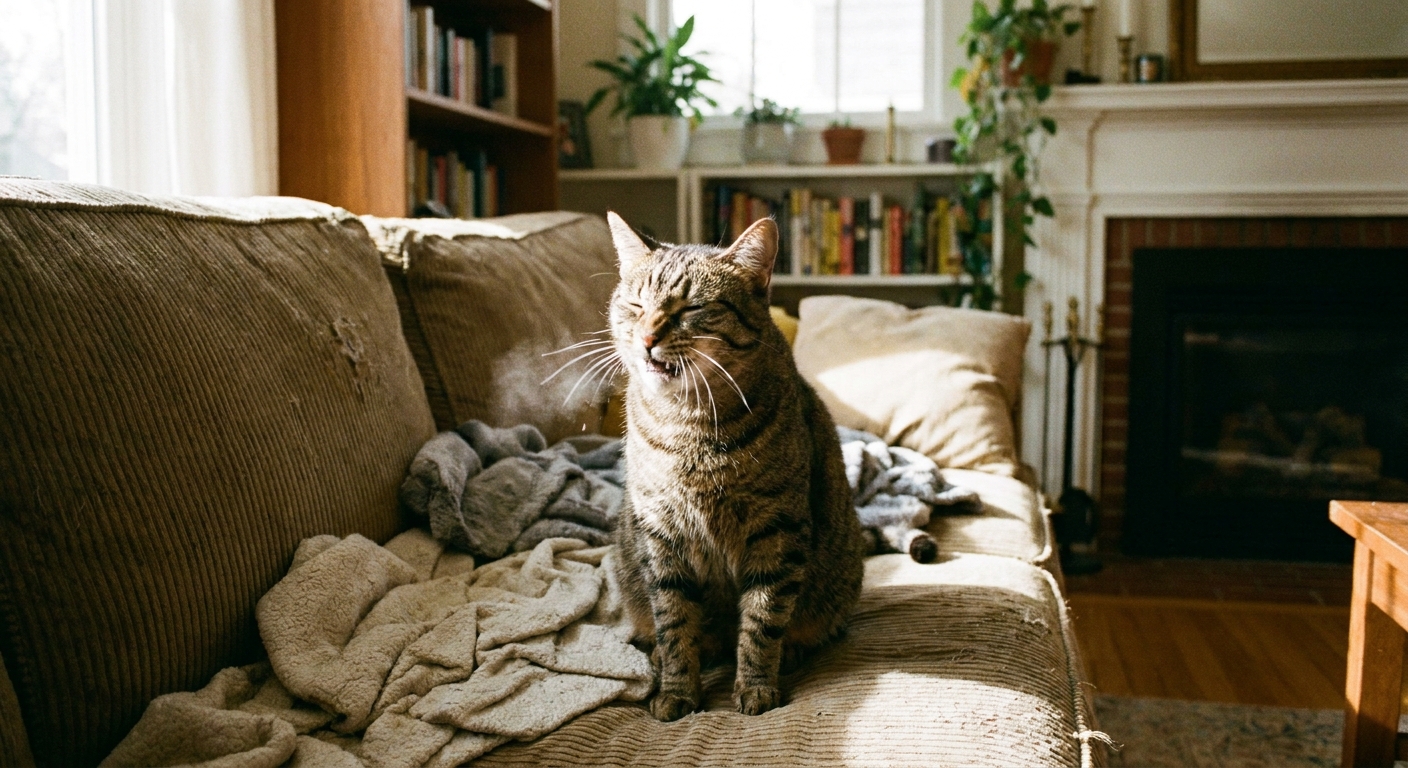
Common reasons cats sneeze a lot
Think of sneezing as your cat’s built-in “clear the nose” reflex. Anything that irritates the lining of the nose and sinuses can trigger it, including infections, inflammation, and physical obstruction.
1) Upper respiratory infection (URI)
URIs are the cat version of a “cold,” but they are often contagious and commonly caused by viruses (especially feline herpesvirus and feline calicivirus). Bacteria can sometimes join in secondarily.
They are especially common in:
- Kittens
- Shelter or recently adopted cats
- Multi-cat households
- Cats under stress or with weaker immune systems
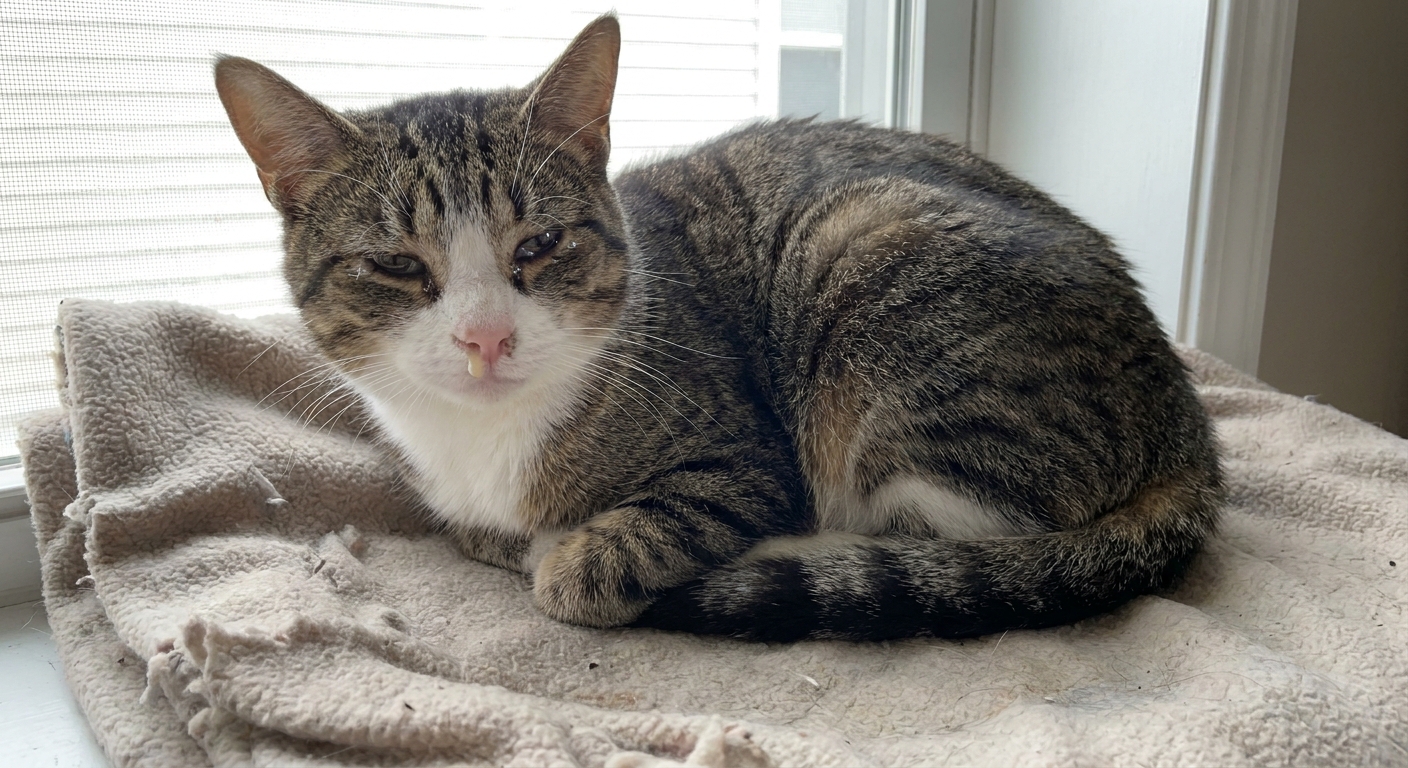
Along with sneezing, you might notice watery eyes, congestion, decreased appetite, or a change in voice or meow. Some cats act mostly normal at first, then get progressively stuffier over several days.
Quick vaccine note: Vaccines can reduce the severity of URI illness, but they do not always fully prevent infection. So yes, even vaccinated cats can still catch “cold-like” viruses.
2) Feline herpesvirus (FHV-1)
Feline herpes is extremely common and is a top cause of recurring upper respiratory signs. Many cats are exposed as kittens. After the initial infection, the virus can remain in the body and flare later, especially during stressful events like moving, a new pet, boarding, or even big routine changes.
Clues that can fit herpes include repeated bouts of sneezing and congestion, eye squinting or discharge, and symptoms that come and go.
3) Feline calicivirus
Calicivirus is another common viral cause of feline URIs. It can look a lot like other “cold” illnesses at home, with sneezing, runny eyes, and nasal discharge. Some cats also develop mouth ulcers, drooling, or a more painful, off-food attitude.
4) Dust, litter, and household irritants
Sometimes the nose is simply irritated. Common triggers I see in homes include:
- Dusty clay litter or pouring litter that creates a cloud
- Scented litter, air fresheners, or strong cleaning products
- Smoke (tobacco, cannabis, fireplace smoke)
- Essential oil diffusers or sprays (also a safety concern for cats)
- Renovation dust or new carpeting odors
If sneezing ramps up right after you changed litter, deep-cleaned, or started using a new spray, irritation shoots up the suspect list.
5) Allergies (environmental)
True allergies can cause sneezing, although in cats they more commonly show up as skin itchiness or overgrooming. Still, some cats do develop allergy-like nasal signs from things like pollen, molds, and dust mites.
Allergies are more likely when sneezing is chronic or seasonal and your cat otherwise seems bright, eating well, and not feverish. Because infections can look similar, it is smart to check in with your vet rather than guessing.
6) Dental disease and tooth root infection
This one surprises a lot of pet parents: infected tooth roots, especially in the upper jaw, sit close to the nasal passages and sinuses. Dental disease can contribute to sneezing, nasal discharge, or “snuffly” breathing. I get more suspicious when there is bad breath, obvious oral discomfort, or one-sided nasal issues.
Other hints include bad breath, drooling, pawing at the mouth, chewing on one side, or dropping food.
7) Nasal blockage (polyps, foreign material, masses)
If something is physically blocking airflow, sneezing can become frequent and forceful as your cat tries to clear the passage. Possible culprits include:
- Nasal polyps (more common in younger cats)
- Grass awns or plant bits (outdoor explorers)
- Less commonly, tumors (more often in older cats)
Blockages often cause one-sided discharge or noisy breathing from one nostril, but they can affect both sides too.
In some regions and situations, persistent nasal disease can also be linked to fungal infections, so chronic or one-sided symptoms are always worth a thorough workup.
What you can do at home
If your cat is bright, still eating, and only mildly congested, supportive care can help while you monitor. The goal is simple: reduce irritation and help them breathe and eat more comfortably.
Try gentle steam for congestion
Steam can loosen secretions and make breathing easier.
- Run a hot shower and sit with your cat in the bathroom for 10 to 15 minutes (do not put them in the shower).
- Keep it calm and supervised. Stress can make respiratory signs worse.
Switch to a low-dust, unscented litter
If you use a clay litter that creates a dust plume when you pour or scoop, consider switching to an unscented, low-dust option. Also try pouring slowly and keeping the box in a well-ventilated area (without drafts blowing directly at your cat).
Wipe the nose and eyes with warm water
Use a soft cloth or cotton pad dampened with warm water to gently clean away crusts. A clear nose helps cats smell their food, and smell is a big part of appetite.
Encourage eating and hydration
Cats with stuffy noses often eat less because food is less appealing when they cannot smell well.
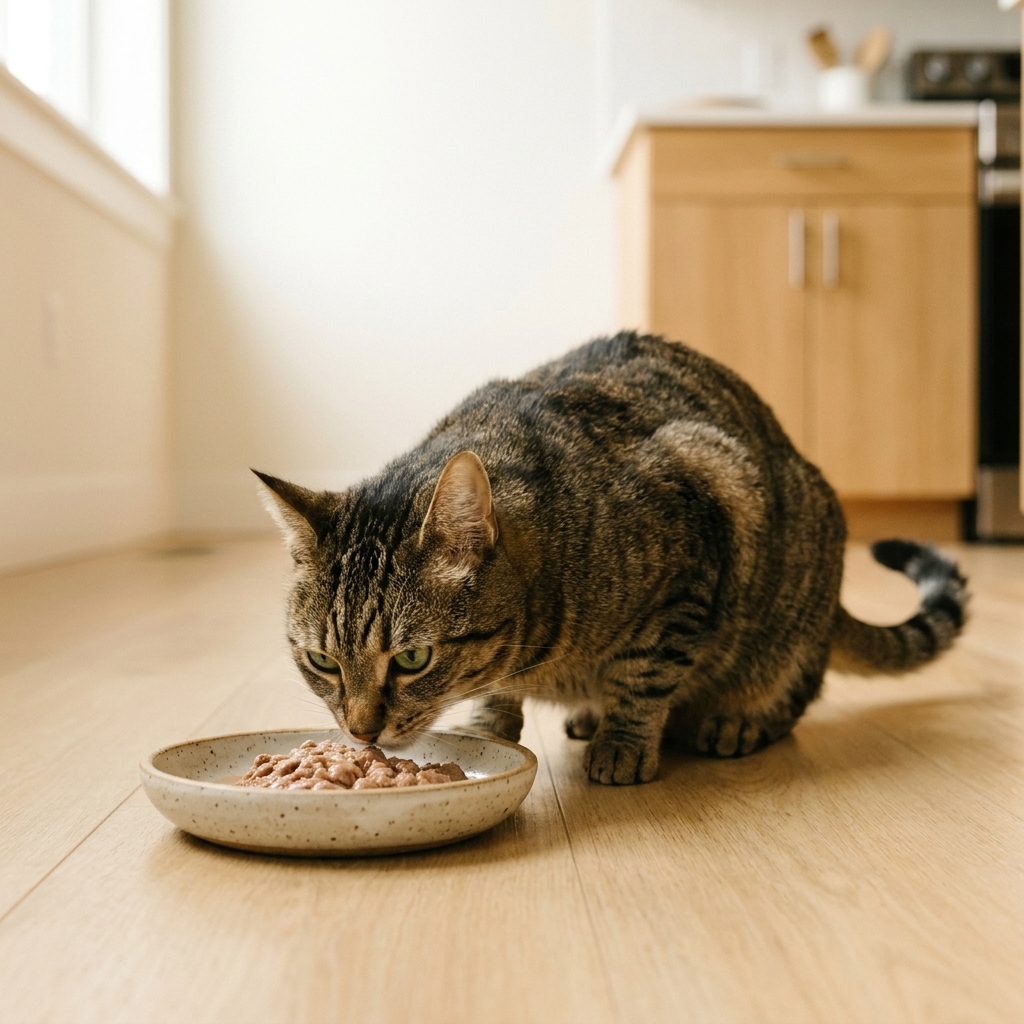
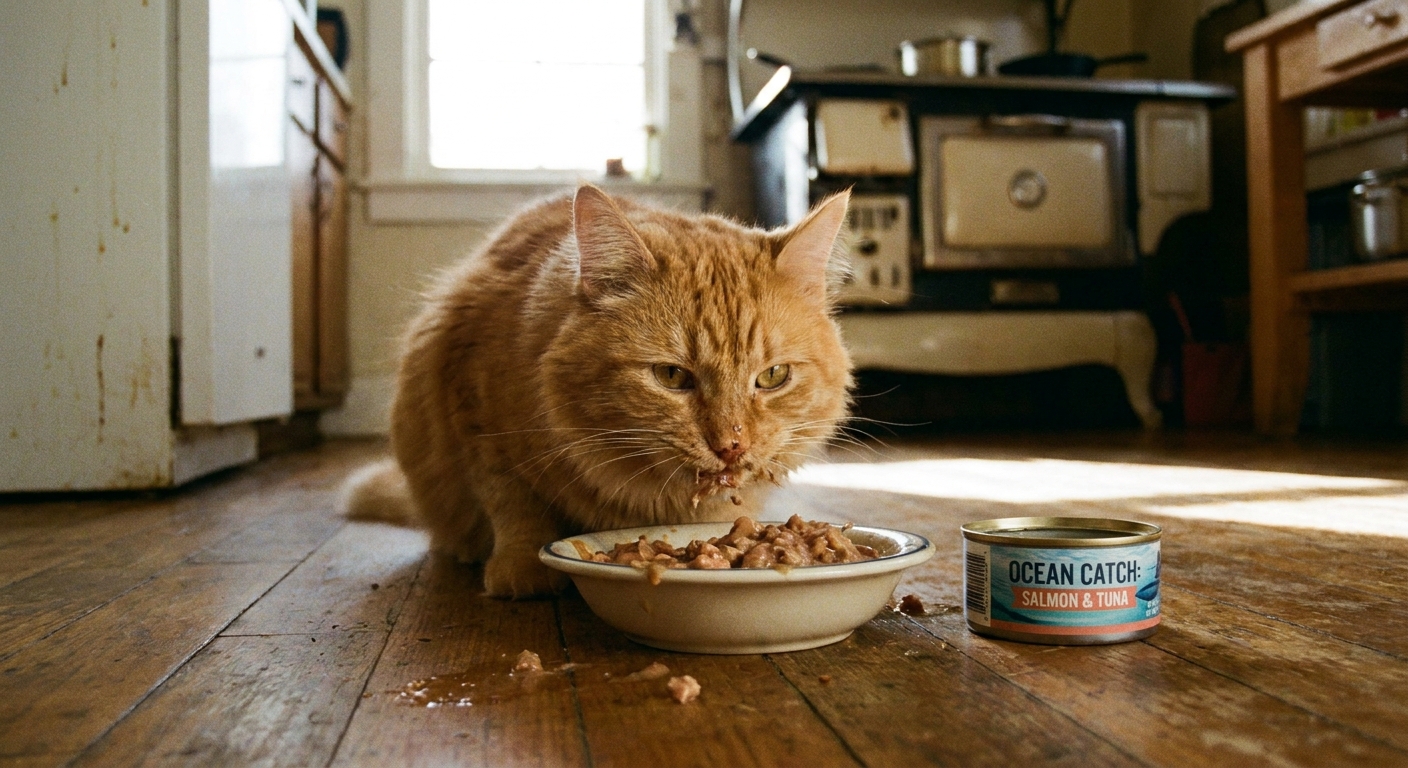
- Offer warmed canned food (warm, not hot) to boost aroma.
- Try strong-smelling, vet-approved options like plain tuna packed in water (in small amounts) as a topper.
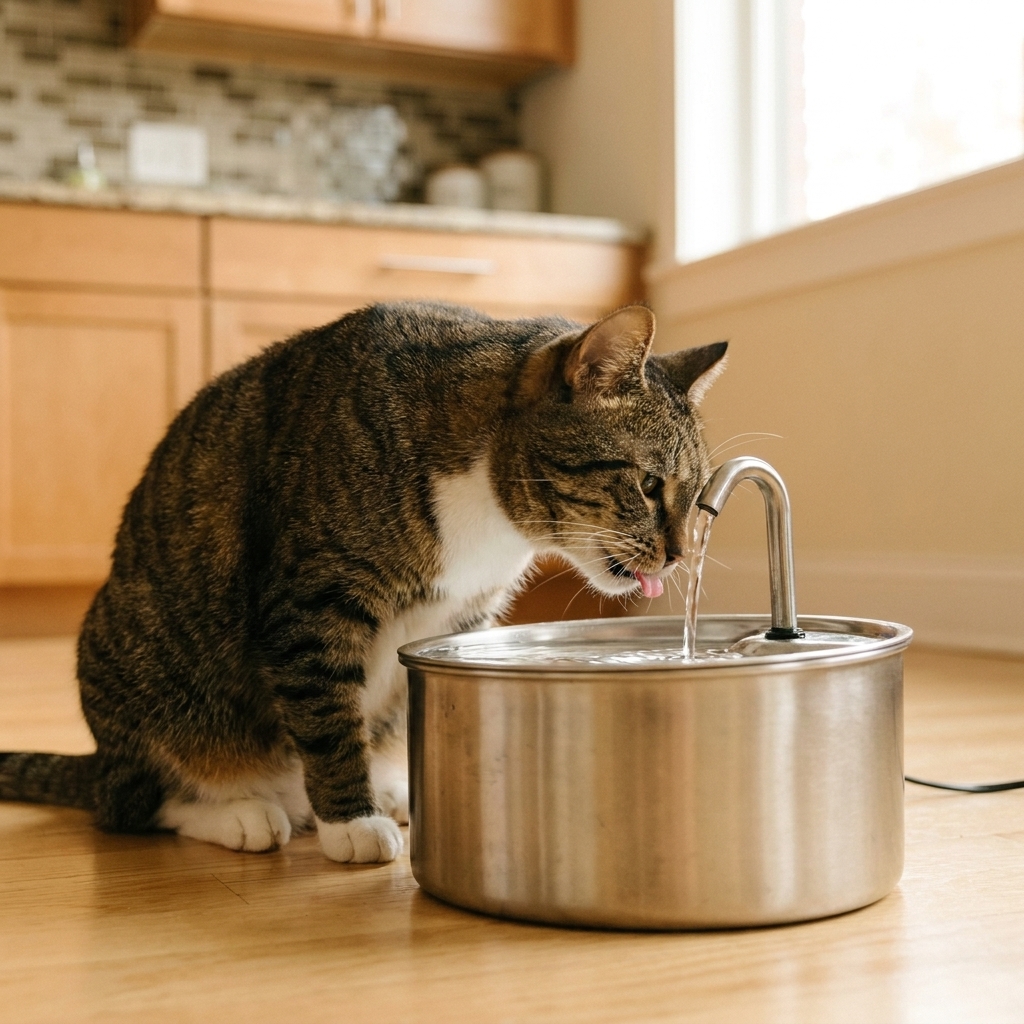
- Make water easy to find and consider a cat water fountain if your cat prefers moving water.
Reduce irritants in the air
- Avoid smoke and strong sprays.
- Skip essential oil diffusers around cats.
- Use a HEPA air purifier if you already have one, especially during dusty seasons.
Important: Do not give human cold medicines, decongestants, or leftover antibiotics. Many common products are dangerous for cats, and antibiotics are not appropriate for viral infections unless your veterinarian confirms a bacterial component.
When to see the vet
In my experience, the best rule is this: if sneezing is persistent, worsening, or paired with appetite changes, it is time to call. Cats can go downhill quickly when congestion keeps them from eating or drinking.
Call your vet promptly if you notice:
- Colored discharge (yellow, green, bloody, or thick mucus) from the nose or eyes. Color does not automatically mean bacteria, but it is a solid reason to get guidance.
- Refusing food or eating significantly less than normal
- Lethargy or hiding more than usual
- Fever (your vet can confirm)
- Open-mouth breathing, panting, or obvious breathing effort
- Severe eye squinting, eye redness, or thick eye discharge
- Dehydration (tacky gums, sunken eyes, low energy)
- Sneezing that lasts about 7 to 10 days, even if it seems mild, or sooner if it is worsening
- Kittens sneezing frequently, especially if they are small, newly adopted, or not vaccinated yet
- One-sided discharge or a bad smell from the nose or mouth (can suggest dental disease, a foreign body, or a blockage)
If your cat is struggling to breathe, is breathing with their mouth open, or collapses, treat it as an emergency.
What your vet may check
Depending on your cat’s age, history, and symptoms, your veterinarian may recommend:
- Physical exam, including listening to lungs and checking hydration
- Oral exam to look for dental disease or mouth ulcers
- Eye evaluation, since herpes often affects the eyes
- Testing for common viruses in some situations (especially in kittens or multi-cat environments)
- Antibiotics if a secondary bacterial infection is suspected
- Supportive medications to improve comfort and appetite
- Antiviral medication in select cases when herpes is a strong possibility or symptoms are severe
- Imaging (dental X-rays, skull imaging, or advanced imaging) if a blockage, polyp, or mass is suspected
Even when the cause is viral, vets can often prescribe supportive medications that make a big difference in comfort and appetite, which is hugely important for recovery. Some cats also develop chronic rhinitis after an infection, meaning the initial virus is gone but inflammation and sneezing linger. That is another reason a checkup is worth it when symptoms do not fully resolve.
FAQ about cat sneezing
Is it normal for cats to sneeze every day?
Occasional sneezes can be normal, but daily sneezing is not something I would ignore. Chronic irritation, allergies, lingering infection, dental disease, or herpes flares can all cause ongoing sneezing. If it continues for more than a week or two, schedule a checkup.
Why is my cat sneezing but acting normal?
This can happen with mild irritation (like dusty litter) or early infection. If your cat is eating, playing, and has clear discharge only, you can try environmental changes and monitor closely. If it persists more than 7 to 10 days or you see colored discharge, appetite changes, or eye involvement, loop your vet in.
My cat is sneezing with watery eyes. Is that serious?
Watery eyes plus sneezing often points to an upper respiratory infection or feline herpes. It is not always an emergency, but it deserves attention, especially if the eyes are squinty, red, or producing thick discharge.
Can a dirty litter box cause sneezing?
A dirty box is more likely to irritate your cat through ammonia odors and dust stirred up during digging, which can contribute to sneezing in sensitive cats. Regular scooping and a low-dust litter can help, but persistent sneezing still warrants a vet check.
Can I give my cat Benadryl for sneezing?
Do not give any medication without your veterinarian’s guidance. While some antihistamines are sometimes used in cats, dosing and suitability depend on your cat’s weight, health history, and symptoms. More importantly, infections and dental issues can look like “allergies,” so you do not want to mask signs and delay the right treatment.
The takeaway
Most of the time, frequent sneezing in cats comes down to either an upper respiratory infection (often viral, including herpes and calicivirus) or irritation from the environment. Your job at home is to keep your cat comfortable, breathing as easily as possible, and eating and drinking. Your vet’s job is to step in when symptoms are persistent, worsening, or paired with warning signs like colored discharge, fever, lethargy, or appetite loss.
If you are on the fence, call your clinic. I would always rather talk to a worried pet parent early than see a cat later who has not eaten for days because they were too congested to smell their food.