A vet-tech-informed breakdown of wet vs. dry cat food, including hydration benefits, dental myths, budgeting tips, and how to choose the best fit.
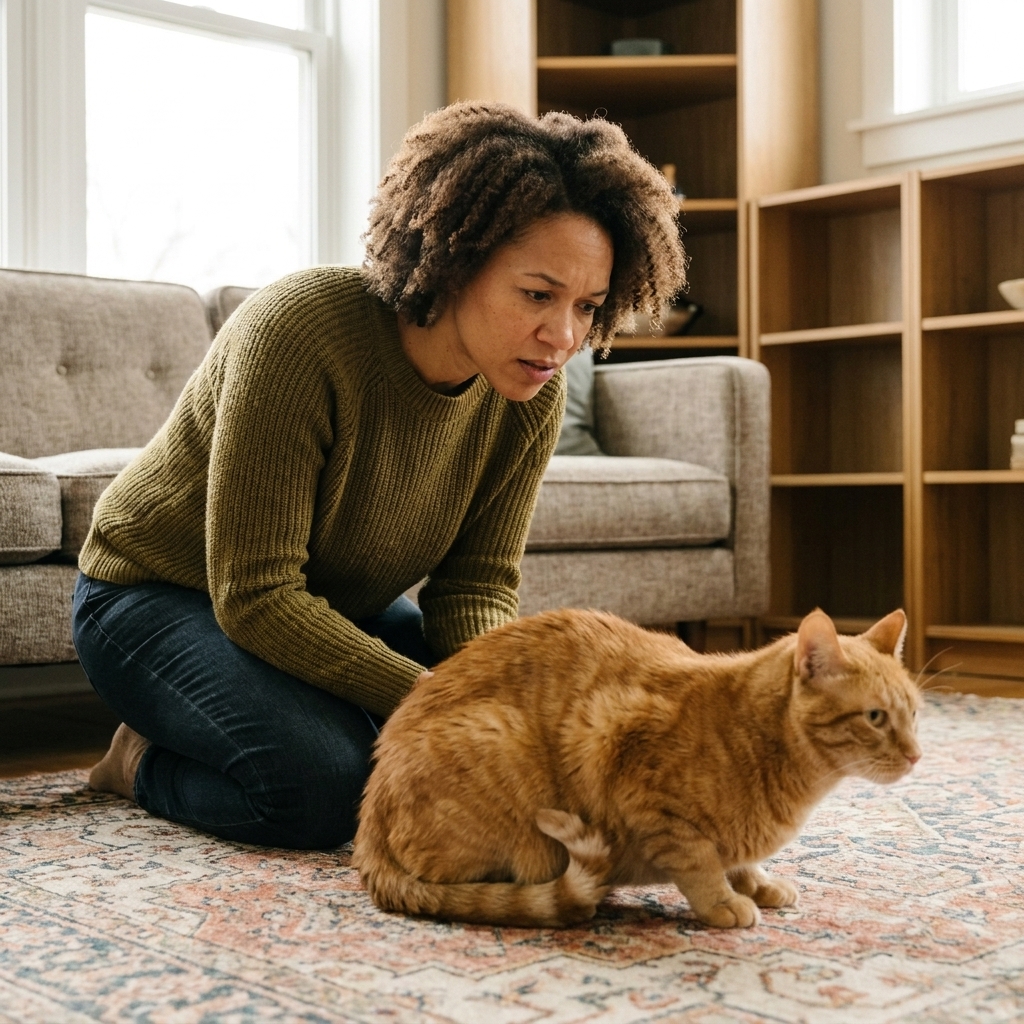
If you have a picky cat, I see you. One day they love a food, the next day they stare at it like you served it as a personal insult. After years as a vet tech, I can tell you two things are usually true at the same time: your cat is not being “bad,” and you are not doing anything wrong. Cats are sensitive little creatures with strong preferences, and they are also masters at associating food with stress, nausea, pain, or a change in routine.
The goal is not to “win” at mealtime. It is to help your cat eat consistently and safely, while you learn what they actually like and what might be making meals feel yucky.
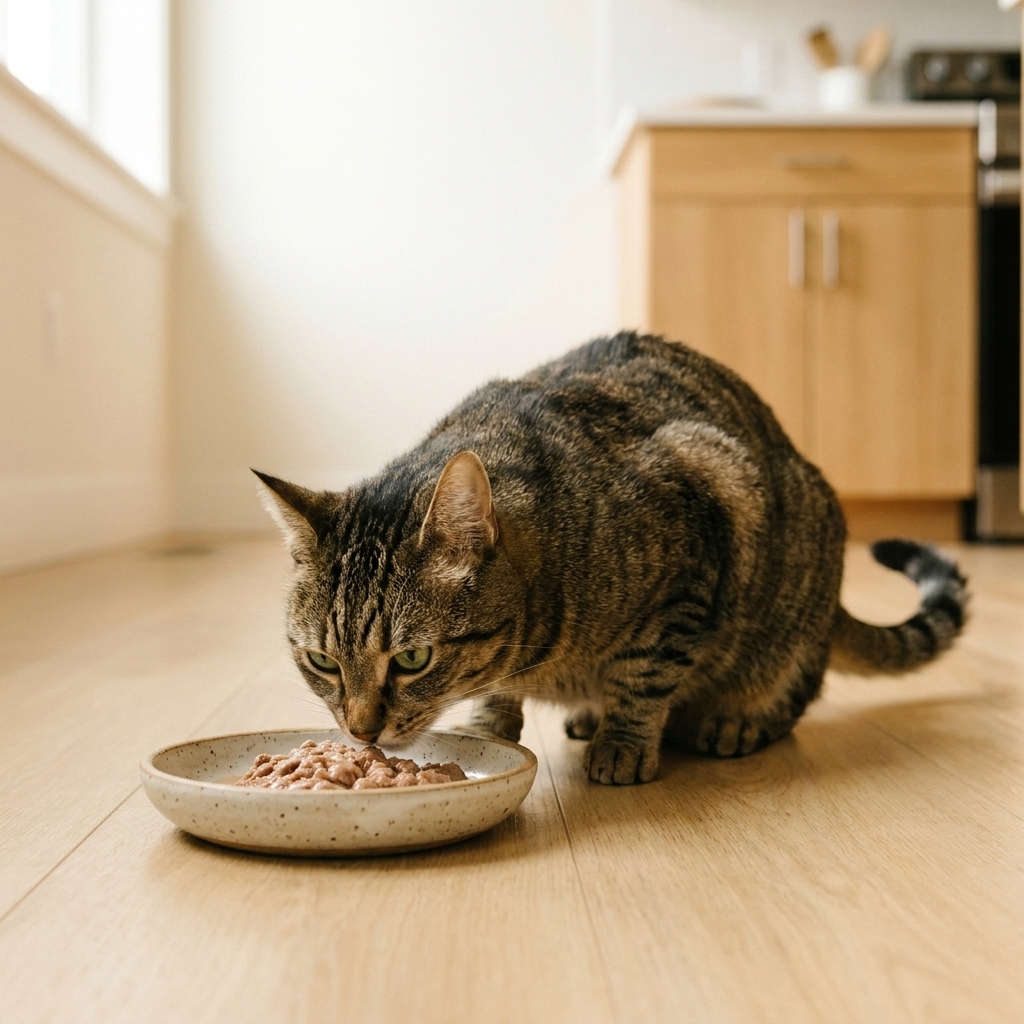
When picky eating is a red flag
Before we jump into tactics, a quick safety note from my clinic days: cats should not go without eating for long. When cats stop eating, they can be at risk for hepatic lipidosis (fatty liver disease), especially if they are overweight.
- Call your veterinarian the same day if your cat has eaten little to nothing for about 24 hours. Many veterinarians recommend being even more cautious with high-risk cats.
- Go sooner (often within 12 hours) for kittens, seniors, or cats with chronic illness, or if your gut says something is off.
- Go sooner if you also notice vomiting, diarrhea, drooling, hiding, rapid breathing, obvious pain, limping, bad breath, mouth pawing, or weight loss.
- Dental pain is a huge one. I have seen many “picky” cats turn into happy eaters after a painful tooth or gum issue was treated.
If your vet has ruled out illness and you are dealing with a healthy but choosy kitty, these tips can make a real difference.
1) Keep meals calm and consistent
Cats thrive on “same time, same place, same vibe.” In multi-pet homes, or noisy households, stress can look exactly like picky eating.
- Feed on a schedule, ideally 2 to 4 meals per day rather than free-feeding if your cat will tolerate it.
- Pick a quiet location away from litter boxes, foot traffic, and loud appliances.
- If you have other pets, offer meals in separate rooms so your cat can eat without feeling watched or rushed.
Consistency alone can bring appetite back for cats who are anxious or easily overstimulated.
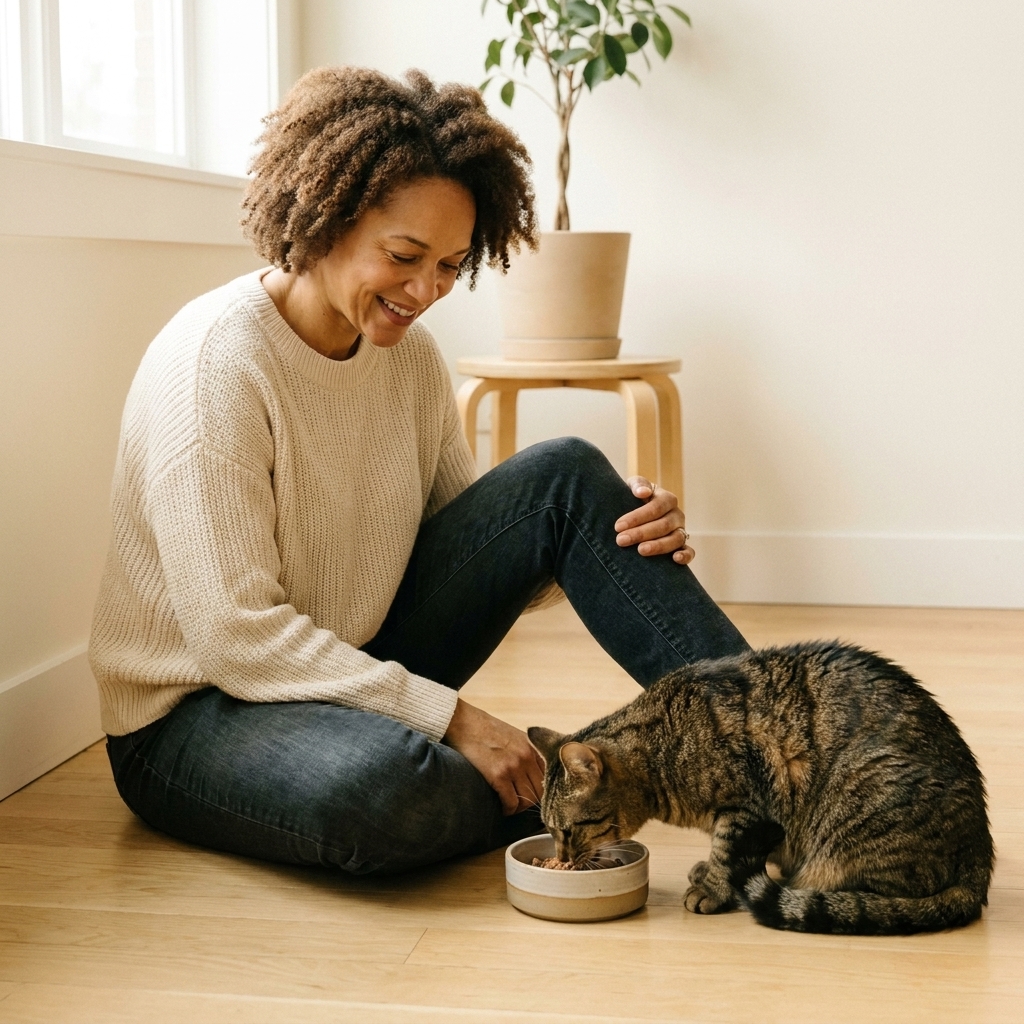
2) Warm food for more aroma
Smell is everything for cats. If food does not smell interesting, many cats will not even bother tasting it.
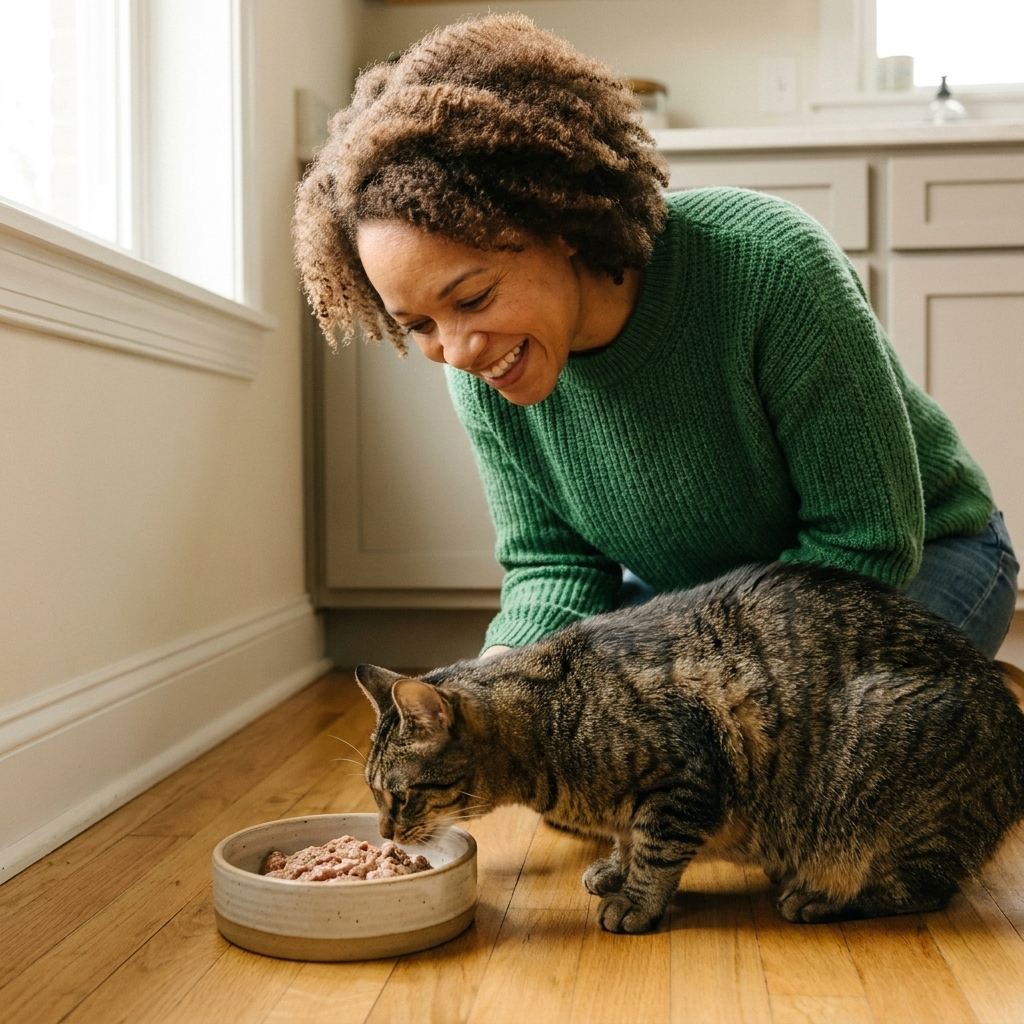
- Warm wet food slightly until it is lukewarm, not hot. (I used to call it “mouse body temperature,” but lukewarm is the goal.)
- Try 5 to 10 seconds in the microwave, then stir thoroughly and test with your finger.
- If your cat eats canned food straight from the fridge, warming can be a game-changer.
Safety tip: Avoid hot spots from microwaving, especially in chunky foods. Stir well and always check temperature.
3) Prioritize texture
Many cats are texture loyalists. In the clinic, I saw cats refuse “the same protein” simply because the texture changed.
- If your cat licks the gravy but leaves chunks, try pâté or a smooth mousse.
- If your cat only nibbles pâté, try shreds or minced textures.
- For cats that want “sauce,” mash pâté with warm water to make a soft slurry.
Think of it like mouthfeel preferences. Some cats want “smooth,” others want “chewy,” and some want “lickable.”
4) Add moisture the right way
Hydration is part of appetite. A mildly dehydrated cat can feel blah, and dry kibble is harder to eat if gums are tender or a cat is stressed.
- Add warm water to wet food to loosen it and increase aroma.
- For dry food fans, try mixing in a small amount of warm water and letting it sit briefly to soften.
- If you moisten kibble, do not leave it out for hours. Offer a portion and discard leftovers within a reasonable window (often 30 to 60 minutes), especially in warm rooms.
- Offer a water fountain, and keep bowls fresh and away from food if your cat prefers it that way.
Skip seasoning, oils, and salty broths. The bigger issue is that many broths are too salty and may contain onion or garlic. If you use broth at all, choose one that is cat-safe, low-sodium, and onion and garlic-free.
5) Use toppers without overdoing it
Toppers can help kickstart interest, but the goal is to get your cat eating a balanced diet, not living on sprinkles.
Better topper options to try:
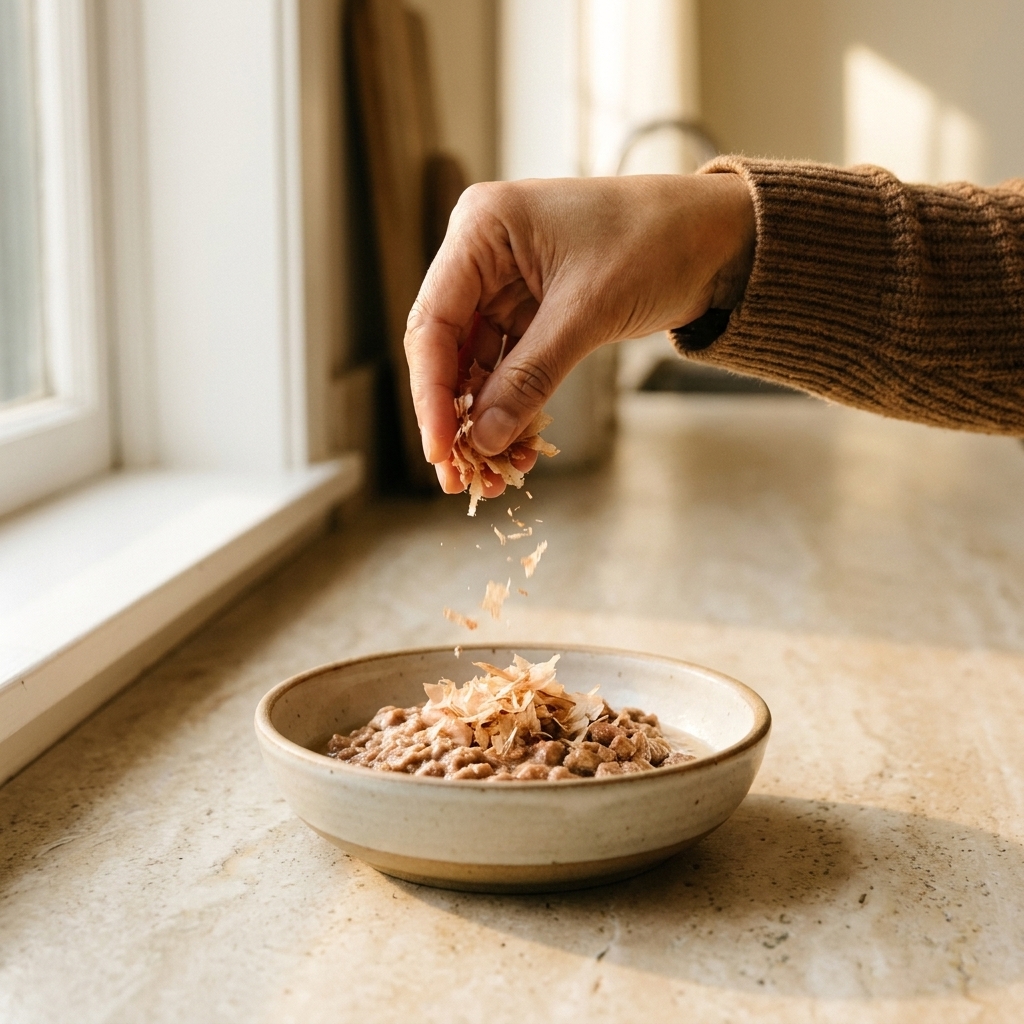
- Freeze-dried meat treats crushed into powder
- Bonito flakes (a tiny pinch goes a long way)
- Single-ingredient meat baby food with no onion or garlic (check the label carefully)
- Liquid cat treats used as a thin drizzle, not a full squeeze packet
Start with a very small amount, then gradually reduce it over a week or two if your cat begins eating consistently.
6) Serve fresh food in a clean dish
Cats can be extremely sensitive to stale smells. A bowl that seems fine to us might smell “off” to them, especially with wet food.
- Serve smaller portions more often so food stays fresh.
- Replace uneaten wet food after 1 to 2 hours, or sooner in warm rooms. Always follow the product label if it gives specific timing.
- Wash bowls with unscented soap and rinse well, or use the dishwasher if your cat tolerates it.
- Consider wide, shallow dishes to reduce whisker stress for some cats.
If you have ever watched a cat eat only from the center of a bowl, whisker sensitivity may be part of the puzzle.
7) Change foods slowly
When a picky cat refuses food, it is tempting to swap brands every day. Unfortunately, frequent changes can create a cycle of “wait them out and mom brings something new,” and can also upset the stomach.
A steadier approach:
- Transition over 7 to 10 days when possible.
- Start with about 10% new food mixed into 90% old, then increase gradually.
- If your cat refuses a mix, try offering the new food as a tiny “side sample” instead of blending it in.
Note: For cats on prescription diets, ask your veterinarian before changing foods or adding toppers, since it can affect how the diet works.
8) Pick what they eat well
I love a well-formulated food, but the “best” diet is the one your cat will reliably eat and thrive on. A picky cat may do better with a different format rather than a “perfect” food they refuse.
- If your cat strongly prefers wet food, lean into wet for most calories, unless your vet advises otherwise.
- If they are a crunchy devotee, consider a high-quality kibble plus scheduled wet meals, or a kibble plus water routine for added moisture (with the spoilage cautions above).
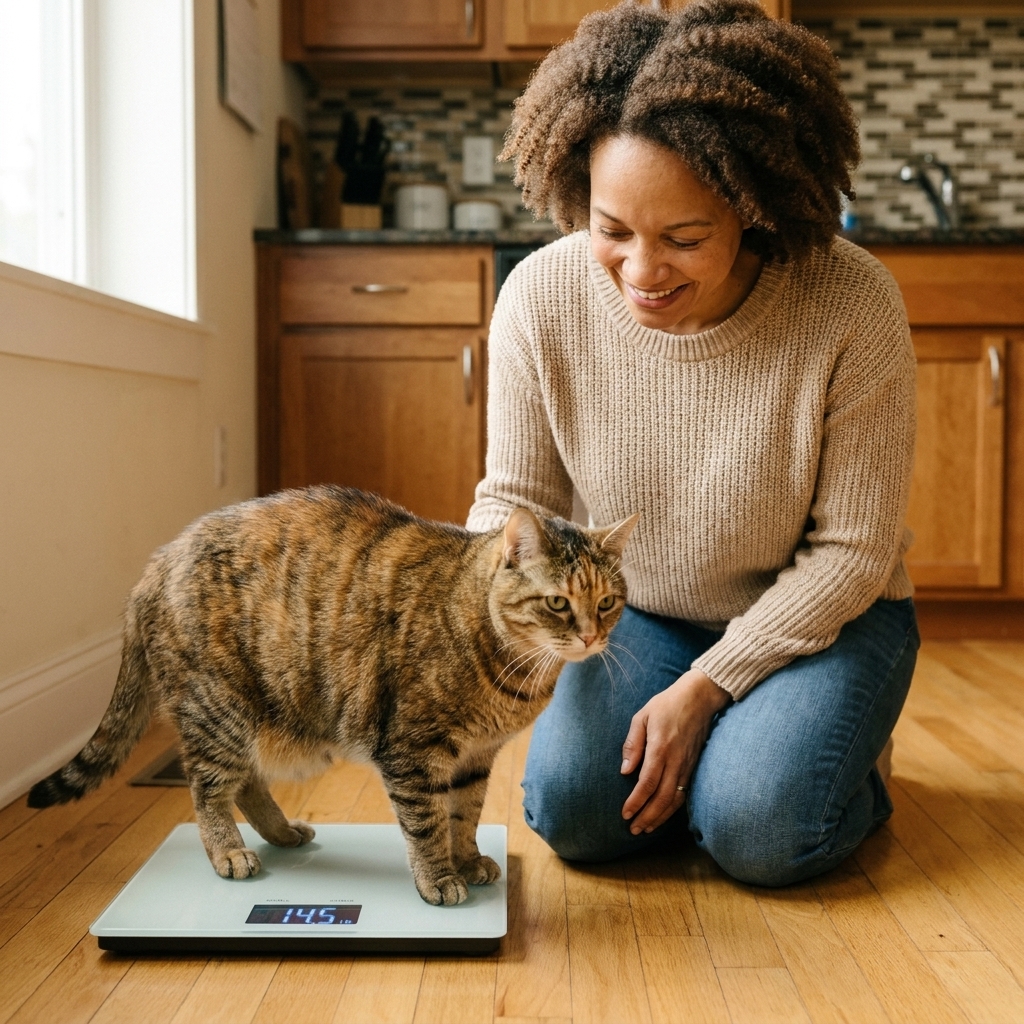
- Watch body condition and stool quality. Those are honest signals that a food is or is not working.
Nutrition is long-term. Consistency matters more than chasing the newest trend.
9) Address stress and nausea
Sometimes “picky” is really “not feeling good.” Mild nausea, medication side effects, household stress, or tension with another pet can shut appetite down quickly.
Try these supportive strategies:
- Separate resources in multi-cat homes: multiple food stations, water stations, and litter boxes.
- Use feline pheromone diffusers in key areas if your cat is anxious.
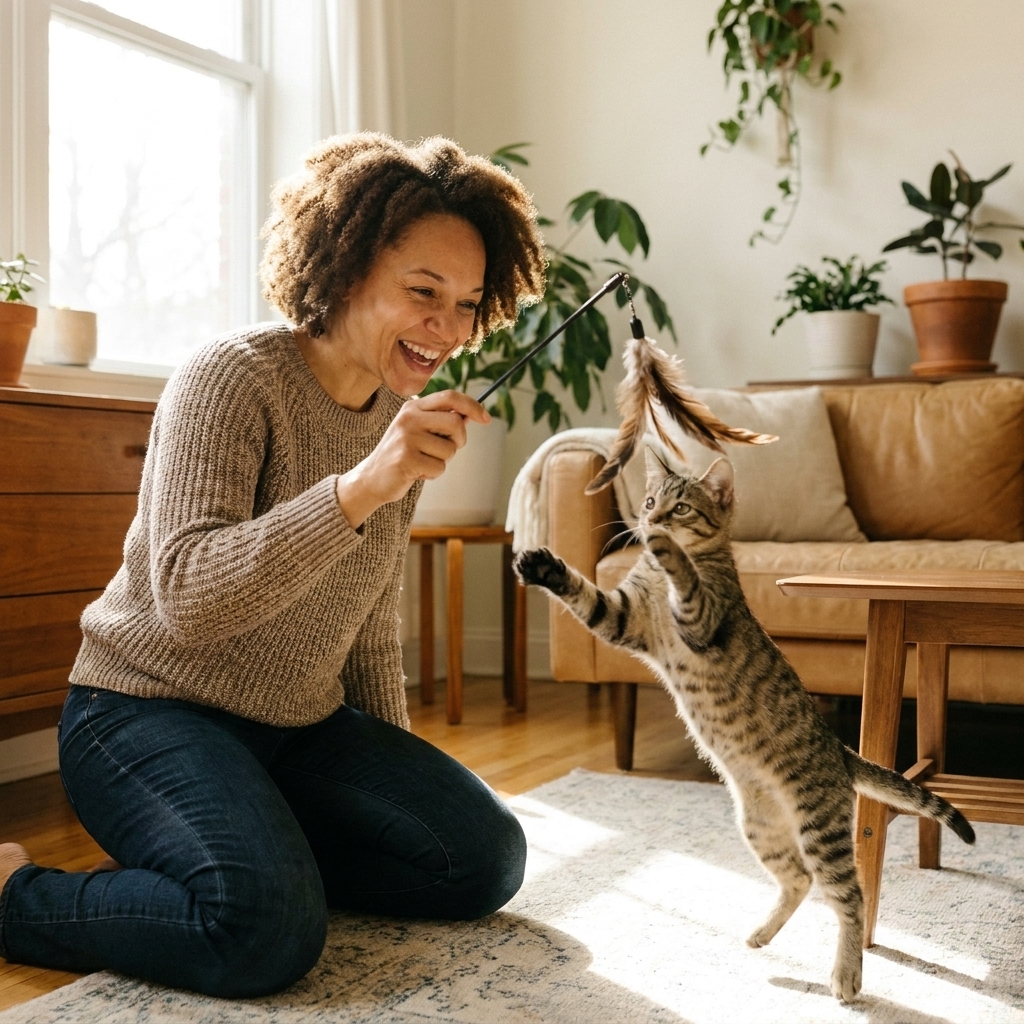
- Offer a post-play meal: 5 to 10 minutes of wand-toy play can boost interest in food.
- Check the timing if this started after vaccines, a new medication, or a dosage change. Some cats get mild nausea or feel “off” for a day, but do not assume it is normal if they are not eating.
- Talk to your vet if appetite dips keep happening. Anti-nausea meds, pain control, or appetite stimulants can be appropriate in some cases, especially for seniors or cats with chronic conditions.
When your cat feels safe and comfortable, eating usually gets easier.
Common mistakes
- Mistake: Leaving wet food out all day. Instead: Offer timed meals and refresh portions.
- Mistake: Switching foods daily. Instead: Change slowly and give each option a fair trial.
- Mistake: Giving lots of treats when they skip dinner. Instead: Use tiny topper amounts strategically, then taper.
- Mistake: Assuming it is behavioral. Instead: Consider dental pain, nausea, arthritis, stress, and ask your vet if the pattern is new or worsening.
- Mistake: Using dog food or tuna-only meals as a long-term fix. Instead: Use those only if your vet specifically recommends a short-term plan, and get back to a complete and balanced cat diet as soon as you can.
FAQ
How long can a cat go without eating?
As a general rule, contact your veterinarian if your cat has eaten little to nothing for about 24 hours. Kittens, seniors, and cats with medical issues should be seen sooner, often the same day. Cats are at risk for serious complications when they do not eat, so it is not something to “wait out.”
Should I leave food out for a picky cat?
Some cats do better with grazing, but many picky cats eat more reliably with scheduled meals and fresh servings. If you leave food out, measure portions so you can tell how much was actually eaten, and so you catch appetite changes early.
Is it okay to mix wet and dry food?
For many healthy cats, yes. Mixed feeding can increase moisture intake while still satisfying cats who love crunch. If your cat has a prescription diet or medical condition, check with your vet first.
What human foods can I use to tempt my cat?
If you use human foods at all, keep it minimal and simple. Plain cooked meat with no seasoning can be used as a tiny topper. Avoid onions, garlic, heavy salt, and rich fats. When in doubt, stick to cat-specific toppers.
Bottom line
Picky eating is frustrating, but it is also solvable more often than not. Start with routine, then work through aroma, texture, and small “interest boosters” without constantly changing the entire diet. Track what your cat actually eats and keep an eye on weight, since slow declines can be easy to miss. And if your cat’s pickiness is new, intense, or paired with other symptoms, trust your gut and call your veterinarian. You know your cat best.