
A judgment-free, step-by-step guide to feline weight loss: smart feeding changes, indoor exercise ideas, treat tips, and how to monitor progress without risk...
If you have ever stood in the cat food aisle debating cans versus kibble, you are in very good company. I used to have this conversation daily as a veterinary technician: a pet parent wants to “do it right,” their cat has strong opinions, and the internet has a hundred conflicting hot takes.
Here is the truth: both wet and dry cat food can support excellent health when the diet is complete and balanced, portioned correctly, and matched to your cat’s needs. The “better” choice often comes down to hydration, calories and weight management, dental reality, medical needs, and yes, long-term cost.
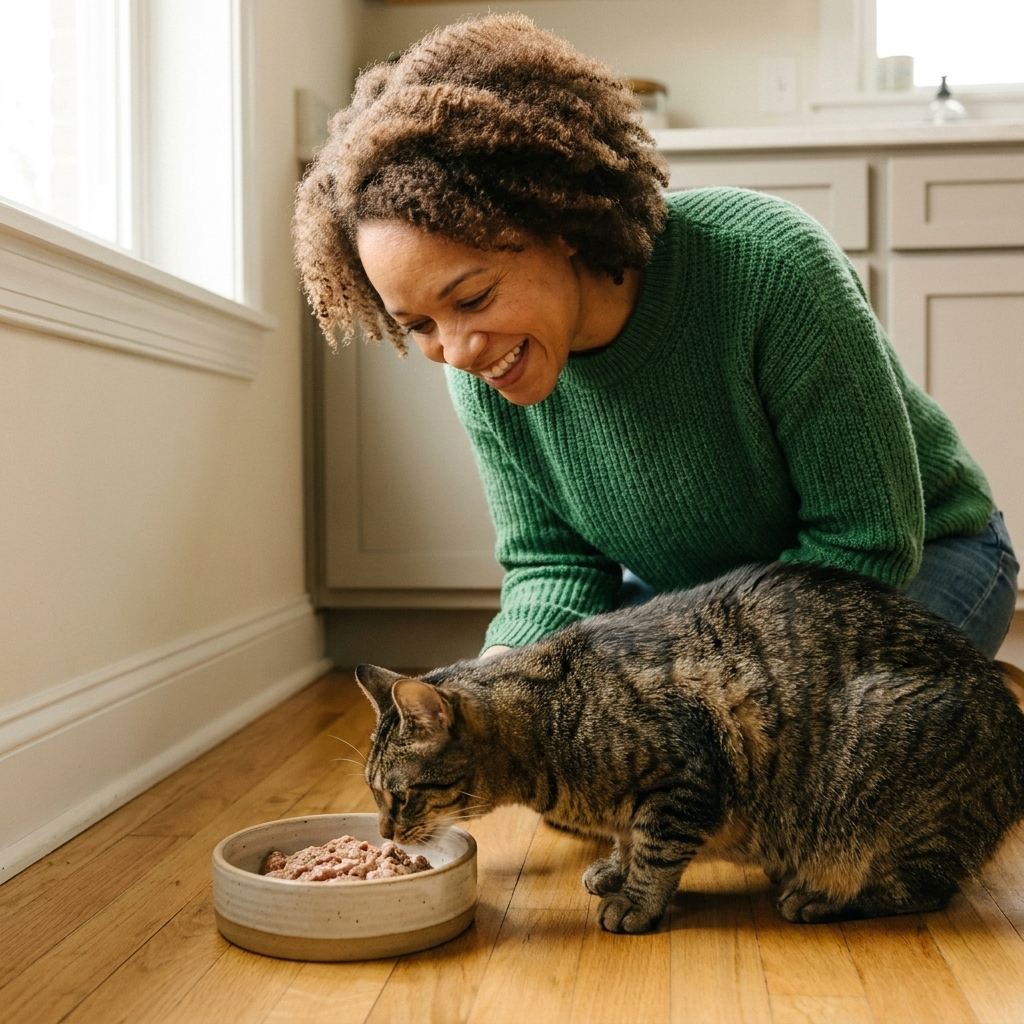
Quick answer: which is better?
If you want the most practical clinic answer: wet food has the edge for hydration, and hydration matters for many cats. Dry food can be a perfectly healthy option too, and it often wins on convenience and price.
- Wet food tends to be better for: cats who do not drink much, cats prone to urinary issues, seniors, cats needing weight help, picky eaters, and cats with dental pain.
- Dry food tends to be better for: budget-friendly feeding, multi-cat households, grazing feeders, and owners who need easy storage and quick portions.
- Many cats do best on: a mixed routine (some wet, some dry) to balance hydration, cost, and convenience.
Hydration: the biggest difference
Cats are descendants of desert-dwelling hunters. Many still have a low thirst drive, meaning they do not naturally drink enough water to fully “make up” for a dry diet. This is why hydration is usually the first thing I look at when comparing wet and dry food.
Wet food and moisture intake
Most canned foods are often around 70% to 80% water, though it varies by brand and recipe. That built-in moisture can be a game-changer for cats who rarely visit the water bowl. Better hydration may help support:
- Urinary tract health by encouraging more dilute urine
- Kidney support (especially important as cats age)
- Constipation management for some cats, especially when paired with vet guidance
Dry food and hydration workarounds
Dry food is typically around 6% to 10% moisture, depending on the formulation. That does not make it “bad,” but it means your cat’s water bowl habits matter more. If you feed kibble, you can support hydration by:
- Offering multiple water stations in quiet areas
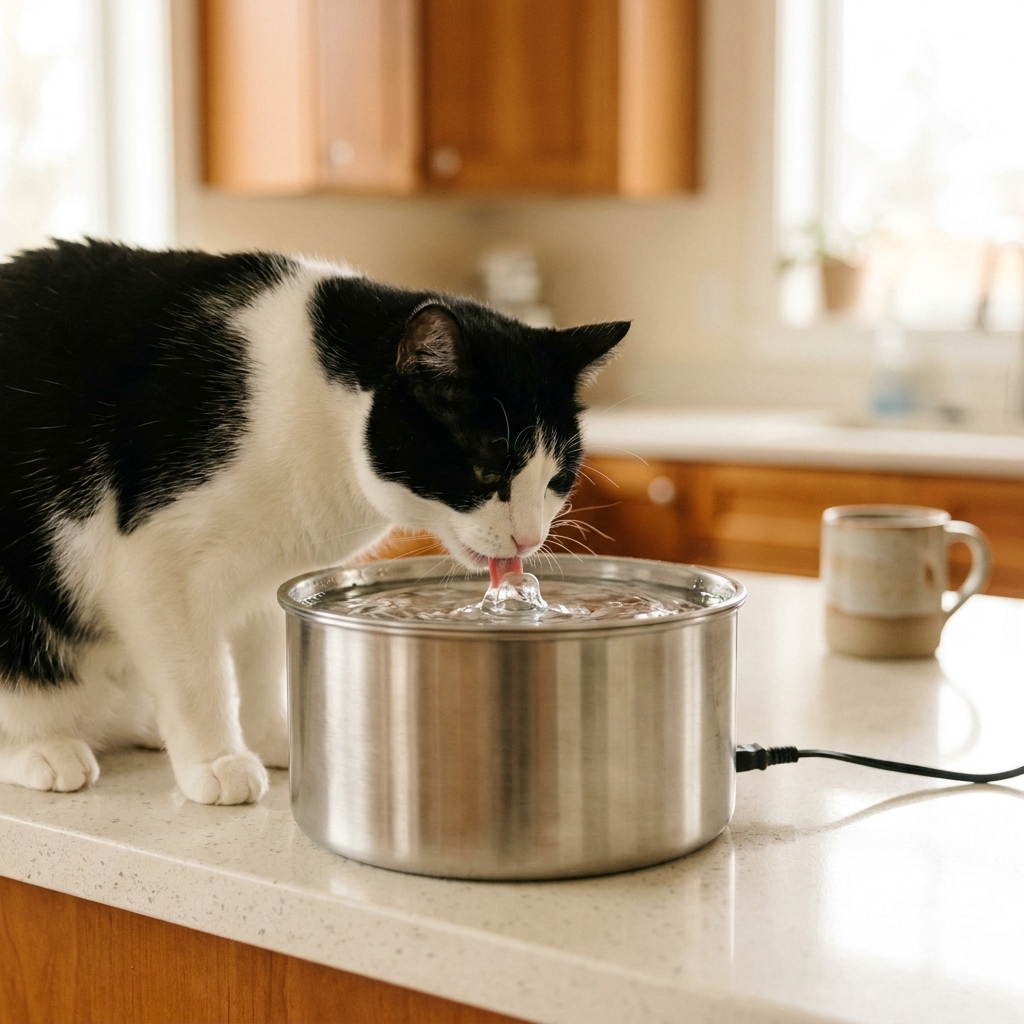
- Trying a cat water fountain (many cats prefer moving water)
- Adding water or low-sodium broth to meals when appropriate
- Scheduling a vet check if your cat drinks very little or urinates infrequently
Dental health: kibble is not a toothbrush
This is one of the most persistent myths I saw in exam rooms: “I feed dry food for their teeth.” I love the intention, but for most cats, regular kibble does not clean teeth in a meaningful way. Many cats swallow pieces whole or crack them once and gulp.
Does wet food cause dental disease?
Wet food does not automatically “rot” teeth. Dental disease is driven by plaque, tartar, genetics, immune response, and home care. Diet texture can influence buildup for some cats, but it is rarely the deciding factor.
What actually helps teeth
- Daily tooth brushing with cat-safe toothpaste, if your cat will allow it
- Veterinary dental cleanings when recommended
- VOHC-accepted dental diets or treats (these are formulated differently than regular kibble to create a “scrubbing” effect)
- Dental wipes or gels for cats who will not tolerate brushing
If your cat has bad breath, drools, drops food, chews on one side, or seems “picky” out of nowhere, consider dental pain. In those cases, wet food can be easier to eat, but you will still want a veterinary exam.
Calories, weight, and portions
Cat obesity is incredibly common, and it is not about willpower. It is about calories, routine, and a cat’s metabolism.
Why wet food can help
Because wet food has more water, it often has fewer calories per bite and can help some cats feel full on a larger portion. That said, calories vary a lot between brands and recipes, so always check the label.
Why dry food can sneak calories in
Kibble is calorie-dense, and it is easy to overpour. Free-feeding can work for certain cats, but for many it leads to slow, steady weight gain.
My best practical tip: whichever food you choose, measure it. Use a standard measuring cup for consistency or, even better, a small kitchen scale for precision. Aim to feed based on calories per day, not just “a scoop.” Your vet can help you calculate a healthy target.
Quick kitten note
Kittens are not just small adults. They usually need more calories per pound and more frequent meals, plus a diet labeled for growth (or all life stages). If you have a kitten, make sure your plan matches their life stage before you start cutting back portions.
Urinary and kidney health
If your cat has a history of urinary crystals, bladder inflammation, or kidney disease, the wet versus dry decision deserves extra attention.
Urinary concerns
For many urinary-prone cats, increased water intake is protective, and wet food can help boost total fluid consumption. In some cases, your veterinarian may recommend a therapeutic urinary diet (available in wet, dry, or both) designed to support urine pH and mineral balance.
Kidney disease
For cats with chronic kidney disease, maintaining hydration and using the right nutrient profile is often part of the plan. Kidney-support diets are typically formulated with lower phosphorus and carefully controlled nutrients (often including protein and sodium) to reduce workload on the kidneys. Many of these diets come in both textures. Some cats do best with wet food, while others will only reliably eat dry. The “best” diet is the one your cat will consistently eat, under veterinary guidance.
Important: If your cat strains to urinate, cries in the litter box, produces little to no urine, or you see blood in urine, treat it as urgent. Male cats can become blocked quickly.
Cost: wet vs. dry
Budget matters. It is part of responsible pet care, and you do not have to feel guilty about it.
Why wet food usually costs more
- Higher water content means you buy more volume for fewer calories
- Cans and pouches are more expensive to package and ship
- Once opened, leftovers need refrigeration and have a shorter shelf life
Why dry food is often more budget-friendly
- More calorie-dense, so bags last longer
- Easier storage with less waste
- Often simpler to feed in multi-cat homes
A balanced budget approach
If you want hydration benefits without a full switch, consider a combo plan: wet food once or twice daily, plus a measured amount of kibble. Even adding one small wet meal per day can meaningfully increase water intake for some cats.
Convenience and picky eaters
Dry food: convenience winner
Kibble is quick, tidy, and easy for pet sitters. It also works well with puzzle feeders and timed feeders, which can be great for enrichment and for cats who inhale meals.
Wet food: aroma advantage
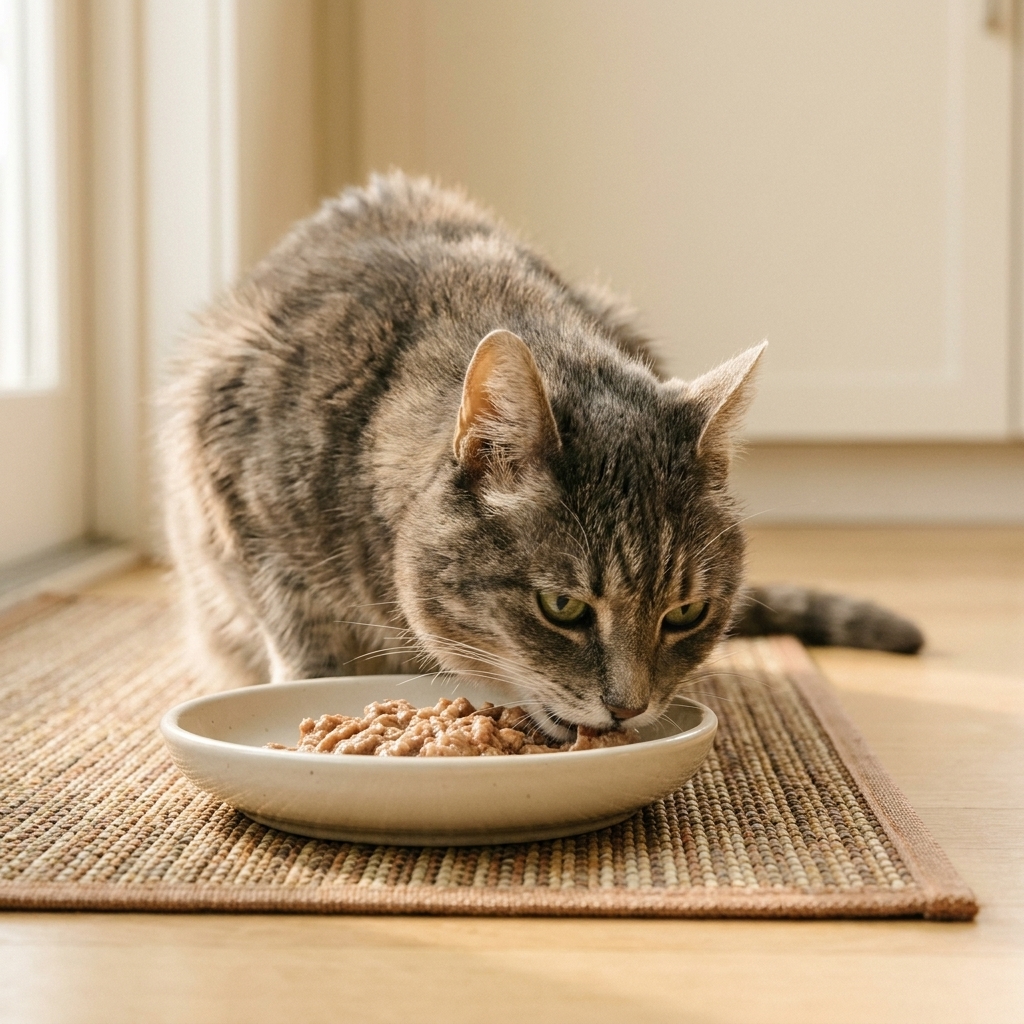
Wet food smells stronger, which is often appealing, especially to seniors or cats with a reduced sense of smell. If your cat is picky, warming the wet food slightly (just taking the chill off) can make it more enticing.
Food safety note: Wet food should not sit out all day. In most homes, I recommend picking up uneaten wet food within 1 to 2 hours, or sooner in warm rooms, and always follow the package guidance. Refrigerate opened cans and use them within the timeframe listed on the label.
When to call your vet first
A routine diet change is usually straightforward, but there are times you should talk to your veterinarian before you switch foods or dramatically change wet versus dry:
- Diabetes (diet composition matters)
- Chronic kidney disease or urinary blockage history
- IBD, pancreatitis, or chronic diarrhea or vomiting
- Rapid weight loss, poor appetite, or a cat that has stopped eating
- Kittens and pregnant or nursing cats, since nutrient needs are higher
If your cat has a medical condition, the best plan is usually less about wet versus dry and more about choosing the right formula, then making a change safely.
What to look for in cat food
No matter the texture, you want a food that is:
- Complete and balanced for your cat’s life stage (kitten, adult, senior)
- Labeled with an AAFCO statement indicating it meets nutrient profiles or passed feeding trials
- Appropriate for any medical needs, ideally chosen with your vet
Also keep an eye on your cat, not just the label. A good food should support steady energy, a shiny coat, normal stool, and a stable, healthy weight.
Should you mix wet and dry?
For many cats, yes. Mixing can offer the best of both worlds: moisture from wet food, convenience and cost control from dry food.
How to mix without overfeeding
- Decide your cat’s daily calorie goal with your veterinarian
- Calculate how many calories come from the wet portion
- Use the remaining calories for a measured kibble portion
If math makes your eyes cross, you are not alone. Bring the can and bag labels to your next vet visit, and ask the team to help you build a simple plan.
How to switch foods
Cats tend to do best with gradual changes. A slow transition can reduce vomiting, diarrhea, and hunger strikes.
- Days 1 to 3: 75% old food, 25% new
- Days 4 to 6: 50% old, 50% new
- Days 7 to 10: 25% old, 75% new
- Day 11 onward: 100% new
If your cat has a sensitive stomach, take longer. If your cat has a medical condition, your vet may recommend a different transition plan. If your cat refuses food for 24 hours or more, contact your veterinarian. Cats can get sick quickly when they stop eating.
FAQ
Is wet food better for urinary crystals?
Often, wet food can help by increasing moisture intake, which may support more dilute urine. However, crystal type and underlying causes matter, and many cats benefit most from a veterinarian-recommended urinary diet (wet, dry, or both).
Does dry food clean a cat’s teeth?
Regular kibble usually does not. If dental health is the goal, look for VOHC-accepted dental diets or treats and prioritize home dental care and veterinary cleanings.
Is it okay to feed only dry food?
Yes, if it is complete and balanced and your cat maintains good hydration, weight, and overall health. For cats who drink poorly or have certain medical issues, adding wet food may be helpful.
Is it okay to feed only wet food?
Yes, as long as it is complete and balanced and you feed appropriate portions. Wet-only diets can be excellent for hydration, but they may cost more and require a consistent feeding routine.
Which is cheaper long-term?
Dry food is usually cheaper per calorie. A mixed approach is a common compromise that supports hydration while keeping costs manageable.
Bottom line
If I could sit next to you in the aisle for a minute, I would tell you this: the “best” food is the one that keeps your cat hydrated, lean, comfortable, and excited to eat, and that you can afford and feed consistently.
If your cat is a low-drinker, prone to urinary problems, or entering their senior years, wet food often provides meaningful benefits. If your household needs convenience and cost control, dry food can still be a healthy foundation. And for a lot of cats, a thoughtful mix of the two is the sweet spot.