From infectious tracheobronchitis to tracheal collapse, aspiration, and heart disease, here’s what a dog’s cough can mean, how to tell it from reverse sneezi...
The first time you see a reverse sneeze, it can stop your heart a little. Your dog freezes, elbows flare out, neck stretches, and they make a loud, rhythmic inward snort that looks a lot like choking. I have watched plenty of it in the exam room as a veterinary technician, and I have watched it at home too. My own Golden Retriever mix, Buster, does it most often when he gets excited and tries to inhale half the neighborhood at once.
The good news is that reverse sneezing is usually harmless and brief. The important part is learning what a typical episode looks like for your dog, what tends to trigger it, and which signs mean it is time to call your veterinarian or head to urgent care.
What it looks and sounds like
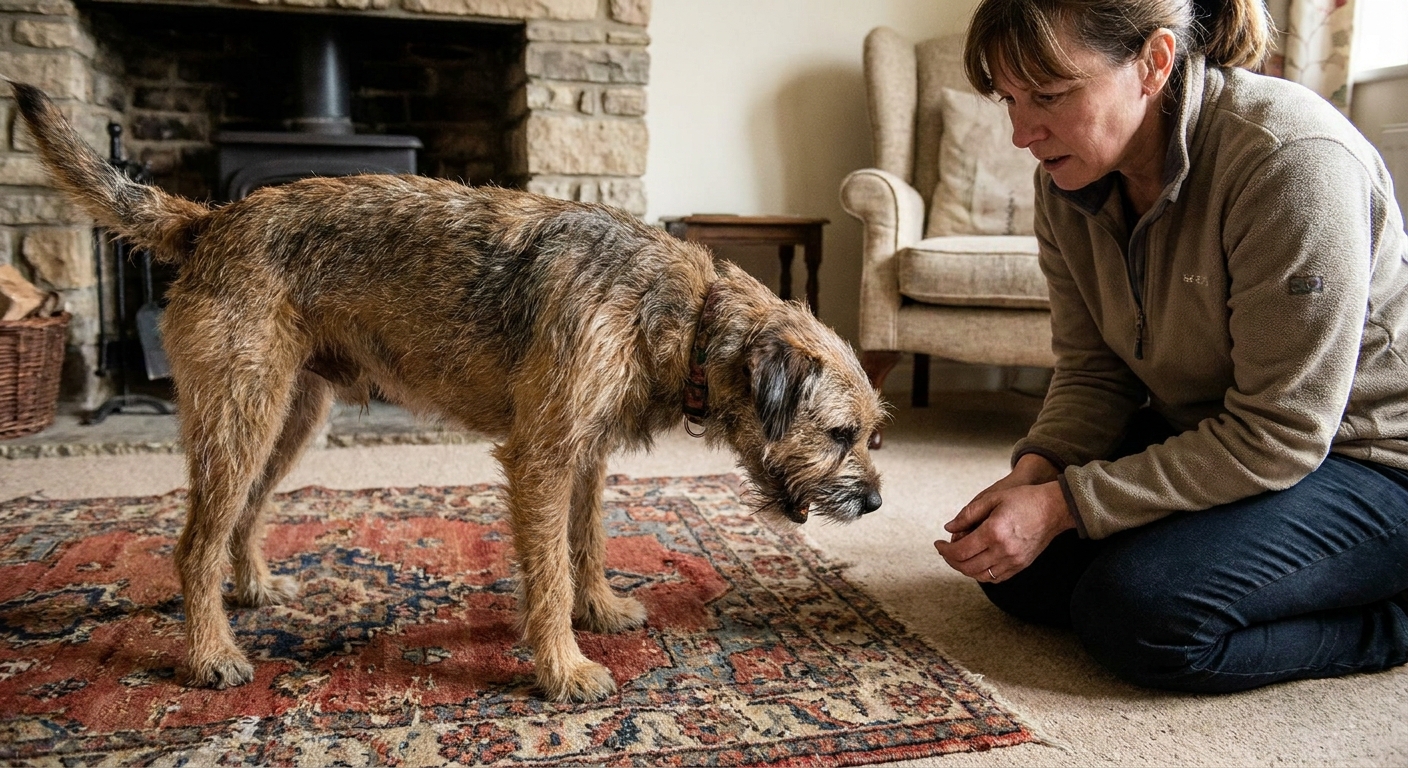
Reverse sneezing is often referred to as paroxysmal inspiratory respiration. Instead of pushing air out like a normal sneeze, your dog suddenly pulls air in through the nose in quick, forceful snorts.
A typical reverse sneezing episode often includes:
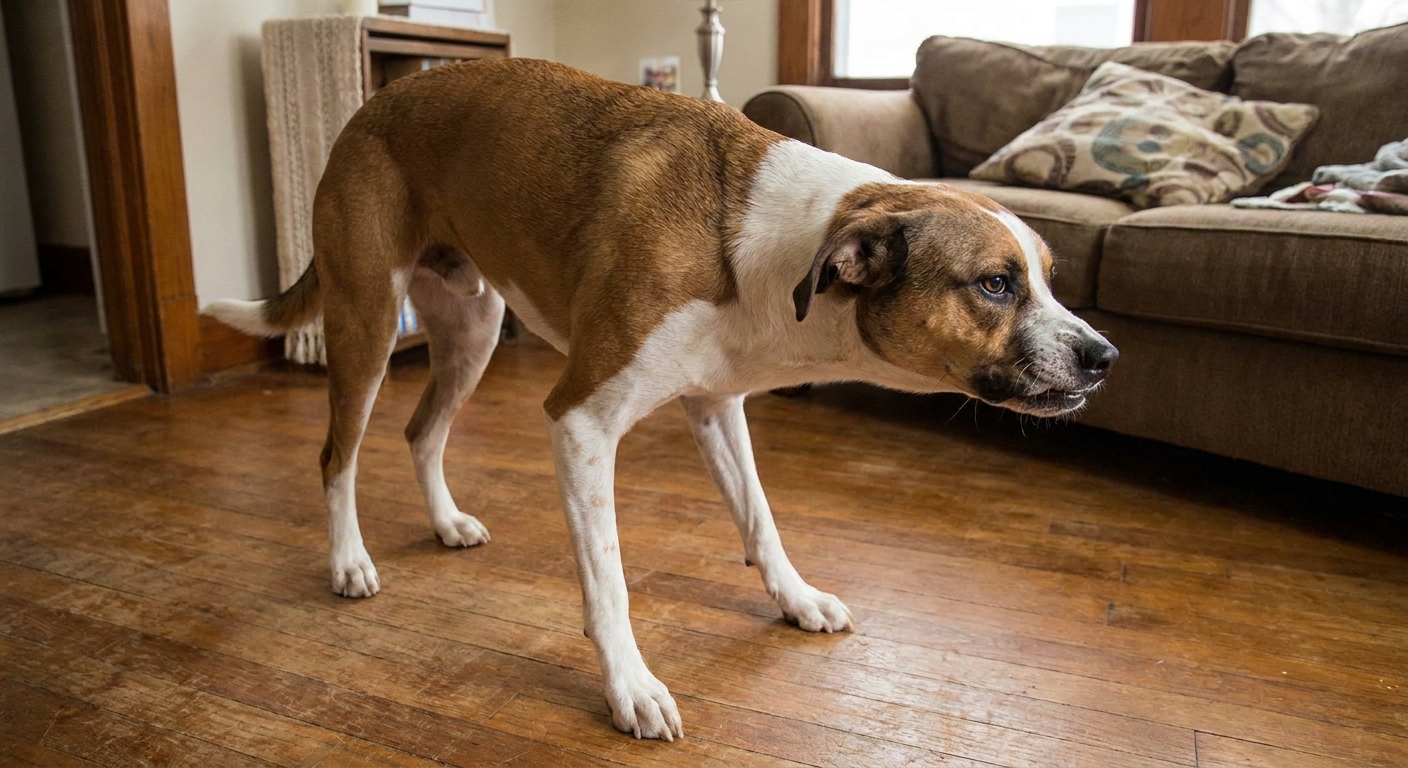
- Rapid, repeated inward snorting or “honking” sounds
- Neck stretched forward, head slightly down or extended
- Stiff stance with elbows angled out
- Wide eyes or startled expression
- Gag-like motion without producing anything
- Duration of a few seconds to about a minute, then it stops as abruptly as it started
Most dogs are totally normal immediately after: they walk off, wag, sniff, or ask for snacks as if nothing happened.
Reverse sneeze vs choking
Reverse sneezing can resemble choking because your dog may look distressed and make dramatic noises. The key difference is that during a reverse sneeze, many dogs can still inhale (loudly) and are not actually obstructed.
That said, you should treat any “maybe choking” moment seriously until you are sure. If you think your dog might have something stuck, do a quick check of the mouth if it is safe to do so, and avoid getting bitten. If you cannot see what is going on right away, or your dog is panicking, seek emergency care.
Clues it is reverse sneezing
- It often happens at rest or with mild excitement.
- Your dog’s gums stay pink, and they do not collapse.
- The episode resolves on its own within about a minute.
- Your dog is normal immediately afterward.
Clues it is not reverse sneezing
- They are struggling to breathe or cannot settle between sounds.
- There is blue or gray tongue or gums.
- They are coughing repeatedly or producing foam, fluid, or blood.
- The problem starts suddenly right after chewing on a toy, stick, bone, or treat.
- They seem weak, panicked, or collapse.
What causes it?
Reverse sneezing is usually triggered by irritation or stimulation in the back of the nose, soft palate, or throat. Many dogs have occasional episodes their whole lives, and you may notice them flare up during allergy season or when a dog has mild upper respiratory irritation.
Common triggers include:
- Excitement (greeting people, playtime, zoomies)
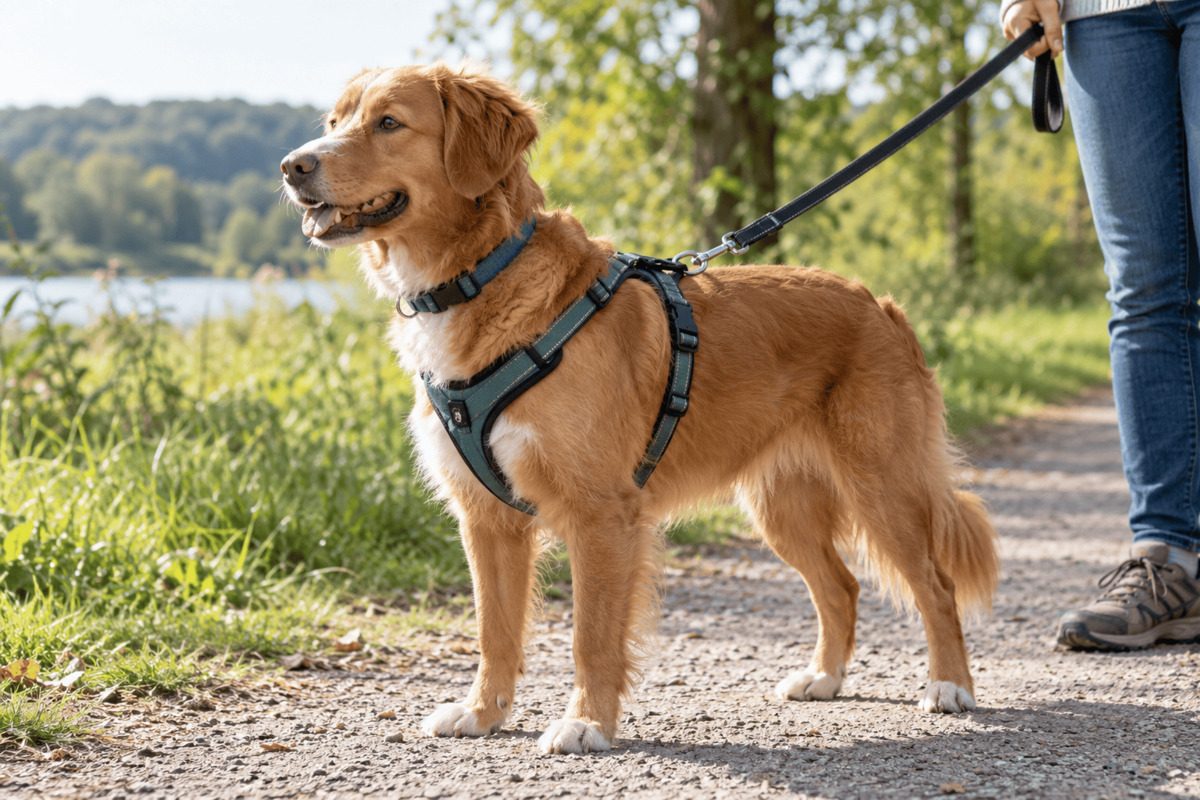
- Pulling on a collar, especially if your dog tends to lunge or strain
- Allergies or environmental irritants (pollen, dust, smoke, strong fragrances)
- Dry air (winter heating, very dry climates)
- Post-nasal drip or mild upper respiratory irritation
- Eating or drinking too fast
- Sudden temperature changes (running from cold outdoors into warm air)
Some dogs are simply more prone than others. Small breeds and brachycephalic dogs (short-nosed dogs) can have more noisy breathing in general, but reverse sneezing can happen in any dog.
How to help during an episode
Most reverse sneezing stops on its own. Your job is to keep your dog calm and avoid accidentally making it worse by restraining them or tugging at their neck.
Ways some vets suggest to shorten it
- Stay calm and speak softly. Many dogs feed off our panic.
- Pause activity. Stop walking or playing for a moment.
- Gently rub the throat or massage the sides of the neck.
- If your dog is stable and breathing comfortably between snorts, some vets suggest briefly covering the nostrils for about 1 second to encourage a swallow, then releasing. Skip this for brachycephalic dogs or any dog that seems truly distressed, and stop immediately if it makes things worse.
- Offer a small sip of water if your dog is willing and not frantic.
Swallowing often helps reset the spasm. Some dogs also do better if you encourage a calm sit.
What not to do
- Do not pull on the collar or hold the mouth shut forcefully.
- Do not stick fingers deep in the throat unless you truly suspect choking and can clearly see an object you can safely remove.
- Do not give human allergy meds without guidance from your veterinarian. Dosing and safety depend on your dog’s size and medical history.
When to call the vet
An occasional reverse sneeze is typically a “we will mention it at the next visit” issue. But frequent or changing episodes deserve a closer look because similar sounds can be caused by other problems, including nasal disease, airway inflammation, collapsing trachea, kennel cough, heart disease, nasal mites, brachycephalic airway syndrome, a nasopharyngeal polyp, or a foreign body.
Age matters too. If this starts suddenly in an older dog, or you are seeing intense episodes in a very young puppy, I consider that a good reason to call sooner rather than later.
Call your veterinarian soon (within a day or two) if:
- Episodes are becoming more frequent or more intense.
- Your dog seems congested or you notice chronic sneezing.
- There is nasal discharge, especially if it is bloody, yellow, green, or one-sided.
- Your dog has a new cough, gagging, or retching between episodes.
- They are pawing at the face or acting like the nose is uncomfortable.
- Reverse sneezing starts after a recent boarding stay or dog park exposure and is paired with coughing or lethargy.
Go to urgent care immediately if you see red flags
- Blue, gray, or very pale gums or tongue
- Collapse, extreme weakness, or inability to stand
- Labored breathing (belly heaving, nostrils flaring constantly, wide stance that does not resolve)
- Noises that reliably start with exercise or heat and do not stop quickly
- Suspected choking (sudden onset while chewing, frantic distress, repeated gagging with drooling)
- Swelling of the face or hives, which could point to an allergic reaction
Prevention
You cannot prevent every episode, but you can often reduce how often they happen by lowering irritation and taking pressure off the airway.
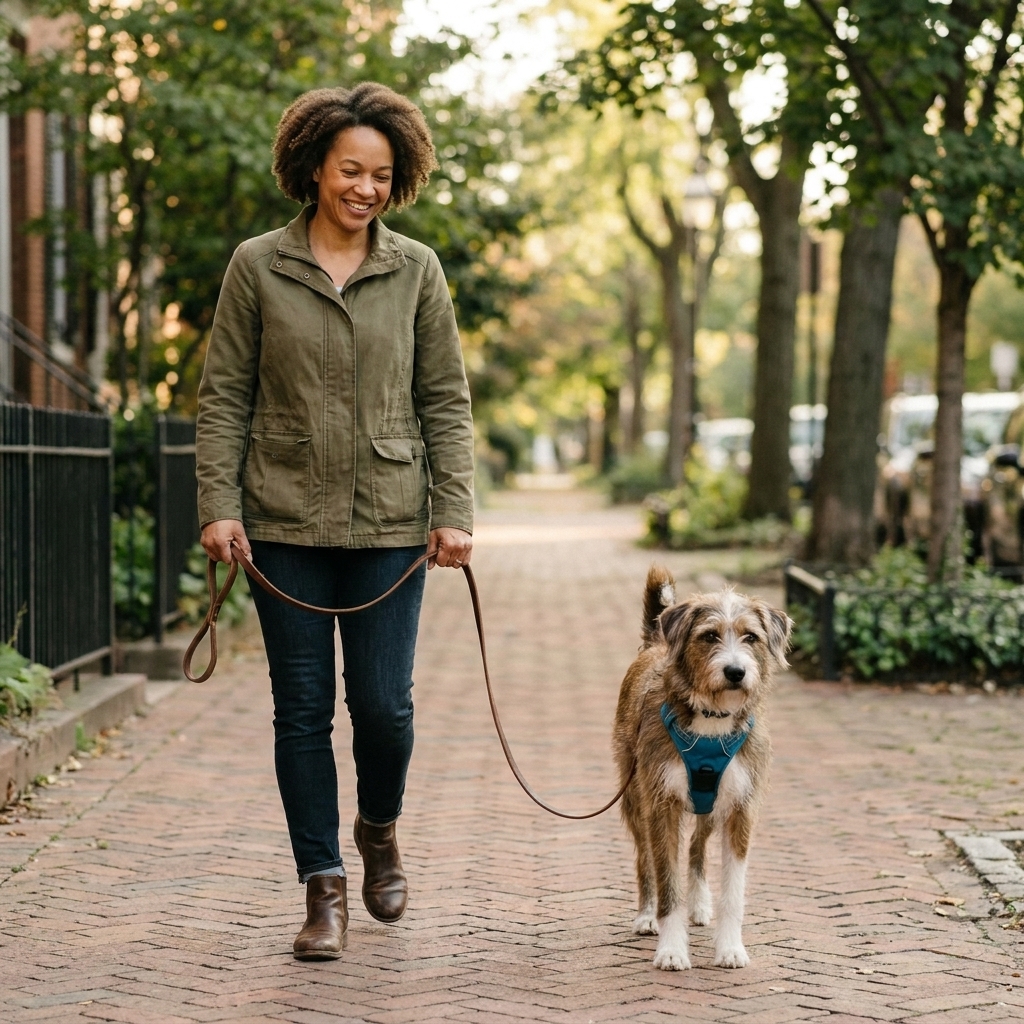
- Switch from a neck collar to a harness for walks if your dog pulls or coughs when excited.
- Use a humidifier during dry months, and avoid blowing warm air directly where your dog sleeps.
- Limit irritants like smoke, heavy perfumes, candles, and aerosol cleaners around your dog.
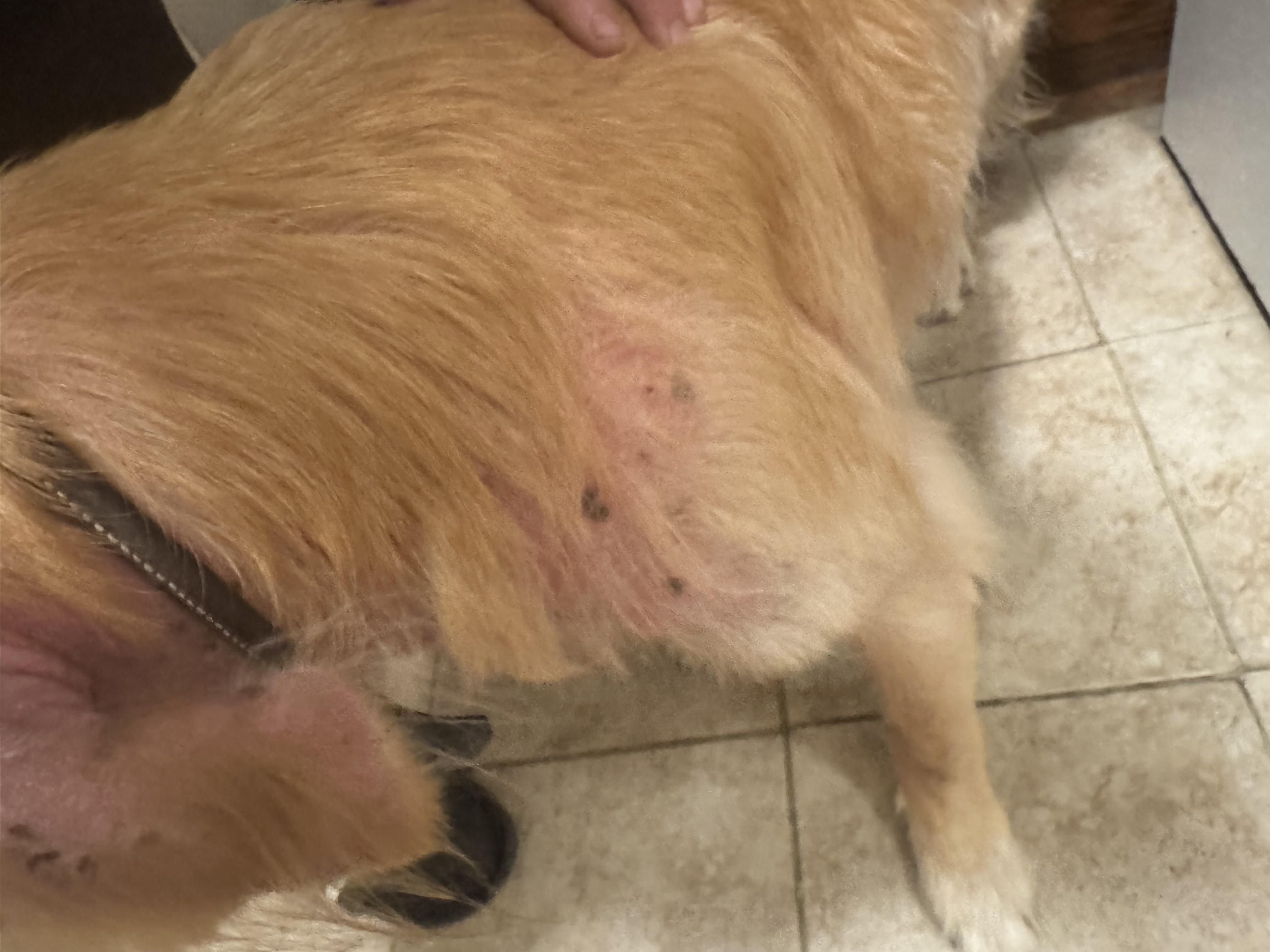
- Rinse paws and wipe the face after high-pollen walks, especially during seasonal allergy spikes.
- Slow down eating with a puzzle bowl if episodes happen right after meals.
If allergies seem like a major trigger, your veterinarian can help you choose a safe plan, which may include environmental changes, prescription therapies, or vet-guided antihistamines.
What your vet may check
If reverse sneezing is happening often, your veterinarian may ask for a short video. In clinics, videos are incredibly helpful because many dogs will not perform their most dramatic symptoms on command.
Depending on your dog’s history and exam, your vet might recommend:
- A thorough oral and airway exam
- Listening to the heart and lungs
- Checking for nasal discharge, pain, or dental disease that can affect the sinuses
- Chest X-rays or neck imaging if coughing or exercise intolerance is present
- Testing or treatment trials for allergies or infection
- Referral for rhinoscopy or advanced imaging if a nasal foreign body, polyp, mite problem, or tumor is a concern
Quick FAQ
How long is too long?
Many episodes last 10 to 30 seconds, sometimes up to about a minute. If your dog cannot stop, seems panicked, or looks like they cannot catch their breath, treat it as urgent and call a veterinarian.
Can it hurt my dog?
Reverse sneezing itself is usually not harmful, but it can be a sign of irritation or another airway issue. The bigger risk is mistaking a more serious breathing problem for reverse sneezing.
Is it the same as a collapsing trachea?
No. Collapsing trachea more often causes a chronic, repetitive cough that people describe as a “goose honk,” especially with excitement, pulling on a collar, or exercise. If your dog has frequent honking cough episodes, your veterinarian should evaluate them.
Should I record it?
Yes. If you can safely grab your phone without stressing your dog, a short video can help your vet confirm whether it is reverse sneezing or something else.
Does it happen more in certain breeds?
It can happen in any breed, but dogs with smaller airways or shorter noses may have more noisy breathing overall. Breed alone does not determine whether an episode is harmless, so always watch for red flags.
The takeaway
Reverse sneezing looks dramatic, but in most dogs it is a brief spasm that resolves quickly and does not cause harm. Focus on keeping your dog calm, minimizing triggers like collar pressure and irritants, and knowing the warning signs that point to a true emergency. If episodes become frequent, change in character, or come with coughing, discharge, or exercise-related breathing trouble, your veterinarian can help you sort out what is going on and keep your dog comfortable.