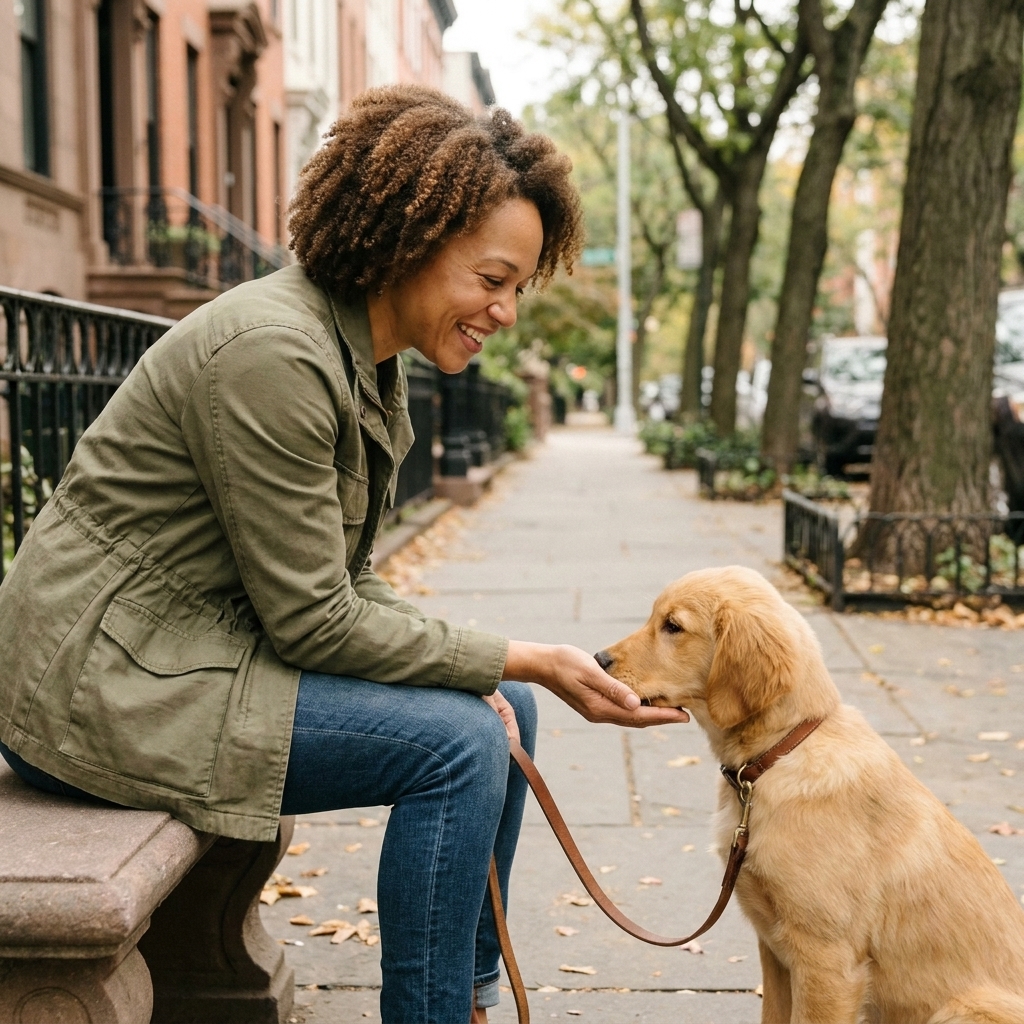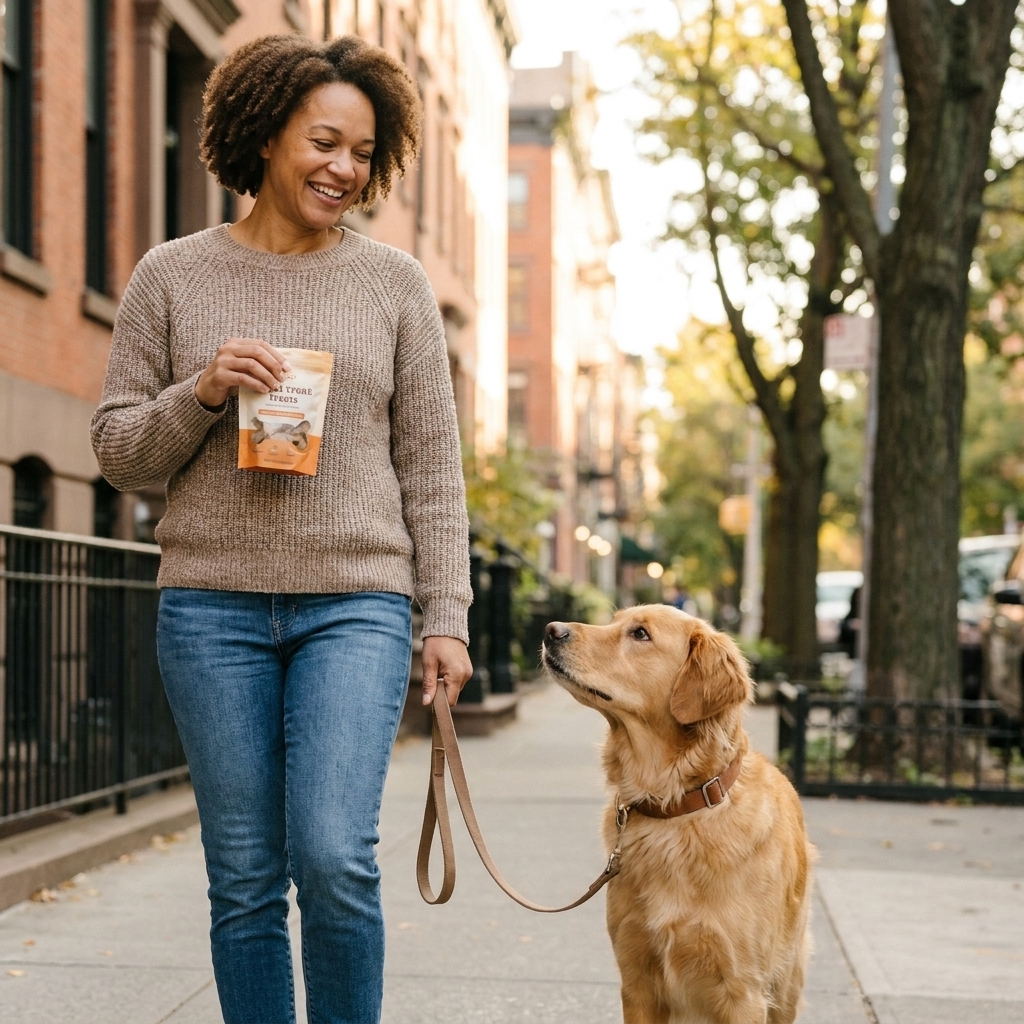
A kind, practical plan to teach loose-leash walking with rewards, clear cues, safety tips, and simple troubleshooting for real-world walks.
Choosing between a dog harness and a collar can feel surprisingly high-stakes because it can affect comfort, communication, and injury risk. The right walking gear helps your dog stay comfortable, helps you communicate clearly on leash, and reduces the chance of problems that can come from pulling, sudden lunges, or poor fit.
As a former veterinary technician, I will tell you the most practical truth: many dogs do best with both, used for different jobs. A collar is great for ID tags and some training situations. A well-fitted harness is often the lower-risk choice for everyday walking, especially for pullers, small dogs, and dogs with airway concerns.
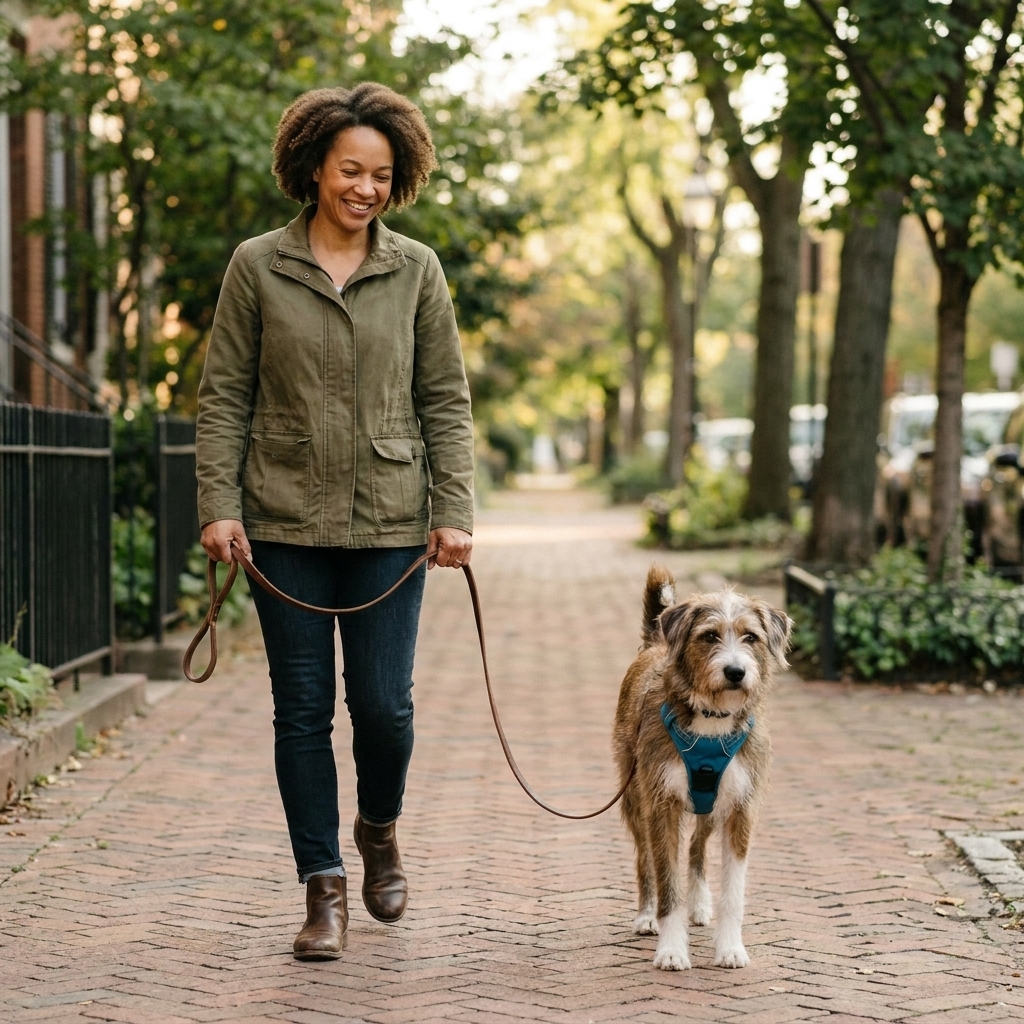
Quick answer: which is safer?
For many dogs, a harness offers a better margin of safety for walking because it can distribute pressure across the chest and shoulders instead of the neck. A collar can also be safe for walking when it fits properly and your dog reliably walks on a loose leash, but it is less forgiving if your dog pulls or lunges.
One important caveat: harnesses are not automatically safer in every situation. Poorly fitted or poorly designed harnesses can cause chafing, escape risk, and in some dogs, changes in gait. The safest option is the one that fits correctly, matches your dog’s behavior, and is paired with good leash handling and training.
- Best for pullers: Harness (often front-clip) plus loose-leash training
- Best for brachycephalic breeds: Harness for walking, avoid leash pressure on a neck collar
- Best for tiny dogs or sensitive tracheas: Harness is often a better choice
- Best for dogs with excellent leash manners: Either, depending on fit and comfort
Safety is not just about the gear. Fit, leash handling, and training matter just as much.
How collars and harnesses affect the body
Collars: pressure on the neck
Collars sit around the neck, where important structures live close to the surface, including the trachea, larynx, thyroid gland, blood vessels, and cervical spine. When a dog hits the end of the leash, the force concentrates in one small area.
That does not mean collars are automatically “bad.” It means collars are least forgiving when leash pressure is frequent or forceful, such as with pulling, lunging, or sudden stops.
Harnesses: pressure on the chest and shoulders
A properly designed harness shifts leash pressure away from the throat. For many dogs, that is a big comfort upgrade, especially on longer walks.
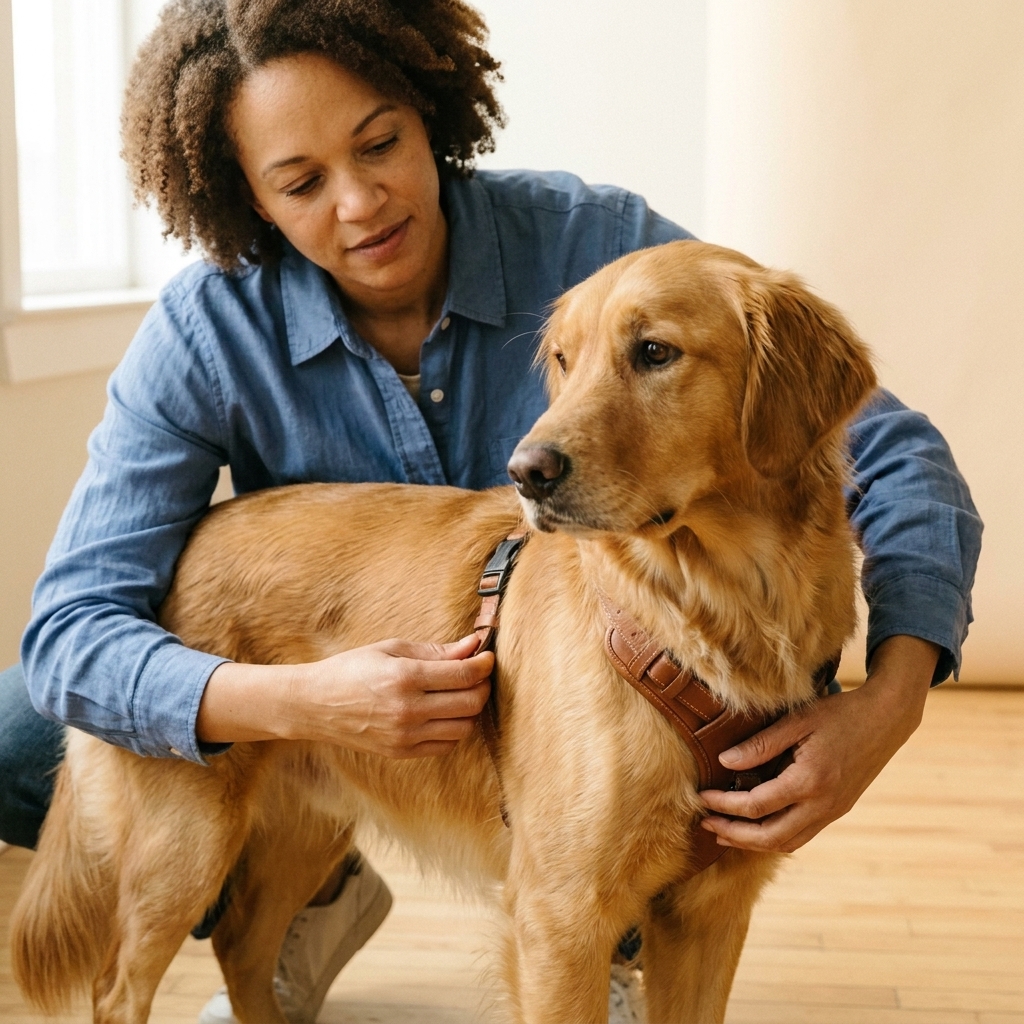
The tradeoff is real: some harness styles can restrict shoulder movement if they sit too far forward, and poorly fitted harnesses can rub behind the front legs. Look for designs that keep straps off the point of the shoulder, such as a Y-shaped front, and plan to adjust as your dog gains or loses weight.
Walking control: which gives better handling?
Harness control depends on clip location
- Back-clip harness: Comfortable, common, and great for dogs who already walk nicely. For determined pullers, it can give them leverage to pull harder.
- Front-clip harness: Often my top pick for pullers. When the dog pulls, the leash attachment tends to turn their body back toward you, which can reduce forward momentum. In some dogs it can also affect gait, so introduce it gradually and watch for rubbing or an awkward stride.
- Dual-clip harness: Gives you options. Some handlers use a double-ended leash to connect to both front and back for extra stability and steering.
Collar control can be sharp, for better or worse
A collar gives a very direct line to the head and neck. With a dog who already understands leash pressure and stays loose, it can feel simple and tidy. With a dog who surges or reacts, it can become a cycle of pressure and frustration, and the physical stress lands on the neck.
Training: harness vs. collar
Gear is not training, but it can make training easier and kinder.
When a harness helps training
- Loose-leash walking: Front-clip harnesses can reduce the payoff of pulling while you reward check-ins and slack leash.
- Confidence building: Some sensitive dogs relax when they are not feeling leash pressure at the throat.
- Long walks and decompression: A comfortable harness pairs well with a longer leash in safe areas to let dogs sniff without choking themselves if they hit the end.
When a collar may be useful
- Polished skills: Dogs with solid leash manners may do fine on a flat collar.
- Clear communication with minimal pressure: If you use leash cues lightly and your dog responds quickly, a collar can be a clean setup.
If you are working on reactivity, pulling, or a dog who startles and bolts, I generally prefer a harness for day-to-day walking while training is in progress.
Choosing by breed, size, and health
Brachycephalic breeds
If your dog has a short muzzle, they already have less airway reserve. Choose a harness for walking and avoid leash pressure on a neck collar. Look for a design with a broad chest panel and straps that stay off the throat.
Small dogs and toy breeds
Some small and toy breeds can be more prone to tracheal sensitivity, including conditions like collapsing trachea. They are also closer to ground-level triggers that can cause sudden lunges. A harness is often the safer option for walks, especially if your dog pulls or gets excited.
Sighthounds
These dogs often have narrow heads that can slip out of standard collars. If you use a collar, consider a properly fitted martingale for safety, and many families still prefer a harness for walking.
Strong pullers
When a 70-pound dog hits the end of the leash, physics wins. A front-clip or dual-clip harness plus structured loose-leash training is typically one of the safest, most comfortable ways to regain control without cranking on the neck.
Dogs with coughing or breathing issues
If your dog coughs with leash pressure, honks, gags, or has been diagnosed with airway issues, avoid neck pressure and walk on a harness. Talk with your veterinarian about any persistent cough, especially if it worsens with excitement or exercise.
Dogs with orthopedic issues
Harnesses can be great, but choose one that does not impede shoulder movement and does not require awkward leg lifting if your dog has pain or stiffness. Step-in styles can be easier for some dogs, while others do best with an overhead style that buckles on the side.
Fit and safety checks
Collar fit
- Two-finger rule: You should be able to slide two fingers under the collar comfortably.
- Position: It should sit high on the neck without riding up into the jawline.
- Check for hair loss or redness: These are early signs of rubbing or too-tight fit.
Harness fit
- Y-front or chest shape: The front should sit on the chest, not across the throat.
- Shoulder freedom: Straps should not cross the point of the shoulder or sit so far forward that they shorten stride.
- Armpit clearance: Straps behind the front legs should not dig into the “armpit” area. Rubbing here is very common with poor fit.
- No shifting: The harness should not rotate easily or slide side-to-side when your dog turns.
- Escape risk: If your dog can back out of gear when scared, consider an escape-resistant harness with an extra belly strap and practice safe handling routines.
After any new gear change, do a quick skin check after walks, especially after wet, muddy, or long outings where friction is more likely.
Common mistakes (and fixes)
Using a harness and letting the dog pull nonstop
A harness prevents throat pressure, but it does not teach leash skills on its own. Pair it with rewards for walking near you, frequent direction changes, and short training walks where your dog can succeed.
Choosing a harness that blocks shoulder movement
If the straps sit too far forward, your dog may shorten their stride or look stiff up front. Try a different cut, often a Y-shaped front that stays off the shoulder joint. Some designs are more restrictive by nature, even when adjusted, so do not be afraid to switch styles.
Relying on a collar for a dog who lunges
If your dog hits the end of the leash hard, you are usually better off switching to a harness while you work on the behavior. It is a comfort choice, and it can also reduce neck risk.
Skipping ID because the dog wears a harness
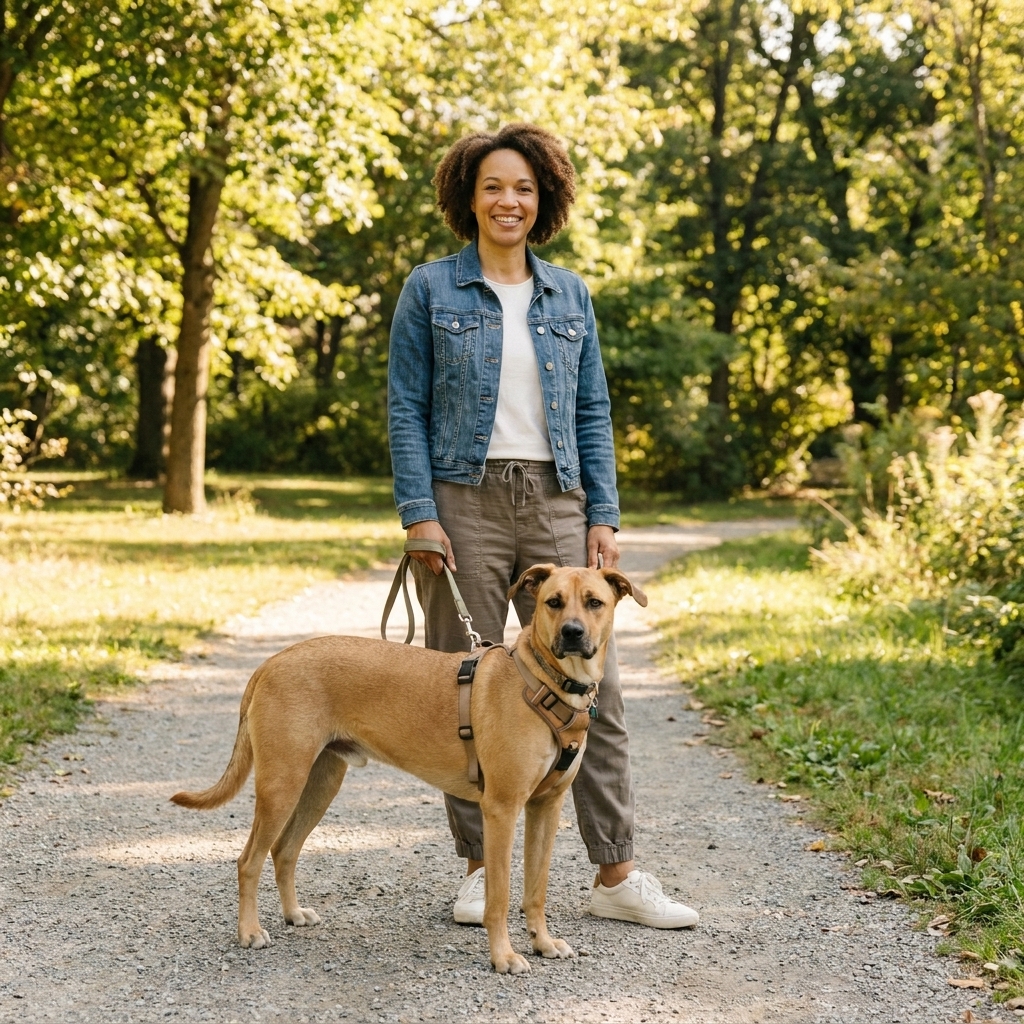
Your dog should still have ID. Many families keep a flat collar with tags on at all times and clip the leash to the harness for walks.
Using a retractable leash for training
Retractable leashes can encourage constant tension and make timing and control harder, especially around distractions. For most neighborhoods and training sessions, a fixed-length leash gives clearer feedback and fewer tangles.
Other options people ask about
Head halters
Head halters can be useful for some strong pullers because they give you steering control of the head. They require slow conditioning so your dog is comfortable wearing one, and they are not a quick fix for lunging. If your dog hits the end of the leash hard, work with a trainer so you do not risk neck twisting from sudden force.
Martingales and aversive tools
Martingale collars can be a safer collar option for dogs who slip out of standard flat collars, especially sighthounds. If you are choosing gear for everyday walking and training, I generally recommend avoiding choke chains, prong collars, and other aversive setups that rely on pain or fear. If you are stuck, a force-free trainer can help you build skills with less risk to your dog’s body and behavior.
So which should you pick?
If you want a simple decision rule:
- Pick a harness if your dog pulls, lunges, coughs with leash pressure, has a short nose, is very small, is a flight risk, or you are actively working on leash manners.
- Pick a collar if your dog reliably walks on a loose leash, you prefer minimal gear, and your dog has no respiratory sensitivity.
- Pick both if you want the best of both worlds: collar for ID and quick potty trips, harness for walks and training sessions.
If you are unsure, starting with a well-fitted harness for walking usually gives you more room for error while you build skills.
FAQ
Is it okay to walk a dog with just a collar?
Yes, if the collar fits properly and your dog does not pull. If your dog pulls frequently or has airway issues, a harness is typically a lower-risk choice.
Do harnesses encourage pulling?
They can, especially back-clip harnesses on dogs who already love to lean into pressure. A front-clip or dual-clip harness can reduce the pulling advantage, and training is what ultimately fixes pulling.
What is the safest option for a puppy?
Many puppies do best starting on a harness because they zigzag, stop suddenly, and get excited. Choose a lightweight harness that allows full shoulder movement and adjust it often as your puppy grows.
My dog hates gear over their head. What should I do?
Try a step-in or side-buckle harness style and introduce it with treats in tiny steps. If your dog shows intense fear, go slower and consider working with a force-free trainer.
Can I attach tags to a harness instead of a collar?
You can, but I still like a collar with ID as a backup in case the harness comes off or gets unclipped.
A gentle safety reminder
If your dog coughs, wheezes, gags, or seems short of breath on walks, do not write it off as “just pulling.” It is worth a veterinary check. The best walking setup is the one that keeps your dog comfortable enough to learn, sniff, and enjoy the world safely.
If you need a starting point, my usual recommendation for most families is: flat collar with ID plus a well-fitted harness for walks. Kind to the body, kinder to the learning process.