A compassionate, clinic-informed plan to reduce separation anxiety in dogs, from prep work and safe set-ups to desensitization sessions and troubleshooting.
If you are staring at your tiny puppy and thinking, “I have about a million things to teach you and somehow not mess this up,” take a breath. Socialization is not about flooding your puppy with scary stuff or collecting as many strangers as possible in a weekend. It is about creating positive, controlled experiences so your puppy learns the world is generally safe, predictable, and worth investigating.
The early socialization window, often described as roughly the first 12 to 16 weeks, is especially powerful because puppy brains are primed to absorb what “normal” looks like. Done thoughtfully, socialization can help reduce the risk of fear, reactivity, and aggression later on, although genetics and later life experiences matter too. Done too fast, it can backfire. This guide will walk you through a safe, realistic checklist you can use day by day.
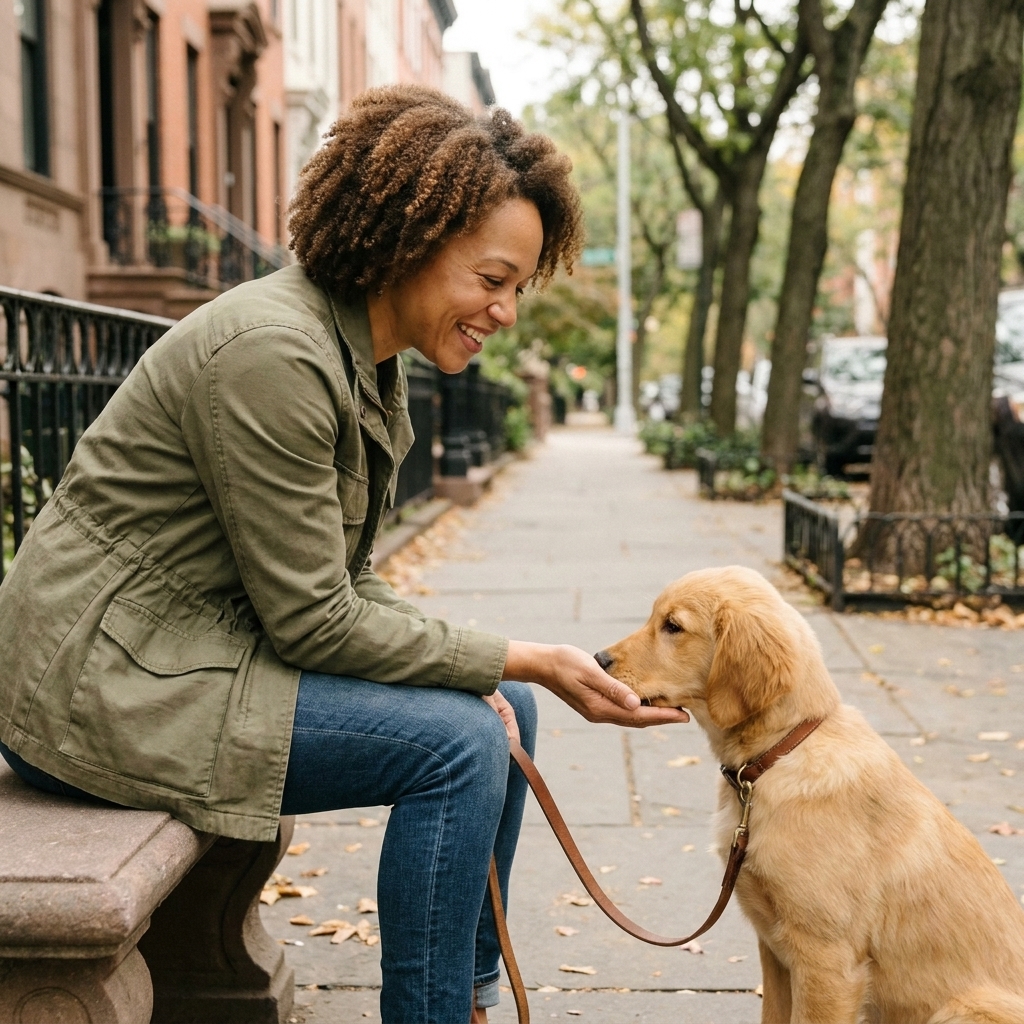
What socialization means
I hear a lot of loving families say, “He just wasn't socialized.” Usually what they mean is: the dog didn't learn to feel comfortable around everyday life. Socialization is really learning the world is safe. It does not always mean interacting. Watching calmly absolutely counts.
Socialization includes:
- People of different ages, appearances, and movement styles
- Dogs and other animals in safe, appropriate ways
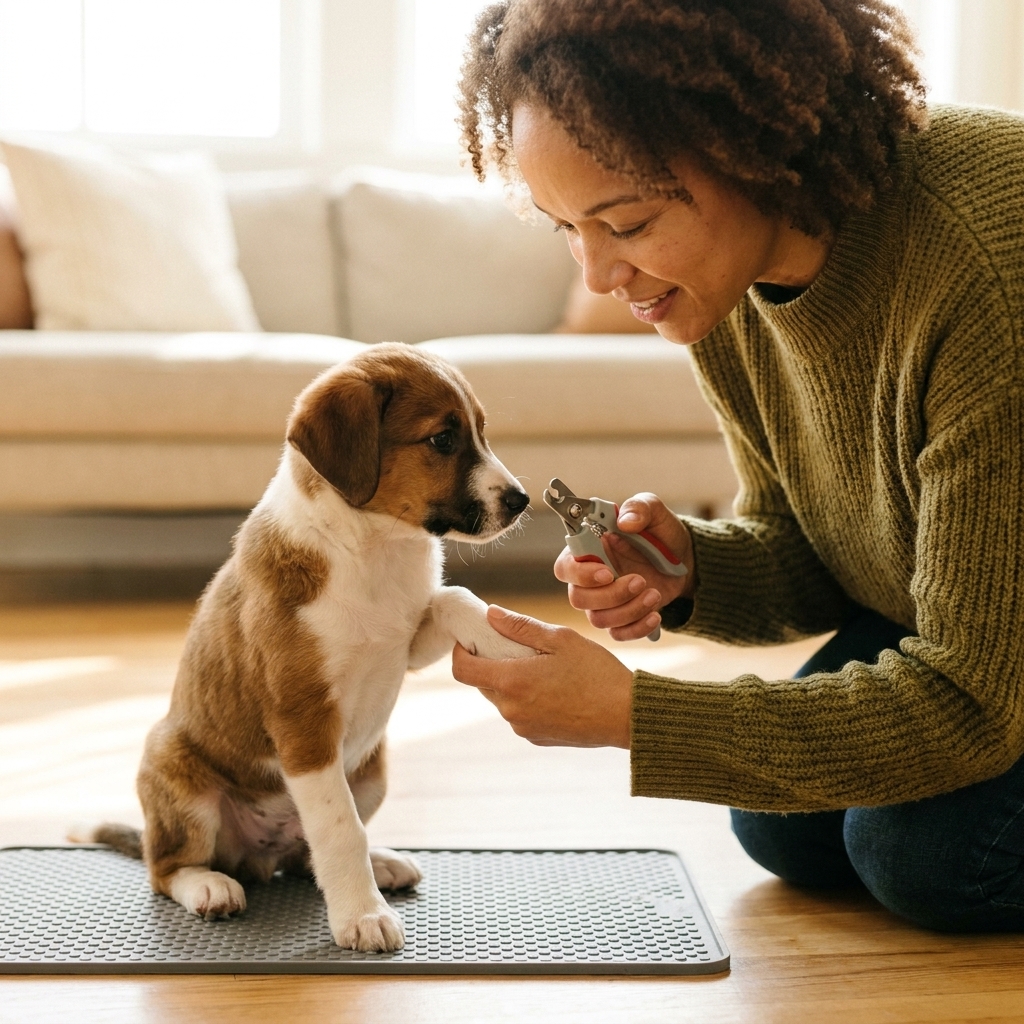
- Handling that prepares your puppy for grooming and veterinary care
- Environments like streets, stores, cars, elevators, and parks
- Sights and sounds like trucks, doorbells, and vacuum cleaners
- Being alone briefly without distress
The goal is simple: calm curiosity. We want your puppy thinking, “Oh, that's weird… but I can handle it.”
Safety and vaccines
This is the part where the internet gets loud. Here's the grounded, practical version: your puppy needs socialization and protection from infectious disease. You can do both.
Ask your veterinarian about local risk
Parvo risk varies by area. Your vet is the best source for what's safe in your neighborhood. In general, until your puppy is fully vaccinated, avoid high-dog-traffic areas where you can't control who has been there recently (dog parks, pet store floors, popular potty spots).
Low-risk ways to socialize before final vaccines
- Carry your puppy in public places (parking lots, outdoor shopping areas, school pickup lines) and treat for calm observation.
- Use a clean blanket or stroller at outdoor cafes or on a friend's porch.
- Invite known, healthy dogs you trust for short meetups in a private yard.
- Puppy kindergarten run by a reputable trainer that requires vaccine documentation and disinfects properly.
- Drive-through socialization: sit in the car with the windows cracked and feed treats as your puppy watches the world.
If your puppy needs to potty outside during their vaccine series (most do), pick a low-traffic spot and don't allow greetings with unknown dogs.
How to use the checklist
Think “small and successful.” A good socialization session can be 2 to 5 minutes. Two great exposures beat one chaotic one. As a general rule, default to distance. You can always move closer later.
What success looks like
- Your puppy can eat treats and respond to you.
- Body language looks loose: soft face, wiggly body, normal breathing.
- Your puppy can look at the thing and then look away.
When to slow down
- Tail tucked, frozen body, cowering, hiding behind you
- Whale eye, lip licking, yawning when not tired
- Refusing treats they normally love
- Lunging, barking, growling, snapping
If you see stress, add distance, lower intensity, and end on a win. Socialization isn't a test of bravery.
Treat strategies
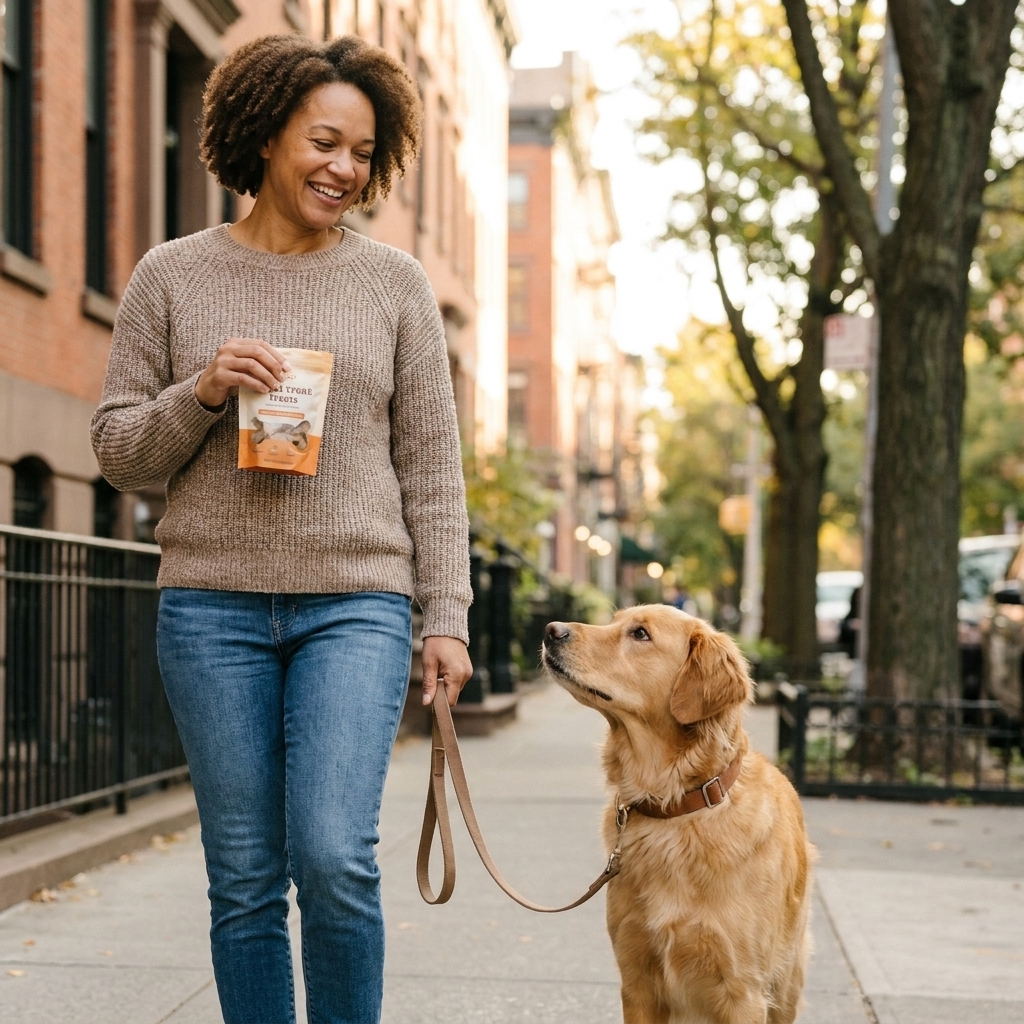
Use tiny, high-value treats and pair them with the new thing.
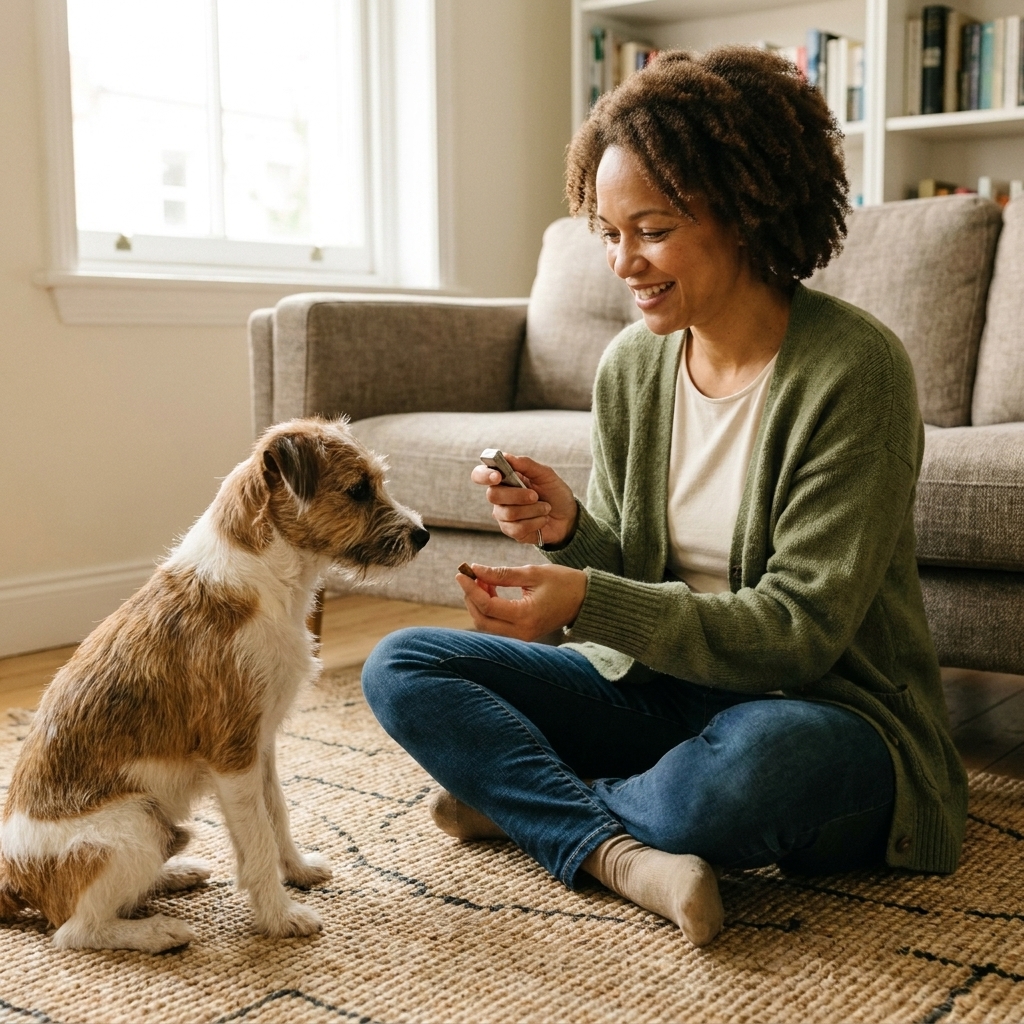
- Look at That: puppy notices the stimulus, you mark (a cheerful “yes!”), treat.
- Treat Retreat: treat, then toss a treat behind your puppy so they can disengage and decompress.
One more rule that matters: don't punish fear. If your puppy barks, freezes, or tries to leave, your job is to create space and help them feel safe, not to scold.
Puppy socialization checklist (0 to 16 weeks)
Below is a big, practical checklist. You don't need to do everything. Pick a handful each week based on your puppy's comfort, your schedule, and the life you actually live.
People
Focus on calm, brief interactions. Your puppy doesn't need to be pet by everyone. Watching is also socialization.
- Adults of different genders and ages
- Kids moving unpredictably (start with lots of space)
- People with hats, hoodies, sunglasses
- People with beards or big hair
- People using mobility aids (cane, walker, wheelchair)
- Joggers and cyclists passing by
- Delivery person approach (practice with a friend)
- Someone gently handling your puppy's collar and then treating
- Friendly stranger tossing treats without reaching over your puppy's head
Dogs and other animals
The biggest mistake I see is “socializing” by letting puppies greet every dog on leash. Many adult dogs hate that, and it can build frustration fast. Instead, prioritize neutrality and a few great dog friends.
- Parallel walk with a calm, vaccinated adult dog
- Short off-leash play in a private yard with a known, puppy-tolerant dog
- Watching dogs from far enough away that your puppy can eat treats
- Seeing cats behind a baby gate (no chasing), then rewarding calm
- Hearing birds, seeing squirrels, then treating for disengaging
- Exposure to livestock with plenty of space (if relevant to your area)
Handling and body care
I can tell you from experience: a puppy who has practiced gentle handling is easier to keep healthy and usually far less stressed during exams and grooming.
- Touch ears, then treat
- Lift lip briefly, treat (future tooth brushing)
- Touch paws and between toes, treat
- Light nail tap with clippers or grinder nearby, treat
- Gentle restraint for 1 second, treat, release
- Brush strokes with a soft brush, treat
- Wipe with a damp cloth, treat (mud happens)
- Practice being on a non-slip surface like a bath mat
- Play a nail grinder or clipper sound recording quietly while treating
Sounds
Sound sensitivity is common, and early positive exposure helps a lot. Start quiet and pair with food.
- Vacuum (off first, then on in another room)
- Blender or coffee grinder
- Doorbell or knocking
- Thunder or fireworks recordings played softly during a chew
- Garbage truck, sirens (with plenty of space)
- Construction noises
- Applause, laughter, kids yelling (recordings or real life with lots of room)
Surfaces and objects
- Grass, gravel, sand, wet pavement
- Metal grates or storm drains (approach slowly, don't force it)
- Wood floors, tile floors
- Stairs (carry at first if needed), ramps
- Umbrellas opening
- Rolling objects like suitcases, skateboards, strollers (start far away)
- Flags flapping, balloons (some puppies find these spooky)
Places
- Car rides that end somewhere pleasant (not always the vet)
- Friend's house and backyard
- Parking lot observation from your trunk or tailgate
- Outdoor patio seating
- Drive-through lanes
- Quiet park paths (skip dog-dense hotspots until fully vaccinated)
- Vet clinic “happy visit” to get treats and leave
- Groomer lobby visit for treats (ask first)
Life skills that count
- Crate time with a stuffed food toy
- Short alone-time practice (seconds to minutes), building gradually
- Gentle leash pressure games: take one step, treat
- Settle on a mat while you move around
- Trading items: give toy, offer treat, give toy back
Week-by-week plan
Every puppy matures at their own pace, but this structure helps you build a wide foundation without cramming.
Weeks 8 to 10
- 2 to 3 new “people looks” exposures per week (hats, sunglasses, kids with lots of space)
- Daily handling practice (30 to 60 seconds total)
- Car rides 2 to 4 times per week
- One controlled dog exposure per week (watching from far away counts)
- One new surface or object every few days
Weeks 10 to 12
- Add short field trips where your puppy observes the world while eating treats
- Begin structured puppy class if your vet approves and the program is clean and well-managed
- Practice polite greetings: sit, treat, brief pet, stop before your puppy gets wild
- Introduce low-volume sound recordings during meals or chews
Weeks 12 to 14
- Practice calm near moderate distractions (bikes, joggers) with extra space
- Start “vet exam games” at home: ears, mouth, gentle hold, treat
- Short grooming reps: brush, towel dry, pretend bath routine
- Keep meeting a few trusted dog friends instead of lots of random dogs
Weeks 14 to 16
- Repeat earlier exposures in new locations (same thing, different place)
- Add slightly busier environments if your puppy stays loose and engaged
- Work on settling: bring a mat to a friend's porch or a quiet cafe patio
- Gradually increase alone time in a way that avoids distress
Pro tip: repetition is where confidence comes from. If your puppy met one man in a hat once, that isn't “done.” Repeat themes in different, low-pressure ways.
Meeting new people
Most puppy bites aren't “aggression.” They're overstimulation, fear, or humans ignoring body language. Set your puppy up to succeed.
- Ask people to crouch sideways and let the puppy approach.
- No hands over the head. Chin or chest scratches are usually better.
- Keep greetings short. Count to three, then call your puppy back for a treat.
- Let your puppy opt out. If they back away, respect it.
- Use treat tosses. A person can toss treats away from themselves to reduce pressure.
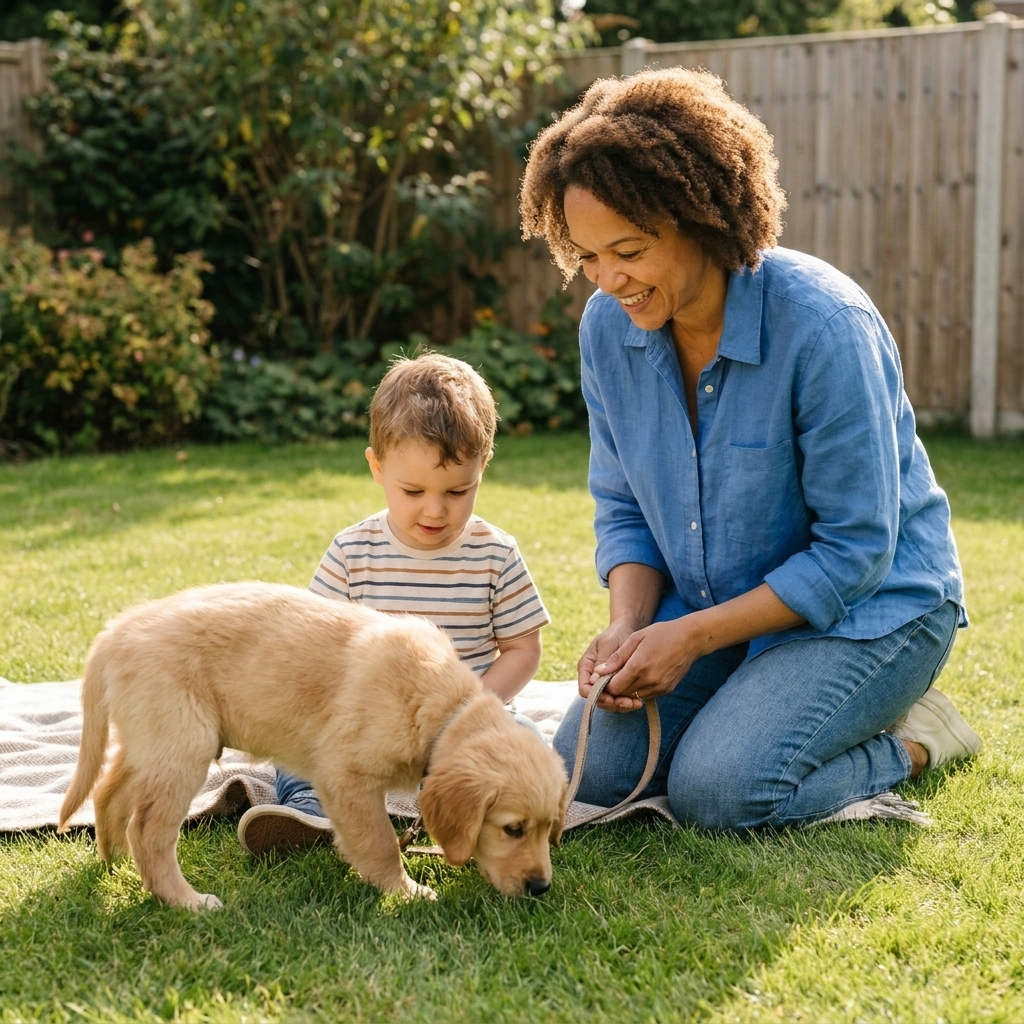
Socializing with other dogs
I love friendly dog greetings, but I love them even more when they're intentional.
Pick the right role models
- Calm, vaccinated, healthy adult dogs
- Dogs who can disengage and don't body-slam puppies
- Owners who will step in if play gets too intense
Skip these for now
- Dog parks (too unpredictable for most puppies)
- On-leash greetings with unknown dogs
- Playdates with rude adolescent dogs who ignore puppy signals
Signs play is healthy
- Lots of breaks and “bounce away, come back” moments
- Loose bodies, wiggly movement
- Role reversal (chaser becomes chased)
When to interrupt
- One puppy constantly pinned or trying to escape
- Hard staring, stiff bodies, raised hackles
- Relentless mounting or neck biting
When in doubt, call a brief break, scatter treats in the grass, and restart only if both dogs re-engage happily.
When to get help
Some bumps are normal, but don't wait if you see bigger red flags. Get support early if your puppy:
- Regularly shuts down outside and won't take food, even with lots of distance
- Shows escalating snarling, snapping, or bites
- Panics when left alone, such as distress vocalizing, frantic scratching, drooling, or inability to settle
- Suddenly becomes irritable about handling (pain can look like “behavior”)
Start with your veterinarian to rule out medical issues, then consider a force-free professional such as a CPDT-KA trainer or an IAABC behavior consultant. If aggression is severe or fear is intense, ask about a veterinary behaviorist.
Troubleshooting
“My puppy is scared of everything.”
Go smaller. Add distance. Use better treats. Socialize from your car, from your arms, or from behind a baby gate. Pair scary things with calm, predictable rewards. A fearful puppy improves with many easy wins, not one big challenge.
“My puppy barks at people or dogs.”
That's information, not a moral failing. Barking often means “too close.” Step back until your puppy can take treats and look away. Reward noticing quietly. If barking is intense or escalating, loop in a reward-based trainer early. The sooner, the easier.
“My puppy wants to greet everyone.”
Friendly frustration can turn into reactivity if it's rehearsed. Practice being “boringly calm” near people and dogs: treat for eye contact, treat for walking past, treat for sitting. Your puppy can still be social, just not with every single being they see.
“We missed the early weeks. Is it too late?”
No. Early socialization helps, but learning continues throughout life. You may need to move more slowly and be more systematic, and professional support can speed things up. Start where your dog is today and build positive experiences from there.
Daily minimum plan
If life is chaotic, this is the smallest routine that still makes progress:
- 1 handling rep (ears, paws, mouth, or brush) with treats, under 1 minute
- 1 new sight or sound with enough distance for your puppy to stay relaxed, under 5 minutes
- 1 life skill (crate chew, settle on mat, or 30 seconds alone time)
Consistency beats intensity. Your puppy doesn't need a jam-packed schedule to become a confident adult.
FAQ
Should I let strangers pick up my puppy?
Usually, no. Many puppies tolerate it but don't enjoy it, and it may contribute to handling sensitivity later. If you do need to pick your puppy up (safety situations), practice at home with treats so it's a happy skill.
How many new things should my puppy experience each day?
For most puppies, one to three small exposures per day is plenty, especially early on. If your puppy is extra bold, you can do more. If your puppy is cautious, aim for fewer and easier.
Is puppy class worth it?
Often, yes, if it's run by a credentialed, force-free trainer and has solid hygiene and vaccine policies. A great puppy class teaches skills, builds confidence, and helps prevent problem behaviors before they start.
What if my puppy had one bad scare?
It happens. After a scare, spend the next few days doing easier, confidence-building exposures and avoid repeating the same situation at the same intensity. If your puppy's fear persists, a trainer can help you build a gentle plan.
Closing encouragement
Socialization isn't a race. It's a relationship-building project. You're teaching your puppy, over and over, that you'll keep them safe, listen to their signals, and help them navigate the world. That's how confident dogs are made.
If you want a single mantra to carry through these first 16 weeks, it's this: slow is smooth, and smooth is confident.