A comprehensive, safety-first puppy socialization guide with a printable-style checklist: people, dogs, environments, handling, sounds, and confidence-buildi...
Puppy teeth are tiny, sharp, and somehow always aimed directly at our hands, ankles, shoelaces, and sleeves. I remember bringing home my own young dog and thinking, How can something so cute be so committed to chomping me. When I worked as a vet tech, puppy nipping was one of the most common “Is this normal?” questions we got, because it feels personal. It isn’t personal. It is puppy development.
The good news is that you can absolutely teach a puppy to have a soft mouth and to choose toys over skin. The even better news is that you do not have to yell, pin them, or “alpha” them to get there. You just need clear feedback, consistent routines, and a realistic understanding of why puppies bite in the first place.
Why puppies bite and mouth
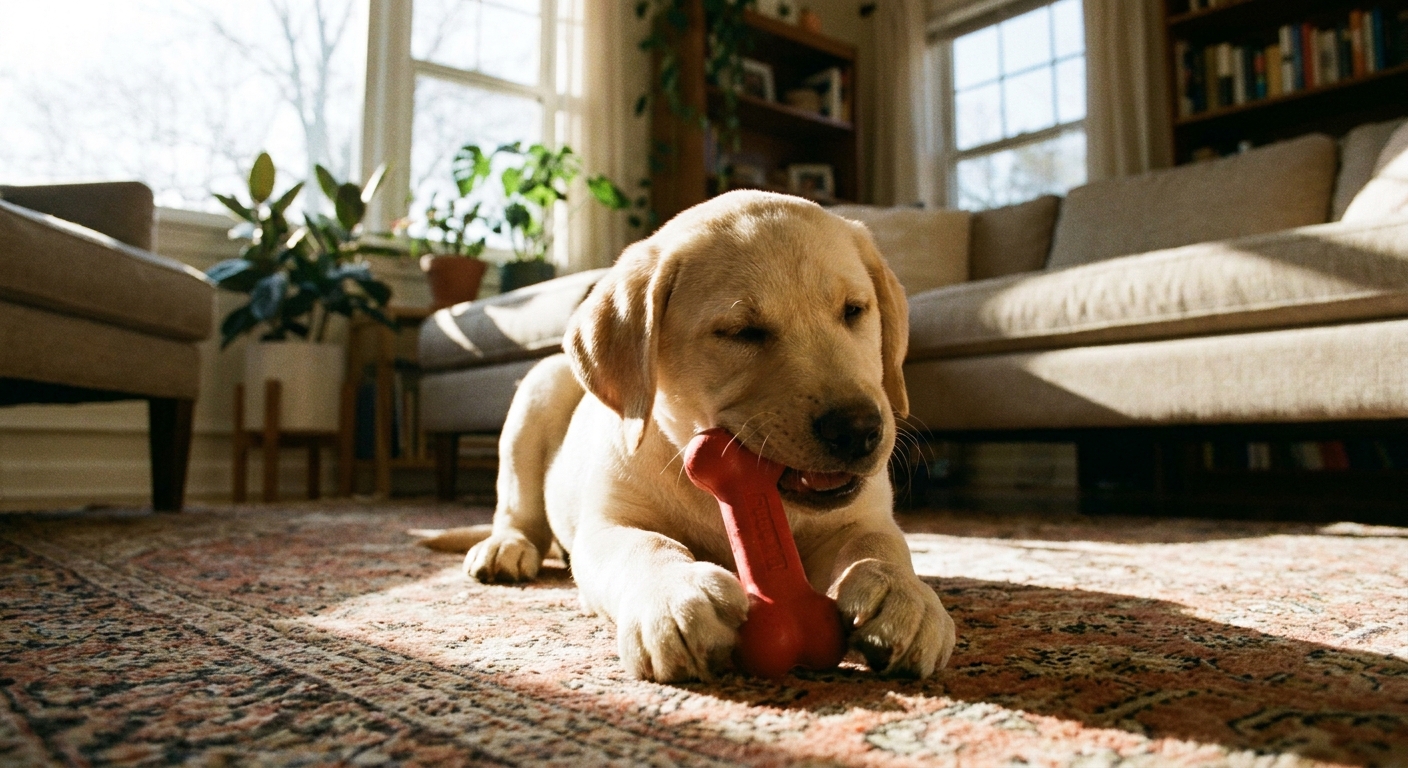
Mouthing is normal puppy behavior. Puppies explore the world with their mouths the way human babies use their hands. Add in razor-sharp baby teeth, and it gets intense fast.
- Play and social learning: Puppies practice play skills with littermates. When one bites too hard, the game stops. That feedback is how they learn “gentle.”
- Teething discomfort: Many puppies start losing baby teeth around 12 to 16 weeks, and most adult teeth are in by about 6 months (sometimes closer to 7). Chewing can ramp up before and after that window too.
- Overstimulation and poor impulse control: Puppies do not come with a built-in off switch. When excitement rises, teeth often follow.
- Attention-seeking: If biting reliably makes you squeal, move, chase, or talk, it can become a very effective puppy strategy.
- Overtiredness: Many “landshark” episodes are actually a puppy who needed a nap 20 minutes ago.
Your goal is not to punish mouthing out of existence overnight. Your goal is to teach bite inhibition (soft mouth) and then teach alternatives (toys, chews, calm behaviors) until mouthing fades with maturity.
Normal mouthing vs. a red flag
Most puppy mouthing is wiggly, bouncy, and happens during play. The puppy’s body looks loose, and they switch easily between toys, hands, and anything else in reach. That is annoying, but normal.
Signs it may be fear, pain, or something else
Call your veterinarian or a qualified trainer sooner rather than later if you notice:
- Stiff body, hard stare, or freezing right before the bite
- Growling that seems defensive, not playful, especially if your puppy is backing away
- Biting when touched in a specific area, or sudden new sensitivity to handling
- Yelping, limping, drooling, pawing at the mouth, or refusing food (possible dental pain, oral injury, or GI upset)
- Repeated bites that break skin or escalation despite management
- “Jekyll and Hyde” changes in behavior that feel out of character
If your gut says “this is not just puppy stuff,” listen to that instinct. It is always okay to ask for help.
Start here: manage the environment
Training is hard when your puppy is practicing biting dozens of times a day. Simple management reduces rehearsal and gives you more calm moments to reward.
- Have toys in every room. A couple of tug toys, a soft fetch toy, and a chew option within reach makes redirection easy.
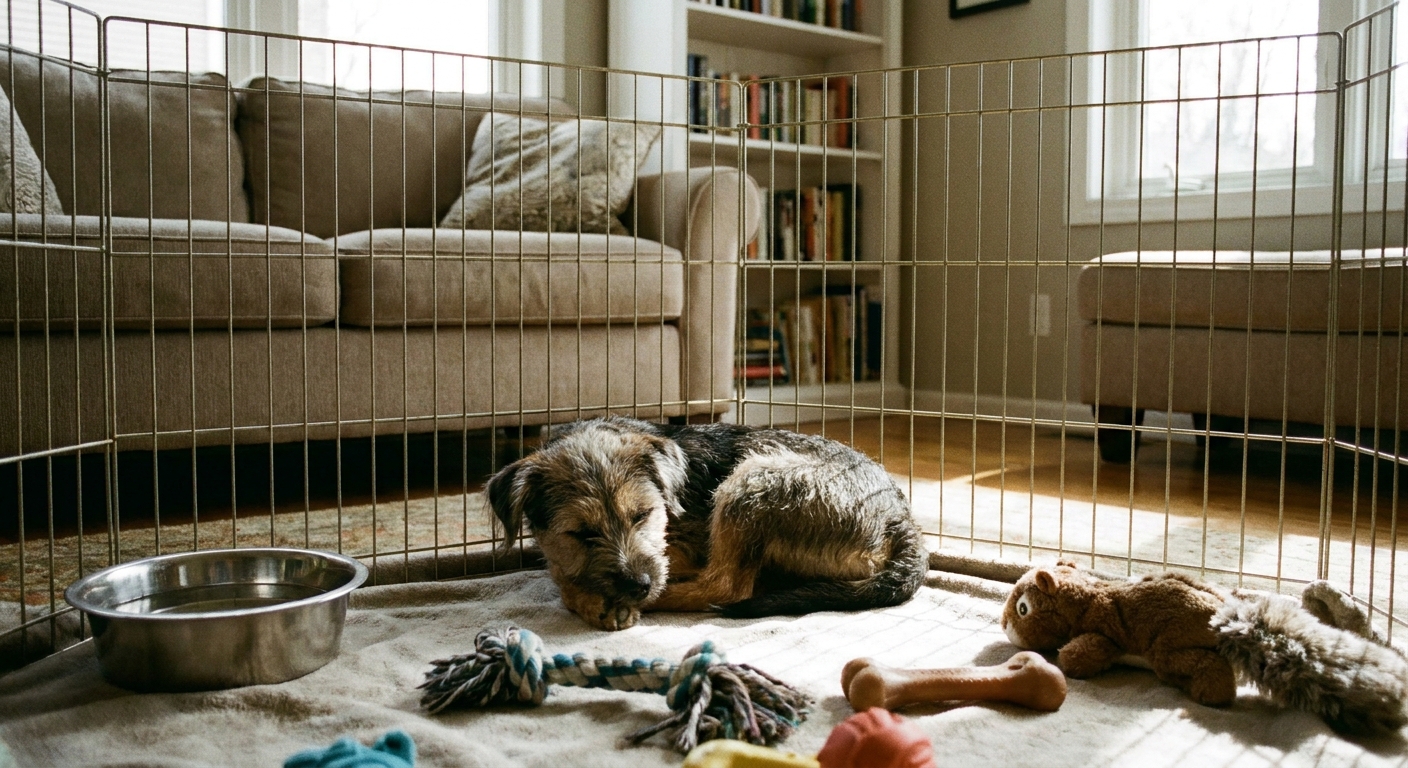
- Use puppy gates or an exercise pen. This creates safe breaks for you and prevents ankle attacks during busy times.
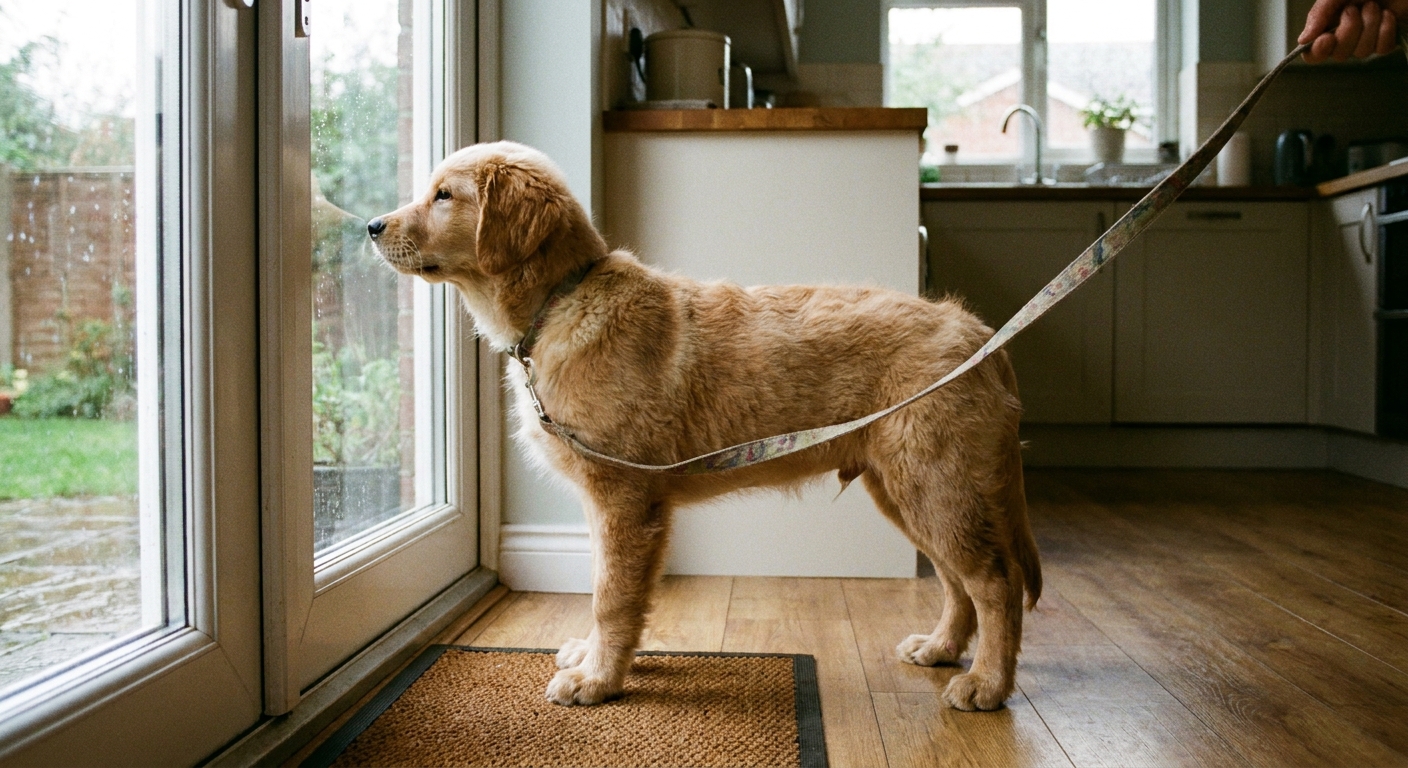
- Keep a leash or house line on (supervised). A lightweight leash in the house can help you guide a puppy away without grabbing their collar and triggering more mouthing.
- Plan legal chewing. Appropriate chews and food puzzles meet the need that biting is trying to satisfy. Choose puppy-safe options, supervise chewing, and skip items that are hard enough to crack teeth (for many dogs, that includes antlers and weight-bearing bones).
Teach bite inhibition
Bite inhibition is your puppy learning to control jaw pressure. This matters even if your adult dog will never put their mouth on people, because life happens. A startled dog, a painful ear infection, or an accidental tail step is safer when the dog has learned a soft mouth.
Step 1: mark the moment it hurts
If your puppy bites too hard, give a brief, neutral feedback cue such as “ouch” or “too bad.” Keep it calm. High-pitched squealing can rev some puppies up.
Step 2: immediately stop the fun
Remove attention for 5 to 15 seconds. That can look like:
- Hands up and still, eyes away
- Stand up and turn your back
- Quietly step behind a baby gate
What you are teaching is simple: hard teeth make play stop.
Step 3: restart gently
When your puppy is calm, resume play. If they bite hard again, the game stops again. Consistency is what makes it click.
Important: If your puppy gets more amped when you say “ouch,” skip the sound and go straight to calmly removing attention. The consequence is what matters.
Redirect to a toy
Redirection is essential, but the timing matters. If your puppy bites your hand and you instantly produce a toy like a magic trick, some puppies learn: bite hand, toy appears.
How to redirect the smart way
- Be proactive: Start play by offering a toy first, especially during witching-hour times, like early evening, after daycare, or that after-dinner burst of energy.
- Pause, then present: If teeth hit skin, stop moving for a beat, then offer the toy once your puppy releases or you can calmly disengage.
- Reward the choice: When your puppy chooses the toy, praise and keep the game going.
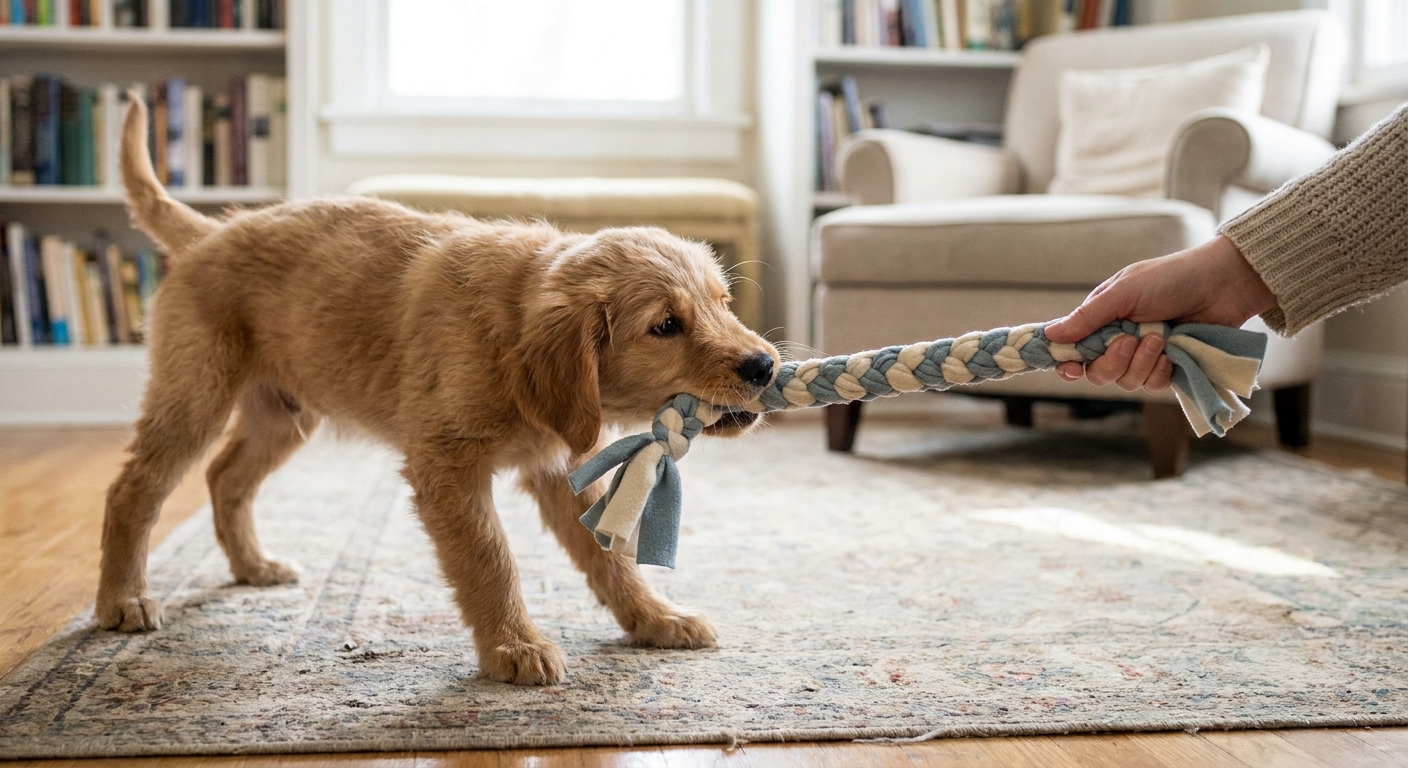
Tug is fine if your puppy can keep teeth on the toy. If tug turns into “miss the toy, nail your hand,” switch to a longer toy (like a fleece tug) or a calmer chew activity.
Use naps as a tool
One of the biggest puppy-biting breakthroughs I see with families is realizing the puppy is not being “bad.” They are overtired.
Overtired puppies often:
- Get zoomy and wild-eyed
- Ignore cues they knew five minutes ago
- Chomp hands and clothing like they cannot help it
- Grab at pant legs when you walk away
A nap routine that works
Most young puppies need lots of sleep, often 18 to 20 hours in a day (some need a little less, some more). Try a rhythm like 45 to 60 minutes up, then 1 to 2 hours down, adjusting for age and energy.
When biting spirals, try this sequence:
- Potty break
- Offer a chew or stuffed food toy
- Place puppy in crate or pen for a nap
If your puppy falls asleep quickly, you just found the missing piece.
In the moment checklist
When teeth touch skin, you want a default plan you can follow even when you are tired.
- If it is gentle mouthing: Redirect to a toy and praise.
- If it hurts: Calm “too bad,” play stops, remove attention briefly.
- If it escalates: End the interaction and guide puppy to a nap or quiet chew in a pen or crate.
- If puppy is jumping and grabbing clothes: Stand still, protect your hands, and step behind a gate if needed.
The biggest mistake I see is staying in the chaos too long. If you have repeated hard bites in a short window, your puppy is telling you they cannot handle that level of excitement right now.
Long term, you are aiming for a puppy who has default behaviors that replace mouthing, like sitting for greetings, targeting your hand with their nose, or settling on a mat while life happens.
Puppy biting and kids
Puppies and kids can be a tough combo, because both are wiggly, loud, and still learning self-control. If you have children in the home, management matters as much as training.
- Supervise 100%. If you cannot actively watch, separate with a gate, pen, or crate.
- Skip floor play for now. Sitting on the floor with a mouthy puppy is basically a bite invitation.
- Teach “boring tree.” If the puppy mouths, kids stand still, arms tucked, eyes away, and an adult steps in to redirect.
- Protect peak times. During witching hour or post-school excitement, keep puppy behind a barrier with a chew or stuffed food toy.
This is not about blaming kids or puppies. It is about preventing bites while your puppy’s brain catches up to their enthusiasm.
Nipping at visitors
Puppies often bite visitors because new people are exciting, unpredictable, and smell interesting. Also, visitors tend to wave hands, squeal, and move quickly, which can trigger play-chasing and mouthy greetings.
Before guests arrive
- Exercise first, then rest. A short play session and a nap beats an overhyped puppy meeting guests.
- Stage toys at the door. Put a tug or chew within reach so you can redirect instantly.
- Use a barrier. A baby gate, pen, or leash gives you control while your puppy is learning.
During greetings
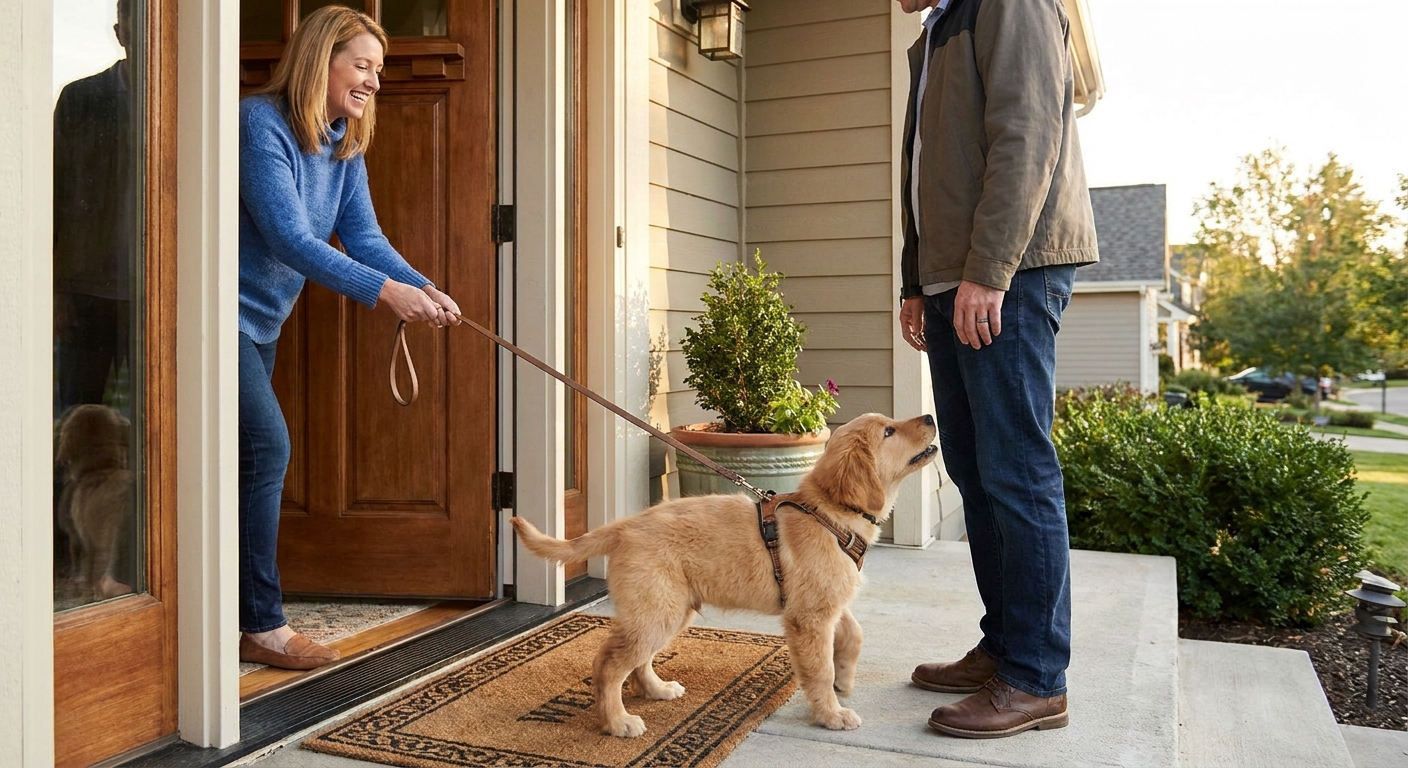
- Coach your guests: Ask them to stand still and keep hands close to their body until your puppy is calmer.
- Reinforce four paws on the floor. Toss treats to the ground for calm behavior, or reward a sit if your puppy can do it without exploding.
- End the interaction quickly if teeth appear. Calmly remove puppy behind a gate for 20 to 30 seconds, then try again.
If your puppy is consistently nipping guests despite management, consider meeting people after a nap, keeping greetings very short, and practicing calm “treat and retreat” sessions where guests toss treats without reaching toward the puppy.
Leash biting and grabbing
Leash biting is usually play, frustration, or overstimulation. It can also pop up when a puppy is tired or when the leash pressure feels confusing.
In the moment
- Freeze like a tree. Movement makes the leash more exciting.
- Hold the leash steady and low. Avoid yanking, which often escalates the game.
- Offer a toy or treat lure at your knee. When your puppy lets go, reward and keep moving.
If your puppy redirects from the leash to your hands, sleeves, or pant legs, calmly end the walk and reset behind a barrier, in the car, or back inside with a chew. Sometimes the safest move is simply “we are done for now.”
Prevent it on future walks
- Bring a dedicated “walk toy.” A small tug can give your puppy something appropriate to grab when excited.
- Keep early walks short. Many leash-bite episodes are “I’m done” signals.
- Practice indoors. Clip on the leash at home, reward calm, unclip. Make leash time boring.
If leash biting happens every walk, shorten the outing, build in sniff breaks, and consider a calmer route with fewer triggers until skills improve.
What not to do
These approaches can increase arousal, create fear, or teach your puppy that hands are scary. They also tend to make biting worse long-term.
- No hitting, muzzle-grabbing, or pinning. It risks escalating to defensive biting.
- No “hold their mouth shut.” It can create handling sensitivity around the face.
- No chili powder, hot sauce, or bitter sprays on skin. They can irritate skin and mouth tissue, and they can be risky if licked or ingested. Do not put deterrents on your body.
- Do not rely on constant “no.” Puppies learn faster when we show them what to do instead.
Clear consequences (play stops) plus clear alternatives (toys and chews) are effective and fair.
When to get help
Some puppies need extra support, and that is normal. The earlier you get help, the faster things improve.
Consider a force-free trainer if:
- Your puppy’s biting is frequent and intense despite consistent practice for 2 to 3 weeks
- Bites are leaving bruises or breaking skin
- You feel anxious handling your puppy
- Kids in the home are getting nipped often
See your veterinarian if:
- Biting is new and sudden, or paired with yelping or sensitivity
- Your puppy is pawing at the mouth, drooling, or not eating
- You suspect an injury or illness is making your puppy less tolerant
In my clinic days, we saw plenty of “behavior” visits that turned out to have a medical contributor. Pain changes behavior. Always.
FAQ
At what age do puppies stop biting?
Many puppies improve dramatically by 5 to 7 months as teething ends and impulse control grows, as long as they are consistently taught bite inhibition and appropriate outlets. Some mouthy breeds or very high-energy individuals may take longer, and adolescence can bring a temporary surge in rowdy behavior.
Should I yelp when my puppy bites?
Sometimes. For some puppies it helps mimic littermate feedback. For others it makes them more excited. If yelping increases biting, skip it and calmly remove attention instead.
My puppy bites when I pet them. Why?
Often it is playful overstimulation or a puppy who is learning that hands are fun. Keep petting short, redirect to a chew, and stop before your puppy gets revved up. You can also do a quick consent check: pet for 2 to 3 seconds, stop, and see if your puppy leans in for more. If they move away, get mouthy, or stiffen, they may be uncomfortable and need a break. If your puppy seems suddenly sensitive to touch or reactive, talk to your vet to rule out pain.
Is it okay to give my puppy a time-out?
Yes, if it is a calm reset, not a scary punishment. A brief break behind a baby gate or in a pen with a chew can help your puppy settle. If your puppy is repeatedly biting, a nap is often more effective than another round of training.