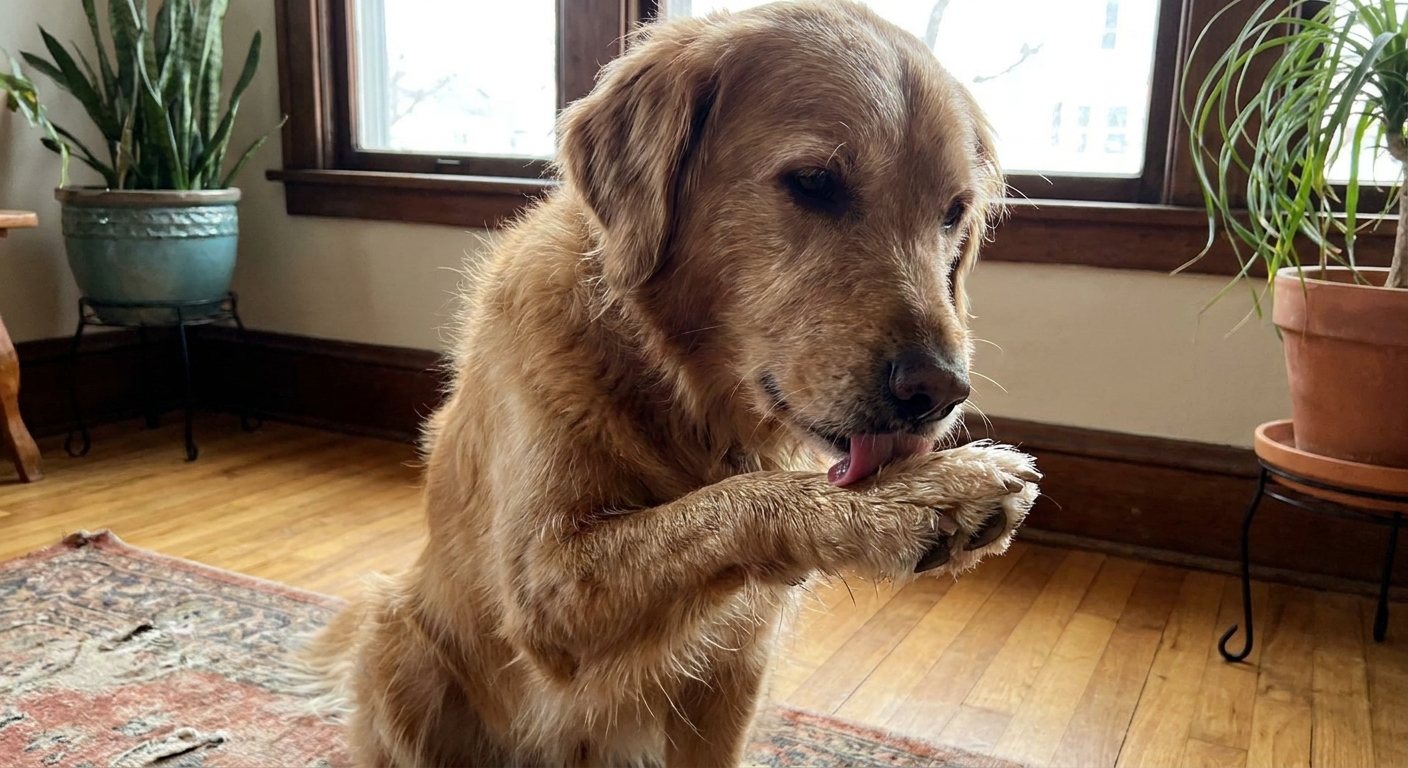
From allergies and infection to a thorn between the toes, here’s why paw licking happens, what you can safely check at home, and which signs need a vet visit.
Dog ears have a way of turning a tiny problem into a full-body drama. One day your pup is fine, the next they are shaking their head like they are trying to reboot their whole system.
As a former veterinary technician, I can tell you this with a lot of love: ear infections are common, uncomfortable, and very treatable, but they are also easy to accidentally make worse at home. Let’s walk through the signs, the usual causes, what you can safely do today, and when you need prescription help.
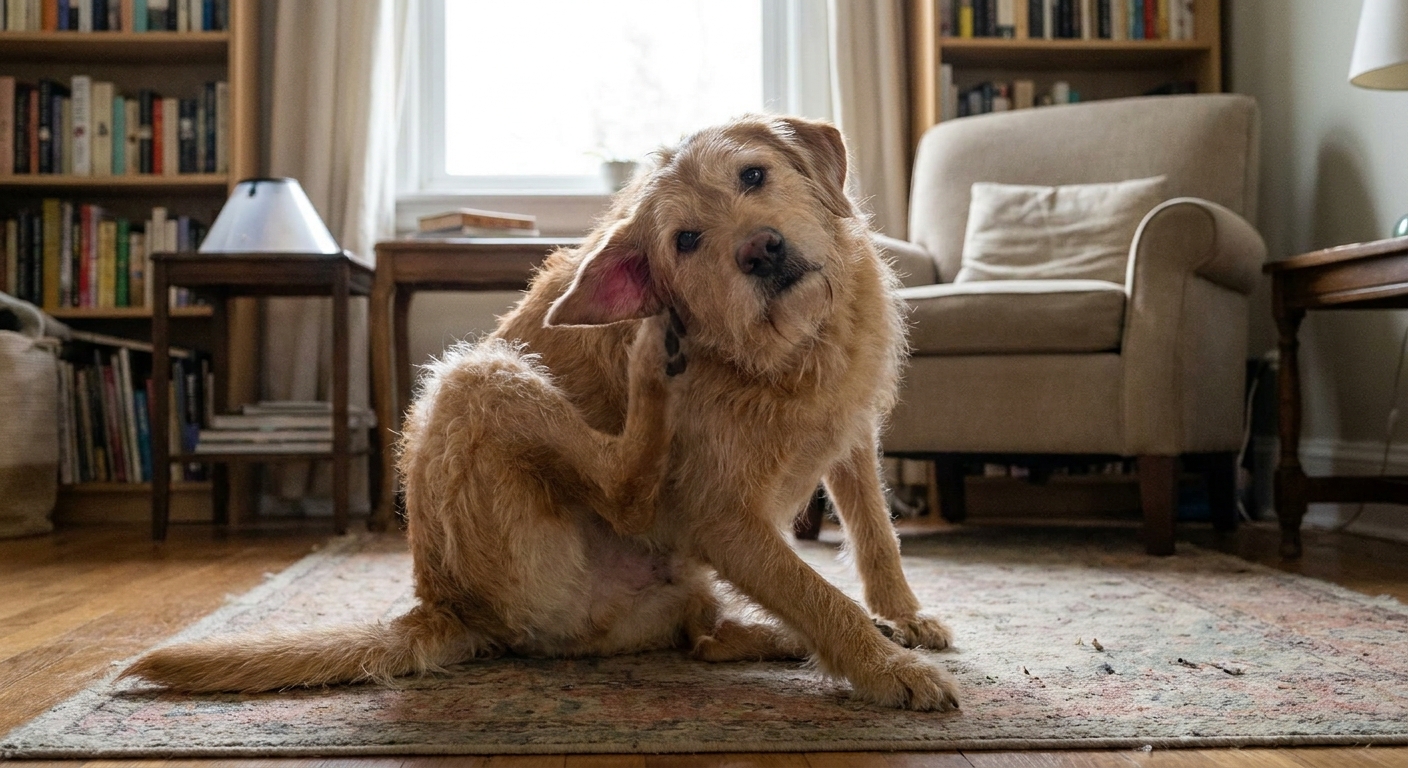
Signs your dog may have an ear infection
Most canine ear infections involve the outer ear canal (otitis externa). They often start with irritation and itch, then progress to inflammation, discharge, and pain. Some dogs show obvious symptoms early, while others quietly tolerate discomfort until it becomes severe.
Common symptoms
- Head shaking, especially repeated shaking or after you touch the ear
- Scratching at one ear or rubbing the side of the face on furniture or carpet
- Odor from the ear, often described as yeasty, sweet, or just “off”
- Redness and swelling inside the ear flap or down in the ear canal
- Dark discharge that can look brown, black, or waxy
- Pain when the ear is touched, pulling away, yelping, or becoming suddenly head-shy
- Crusts or scabs on the ear flap from scratching
- Hair loss around the ear or cheek from rubbing
- Head tilt or seeming “off balance” in more serious cases
If your dog has a head tilt, stumbling, rapid eye movements, vomiting, or seems disoriented, treat that as urgent. Those signs can suggest a deeper infection or inner ear involvement.
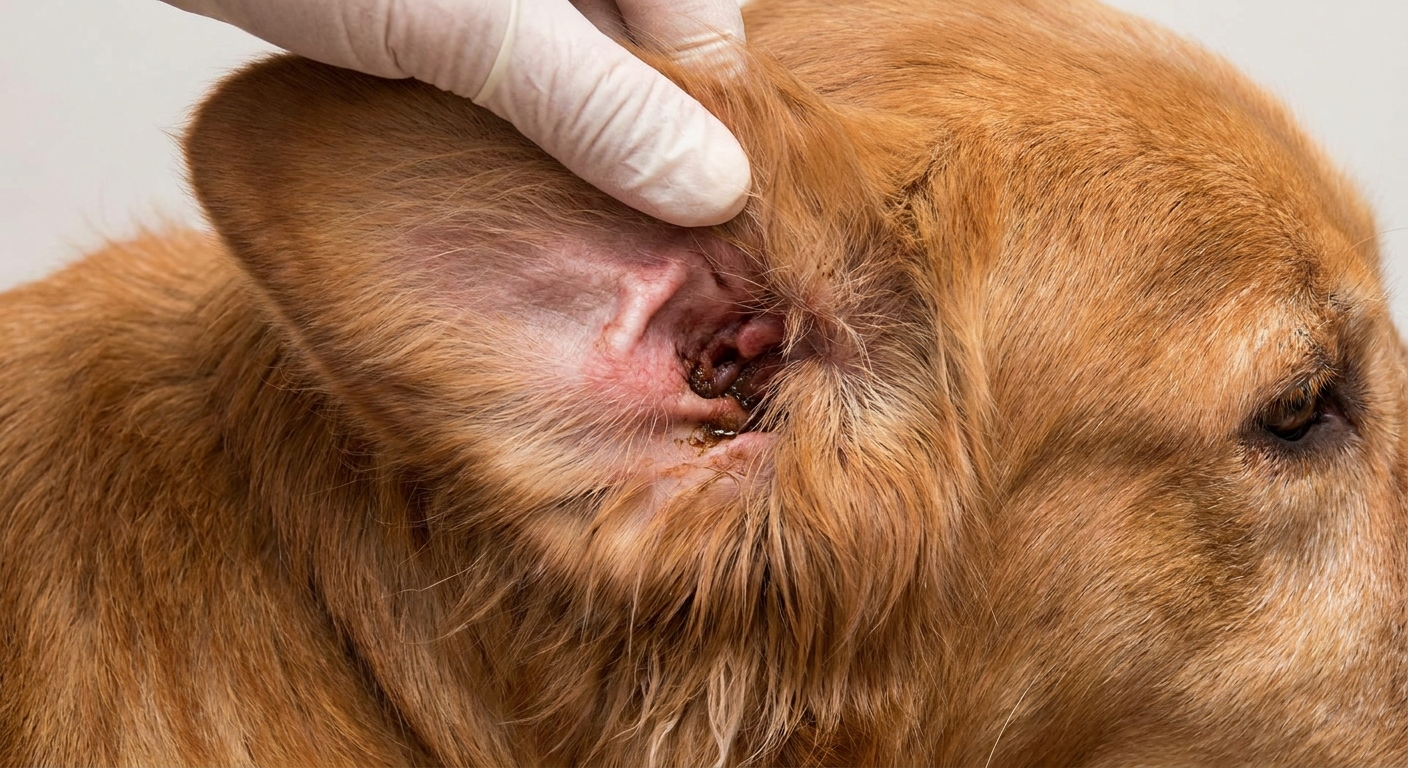
What causes dog ear infections?
Most ear infections are not random. Something sets the stage, then microbes overgrow in the warm, dark environment of the ear canal.
Infections may involve yeast, bacteria, or both. Ear mites can also be the primary problem, especially in puppies and in multi-pet households.
The usual culprits
- Allergies: Environmental allergies and food sensitivities are among the most common underlying reasons dogs get recurring ear infections. You treat the ear, it improves, then it comes right back because the skin is still inflamed.
- Moisture: Swimming, frequent baths, or water trapped after a rainy walk can increase risk. Moisture changes the ear environment and can fuel yeast and bacterial growth.
- Ear mites: These tiny parasites can cause intense itching and dark, coffee-ground debris. Dogs can get them, but cats are frequent carriers, so the whole household matters.
- Floppy ears and hairy ear canals: Dogs with drop ears or lots of ear canal hair may have reduced airflow, which can trap humidity and debris.
- Foreign material: Grass awns, foxtails, plant bits, or excessive wax can irritate the canal and set up inflammation.
- Skin conditions: Seborrhea and other chronic skin issues often include the ears.
- Other medical issues: In chronic or recurrent cases, your vet may also look for contributing problems like hypothyroidism or other conditions that affect skin and immunity.
One important note from the clinic: when an infection keeps returning, the goal is not just “stronger drops.” It’s identifying the why so your dog stops cycling through flare-ups.
How to help at home (safely)
You can provide comfort and support at home, especially if your dog is mildly itchy and you are not seeing significant pain, swelling, or heavy discharge. The safest at-home step is gentle cleaning with the right product.
One more safety reminder before you start: if your dog seems intensely painful, you see blood, the ear is very swollen, or your dog has any balance or eye movement changes, pause the home care. Those situations raise concern for a deeper problem or a compromised eardrum, and only a vet can safely check that.
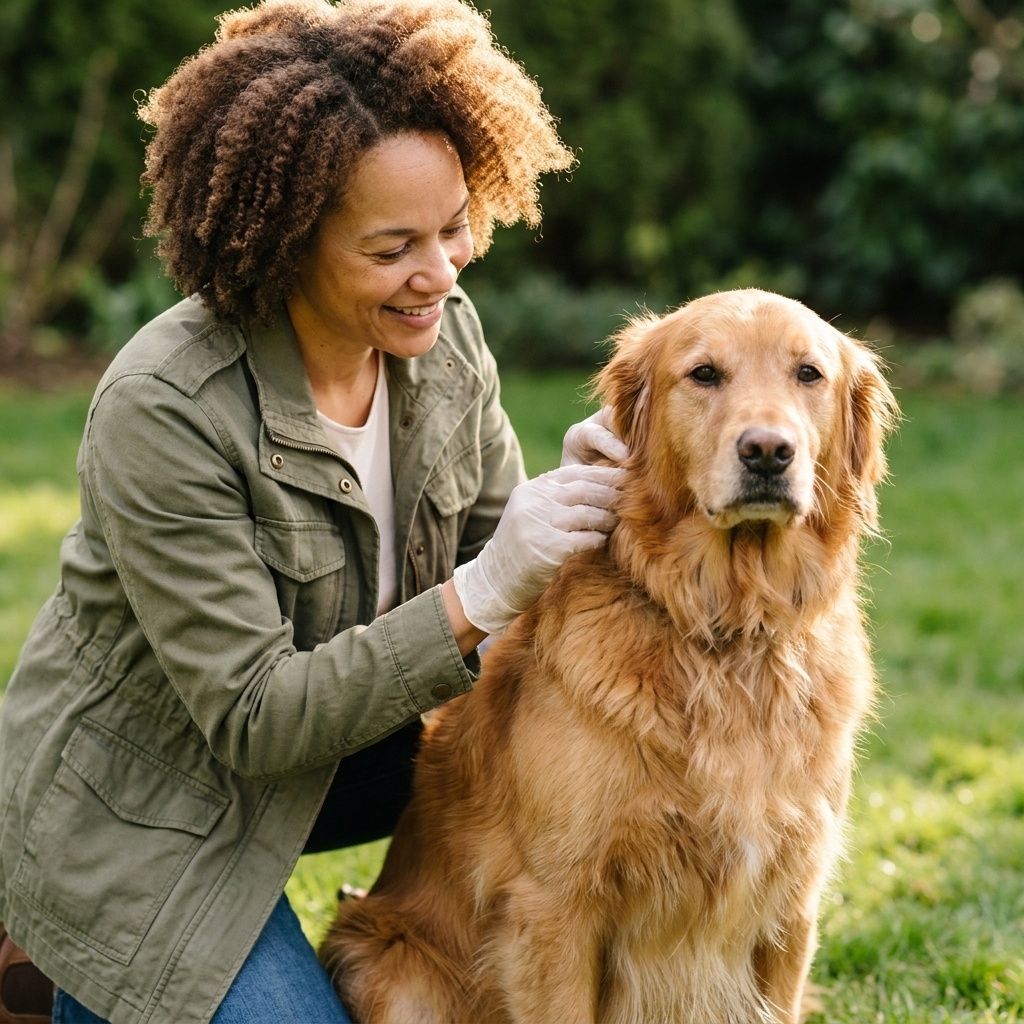
Safe home ear cleaning: step by step
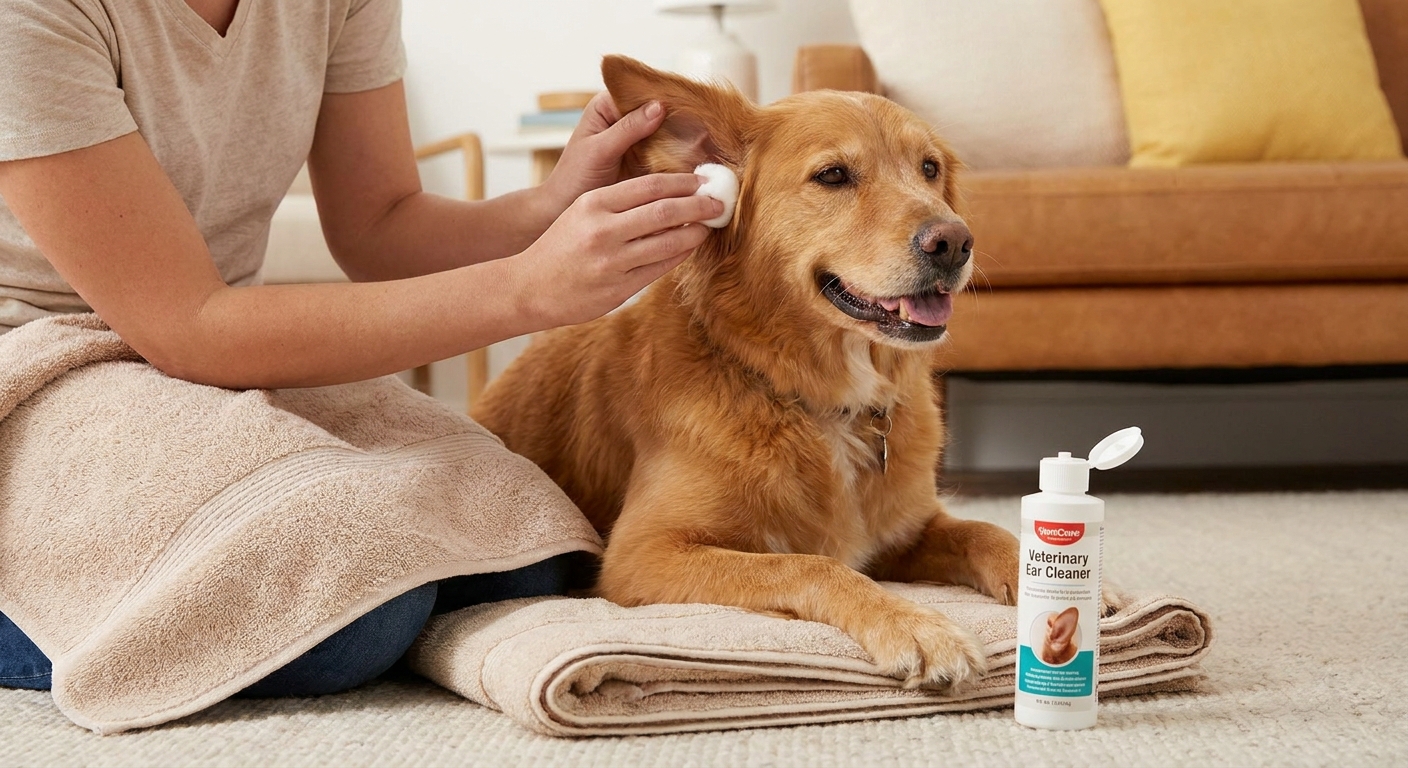
- Choose a vet-approved ear cleaner made for dogs. If your dog is infection-prone, your veterinarian can recommend the best type for yeast-prone vs waxy ears.
- Gather supplies: ear cleaner, cotton balls or gauze squares, and a towel. Expect a shake-fest.
- Lift the ear flap and look. If you see heavy swelling, bleeding, pus, or your dog flinches hard, stop and call your vet.
- Fill the canal with cleaner. Do not just dab the opening. Follow the label directions for amount.
- Massage the base of the ear for 20 to 30 seconds. You should hear a squishy sound as the cleaner loosens debris.
- Let your dog shake. This helps bring debris up and out.
- Wipe only what you can see using cotton balls or gauze. Clean the folds of the ear flap and the visible part of the canal opening.
- Repeat on the other ear if needed, using fresh cotton or gauze.
A good rule: clean ears, do not dig ears. If you cannot see it, you should not be trying to reach it.
Also, more is not always better. Over-cleaning can irritate the ear canal. Unless your vet tells you otherwise, avoid cleaning multiple times a day or “scrubbing until it’s perfect.”
What not to put in your dog’s ear
This is where I saw the most well-intentioned mistakes in the exam room. Avoid anything that can burn inflamed tissue, trap moisture, or complicate treatment.
- No hydrogen peroxide: It can be irritating and damaging to already inflamed ear tissue.
- No rubbing alcohol: Painful, drying, and can worsen inflammation.
- No DIY vinegar mixtures unless your veterinarian specifically directs you: Some vets do use acidifying ear products, but the safest choice is a commercial formula made for ears, not a kitchen concoction.
- No essential oils: Many are irritating or toxic to pets, and dosing is unreliable.
- No coconut oil, olive oil, or other oils: Oils can trap moisture and debris and make it harder for medications to contact the ear canal properly.
- No Q-tips into the ear canal: They can pack debris deeper and risk injury to the canal or eardrum.
- No leftover ear meds from a previous infection: The “same symptoms” can have a different cause, and some meds are unsafe if the eardrum is compromised.
Comfort measures that are usually fine
- Prevent scratching: Use an e-collar if your dog is injuring the ear flap with nails.
- Keep ears dry: Skip swimming and postpone baths until you have a plan.
- Gentle cleaning if your dog tolerates it and there is no severe pain
When you need a vet exam and prescription drops
If ears could talk, most would ask for prescription help sooner than pet parents expect. The ear canal is deep, infections can change quickly, and the correct medication depends on what is actually going on in there.
Make a vet appointment if you notice
- Strong odor that persists after gentle cleaning
- Brown, black, yellow, or green discharge
- Redness and swelling, especially if the canal looks narrowed
- Pain when the ear is touched or your dog won’t let you look
- Frequent or intense head shaking, especially if it is paired with odor, discharge, redness, or pain
- Recurrent infections or ongoing itchy skin, licking paws, or seasonal flare-ups (allergy clues)
- Any neurologic signs like head tilt, loss of balance, vomiting, or unusual eye movements
At the clinic, a thorough ear exam plus ear cytology (looking at debris under a microscope) is a standard first step for otitis externa. It helps determine if yeast, bacteria, or both are involved and guides which drops are most likely to work.
If infections are recurrent, severe, or not responding as expected, your veterinarian may recommend a culture and sensitivity test as well. That is especially common when certain bacteria are suspected and a more targeted plan is needed.
Why prescription treatment matters
Ear meds are not one-size-fits-all. Many prescription drops include a combination of:
- Antibiotic for bacteria
- Antifungal for yeast
- Anti-inflammatory steroid to reduce swelling and pain
If the ear is too swollen, your vet may also recommend oral medication or a different approach to get inflammation under control. In chronic cases, they may discuss allergy testing, diet trials, endocrine screening, or long-term maintenance cleaning to prevent repeat infections.
Preventing future ear infections
Some dogs are simply “ear infection prone,” but most can do much better with a consistent, realistic routine.
Practical prevention tips
- Dry ears after swimming or baths using a towel on the ear flap and around the opening. Avoid pushing anything down into the canal.
- Use ear cleaner as directed by your veterinarian, especially during allergy seasons. More frequent is not always better.
- Address allergies: If your dog frequently has itchy paws, red skin, or recurring ear issues, ask your vet about an allergy plan.
- Keep hair and debris managed: Some dogs benefit from careful grooming around the ear opening. Do not pluck ear hair unless your veterinarian recommends it.
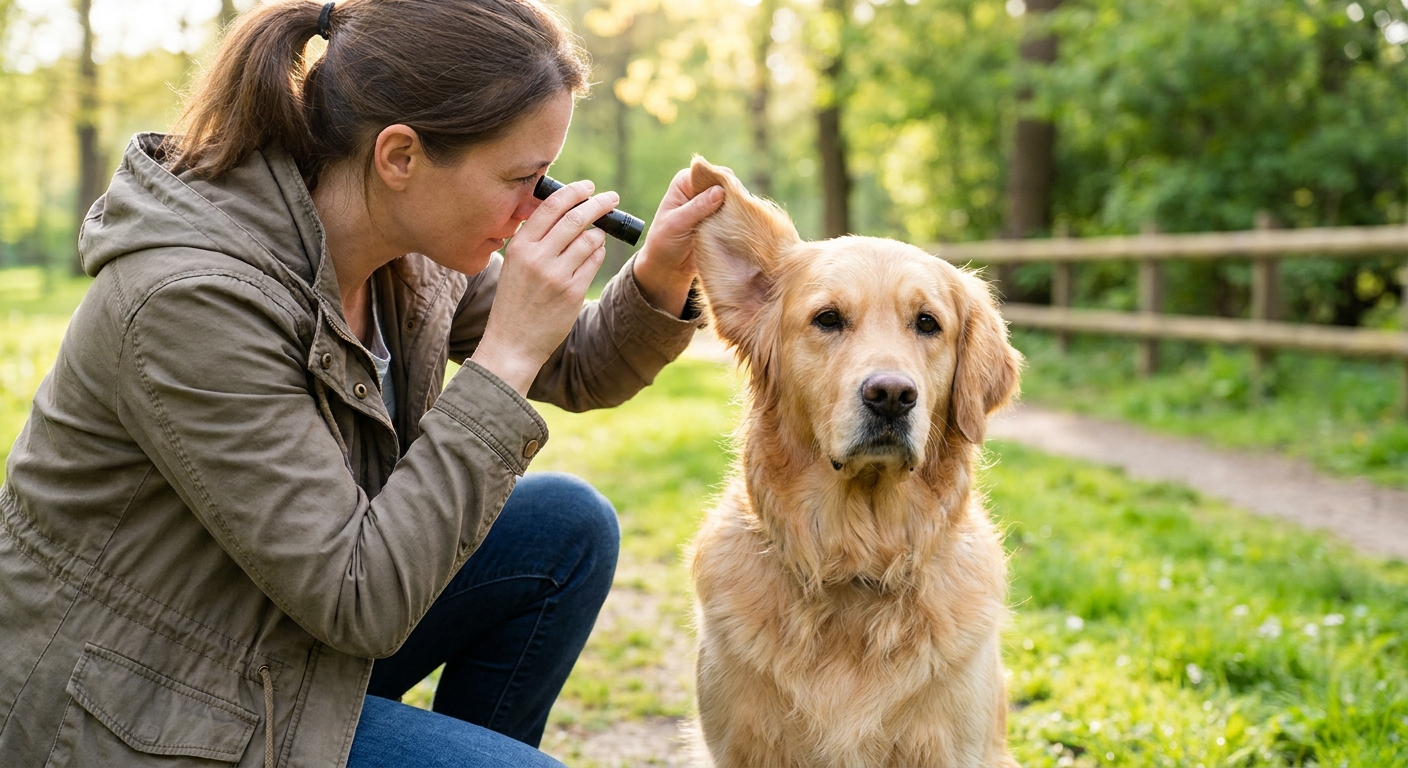
- Do quick weekly check-ins: A healthy ear usually looks pale pink, smells neutral, and has minimal wax.
FAQ
Can a dog ear infection heal on its own?
Mild irritation might improve if the trigger is removed, but true infections usually persist or worsen without the right treatment. If you see odor, discharge, or pain, it is unlikely to resolve on its own.
Is it okay to clean my dog’s ears if they are infected?
Gentle cleaning with a dog-specific ear cleaner can help, but stop if your dog seems painful, the ear looks very swollen, there is blood, or there is significant discharge. In those cases, a vet exam is safer because the ear canal can be too tender and the eardrum needs to be assessed.
What does yeast look like in a dog’s ear?
Yeast infections often come with a strong, musty odor and brown or dark waxy debris. That said, bacteria can look similar. Cytology at the vet is the best way to confirm.
Are ear mites the same as an ear infection?
Ear mites cause inflammation and debris and can lead to secondary infections. They are treated differently than yeast or bacterial infections, so correct diagnosis matters. If you have a cat at home, tell your vet since mites can spread between pets.
Is a dog ear infection contagious?
Most yeast and bacterial ear infections are not contagious in the way a cold is. Ear mites are the big exception, and they can spread between pets, which is why your vet may recommend treating other animals in the household.
How long does treatment take?
Many uncomplicated ear infections start feeling better within a few days of the correct medication, but treatment often lasts 7 to 14 days, sometimes longer. Stopping early is a common reason infections rebound.
The bottom line
If your dog is shaking their head, scratching, and you notice odor or dark discharge, trust your instincts. Ears are sensitive, and discomfort escalates fast.
You can help at home with gentle, appropriate cleaning and keeping the ears dry, but avoid DIY concoctions and anything that stings. And if there is pain, swelling, discharge, blood, neurologic signs, or repeat infections, a veterinary exam and prescription drops are often the kindest, quickest path to relief.