A practical, vet-tech-informed game plan for flea and tick control: consistent preventives, safer home tactics, yard management, and what to do if you spot a...
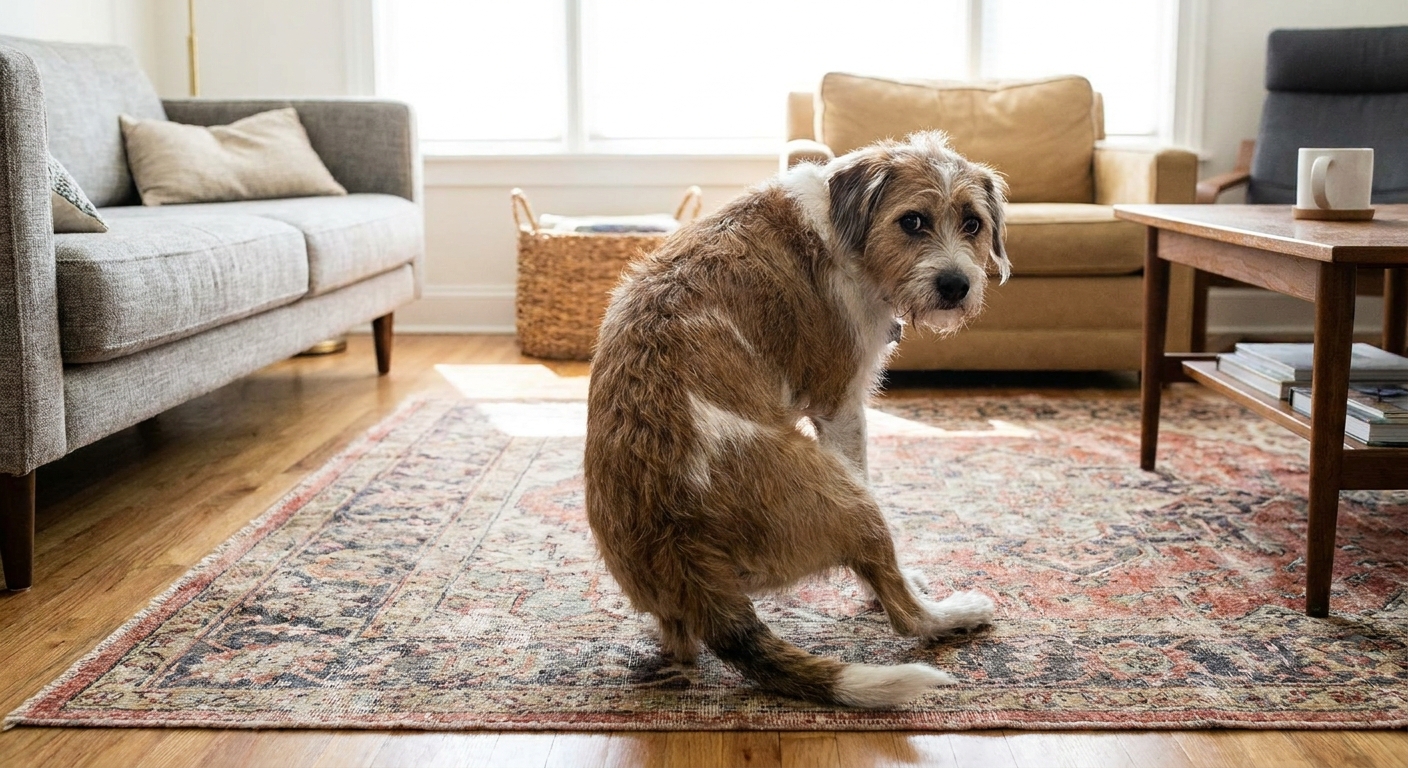
The first time I saw a dog scoot across a clinic lobby like they were trying to wipe their butt on the welcome mat, the owner looked absolutely mortified. I get it. It is awkward, it is a little funny, and it is also your dog telling you something feels wrong back there.
Most of the time, scooting comes down to one of a few things: anal glands that are full or irritated, intestinal parasites like tapeworms, irritated skin around the anus, or fur under the tail that is matted or dirty and pulling. The good news is that you can do a quick, safe check at home to gather clues. The important part is knowing what not to do, and which signs mean your dog should see a veterinarian promptly.
What scooting can mean
Scooting is a symptom, not a diagnosis. Dogs scoot because something near the anus feels itchy, irritated, painful, or like there is pressure or fullness, and dragging on the floor provides friction or pressure that temporarily changes the sensation.
Common causes include:
- Anal gland issues (full glands, impaction, inflammation, or infection)
- Intestinal worms (especially tapeworm segments causing itchiness)
- Irritated skin around the anus (chafing, minor inflammation, small wounds)
- Matted fur or stuck debris under the tail (dried stool, burrs, tangles that tug on skin)
- Allergies and dermatitis (environmental or food allergies can drive licking and irritation around the rear end)
Less commonly, scooting can happen with rectal or perianal problems (like foreign material stuck at the rectum or perianal area) or pain in the hips or lower back that changes how a dog sits. Those situations are more likely to come with obvious discomfort, swelling, or an abnormal gait.
Anal glands 101
Dogs have two anal sacs, often called anal glands, positioned roughly at the 4 o’clock and 8 o’clock locations beside the anus. They often empty a small amount of smelly fluid when a dog passes stool, and they may also leak a bit with fear or stress. Some dogs do not empty them well, so the sacs can overfill, the material can thicken, or the tissue can become inflamed.
Signs it may be anal glands
- Scooting that happens repeatedly over days or weeks
- Sudden turning to lick or chew at the base of the tail or rear end
- A strong fishy odor that seems to come from the rear (some owners describe it as sharp or metallic)
- “Sitting funny” or popping up quickly after sitting
- Straining or seeming uncomfortable during bowel movements (sometimes)
Anal gland problems are also more common in some small breeds and in overweight dogs, although any dog can have them.
If a gland becomes impacted, the sac can get sore and swollen. If it progresses to infection or abscess, dogs can become very painful, and the area may look red, puffy, or even start draining.
Worms and scooting
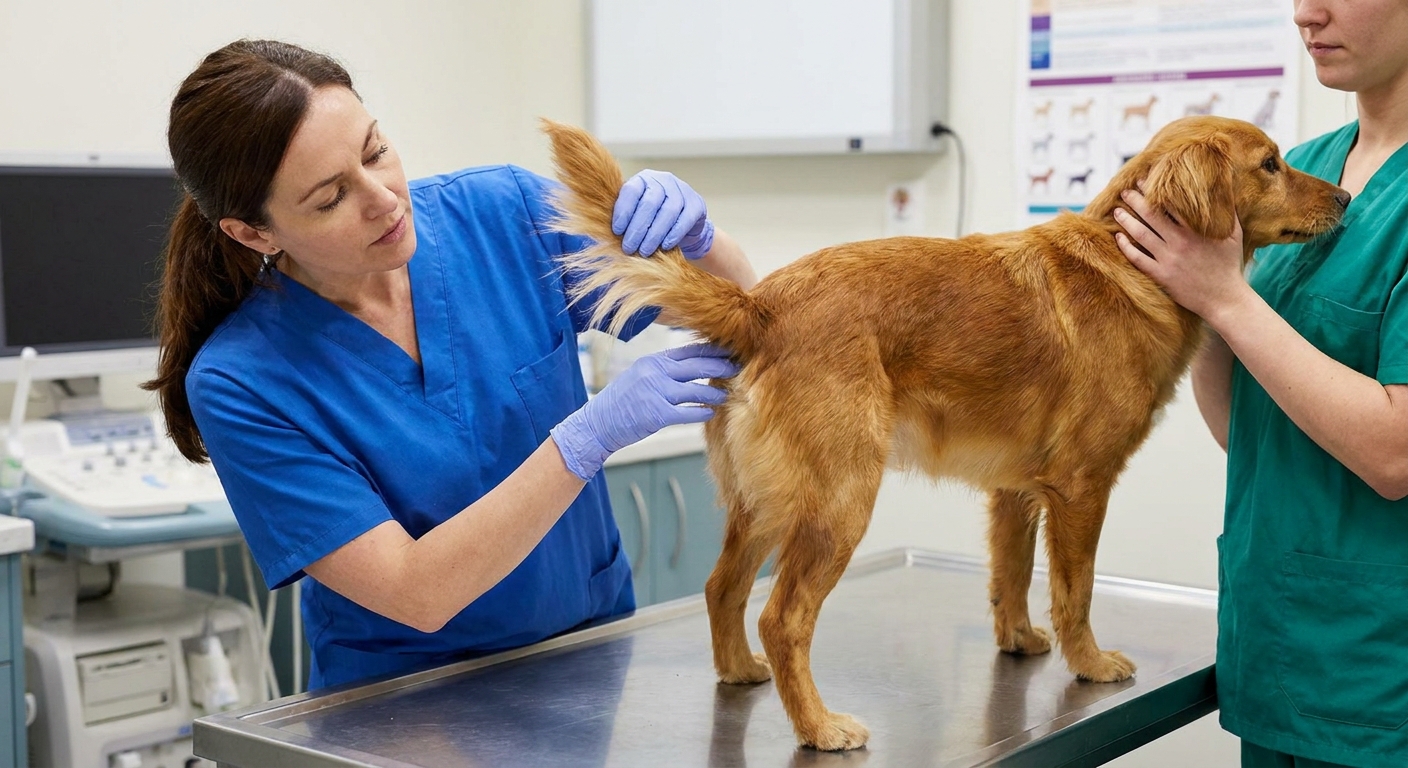
Intestinal parasites can also make dogs scoot, but the pattern tends to be a little different than classic anal gland discomfort.
Tapeworms
Tapeworm segments can irritate the anus as they pass. Pet parents often notice what looks like:
- Small white or pale yellow “rice grains” stuck to the fur under the tail
- Similar rice-like pieces in fresh stool or where your dog sleeps
Scooting from tapeworms may come and go, and some dogs also lick at their rear more than usual.
One practical note: the most common tapeworm in dogs (Dipylidium caninum) is frequently linked to fleas. If your dog has tapeworms, your vet will usually recommend tightening up flea control too, or the problem can keep coming back.
Other worms
Roundworms, hookworms, and whipworms more commonly cause digestive signs like soft stool, diarrhea, weight loss, or a pot-bellied look in puppies, but irritation can happen. Importantly, many parasites are not visible in stool, which is why a fecal test at your vet is so useful.
If your dog scoots even after a recent deworming, do not assume you are in the clear. The medication might not cover all parasites, the dose might not have been correct for current weight, or a follow-up dose might be needed. A vet-guided fecal test is one of the quickest ways to get clarity.
Skin irritation and debris
Sometimes scooting is as simple as physical irritation.
Common irritants
- Matted fur under the tail pulling on skin, especially in long-coated dogs
- Dried stool stuck to the coat after a messy bowel movement
- Small cuts or abrasions from over-grooming or rubbing
- Moist, inflamed skin around the anus due to chronic licking (often tied to allergies)
If you have ever had a tiny hair splinter or a tight ponytail headache, you understand the feeling. Even mild traction on sensitive skin can make a dog desperate to rub.
Safe checks at home
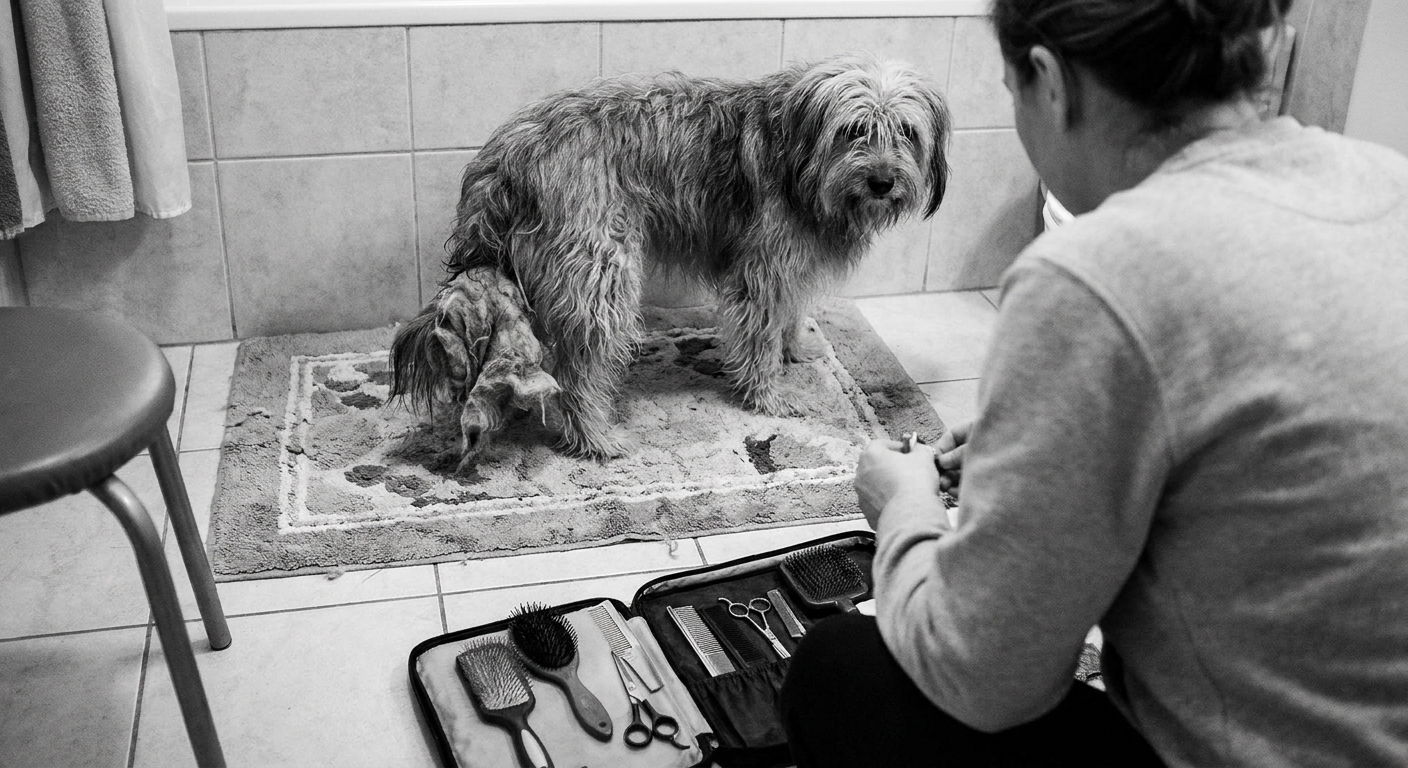
You do not need to be a veterinary professional to collect helpful information. You just want to keep it gentle, brief, and safe. Wash your hands afterward, and keep kids away from anything suspicious you find under the tail.
Step 1: Look, do not squeeze
Lift your dog’s tail and take a quick look at the skin around the anus.
- Is there redness or a rash?
- Any swelling on one side or both sides?
- Any blood, scabs, or wet discharge?
- Is fur matted or is there dried stool stuck?
Avoid trying to express anal glands at home unless your veterinarian has taught you exactly how for your dog. I have seen well-meaning attempts cause bruising or significantly worsen inflammation. If a gland is infected or abscessed, squeezing is painful, and forceful pressure can make injury and leakage worse.
Step 2: Check for “rice grains”
Look closely at the hair under the tail and around your dog’s sleeping spots for tapeworm segments. If you see them, call your vet and let them know what you found.
Step 3: Note poop details
You do not need to obsess, but take note of:
- Recent constipation or straining
- Soft stool that can contribute to anal glands not emptying well in some dogs
- Any mucus or blood
If you can, bring a fresh stool sample to your appointment in a clean container, especially if worms are on your list of concerns.
Clues by cause
Pet parents often ask me whether scooting is just “an itch” or something more. Here are patterns I see most often.
More like anal glands
- Scooting happens in clusters, like several times in a row
- Rear-end licking plus a strong fishy smell
- Discomfort when sitting, or suddenly jumping up
- Swelling near the anus, often more on one side
More like mild irritation
- Scooting happens after a messy poop or a bath, then stops
- You find dried stool, tangles, or debris and once cleaned up, the behavior improves
- No swelling, no smell, and your dog otherwise seems comfortable
More like worms
- Intermittent scooting plus visible “rice grain” segments
- Itching and licking without that classic anal gland odor
- Symptoms continue despite grooming and cleaning
These are not perfect categories, and dogs can have more than one issue at the same time. If you are unsure, a vet exam is the most direct route.
When to see the vet
Please call your veterinarian promptly if you notice any of the following:
- Bleeding from the anus or blood on the floor after scooting
- Swelling near the anus, especially if it is one-sided
- Pain when you lift the tail, touch the area, or when your dog sits
- Pus, foul discharge, or an open sore (possible abscess)
- Fever, lethargy, or reduced appetite along with scooting
- Scooting that continues after a recent deworming
- Persistent scooting that lasts more than a day or two, or escalating frequency
Anal gland infections and abscesses are very treatable, but they are miserable. The sooner they are addressed, the easier it is on your dog and usually the simpler the treatment plan.
And while the common causes are the common causes, your vet will also keep an eye out for less common issues, like perianal masses or more complex inflammation problems, especially if symptoms keep returning or you are seeing swelling or bleeding.
What your vet may do
Depending on what your veterinarian finds, the visit might include:
- A physical exam of the skin and anus
- A rectal exam to assess anal sac size, pain, and thickness of material
- Anal gland expression, or flushing if the contents are thick
- Medication for inflammation, infection, or pain when appropriate
- A fecal test for parasites and targeted deworming if needed
- Recommendations for grooming or hygiene if fur matting is part of the problem
If your dog has had repeated anal gland issues, your vet may talk with you about long-term management. In many dogs, improving stool quality, addressing allergies or chronic skin irritation, and discussing fiber or diet tweaks can reduce flare-ups. The right plan depends on the individual dog.
FAQ
Can I express my dog’s anal glands myself?
I recommend letting a veterinary professional handle it unless your veterinarian has specifically trained you for your dog’s situation. Improper technique can be painful and can worsen inflammation. If there is infection or an abscess, squeezing can cause serious discomfort and complications.
My dog scooted once. Should I worry?
A single scoot can happen after a bowel movement if a little stool or moisture is stuck to the fur. Do a quick look for debris or matting and monitor. If it becomes frequent, or you see redness, swelling, discharge, or pain, schedule a vet visit.
If I dewormed my dog, why are they still scooting?
Dewormers are not all the same. Some target certain parasites and not others, and some require repeat dosing. Your dog can also be irritated from something unrelated to worms, like anal gland impaction, allergies, or dermatitis. A fecal test and exam are a quick way to pinpoint the cause.
Do tapeworms mean my dog has fleas?
Not always, but it is a strong clue. Many dogs pick up Dipylidium tapeworms by swallowing an infected flea. If you are seeing rice-like segments, talk to your vet about treatment and make sure your flea prevention plan is solid.
What should I bring to the vet?
If possible, bring a fresh stool sample and any details you have noticed: how often the scooting happens, whether you saw rice-like segments, odors, licking, or any swelling. A quick phone photo of anything unusual you saw under the tail can help too.
The bottom line
Scooting is your dog’s way of saying something near the tail end feels off. The most common reasons are anal gland trouble, worms (especially tapeworms), irritated skin (including allergies), or matted fur and debris. A gentle at-home look can help you decide your next step, but if you see bleeding, swelling, pain, discharge, or the scooting keeps happening after deworming, it is time to call your veterinarian.
If you are feeling embarrassed, please do not. In the clinic, butt problems are just Tuesday. Your dog will be grateful you took their weird little carpet slide seriously.