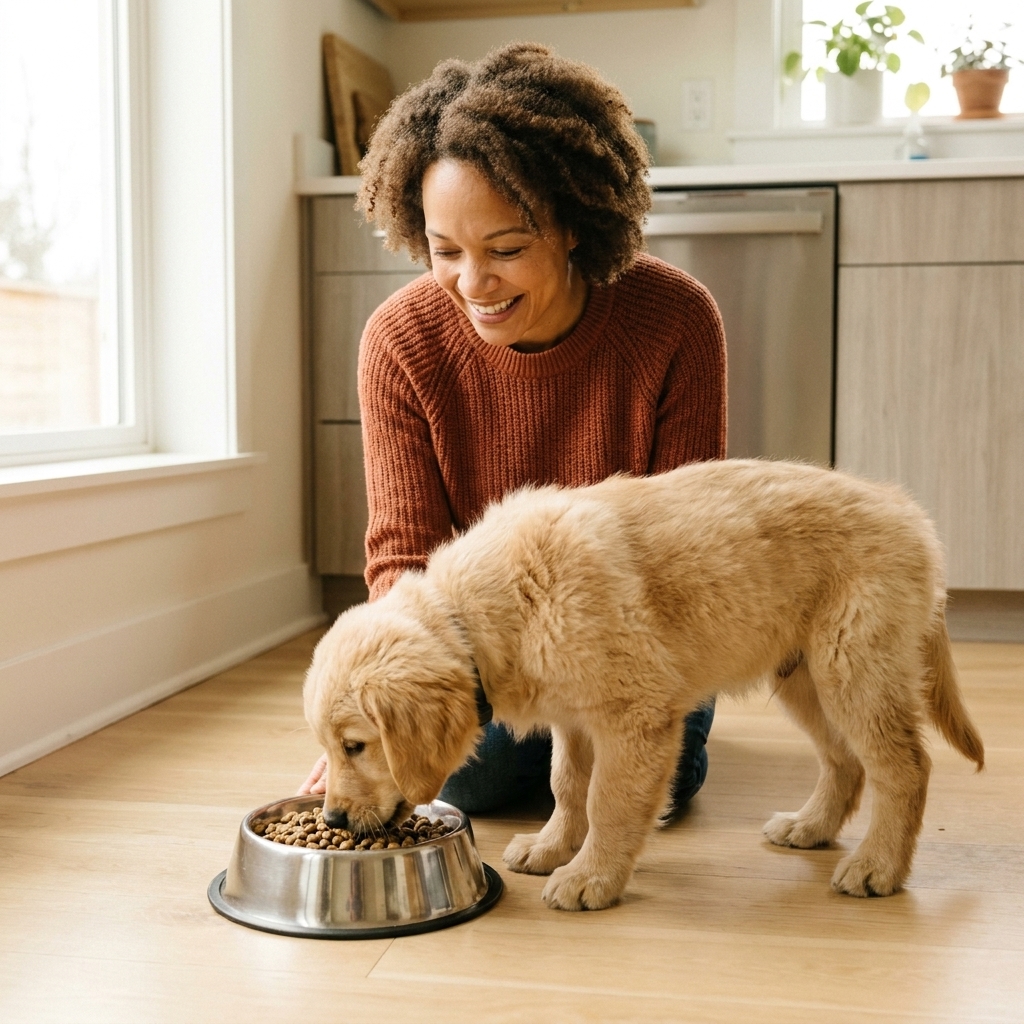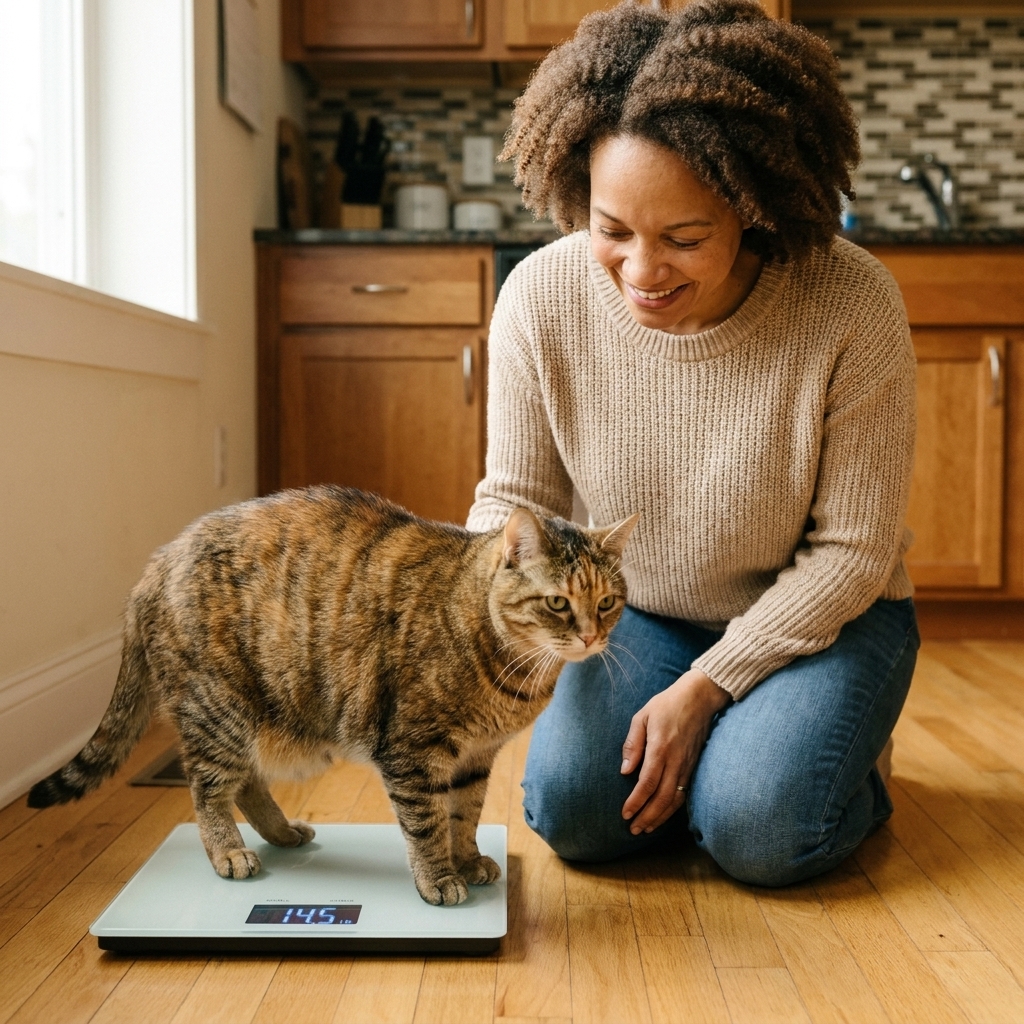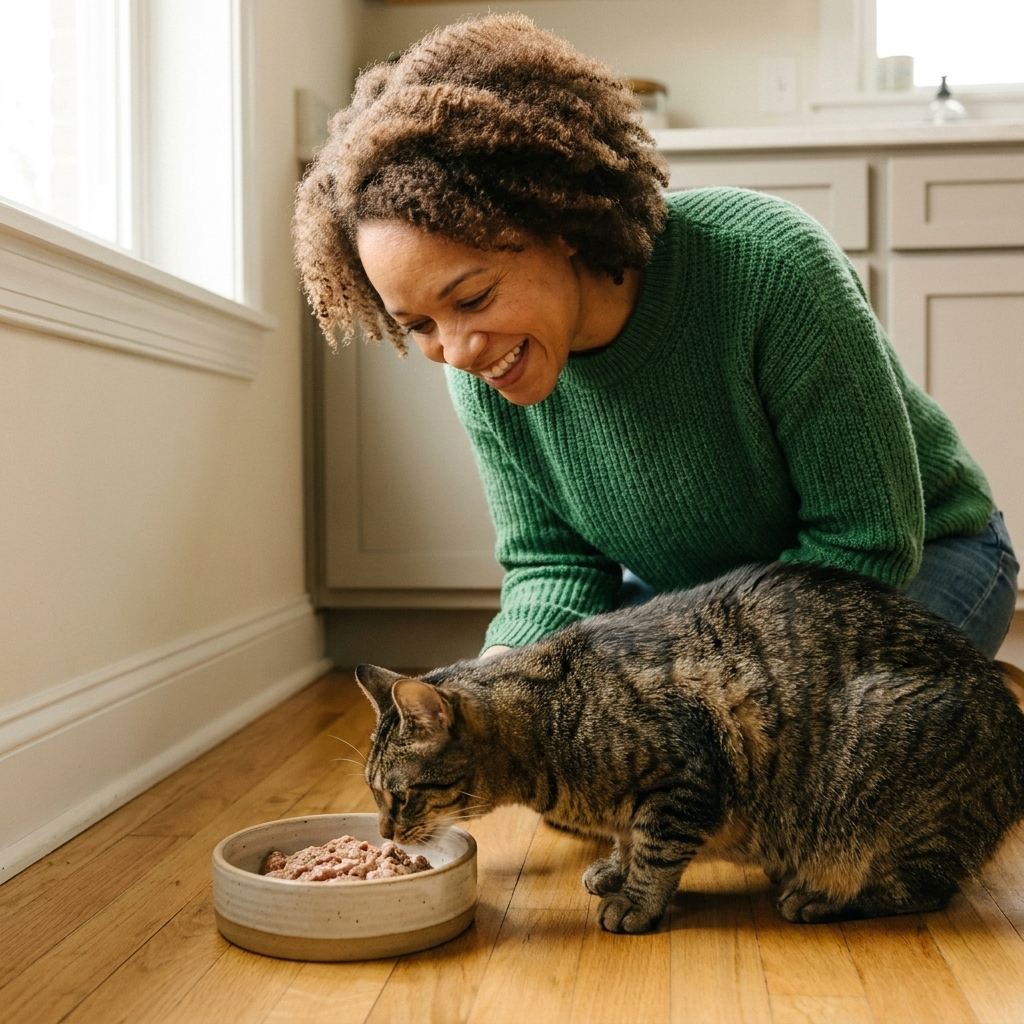
A vet-tech-informed breakdown of wet vs. dry cat food, including hydration benefits, dental myths, budgeting tips, and how to choose the best fit.
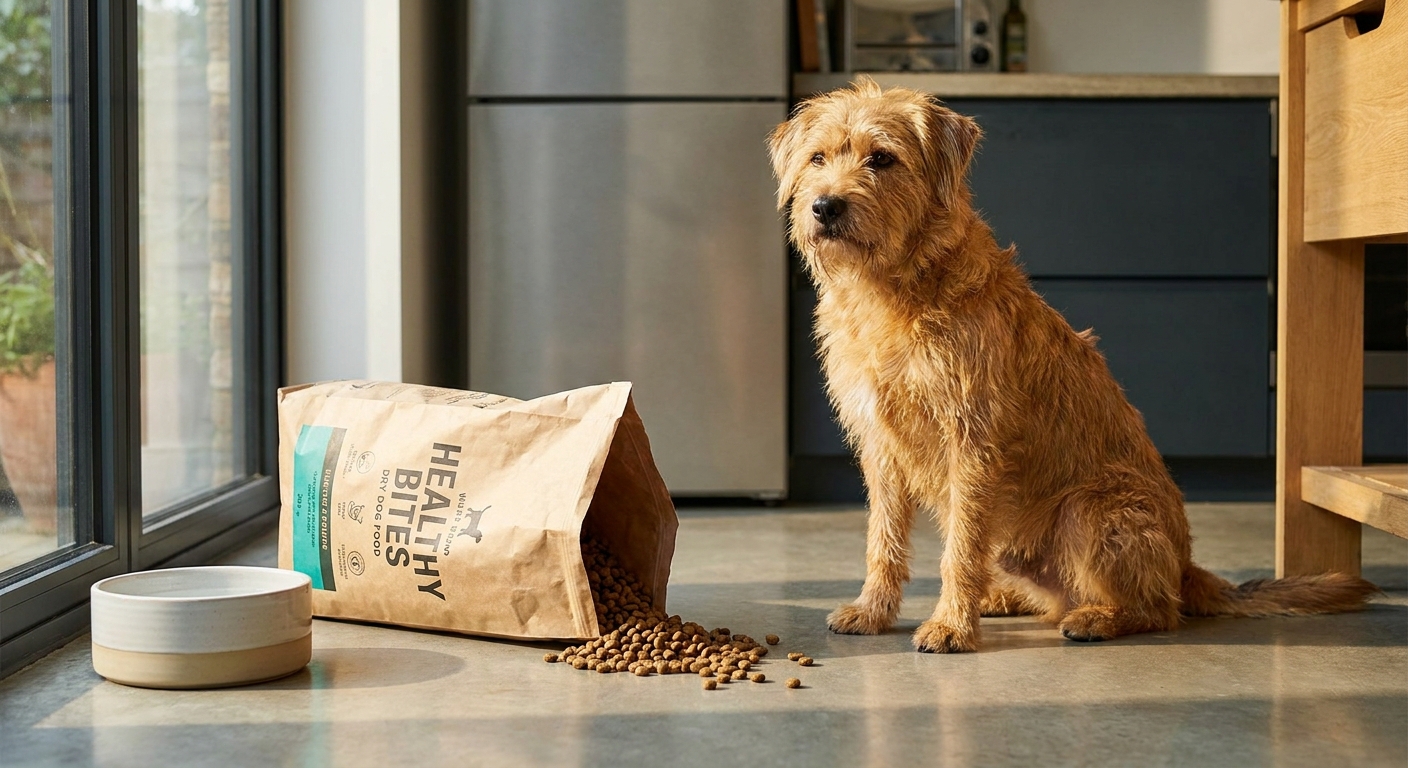
If you have ever stood in the pet food aisle thinking, “This bag is huge, so it must be the better deal,” you are not alone. I used to have clients bring in a giant bag of food and feel proud, only to find out they were paying more per day because the calorie density was lower or the feeding amount was higher.
One of the most reliable ways to compare pet food prices is to compare cost per day, and my favorite tie breaker is cost per 1,000 calories. Both methods work across brands, bag sizes, wet versus dry, and even fresh or freeze-dried options.
One big boundary before we talk math: nutritional adequacy comes first. Make sure the food is complete and balanced for your pet’s life stage and species, and that it fits any medical needs your veterinarian has outlined. This article helps you compare prices among foods that already meet your pet’s requirements. It does not pick a “best” food based on being cheapest.
What you need
Grab three things:
- Price of the package (include sale price if it is truly available to you).
- Calorie information from the label (kcal per cup for kibble, kcal per can or per pouch for wet food, and kcal per treat).
- Your current feeding amount for your pet (cups per day, cans per day, grams per day, or “X treats per day”).
If you do not have a feeding amount you feel good about, do not guess your pet’s calorie target from the internet. Use what you and your vet have already decided, or use the feeding guidance you are currently following and want to price-compare. The goal here is apples-to-apples cost comparisons.
Two pricing methods
1) Cost per day
This answers: What will I actually spend to feed my pet each day?
Formula: cost per day = (price per unit) × (units fed per day)
- For kibble, your “unit” might be a cup or a gram.
- For wet food, your “unit” is usually a can or pouch.
- For fresh or frozen rolls, your “unit” might be ounces or grams.
2) Cost per 1,000 calories
This answers: How expensive is this food for the amount of energy it provides? It is incredibly helpful when you are comparing foods with different feeding volumes, different moisture levels, or different “recommended serving sizes.”
Formula: cost per 1,000 kcal = price ÷ (total kcal in package ÷ 1,000)
To use that, you need total calories in the package, which you can calculate from label info.
Quick rounding note: You do not need perfect precision for good decisions. Rounding to the nearest cent and using 1 decimal place for cups or calories is usually plenty.
Where to find calories
On many pet foods, calories are listed near the guaranteed analysis or feeding directions. Look for language like:
- Dry food: “Metabolizable Energy (ME) = ___ kcal/cup” or “___ kcal/kg”
- Wet food: “___ kcal/can” or “___ kcal/kg” (sometimes “kcal/100g”)
- Treats: “___ kcal/treat” or “___ kcal/piece”
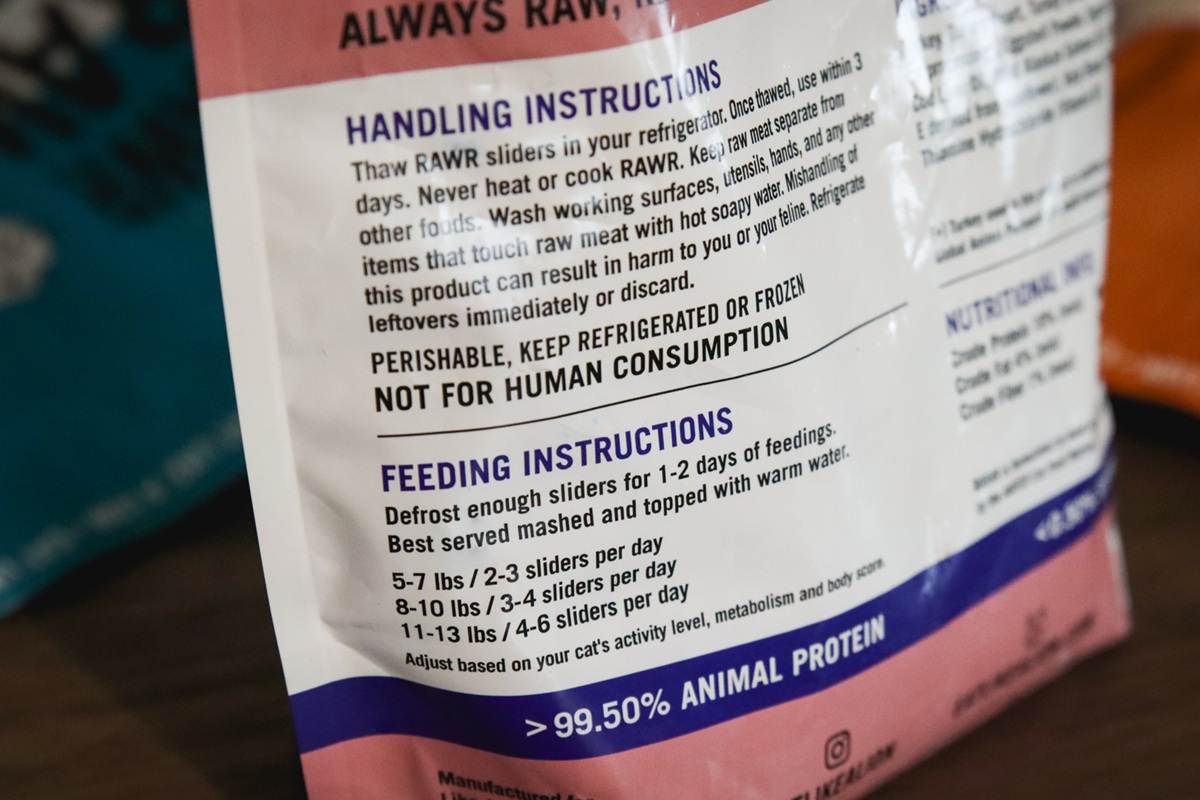
If calories are not listed on the package, check the brand’s website or contact the manufacturer. If calories are only listed as kcal/kg and you feed in cups, you can still do the math. You just need the food’s weight per cup, which is sometimes provided on the bag, or you can weigh a level cup on a kitchen scale.
Example: dry food
Let’s pretend you are choosing between two nutritionally appropriate kibbles for the same dog. You already feed 2 cups per day.
Dry Food A
- Bag price: $58.00
- Bag size: 24 lb
- Calories: 380 kcal/cup
- Your feeding amount: 2 cups/day
Step 1: estimate cups per bag
You have two options:
- Best: If the brand lists “cups per bag,” use that.
- Common workaround: Weigh one level cup of kibble. “A cup” is volume, and kibble density varies a lot by shape and recipe, so do not assume.
In this example, you weigh it and get 100 g per cup.
Convert bag weight to grams: 24 lb ≈ 10,886 g.
Cups per bag ≈ 10,886 g ÷ 100 g/cup = 108.9 cups
Step 2: cost per cup and cost per day
Cost per cup = $58.00 ÷ 108.9 = $0.53 per cup
Cost per day = $0.53 × 2 cups = $1.06 per day
Step 3: cost per 1,000 calories
Total calories in bag ≈ 108.9 cups × 380 kcal/cup = 41,382 kcal
Cost per 1,000 kcal = $58.00 ÷ (41,382 ÷ 1,000) = $58.00 ÷ 41.382 = $1.40 per 1,000 kcal
Example: wet food
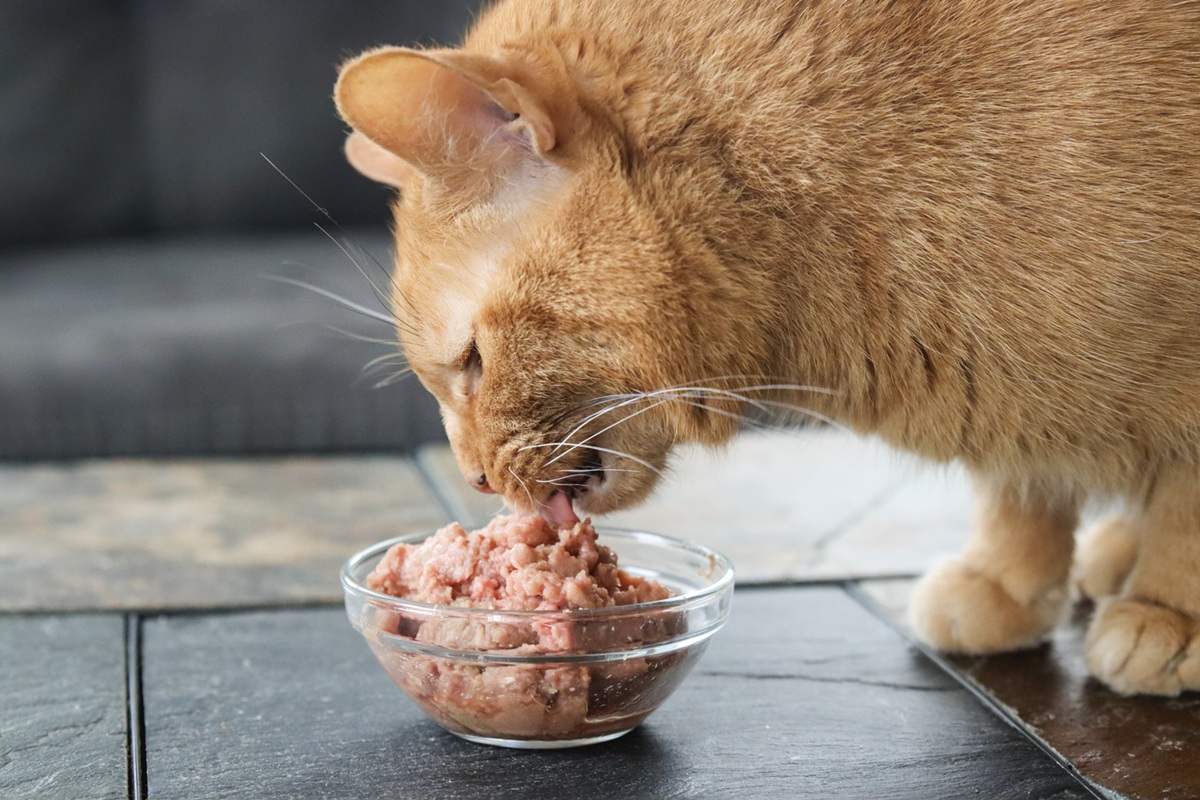
Now you are comparing two canned diets that are both appropriate for your cat. Your cat currently eats 1.5 cans per day of a 5.5 oz style can.
Wet Food B
- Case price: $34.80
- Case count: 24 cans
- Calories: 165 kcal/can
- Your feeding amount: 1.5 cans/day
Step 1: cost per can and cost per day
Cost per can = $34.80 ÷ 24 = $1.45 per can
Cost per day = $1.45 × 1.5 = $2.18 per day
Step 2: cost per 1,000 calories
Total calories in case = 24 × 165 = 3,960 kcal
Cost per 1,000 kcal = $34.80 ÷ (3,960 ÷ 1,000) = $34.80 ÷ 3.96 = $8.79 per 1,000 kcal
That number often looks higher for wet foods because you are paying for moisture and packaging, not just nutrients. That does not mean wet food is “overpriced” or a bad choice. It just means you should compare wet foods to wet foods, and dry to dry, unless you are specifically deciding between formats.
If the label uses kcal/kg
Sometimes you will see calories expressed as kcal/kg. You can still get to cost per 1,000 calories without ever using cups.
Dry food with kcal/kg
Formula for total calories in a bag: total kcal = (bag weight in kg) × (kcal/kg)
Example: a 10 kg bag that lists 3,600 kcal/kg contains about 36,000 kcal. If it costs $60, cost per 1,000 kcal is $60 ÷ 36 = $1.67 per 1,000 kcal.
Wet food with kcal/kg
Same idea, but use the can or case weight in kilograms. If a can is 156 g, that is 0.156 kg. If the food is 1,100 kcal/kg, then that can contains 0.156 × 1,100 = 172 kcal (roughly).
If your feeding amount is in cans per day, you can stop there. If your feeding amount is in grams per day, the kcal/kg format makes it easy to calculate calories per gram and price per gram.
How to price treats
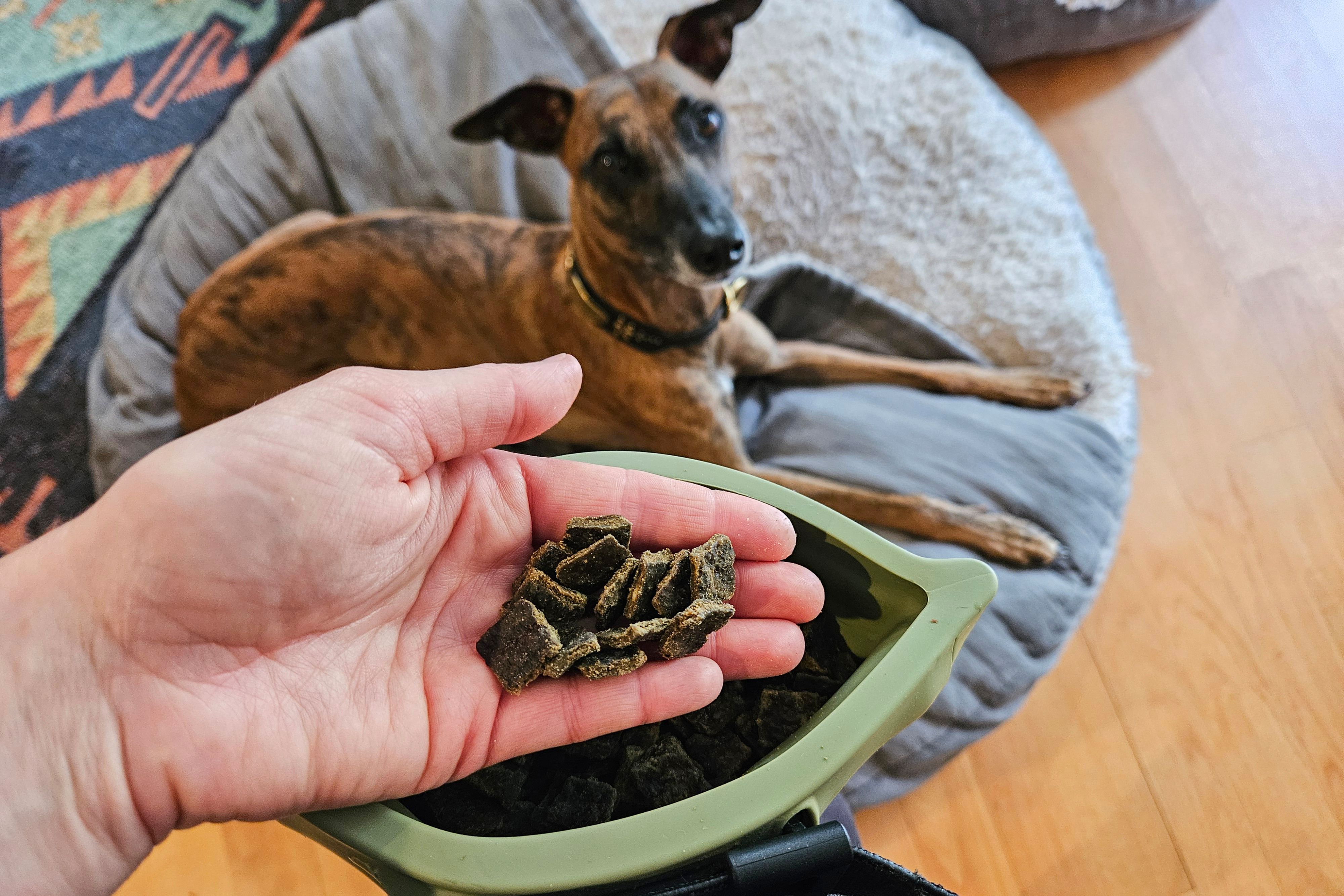
Treats can quietly become the most expensive calories in the house. They also matter nutritionally because too many treat calories can unbalance a complete diet.
Many veterinarians recommend keeping treats to 10 percent or less of daily calories for most healthy pets, unless your veterinarian gives different guidance. I am not assigning a calorie target here, just encouraging you to treat treats like a measurable part of the food budget.
Treat example
- Treat bag price: $12.00
- Treat count: 80 treats
- Calories: 9 kcal/treat
- Your typical use: 6 treats/day
Cost per treat = $12.00 ÷ 80 = $0.15
Cost per day = $0.15 × 6 = $0.90/day
Total calories in bag = 80 × 9 = 720 kcal
Cost per 1,000 kcal = $12.00 ÷ (720 ÷ 1,000) = $12.00 ÷ 0.72 = $16.67 per 1,000 kcal
That does not mean you should never buy treats. It just explains why swapping to lower-calorie training treats, breaking treats into pieces, or using part of the daily kibble as training rewards can make a noticeable difference in both budget and waistlines.
Real-life caveats
Waste and spoilage
- Wet food leftovers: If you routinely throw away partial cans, your true cost per day is higher. Consider smaller can sizes, single-serve trays, or a storage routine you will actually follow.
- Fresh and frozen foods: These can be very cost-efficient on paper but pricey in practice if portions dry out, freezer burn happens, or handling gets inconsistent.
- Kibble staleness: Big bags are not a deal if your pet refuses the last third. Choose a bag size your household can finish while the food stays fresh, and store it sealed to limit air exposure.
Subscriptions and discounts
Subscriptions can be great, but do your math using the price you will pay most months, not just the introductory discount. Also check:
- Shipping fees
- Minimum order requirements
- Auto-ship frequency (and how easy it is to pause)
- Whether taxes change the final price
Same brand, different recipe
Chicken recipe versus salmon recipe can have different calorie densities and very different feeding amounts. When you compare, compare the exact formula you plan to feed.
Feeding directions vary
One brand might suggest 3 cups for a dog your size while another suggests 2 cups, even if their calorie densities are similar. That is why I like cost per 1,000 calories as a “truth serum” metric.
Unit price traps
Store shelf tags like “$ per lb” can be a helpful starting point, but they do not account for calorie density, moisture, or waste. Your final number can also shift with loyalty pricing, regional pricing differences, and taxes or delivery fees. When in doubt, calculate based on your out-the-door price.
Multi-pet households
If you are feeding multiple pets (or multiple diets), calculate each pet’s cost per day separately, then add them. It keeps the math honest, especially when one pet eats a prescription diet and another does not.
Quick checklist
- Confirm adequacy first: complete and balanced for your pet’s life stage, and appropriate for any health conditions.
- Use your current feeding amount to calculate cost per day.
- Calculate cost per 1,000 calories to compare across bag sizes and formats.
- Sanity-check for waste based on how your household actually feeds and stores food.
- Do not “win” the math at the expense of acceptance: the best-priced food is not helpful if your pet will not eat it or it does not agree with them.
FAQ
Is bigger always cheaper?
Not reliably. Bigger can reduce cost per pound, but what matters is how many days that package lasts at your pet’s feeding amount. Calorie density and waste can flip the result.
Should I compare by cost per pound?
Cost per pound is a rough starting point, but it is not enough. Two foods can cost the same per pound but deliver very different calories per pound, which changes cost per day.
What if the label only lists kcal/cup and my pet eats grams?
Use a kitchen scale to weigh how many grams are in one cup of that specific food, then convert. Once you have grams per cup, you can calculate kcal per gram and price per gram.
Does cost per 1,000 calories mean higher-calorie food is better?
No. It is just a pricing tool. Some pets do better on lower-calorie-density foods for satiety, weight management, or because they like larger portions. The right choice depends on the pet, not the price metric.
Can I use this method for prescription diets?
Yes, and it is especially helpful there. Just keep the medical need as the priority, then compare options within the diets your veterinarian says are appropriate.
The bottom line
Bag size is a marketing detail. Your budget lives in the daily routine: how much your pet eats, how many calories that food provides, and how much ends up in the bowl versus the trash.
If you want one simple habit to take away, it is this: before you buy, do a 60-second cost-per-day estimate. Your future self, and your pet’s steady diet, will thank you.