A guinea pig salad cheat sheet with 15 safe veggies for regular rotation, frequency labels, portion sizes, prep tips, and simple combos for healthy daily fee...
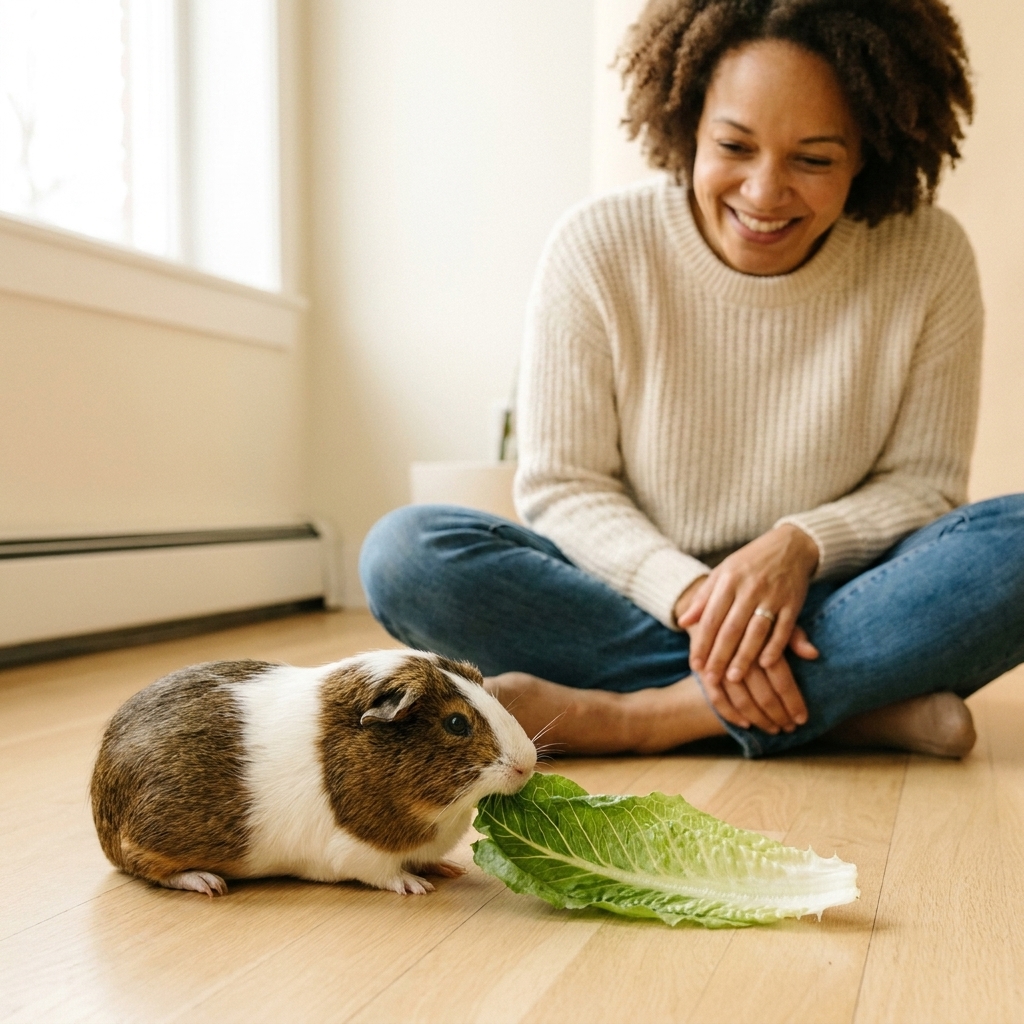
If you have a rabbit or guinea pig, you have probably had this moment: you open the fridge, your little buddy hears the crisper drawer, and suddenly you are staring at a pile of produce thinking, Is this a healthy snack or an accidental emergency?
Fresh fruits and vegetables can absolutely be part of a great small-pet diet. The key is knowing what counts as a daily-friendly veggie, what is an occasional treat, and what is genuinely dangerous.
Below is a simple, practical list of 10 common fruits and vegetables, split into safe choices and foods to avoid or limit. I will also share portion tips for both rabbits and guinea pigs, because their digestion and nutrition needs are similar, but not identical.
Before the list: the basics
Most tummy trouble people see is not caused by one bite of the “wrong” veggie. It is usually a pattern: too much sugar or starch, not enough fiber, or big diet changes too fast.
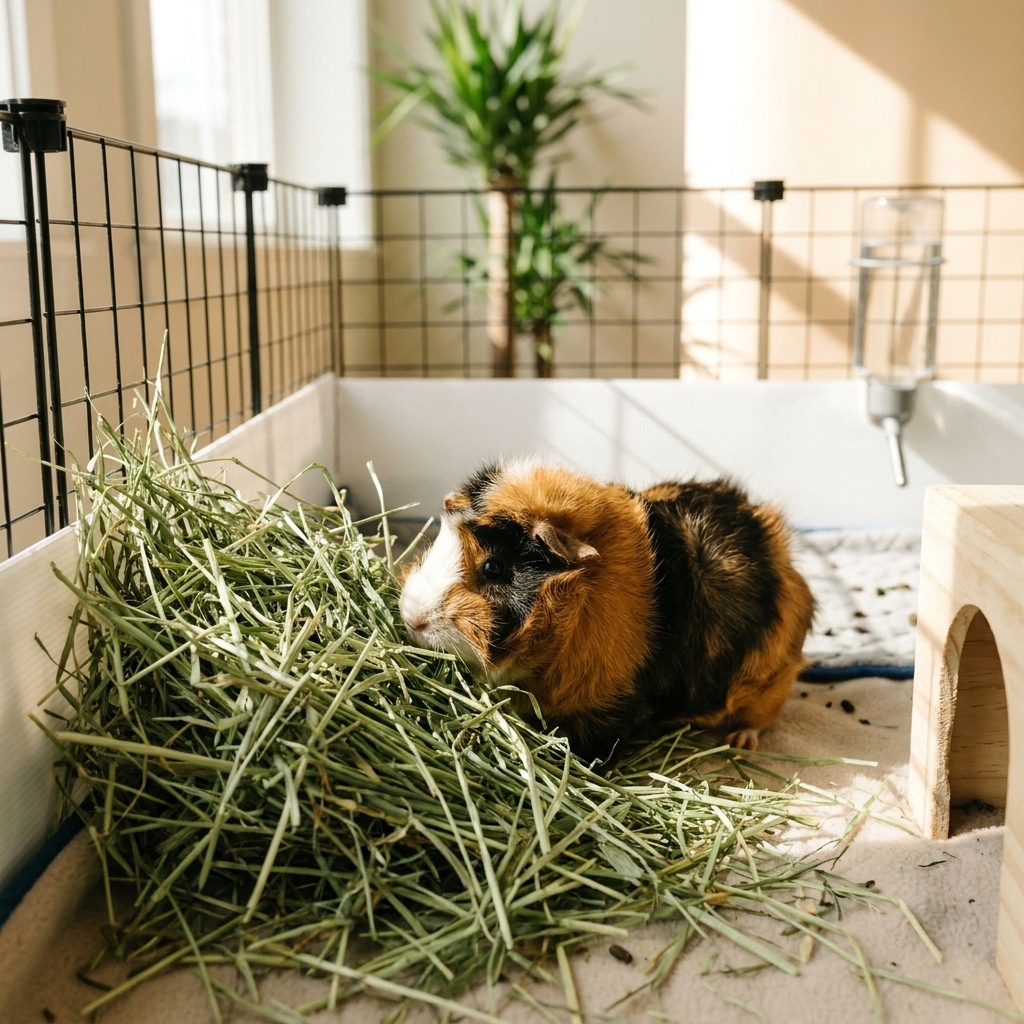
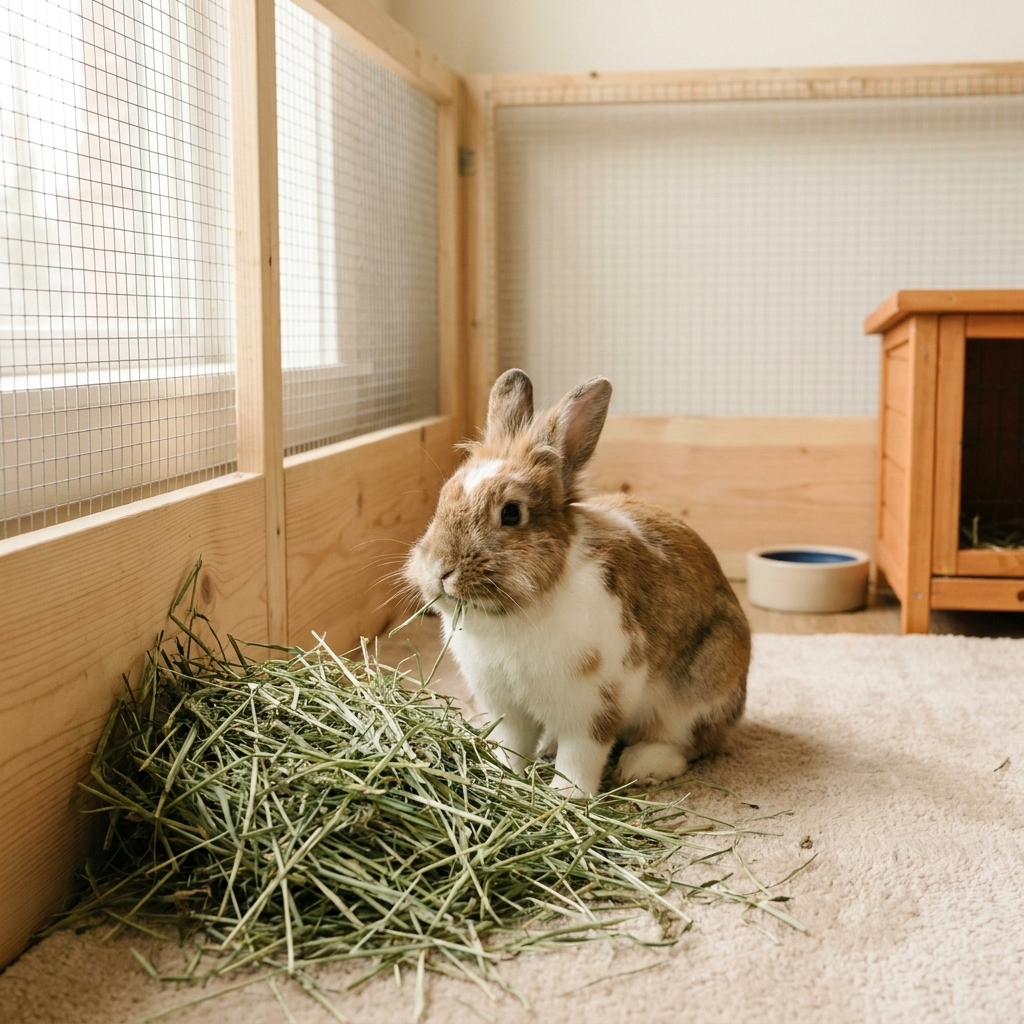
- Hay is the foundation for both rabbits and guinea pigs. Unlimited grass hay (timothy, orchard, meadow) should make up the bulk of the diet.
- Leafy greens are the daily produce. Think dark, leafy, water-rich vegetables rather than sugary fruit or starchy roots.
- Fruit is a treat. A tiny portion goes a long way.
- Guinea pigs need vitamin C daily. They cannot make their own, so they need a consistent daily source. Bell pepper and certain greens help, but many pigs still do best with a veterinarian-recommended vitamin C plan.
- Pellets are not one-size-fits-all. Guinea pig pellets are usually vitamin C fortified and commonly part of the daily routine. For many healthy adult rabbits, pellets are often more of a measured “supporting role” alongside hay and greens.
If your pet has a history of soft stool, bloat, GI stasis, bladder stones, or dental disease, check with your exotics vet before changing produce routines.
10 fruits and vegetables: safe vs avoid or limit
For each food below, I note whether it is generally safe, how to serve it, and what to watch for. “Safe” still means appropriate portion, not unlimited.
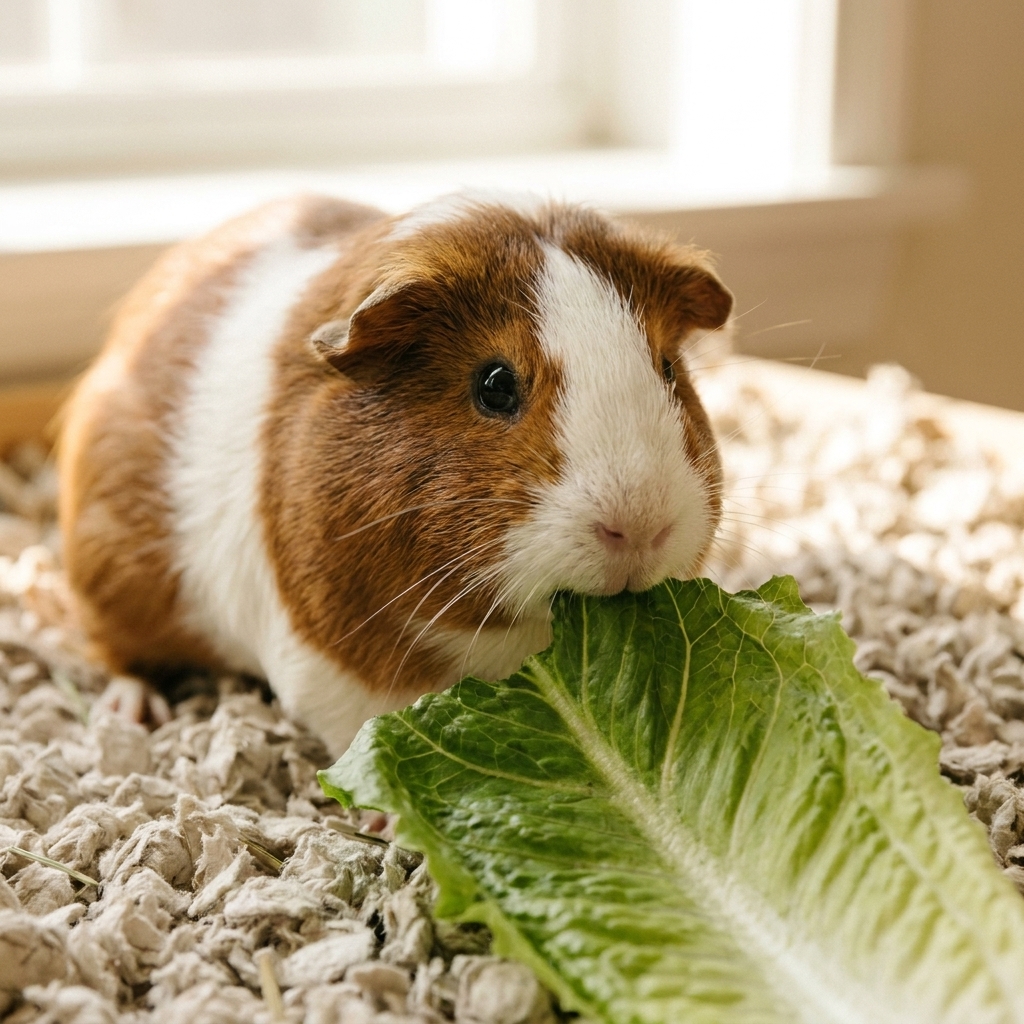
1) Romaine lettuce (Safe)
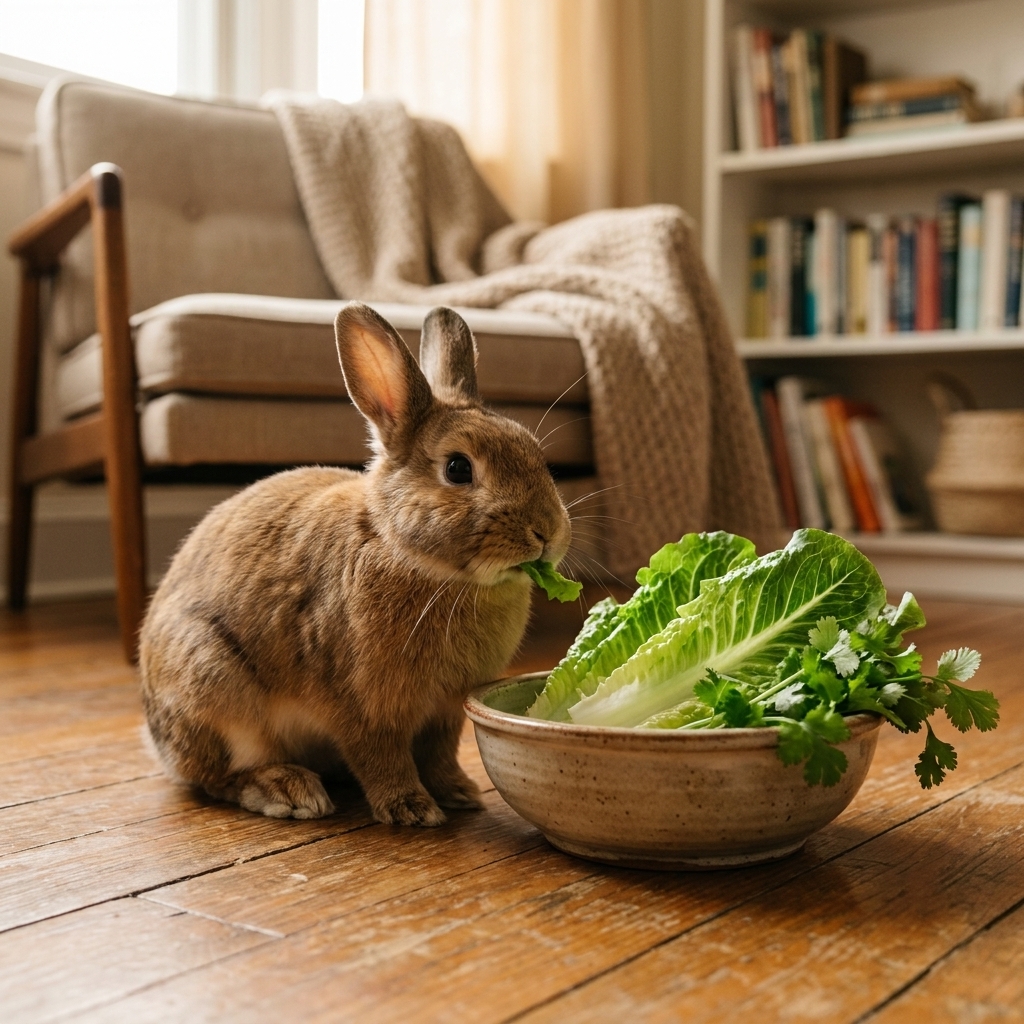
Rabbits: A solid daily green for many rabbits. Guinea pigs: Also a great staple green.
How to serve: Wash well, offer fresh leaves, and rotate with other greens for variety.
Watch-outs: Skip iceberg lettuce as a go-to. It is low in nutrients and can cause softer stool in some individuals.
2) Bell pepper, especially red (Safe)
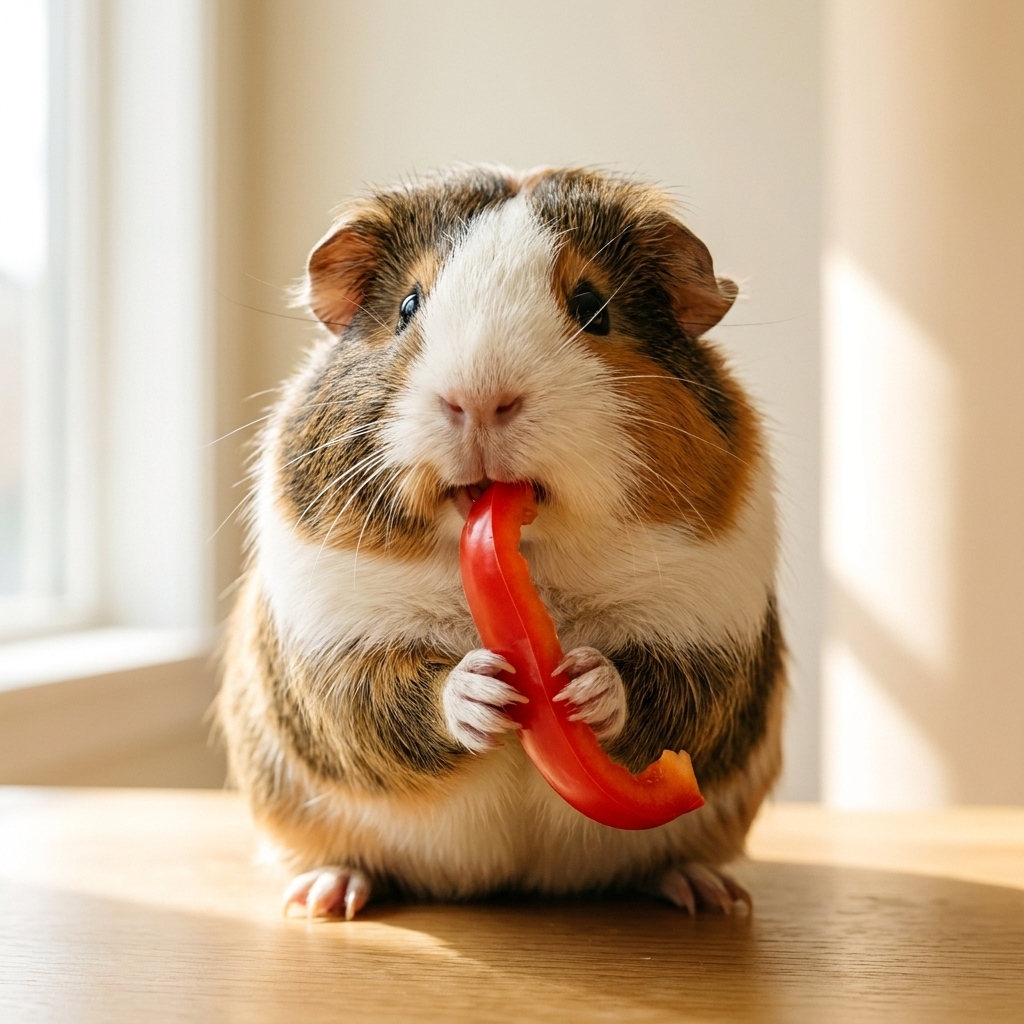
Rabbits: Safe veggie in small to moderate amounts. Guinea pigs: A strong daily option because it is high in vitamin C.
How to serve: Raw, washed slices. Remove the stem. Seeds are typically fine in small amounts, but many pet parents prefer to remove them.
Watch-outs: Introduce slowly. Some pigs are sensitive to large amounts of watery produce at once.
3) Cilantro (Safe)
Rabbits and guinea pigs: A fragrant, beginner-friendly herb that most small pets love.
How to serve: A small handful mixed into the daily greens (adjust to pet size).
Watch-outs: Herbs are nutrient dense. Variety matters more than “more.” Rotate with other greens like romaine or red leaf lettuce. If your pet is prone to bladder sludge or stones, ask your vet about which greens to emphasize and which to keep to moderation.
4) Cucumber (Safe, but limit)
Rabbits and guinea pigs: Safe, but not very nutrient dense. Think of it as hydration, not a multivitamin.
How to serve: A few thin slices, especially helpful in hot weather or for pets that do not drink much.
Watch-outs: Some pets develop softer stool if they get a large amount because it is so watery.
5) Zucchini (Safe)
Rabbits and guinea pigs: Generally well tolerated and a nice low-sugar veggie.
How to serve: Raw slices or small chunks. Wash thoroughly.
Watch-outs: As with all new foods, start small and watch droppings for 24 hours.
6) Carrot (Safe, treat-sized)
Rabbits and guinea pigs: Carrot is not “toxic,” but it is higher in sugar than most people realize. It should be a treat, not a daily base veggie.
How to serve: A thin coin or two for a guinea pig, and a few thin slices for a rabbit depending on size.
Watch-outs: Frequent large portions can contribute to weight gain and gut upset. Carrot tops, on the other hand, can be used as a leafy green in moderation.
7) Apple (Safe fruit, remove seeds)
Rabbits and guinea pigs: A sweet treat that many love.
How to serve: A small cube or thin slice.
Watch-outs: Remove the seeds and core. Apple seeds contain amygdalin, which can release cyanide when metabolized. The risk from one seed is small, but there is no benefit to offering them, so it is best to avoid entirely.
8) Grapes and raisins (Limit or skip)
Rabbits and guinea pigs: These are very sugary, and they are not as well studied in rabbits and guinea pigs as more common “go-to” treats like a thin apple slice. While the well-known kidney injury concern is primarily documented in dogs, there is still no real upside to making grapes or raisins part of the routine for small pets.
Bottom line: If you want the safest path, skip them and choose a lower-sugar option. If you do offer grape, keep it rare and tiny, and stop if you see any soft stool or reduced hay interest.
9) Onion, garlic, leeks, chives (Avoid)
Rabbits and guinea pigs: All allium family plants are considered unsafe for rabbits and guinea pigs. They can cause digestive upset, and because risk varies by species and dose, the safest approach is simply to avoid them entirely.
Bottom line: Avoid all forms: raw, cooked, powdered, “seasoned,” and mixed into other foods.
10) Rhubarb (Avoid)
Rabbits and guinea pigs: Rhubarb is considered unsafe for small pets. The leaves are especially high-risk, but it is best to avoid the plant entirely.
Bottom line: Do not offer rhubarb in any form.
Quick serving guidelines
- Introduce one new food at a time. Give a tiny amount, then wait a day to confirm normal poop and appetite.
- Use a simple portion starting point. For many adult rabbits, think roughly 1 packed cup of leafy greens per 2 pounds of body weight per day, split into meals. For many adult guinea pigs, think about 1 cup of mixed greens per day. These are common starting points, not one-size-fits-all rules, so let stool quality, appetite, body condition, and your exotics vet’s advice guide you.
- Keep fruit tiny. Fruit is best used like a training reward or bonding treat, not a salad ingredient.
- Wash produce thoroughly. Remove dirt and residues. Pat greens dry mainly to reduce sogginess and spoilage in the bowl, not because a little moisture itself is dangerous.
- Cut into manageable pieces. Smaller pieces help slow down “gulping” and make it easier to keep sugary foods truly treat-sized.
- Do not feed spoiled produce. If you would not eat it, do not offer it.
Common produce mistakes
Leaning too hard on pellets
For many healthy adult rabbits and guinea pigs, pellets should be measured, not unlimited. Hay should always be the main event. For guinea pigs, choose a quality, fresh pellet designed for guinea pigs (usually vitamin C fortified). For rabbits, your veterinarian can help you decide how much pellet your rabbit truly needs based on age, weight, and dental history.
Overdoing watery vegetables
Cucumber and similar foods can be fine, but some individuals get softer stool if they eat a lot at once. Balance watery veg with leafy greens and unlimited hay.
Forgetting that some greens are “moderation” foods
Many common greens are fine for healthy pets, but certain options can be better as “sometimes” foods for animals prone to urinary issues. If your rabbit or guinea pig has a history of bladder sludge or stones, ask your exotics vet which greens are a best fit for your pet.
Assuming “natural” equals safe
Alliums and rhubarb are perfect examples. Your pet does not need variety at any cost. Safe variety is the goal.
FAQ
Can rabbits and guinea pigs eat the same vegetables?
Often, yes. Many leafy greens, herbs, and low-sugar vegetables can work for both. The biggest difference is that guinea pigs must get vitamin C, so bell pepper and vitamin C-rich greens are especially useful for them.
How much fruit is too much?
If you start seeing softer stool, smaller droppings, decreased appetite, or your pet becomes picky about hay, fruit may be crowding out the fiber they need. Keep fruit portions very small and not necessarily daily.
What are red flags after trying a new food?
Stop the new item and contact an exotics veterinarian if you notice: not eating, very small or no droppings, diarrhea, a bloated belly, lethargy, or pain signs like tooth grinding. In rabbits especially, gut slowdown can become serious quickly.
Do I need to peel fruits and veggies?
Not always, but washing is non-negotiable. Peeling can reduce residue exposure, but it also removes some fiber. For most pets, thoroughly washed produce is fine, and you can peel when you are unsure about residues.
A gentle final reminder
The best small-pet diet is not about chasing a perfect list. It is about the basics done consistently: unlimited hay, daily leafy greens, measured pellets, and tiny, thoughtful treats. When you are unsure about a new fruit or veggie, pause and look it up first. Your rabbit or guinea pig will be just as thrilled with a safe bite of romaine as they would be with something risky.