Keep pets safe with this clear list of dangerous foods, common toxicity symptoms, and step-by-step actions if your dog or cat gets into something they should...
Most pet poison emergencies I saw in clinic did not start with “bad” pet parents. They started with a dropped snack, a curious nose in a purse, or a well-meaning bite “because it is natural.” The tricky part is that dogs and cats process foods very differently than we do, and some pantry staples can cause anything from stomach upset to seizures or organ failure.
Below is a practical, judgment-free checklist of 15 common human foods that are secretly dangerous for dogs and cats, plus what signs to watch for and what to do if your pet gets into them.
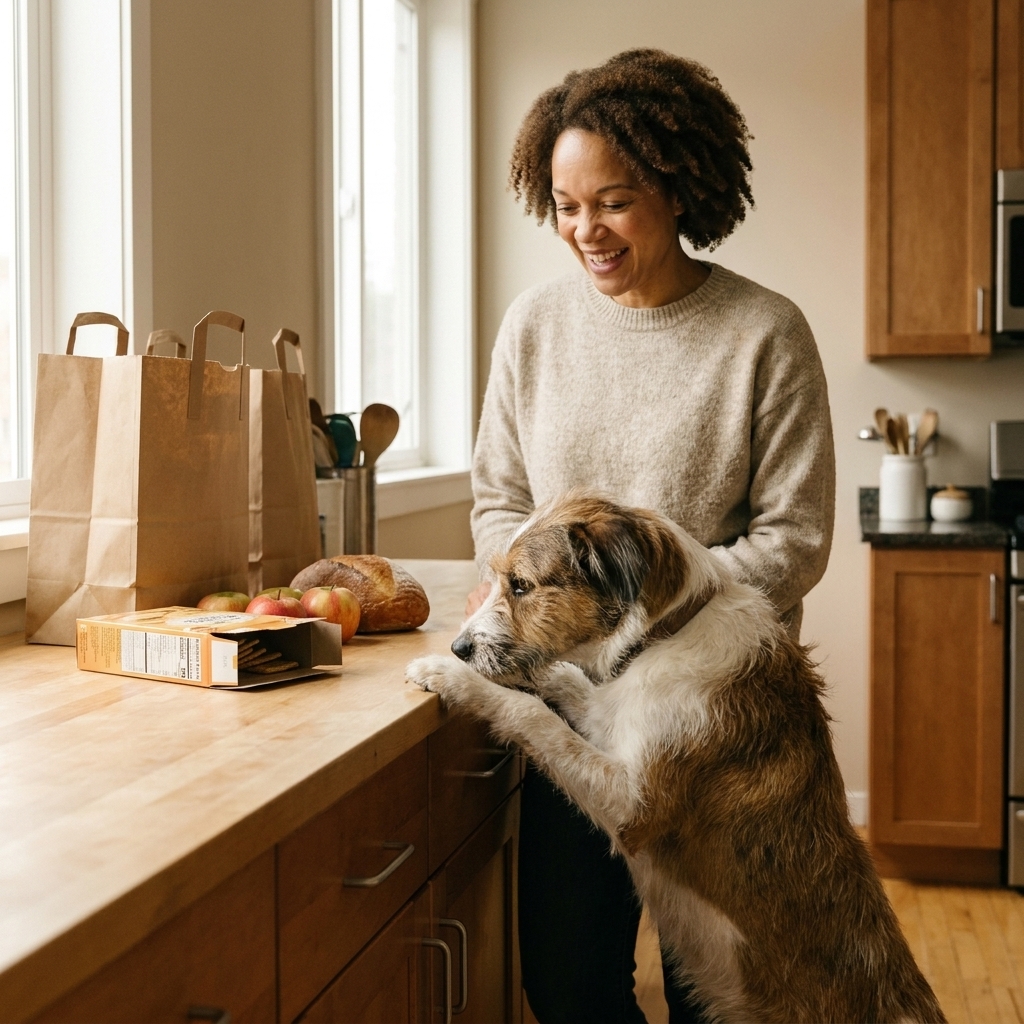
First: what to do if your pet ate something risky
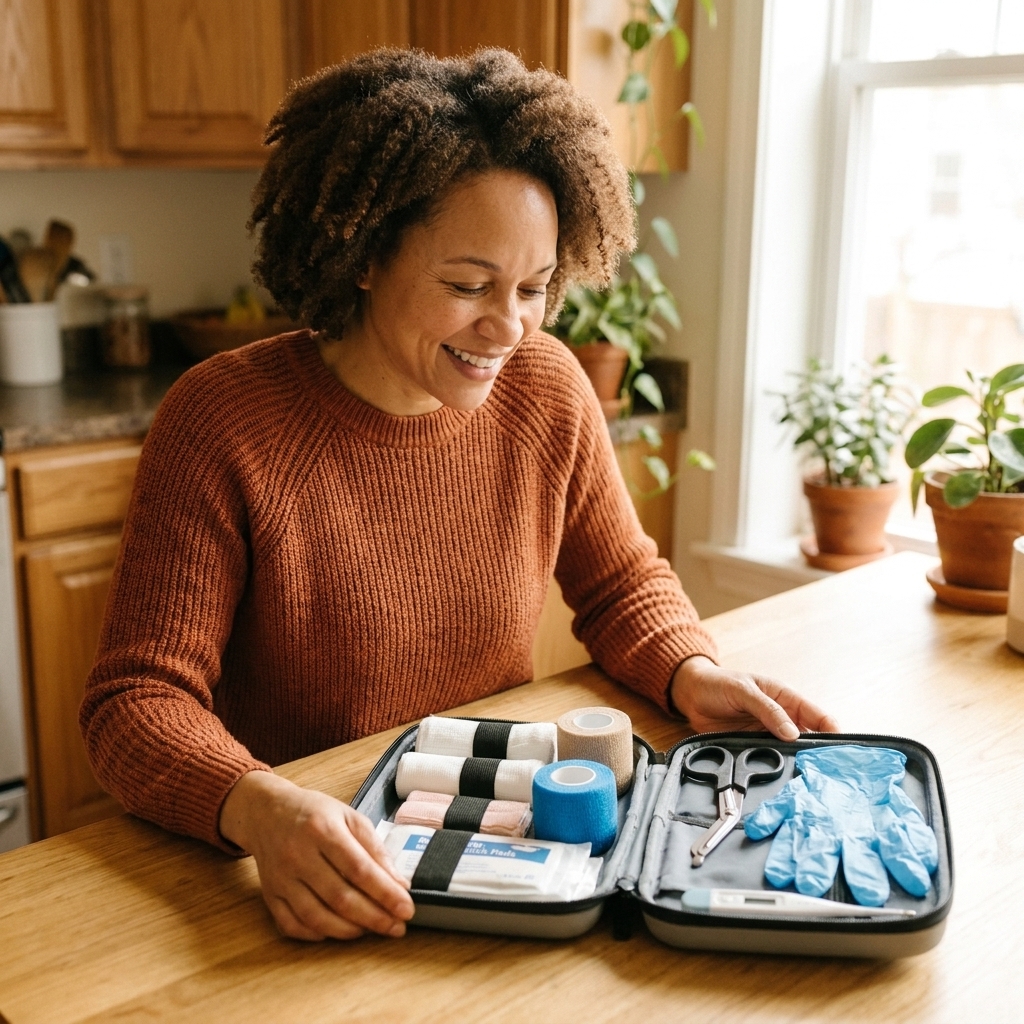
If you suspect your dog or cat ate one of the foods below, time matters. Here is the safest game plan.
- Remove access and check for wrappers, missing pieces, or chewed containers.
- Do not induce vomiting unless a vet tells you to. Some substances can cause more damage coming back up, and cats are especially prone to complications.
- Call your veterinarian right away. If it is after hours, call an emergency clinic.
- Have details ready: your pet’s weight, what was eaten, how much (best estimate), and when.
- You can also contact animal poison experts if your vet recommends it: ASPCA Animal Poison Control (888-426-4435) or Pet Poison Helpline (855-764-7661). A consultation fee may apply.
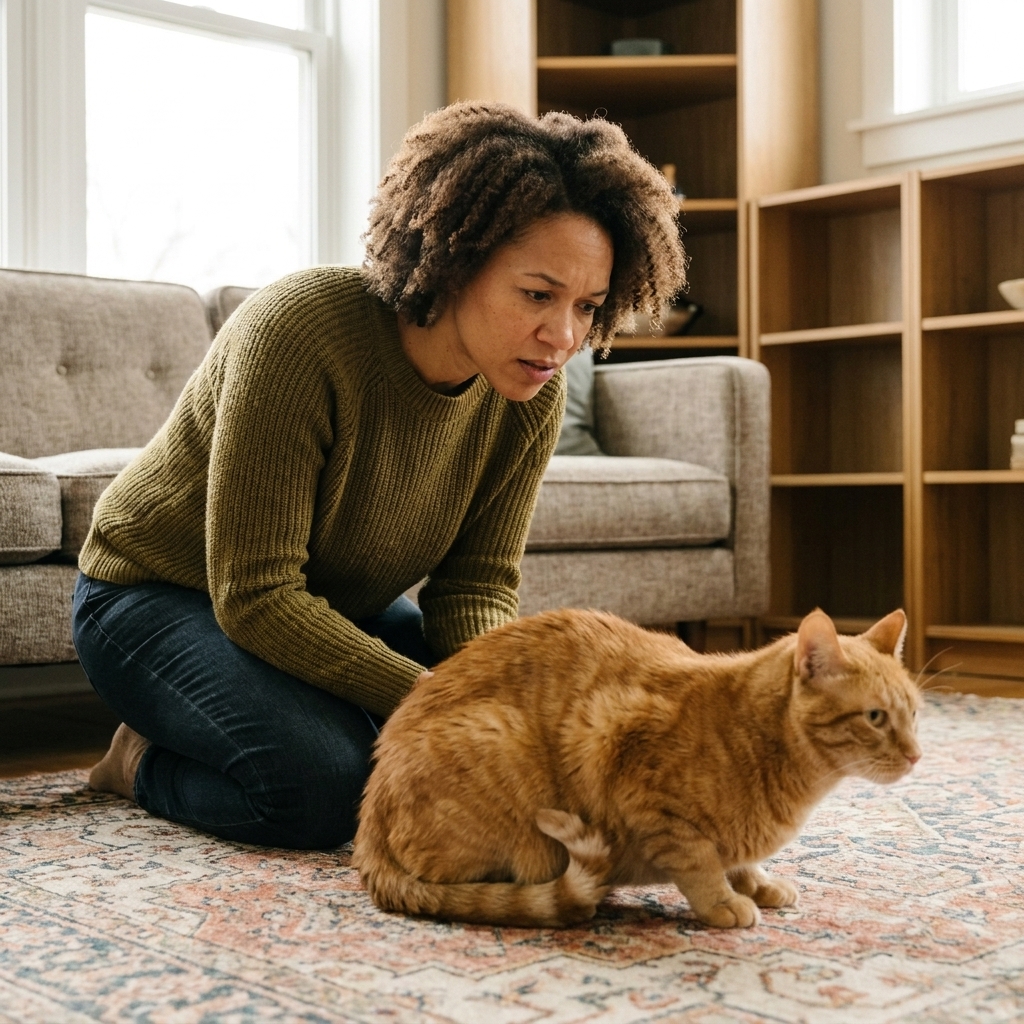
Go to an emergency veterinarian immediately if you see repeated vomiting, trouble breathing, collapse, extreme lethargy, pale gums, tremors, seizures, or a swollen painful belly (possible bloat or obstruction).
The 15 foods to keep off paws and whiskers
1) Xylitol (and birch sugar)
Why it is dangerous: Xylitol is a sugar substitute found in many sugar-free gums, mints, baked goods, some peanut butters, chewable vitamins, and even dental products. In dogs, it can trigger a rapid insulin release, causing dangerously low blood sugar and, in some cases, acute liver injury.
Most at risk: Dogs. In cats, documented toxicity is rare and not as well understood as it is in dogs, but exposure still warrants veterinary guidance because products and doses vary.
Watch for: weakness, wobbliness, vomiting, tremors, seizures, collapse, yellowing of the eyes or gums.
Urgency tip: With xylitol, call immediately even if your pet seems fine.
2) Grapes
Why it is dangerous: Grapes can cause sudden kidney failure in dogs, and we still cannot predict which pets will be sensitive or what the exact toxic component is.
Most at risk: Dogs. Cats can be affected too, but exposures are less common.
Watch for: vomiting (often early), diarrhea, loss of appetite, lethargy, increased thirst, decreased urination.
Urgency tip: If grapes are involved, call right away, even before symptoms start.
3) Raisins
Why it is dangerous: Raisins are dried grapes, meaning the same risk, often in a more concentrated form. Trouble is, raisins hide everywhere: trail mix, cookies, cereal, and bread.
Most at risk: Dogs. Cats can be affected too, but exposures are less common.
Watch for: vomiting, lethargy, abdominal discomfort, reduced urination.
Urgency tip: With raisins, do not wait for symptoms. Call your veterinarian or an ER vet.
4) Onions (raw, cooked, powdered)
Why it is dangerous: Onions damage red blood cells and can lead to hemolytic anemia. Onion powder is especially sneaky because it is common in seasoning blends, soups, chips, and baby food.
Most at risk: Dogs and cats (cats are often more sensitive).
Watch for: weakness, pale gums, fast breathing, lethargy, vomiting, dark urine.
5) Garlic
Why it is dangerous: Garlic is in the same family as onions and can cause similar red blood cell damage, especially with repeated exposure. “It is natural” does not automatically mean “it is safe.”
Most at risk: Dogs and cats.
Watch for: digestive upset, weakness, pale gums, elevated heart rate.
6) Chives
Why it is dangerous: Chives are another allium (like onions and garlic). They are small, but they still pack the same toxic mechanism, and they are common on baked potatoes, omelets, and salads.
Most at risk: Dogs and cats.
Watch for: vomiting, diarrhea, weakness, pale gums.
7) Macadamia nuts
Why it is dangerous: Macadamia nuts can cause significant illness in dogs, and the exact toxin is still not fully understood. Symptoms can occur even with relatively small amounts, and sensitivity varies.
Most at risk: Dogs.
Watch for: weakness (especially hind limbs), tremors, vomiting, fever, reluctance to walk.
8) Chocolate (dark, baking, cocoa powder)
Why it is dangerous: Chocolate contains methylxanthines (theobromine and caffeine). Dark chocolate and baking chocolate are typically the most concentrated and therefore more dangerous per bite.
Most at risk: Dogs (cats are less likely to eat it, but it is still toxic).
Watch for: vomiting, diarrhea, restlessness, rapid heart rate, panting, tremors, seizures.

9) Coffee, espresso, and caffeine (including energy drinks)
Why it is dangerous: Caffeine is also a methylxanthine. Dogs and cats can develop stimulant toxicity from coffee, tea, espresso beans, energy drinks, and even some caffeine pills.
Most at risk: Dogs and cats.
Watch for: agitation, rapid heart rate, vomiting, tremors, overheating, seizures.
10) Alcohol (beer, wine, liquor, raw dough)
Why it is dangerous: Alcohol depresses the nervous system and can lead to dangerously low blood sugar, low body temperature, breathing problems, and coma. Unbaked yeast dough is a double threat: it can ferment in the stomach producing alcohol, and it can expand causing painful bloat.
Most at risk: Dogs and cats.
Watch for: drooling, vomiting, uncoordinated walking, lethargy, slowed breathing, collapse, swollen abdomen (dough).
11) Raw bread dough with yeast
Why it is dangerous: Yeast dough can rise after ingestion, stretching the stomach. Fermentation can also produce alcohol. This is one of those “call now” situations.
Most at risk: Dogs (most common), but cats can be affected too.
Watch for: bloated abdomen, retching, drooling, restlessness, weakness, disorientation.
12) Cooked bones (especially poultry bones)
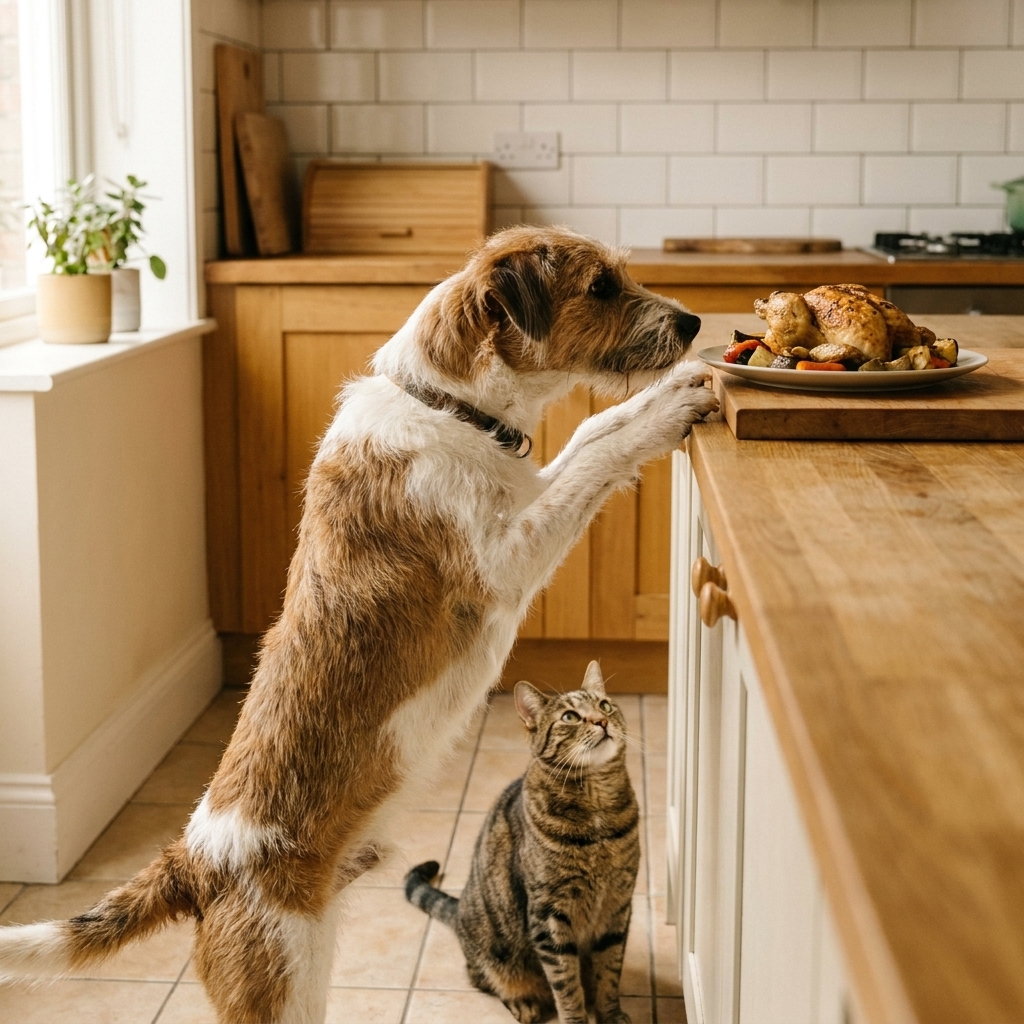
Why it is dangerous: Cooked bones splinter easily. They can fracture teeth, cause choking, and create intestinal blockages or perforations. This includes “just a little” rotisserie chicken bone.
Most at risk: Dogs and cats.
Watch for: gagging, pawing at the mouth, vomiting, constipation, bloody stool, abdominal pain, refusal to eat.
13) Corn cobs
Why it is dangerous: Corn itself is not the issue. The cob is. Dogs often swallow chunks, and cobs can cause a serious intestinal blockage that may require surgery.
Most at risk: Dogs.
Watch for: repeated vomiting, no appetite, abdominal pain, lack of stool or straining, lethargy.
14) Avocado
Why it is dangerous: In dogs and cats, avocado flesh most commonly causes vomiting or diarrhea, often due to its high fat content and rich texture. The bigger practical danger is the pit and thick skin, which can be a choking hazard or cause an intestinal obstruction. Guacamole adds another risk because it often includes onion and garlic.
Most at risk: Dogs and cats.
Watch for: vomiting, diarrhea, abdominal discomfort; gagging, repeated retching, or inability to keep food down if the pit or skin may have been swallowed.
15) Dairy (milk, ice cream, cheese in larger amounts)
Why it is dangerous: This one is less “toxic” and more “commonly trouble.” Many adult dogs and cats are lactose intolerant, which can lead to painful gas and diarrhea. Ice cream also adds sugar and fat, which can be a pancreatitis trigger, especially in dogs that are prone to it.
Most at risk: Dogs and cats with sensitive stomachs, history of pancreatitis, or inflammatory bowel disease.
Watch for: diarrhea, vomiting, gassiness, belly pain, decreased appetite.
Sneaky places these foods show up
Toxic exposures often happen because an ingredient is hidden inside something “normal.” A few common culprits:
- Sugar-free products: gum, mints, baked goods, drink mixes, some peanut butters (check labels for xylitol or birch sugar).
- Seasoned foods: soups, sauces, gravies, deli meats, taco seasoning, garlic salt, onion powder.
- Holiday and party foods: chocolates, raisin breads, trail mix, cheese boards with macadamias, alcoholic drinks left on low tables.
- Trash and compost: bones, corn cobs, greasy leftovers.
Safer snack swaps (when you want to share)
I am not here to take away the joy of sharing a tiny treat. I just want it to be a treat that does not come with a midnight emergency visit.
- For dogs: small pieces of plain cooked chicken or turkey, baby carrots, green beans, plain pumpkin puree (not pie filling), apple slices without seeds.
- For cats: tiny bits of cooked meat or a lick of plain meat baby food that contains no onion or garlic, commercial cat treats designed for feline nutrition.
Portion tip: keep treats under about 10% of daily calories, especially for pets prone to tummy trouble or weight gain.
Quick FAQ
Are small amounts still dangerous?
Sometimes, yes. Xylitol, grapes, raisins, and macadamia nuts are the big ones where even small amounts can be a problem. With onions and garlic, repeated “tiny tastes” can add up. When in doubt, call your vet with your pet’s weight and the amount eaten.
My pet seems fine. Should I still call?
Yes. Some toxins have a delay before symptoms appear, especially those affecting the kidneys, liver, or red blood cells. Early treatment is often simpler and more effective.
What about cats, since they are picky?
Cats are less likely to binge on many human foods, but they are not immune. Alliums (onion, garlic, chives), alcohol, and caffeine are major concerns, and cats can absolutely get into leftovers, sauces, and flavored broths.
Bottom line
If you only take one thing from this list, let it be this: “common” does not mean “safe.” A lot of pet emergencies come from ordinary foods in ordinary moments. Save this checklist, share it with anyone who loves feeding your pets, and when an accident happens, call your vet early. You are not overreacting. You are protecting your best friend.