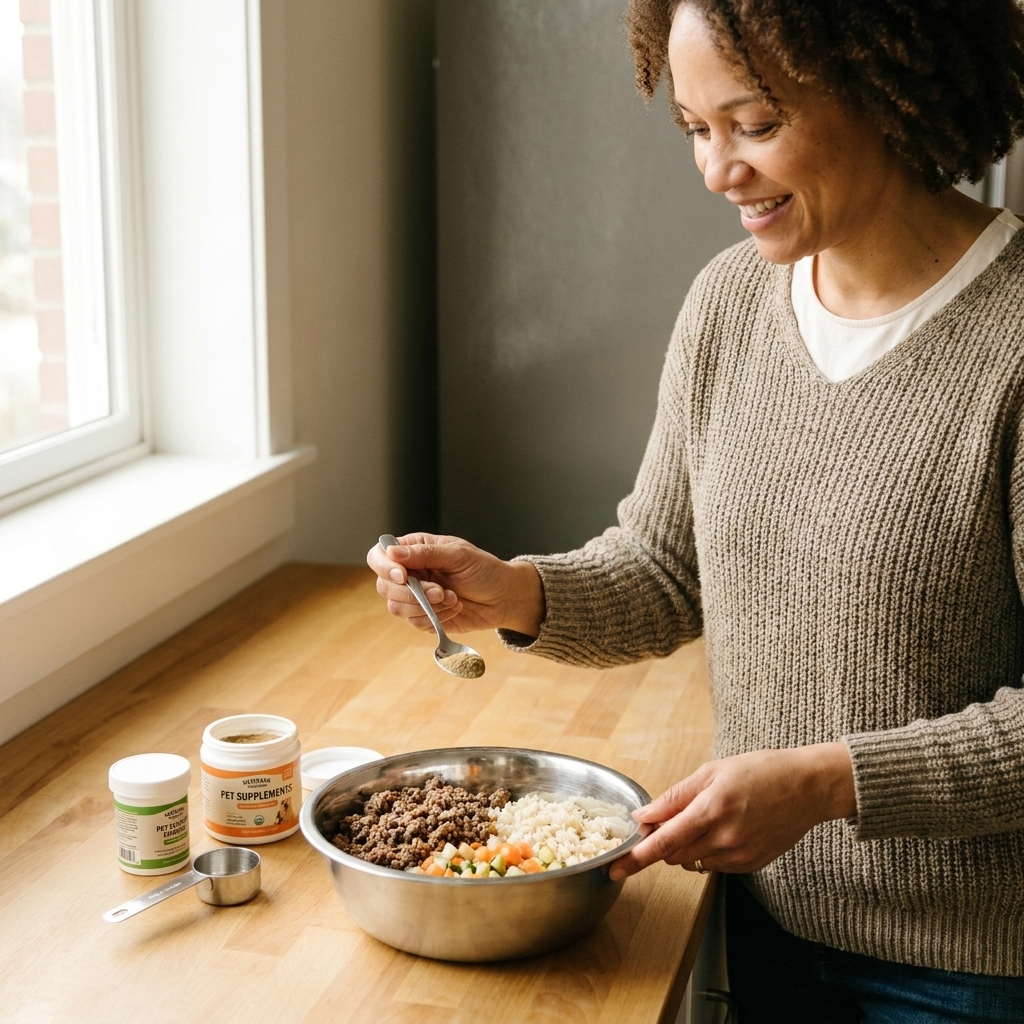
Confused about grain-free diets and canine DCM? Here’s what veterinary guidance and FDA updates suggest, plus practical steps to choose a heart-smart diet ...
Grain-free dog food has had a serious moment over the last decade. For some dogs, it has been a helpful option. For others, it may have been an unnecessary switch that added cost and confusion, and in a subset of cases it raised real medical questions.
As a former vet tech, I want to start with this: you are not doing anything “wrong” if you bought grain-free because it sounded cleaner or gentler. The pet food aisle is loud. Labels are persuasive. And many of us are just trying to help itchy skin, a sensitive stomach, or a dog who seems to do better on a specific formula.
Let’s walk through what we actually know about grains, what the FDA warnings were really about, and how to choose a carbohydrate source that fits your dog, not a trend.

What grains do in dog food
In a balanced diet, grains are not “fillers” by default. They are ingredients that can contribute:
- Digestible energy (carbohydrates)
- Protein (yes, grains contain protein too)
- Fiber to support stool quality and gut health
- Micronutrients like B vitamins, iron, and magnesium (depending on the grain)
Common grains in dog foods include rice, oats, barley, corn, and sorghum. Whether a grain is a good choice depends on the overall recipe, how it is processed, and your individual dog’s needs.
But aren’t dogs carnivores?
Dogs are taxonomically in the order Carnivora, but they are nutritionally omnivorous and can digest and use carbohydrates well. That does not mean every dog needs a high-carb diet. It just means grains are not automatically harmful or “unnatural.”
Grain-free does not mean low-carb
This is one of the biggest misunderstandings I see in clinics and in my inbox.
Most grain-free kibble still needs a starch source to hold the pieces together and provide energy. When grains are removed, recipes often replace them with:
- peas
- lentils
- chickpeas
- beans
- potatoes
- sweet potatoes
- tapioca
So the choice is usually not “carbs vs. no carbs.” It is which carbs, and how the full formula is balanced.
What the FDA actually warned about
In 2018, the U.S. Food and Drug Administration (FDA) announced it was investigating reports of dilated cardiomyopathy (DCM) in dogs eating certain diets, including many labeled grain-free. DCM is a serious heart disease that can reduce the heart’s ability to pump blood effectively.
Important context
- The FDA’s investigation was prompted by reports, not a controlled clinical trial.
- Cases were reported in breeds not typically predisposed to DCM, which raised concern.
- Many reported diets were grain-free and high in legumes (peas, lentils) and/or potatoes.
- The FDA did not “ban” grain-free foods, and it did not conclude that grains themselves were protective.
The FDA issued major public updates in 2019 and 2020. In 2022, the agency stated it was not planning additional public updates “at this time.” In other words, there is still no single confirmed cause, and this remains an active scientific question.
The working conversation has centered on formulation factors, ingredient inclusion levels, nutrient bioavailability, and how different ingredients may affect taurine status or heart health in some dogs.
Why the DCM conversation focused on legumes and potatoes
Not all grain-free diets are the same, but many popular recipes relied heavily on peas, lentils, chickpeas, and potatoes as major ingredients. Researchers have explored multiple theories, including:
- Taurine: Some dogs with diet-associated DCM had low taurine levels, while others did not. Taurine is an amino acid important for heart function, but the relationship is not as simple as “grain-free causes taurine deficiency.”
- Fiber and anti-nutrients: High levels of certain fibers or compounds could potentially impact digestion, bile acid recycling, or amino acid availability in ways that matter for heart health.
- Overall formulation: Two foods can have similar ingredient lists and perform very differently depending on nutrient balancing, sourcing, and testing.
One important nuance: much of the evidence here is associative and likely multifactorial. Not every legume-forward diet is proven harmful, and not every DCM case is diet-related.
Bottom line: the concern has been less about the absence of rice or oats and more about what replaced them and in what amounts.
Do dogs need grain-free diets?
Most dogs do not medically need a grain-free diet.
There are a few situations where a grain-free food might make sense, but it should be for a specific reason, not because “grains are bad.”
When grain-free can make sense
- A diagnosed grain allergy (uncommon): True food allergies in dogs more often involve proteins like beef, chicken, or dairy. Grain allergies can happen, but they are less common than many people assume.
- Limited-ingredient trials under veterinary guidance: Sometimes grain-free formulas are used in elimination diets, although many prescription elimination diets are grain-inclusive.
- Individual tolerance: Some dogs simply do better on a certain formula, and if it is nutritionally sound and monitored, that matters.
When grain-free is usually not the best first move
- Itchy skin with no veterinary workup: environmental allergies are extremely common, and changing grains often does not address the real cause.
- Loose stool that improves temporarily: ingredient swaps can help, but it is worth investigating parasites, pancreatitis, stress colitis, and diet composition (fat and fiber) before blaming grains.
- “Cleaner ingredients” goals: grain-inclusive foods can be high quality, and grain-free foods can be poorly formulated. The label claim alone does not tell you enough.
Are grains hard to digest?
For most dogs, no. Properly processed grains in commercial dog food are generally digestible. Concerns about grains are often borrowed from human diet culture or from misconceptions like “corn equals filler.”
In practice, I have seen plenty of dogs thrive on diets containing corn, oats, or rice. I have also seen dogs that do better when a specific grain is reduced or swapped. The key is to treat it as an individual nutrition question, not a moral one.
What about gluten?
Gluten sensitivity is rare in dogs. A known exception is a hereditary gluten-sensitive enteropathy documented in certain lines of Irish Setters. There are also reports of gluten-responsive disease in Border Terriers (including canine epileptoid cramping syndrome). Most dogs do not need a gluten-free diet unless your veterinarian suspects a specific issue and guides a diet trial.
How to choose the right carbs
If you are standing in the aisle wondering whether to pick grain-free or grain-inclusive, here is the decision framework I use in real life with pet parents and with my own crew at home.
1) Start with your dog’s needs
- Healthy adult dog with no issues: a well-formulated grain-inclusive diet is a solid default.
- History of pancreatitis or sensitive GI tract: focus on appropriate fat levels, digestibility, and veterinary guidance rather than “grains vs. no grains.”
- Suspected food allergy: talk to your vet about an elimination diet. Over-the-counter ingredient juggling can accidentally muddy the waters.
- Large or giant breed: ask your vet about heart health considerations and whether a diet associated with DCM risk factors makes sense for your dog.
2) Look beyond the front-of-bag claims
Instead, look for:
- AAFCO nutritional adequacy statement for your dog’s life stage (adult maintenance, growth, all life stages).
- Company transparency: brands that can tell you who formulates their diets (ideally a board-certified veterinary nutritionist or a qualified nutrition team), what testing they do, and what quality control looks like.
- Feeding trials when available, not only nutrient formulation on paper.
3) Watch the legume and potato load
Ingredient lists are not perfect, but they can offer clues. If you see multiple forms of peas or legumes clustered high on the list (for example peas, pea protein, pea flour), or potatoes appearing in several forms, talk to your veterinarian about whether that formula is a smart fit for your dog, especially if your dog is higher risk for heart issues.
4) Consider fiber and stool quality
Some dogs get great stools on oats or barley. Others do better with rice. Some do well with modest legumes. If your dog’s stool is chronically soft, a diet’s fiber blend may matter more than whether the carbohydrate is a grain.
5) Make changes slowly and track results
If you switch foods, do it over 7 to 10 days (sometimes longer for very sensitive dogs). Keep notes on:
- stool consistency
- itching and ear debris
- gas and appetite
- energy level
This turns “I think it helped?” into data you can actually use with your vet.
If your dog eats grain-free now
First, breathe. Do not panic-switch without a plan, especially if your dog has other medical conditions or a very sensitive stomach.
Also remember that DCM can develop for many reasons, including genetics, underlying disease, and other factors unrelated to diet. Food is one piece of a bigger health picture.
Talk to your vet about risk
Ask specifically about diet-associated DCM risk. Depending on your dog’s breed, age, clinical signs, and diet history, your vet may recommend:
- a diet change to a grain-inclusive formula or to a grain-free formula with different carbohydrate sources
- blood taurine testing (in select cases)
- a cardiac workup such as an echocardiogram, especially if any symptoms are present
If you are worried about DCM
Bring these details to your appointment so your veterinarian can give you clearer guidance:
- the exact diet name and formula (and any treats or toppers)
- how long your dog has been eating it
- any symptoms you have noticed, even if they seem mild
- any supplements or medications your dog is on
If your dog is already being treated for heart disease, do not stop medications or supplements without veterinary guidance.
Know the signs of possible heart disease
DCM and other cardiac diseases can be subtle at first. Call your veterinarian if you notice:
- decreased stamina or tiring on walks
- coughing, especially at night or after activity
- rapid breathing at rest
- fainting or weakness episodes
- swollen belly
These symptoms can have many causes, not just heart disease, but they are always worth prompt evaluation.

So, is grain-free bad?
Grain-free is not automatically bad. Grain-inclusive is not automatically better. The most honest science-based answer is:
- Most dogs can eat grains just fine.
- Most dogs do not need grain-free diets.
- The DCM concern appears more tied to certain formulations, especially some diets heavy in legumes and potatoes, than to grains as a concept.
- Diet quality, formulation expertise, and appropriate testing matter more than a single label claim.
If you are unsure what direction to take, your veterinarian is your best partner, and a board-certified veterinary nutritionist is the gold standard for complex cases.
FAQ
Is grain-free dog food better for allergies?
Usually not. Most food allergies in dogs are triggered by proteins (like chicken, beef, dairy), not grains. If you suspect an allergy, ask your vet about a properly controlled elimination diet rather than switching randomly between boutique foods.
Is corn a filler?
Corn can provide digestible energy, essential fatty acids (from corn oil), and other nutrients. Whether it is appropriate depends on the whole formula and your dog’s response, not the ingredient’s reputation online.
Should I add grains to my dog’s grain-free food?
Do not “DIY balance” a commercial diet by adding large amounts of rice, oats, or other extras unless your veterinarian recommends it. Adding significant toppers can unbalance calories and nutrients. If you want a grain-inclusive diet, it is typically better to transition to a complete and balanced grain-inclusive formula.
What is the safest carbohydrate for dogs?
There is no single safest carb for every dog. Rice and oats are often well tolerated. Some dogs do fine with barley or corn. The goal is a nutritionally complete diet that your dog digests well, with ingredients and formulation practices that make sense for your dog’s health profile.
What should I ask a dog food company?
- Who formulates your diets and what are their credentials?
- Do you conduct AAFCO feeding trials?
- What quality control testing do you do on ingredients and finished food?
- Can you provide the typical nutrient analysis (not just the guaranteed analysis)?
A gentle takeaway
If you have been feeling guilty about choosing grain-free, please let that go. Most of us have made food decisions based on the best information we had at the time, and pet food marketing can be intensely convincing.
Your next best step is simple: choose a well-formulated diet that fits your dog’s body and medical needs, and loop in your veterinarian if you have questions about heart health, allergies, or chronic GI issues. You do not need a perfect label. You need a plan that keeps your dog thriving.