Aging dogs need smarter nutrition, gentler movement, and a few home tweaks. Here’s a warm, vet-tech informed guide to keeping seniors comfortable and thriv...
If your sweet senior pup is taking a little longer to stand up, hesitating on stairs, or moving like their hips have opinions, you are not imagining it. Aging joints can get stiff and inflamed, and while there is no single “magic” ingredient, the right nutrition can help support comfort and mobility.
As a former vet tech, I like food toppers because they are realistic. You can use them to add targeted nutrients without completely reinventing your dog’s diet. Below are seven natural toppers I have seen pet parents use successfully, with simple ways to serve them and important safety notes so you can feel confident.
Before you start: joint-smart basics
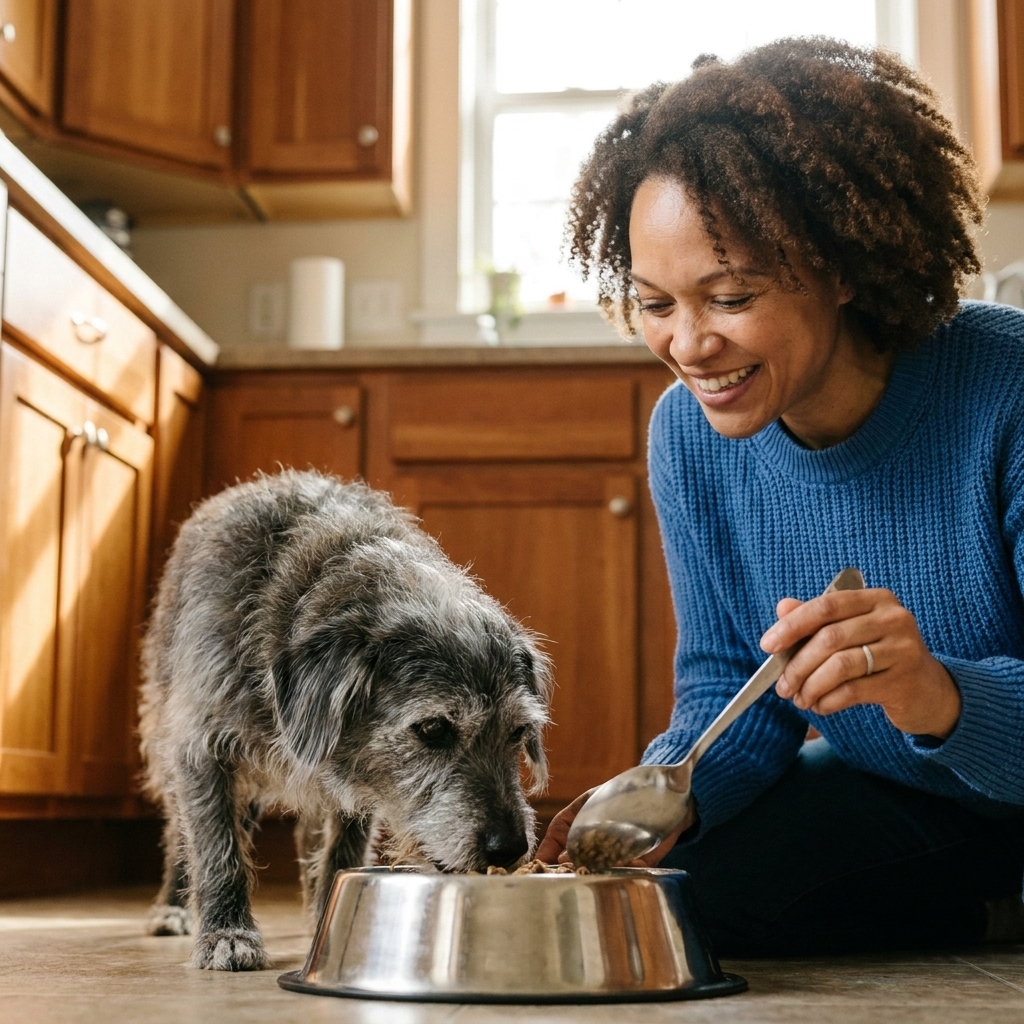
- Keep the base diet balanced. Toppers should complement a complete and balanced senior diet, not replace it. As a general guideline, aim to keep extras at 10% or less of daily calories.
- Introduce one change at a time. Add a new topper for 5 to 7 days before introducing another, especially if your dog has a sensitive stomach.
- Watch the scale. Extra weight is one of the biggest drivers of joint stress. Even “healthy” toppers can add up.
- Talk to your vet if your dog is on meds. This is extra important if your dog takes NSAIDs, steroids, blood thinners, seizure meds, or has kidney, liver, or pancreatitis history.
1) Bone broth (low sodium, onion-free)
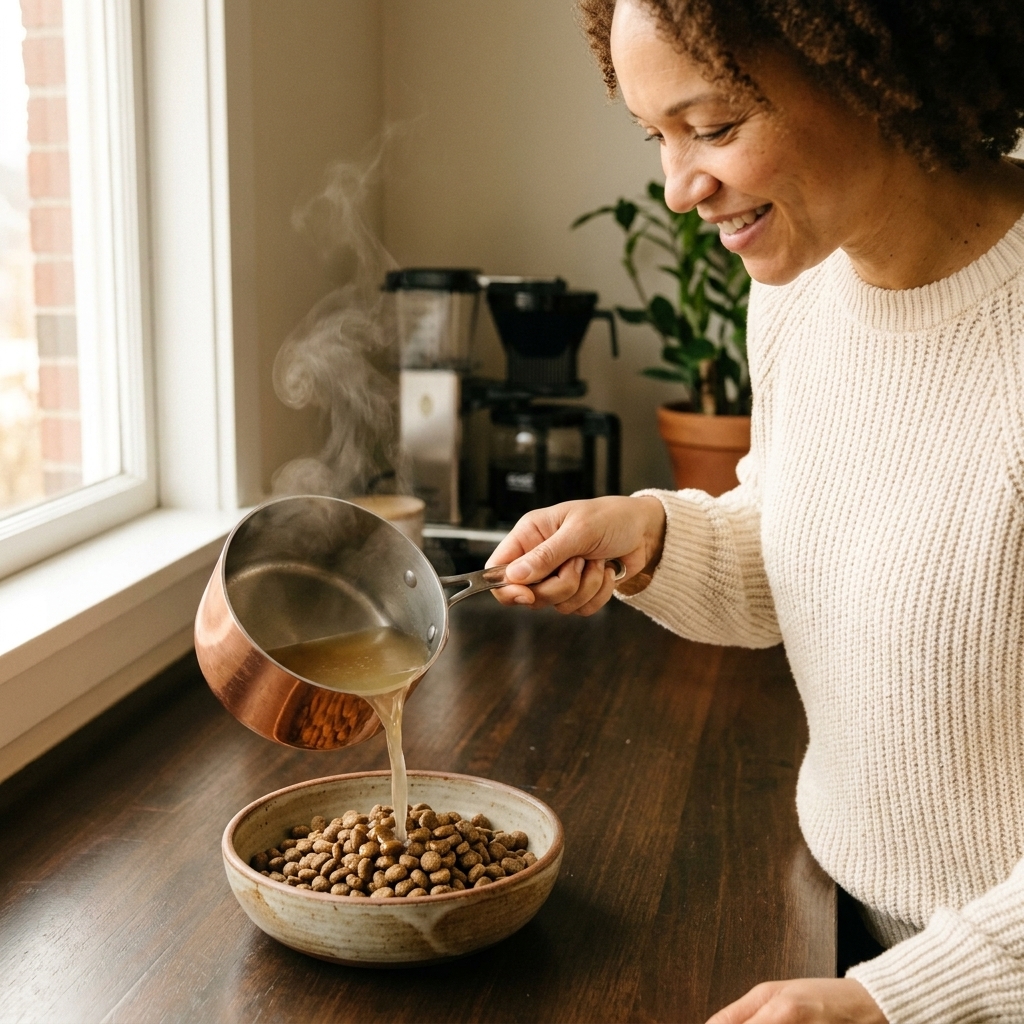
Bone broth is a classic topper for a reason. It boosts meal aroma for picky seniors and adds hydration, which can matter if your dog is drinking less or eating mostly kibble. Broth can also contain small amounts of gelatin and collagen-related compounds, but the amount varies widely by recipe and brand. Think of it as comfort and hydration first, with potential extra perks depending on the broth.
How to serve
- Choose dog-specific bone broth or make your own with no onions, garlic, or added salt.
- Start with 1 to 2 tablespoons per day for small dogs, 2 to 4 tablespoons per day for medium dogs, and up to 1/4 cup per day for large dogs.
- Warm it slightly to boost smell, or pour over kibble and let it soak for a few minutes.
Heads-up
Avoid broths made for humans unless you have confirmed the ingredient list is dog-safe. Onion and garlic can cause red blood cell damage (hemolytic anemia) in dogs. Toxicity is dose-dependent, but it is not worth gambling on “probably a little bit is fine.”
2) Omega-3s (fish oil or oily fish)
Omega-3 fatty acids, especially EPA and DHA, are some of the most evidence-supported nutrients for joint comfort. They help modulate inflammation, which is a major component of osteoarthritis in older dogs.
How to serve
- Fish oil: Use a veterinary-labeled product when possible and store it properly (heat and light can make oils go rancid). Keep the cap tight, follow the label, and discard if it smells sharply rancid.
- Whole food option: Add a small spoonful of plain sardines in water (no salt added if you can find it), or a bit of plain cooked salmon.
- Fish safety: Skip seasoned, smoked, or oil-packed fish. Avoid fish with bones. Also avoid high-mercury choices (like tuna) as a regular topper.
Heads-up
Omega-3 dosing is individualized, and too much can cause diarrhea and weight gain. It also may increase bleeding risk, mainly at higher doses and in dogs on anticoagulants or heading into surgery. Ask your vet for a dose based on your dog’s ideal weight and overall health.
3) Turmeric (with a little fat)
Turmeric contains curcumin, a compound studied for its anti-inflammatory properties. Some dogs do well with small, consistent amounts mixed into food, particularly when paired with a little dietary fat to improve absorption. It is not a quick fix, and not every dog tolerates it.
How to serve
- Use small amounts mixed thoroughly into wet food, plain yogurt, pumpkin, or bone broth.
- Add a tiny bit of healthy fat (like a few drops of fish oil) if your dog tolerates it.
Heads-up
Turmeric can upset sensitive stomachs and may interact with certain medications. It may also not be a good fit for dogs with gallbladder disease or those prone to certain urinary stones. If your dog is scheduled for surgery or takes blood thinners, confirm safety with your vet first.

4) Green-lipped mussel (freeze-dried powder or chews)
Green-lipped mussel is a natural source of omega-3s and other bioactive compounds that may support joint comfort. Many joint chews use it as a key ingredient, but you can also find it as a simple powder topper.
How to serve
- Look for single-ingredient powders or products with clear labeling and a stated amount per scoop.
- Mix the powder into wet food or broth so it coats the meal evenly.
Heads-up
If your dog has a known shellfish allergy (uncommon, but it happens) skip this option. Also, quality matters with marine-based supplements, so choose reputable brands that share testing standards.
5) Collagen or gelatin (plain, unflavored)
Collagen and gelatin provide amino acids used by the body to maintain connective tissues. They are not a replacement for medical arthritis management, but they can be a helpful piece of a bigger mobility plan, especially when paired with omega-3s, appropriate exercise, and weight management.
How to serve
- Choose plain, unflavored gelatin or collagen peptides with no sweeteners (especially no xylitol).
- Mix collagen powder into wet food or broth.
- Gelatin can be dissolved in warm water or broth, chilled, then served as a small “jiggle topper” cube.
Heads-up
Some dogs get soft stool if you start too fast. Begin with a small pinch and work up slowly.
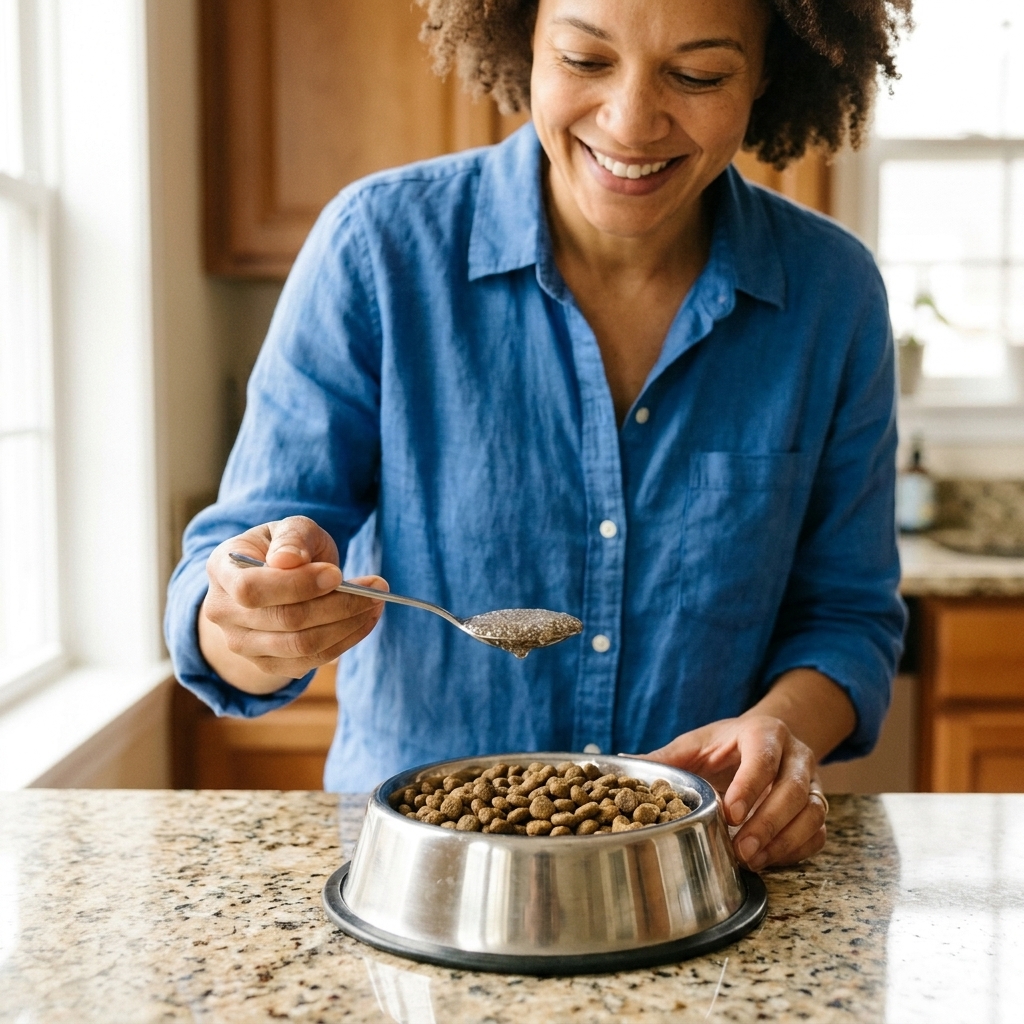
6) Chia seeds (soaked)
Chia seeds offer plant-based omega-3s (ALA), fiber, and a gel-like texture when soaked. ALA is not the same as EPA and DHA, and dogs convert only limited amounts, so chia works best as a supporting player, not your main omega-3 source. The fiber can help some seniors with irregular stool.
How to serve
- Always soak first to reduce choking risk and improve digestibility.
- Start with 1/4 teaspoon for small dogs, 1/2 teaspoon for medium dogs, and 1 teaspoon for large dogs, 2 to 3 times per week, mixed into meals.
Heads-up
Too much fiber too quickly can cause gas or loose stool. If your dog has a history of pancreatitis or needs a very specific diet plan, check with your vet before adding seeds.
7) Whole-food antioxidants (blueberries or leafy greens)
Joint aging is not just wear-and-tear. Oxidative stress can play a role in inflammation and tissue changes. Adding small amounts of antioxidant-rich foods can be a gentle, low-calorie way to support overall wellness.
How to serve
- Blueberries: Offer a few berries as a topper or frozen treat.
- Leafy greens: Finely chop and lightly steam spinach or kale, then mix a small spoonful into food.
Heads-up
Keep portions modest to avoid stomach upset. If your dog is prone to calcium oxalate urinary stones, ask your vet before using spinach regularly.
Easy topper combos
If you want to keep things easy, here are a few senior-friendly combos I like because they are straightforward and not overly rich:
- Bone broth + fish oil over kibble (hydration plus targeted omega-3s)
- Bone broth + collagen stirred into a simple “gravy” topper
- Green-lipped mussel powder + blueberries mixed into wet food (joint support plus antioxidants)
- Soaked chia + a spoon of pumpkin for dogs who do best with a little extra fiber (skip if your dog gets loose stool easily)
Where toppers fit in the big picture
Toppers can support a joint plan, but they are usually not the whole plan. Many dogs with arthritis do best with a layered approach that may include a prescription joint diet, physical therapy, home traction upgrades (like runners on slippery floors), and evidence-backed joint supplements such as glucosamine and chondroitin, UC-II (undenatured type II collagen), or injectable options recommended by your vet.
When toppers are not enough
If your senior dog is limping, bunny-hopping, slipping on floors, or struggling to get comfortable, it is time for a vet visit even if you are using all the “right” supplements. Arthritis, ligament disease, spinal issues, and even nail or paw pain can look like “just getting older,” and dogs deserve better than silently toughing it out.
Your vet may recommend a combination plan such as weight management, prescription joint diets, rehab therapy, targeted pain relief, or injectables. Food toppers can still be part of that plan. They just should not be the only plan.
Quick FAQ
How fast will I see results?
For omega-3s and joint supplements, many dogs need 4 to 8 weeks of consistent use before you notice meaningful changes. Some dogs show earlier improvements in stiffness, and some take longer. It is individual, and it often improves further when hydration and weight management are addressed.
Can I use human supplements?
Sometimes, but it is risky. Human products may include sweeteners, flavorings, or doses that do not translate well to dogs. When in doubt, choose veterinary-formulated options or confirm a specific product with your veterinarian.
What is the biggest mistake with toppers?
Accidentally overfeeding. Joint support is a lot harder when extra pounds are adding daily stress to hips, knees, elbows, and paws.